Shell LNG Projects Details
Chevron Energy Trends
Add Subsea Focus
Think Harder
By Oko Immanuel, M.Eng – Founder, Offshore Pipeline Insight
March 22, 2026
Shell (NYSE: SHEL) is back in the spotlight in 2026, with search interest spiking around its strategic shift to prioritize LNG and oil production, aggressive cost-cutting, and a reset on renewables. Investors and analysts are closely watching how Shell is closing the valuation gap with ExxonMobil, positioning natural gas as a long-term “backbone” fuel, and improving shareholder returns amid the energy trilemma (security, affordability, sustainability).This article breaks down the key trends driving Shell’s narrative right now.
1. The “Valuation Gap”: Shell vs. ExxonMobilShell’s stock has historically traded at a discount to ExxonMobil (XOM), and 2026 searches for “Shell valuation gap”, “Shell vs Exxon stock”, and “SHEL undervalued” are surging.
- Why the gap exists Exxon has focused on high-margin shale (Permian post-Pioneer) and Guyana, delivering stronger free cash flow and dividend growth. Shell’s heavier renewables exposure and higher costs have weighed on returns.
- Shell’s response CEO Wael Sawan is steering Shell back toward LNG (world’s largest integrated player) and oil (upstream focus), with plans to boost cash flow and buybacks.
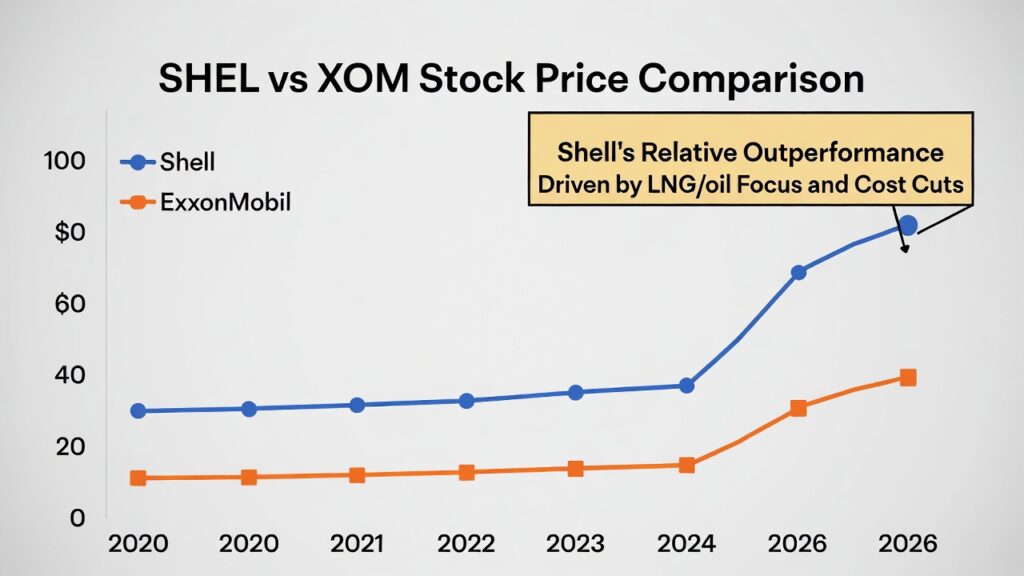
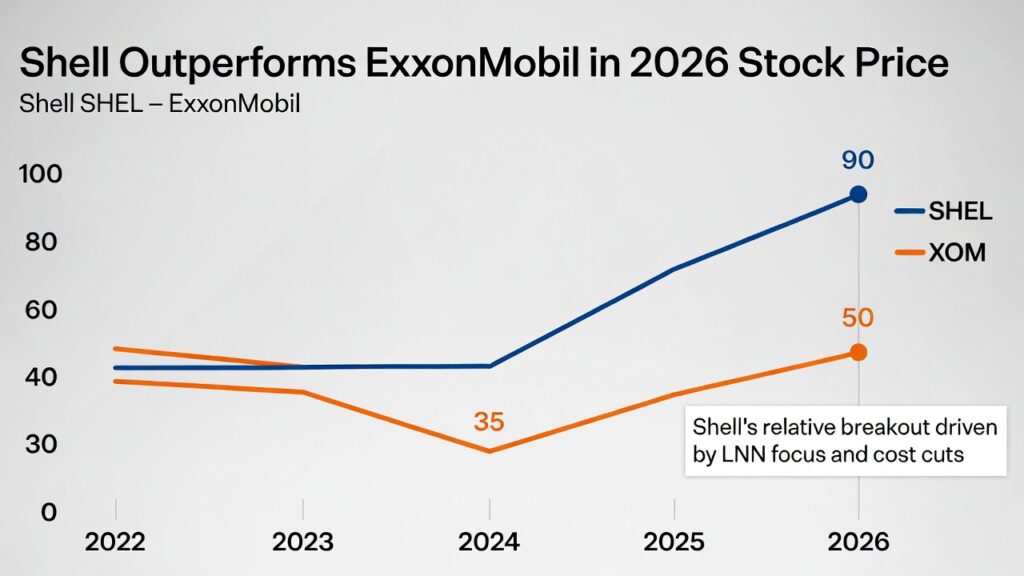
- 2026 performance Shell stock has started closing the gap, with stronger LNG margins and cost reductions helping relative performance vs. Exxon.
Figure 1: Shell (SHEL) vs. ExxonMobil (XOM) Stock Comparison (2025–2026 YTD)
(image: Dual line chart showing SHEL and XOM stock prices, highlighting Shell’s relative breakout in 2026 on LNG/oil focus and cost cuts.)
2. Natural Gas as the “Backbone” Fuel – Shell’s Energy Trilemma Leadership
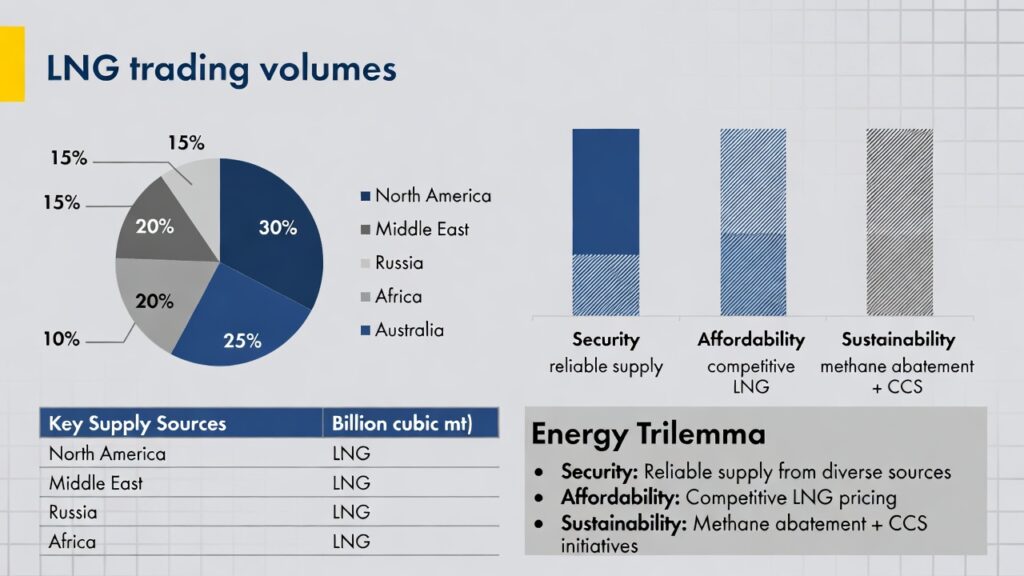
Shell is positioning itself as a leader in solving the energy trilemma — balancing energy security, affordability, and sustainability.
- Searches trending : “Shell natural gas backbone”, “Shell energy trilemma”, “LNG long-term fuel”.
- Shell’s stance : Natural gas (especially LNG) is no longer just a “bridge” fuel — it’s a long-term backbone for reliable, lower-carbon power and industry.
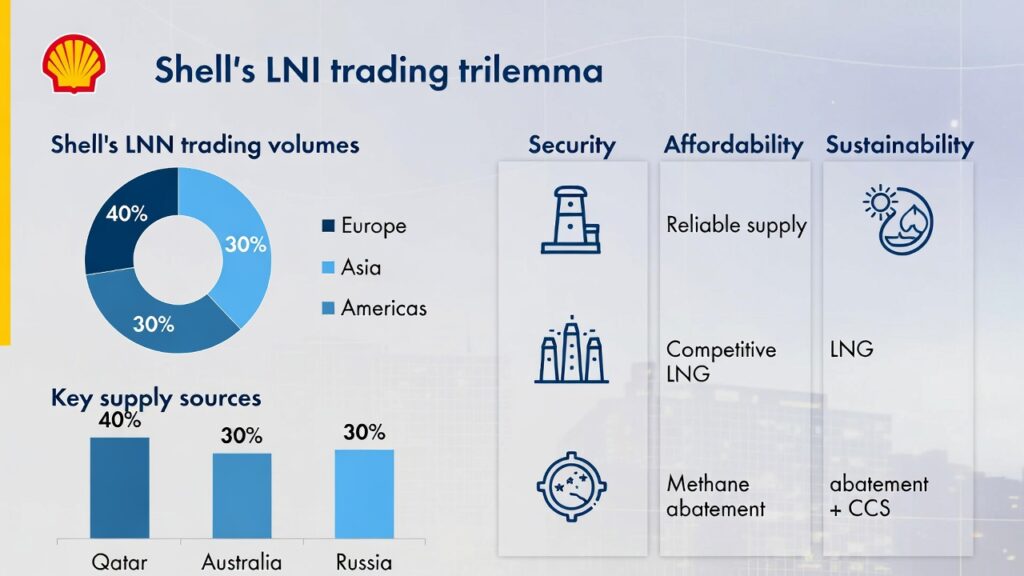
- LNG dominance : Shell is the world’s largest LNG portfolio holder (trading ~100 MTPA), with key assets in Qatar (North Field), Australia (Prelude FLNG), and U.S. Gulf Coast (via partnerships and trading).
- Offshore/subsea role : Shell operates major subsea systems in deepwater (GoM, North Sea) and LNG feed-gas pipelines, with HPHT expertise supporting reliable supply.
Figure 2: Shell LNG Portfolio & Energy Trilemma Balance
( image: Pie chart or infographic showing Shell’s LNG trading volumes, key supply sources, and trilemma pillars: security (reliable supply), affordability (competitive LNG), sustainability (methane abatement + CCS).)
3. Aggressive Cost Cutting: $1 Billion Reduction in 2026
Shell announced plans to cut $1 billion in operating costs in 2026 — a major trending topic among investors.
- Details : Focus on upstream efficiencies, digital tools, and portfolio simplification.
- Impact : Higher free cash flow → more dividends, buybacks, and debt reduction.
- Searches “Shell cost cutting 2026”, “Shell $1 billion savings plan”.
- Subsea tie-in Cost reductions include subsea integrity monitoring (digital twins) and optimized drilling/completions to lower OPEX in offshore fields.
4. Renewable Reset: Scaled-Back Climate Targets
Shell has adjusted its climate ambitions, scaling back some renewable targets to focus on higher-margin upstream projects.
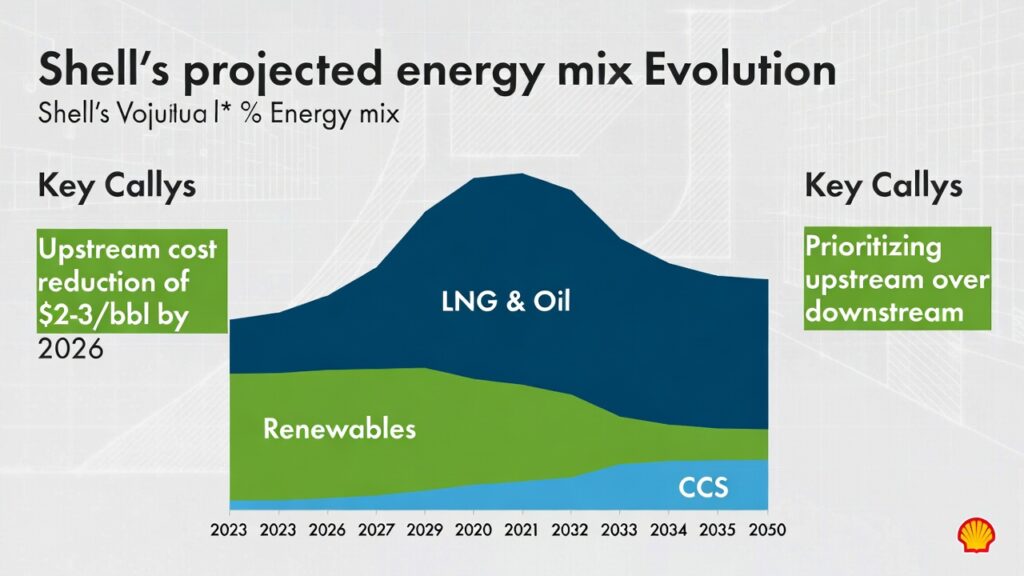
- Key changes Reduced emphasis on early-stage renewables (wind/solar), more focus on LNG, oil, and CCS.
- Trending searches “Shell renewable reset”, “Shell climate targets 2026”, “Shell upstream focus”.
- Rationale Upstream delivers stronger returns; CCS and methane abatement provide decarbonization progress without sacrificing cash flow.
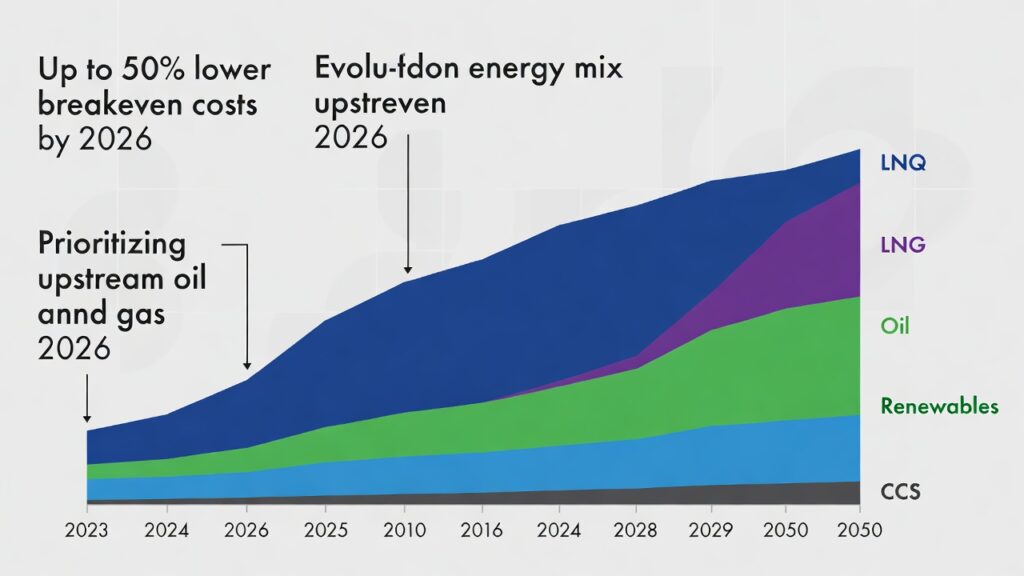
Figure 3: Shell Energy Mix & Strategic Shift (2025–2030)
(image: Stacked bar or area chart showing Shell’s projected energy mix evolution: LNG/oil growth, renewables slowdown, CCS ramp-up, with callouts for 2026 cost cuts and upstream prioritization.)
The Bottom Line
Shell is executing a pragmatic 2026 strategy: prioritize LNG and oil to close the valuation gap with Exxon, position gas as the long-term “backbone” fuel, cut $1 billion in costs, and reset renewables while advancing CCS. This shift is resonating with investors focused on cash flow and shareholder returns.Engineers and investors: How is Shell’s upstream/LNG focus affecting your offshore work — more subsea tiebacks, CCS opportunities, or methane abatement projects?
Share in the comments or on LinkedIn.
Shell is proving balance can win in the transition.
Oko Immanuel
Subsea Engineering Specialist | Offshore Pipeline Insight