April 2, 2026 — Geopolitical tensions in the Middle East dominated headlines and search trends in March 2026 after U.S.-Israel airstrikes on Iran escalated into direct conflict. Brent crude surged sharply, briefly approaching or exceeding $120 per barrel amid fears of prolonged disruption, before partially easing as diplomatic signals and strategic reserve releases provided some relief.
The core trigger? Iran’s effective closure (or severe restriction) of the Strait of Hormuz the narrow chokepoint through which roughly 20 million barrels per day (bpd) of crude oil and petroleum products normally flow, representing about 20% of global seaborne oil trade (and significant LNG volumes). The International Energy Agency (IEA) described this as the largest supply disruption in the history of the global oil market, with flows dropping to “a trickle” and forcing Gulf producers to curtail output.
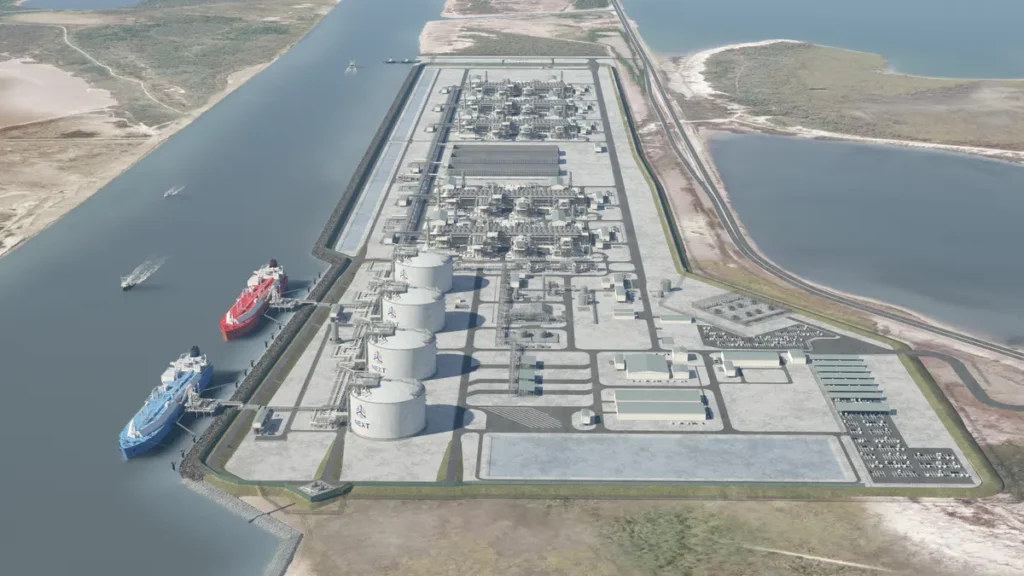
Major LNG and oil export infrastructure — similar in scale to facilities impacted by Hormuz disruptions. Disruptions here ripple directly to global pricing and alternative supply chains like U.S. Gulf of Mexico developments.
What Happened and Why Prices Spiked
- Initial Surge: Brent futures climbed dramatically in March, posting one of the steepest monthly gains on record (exceeding moves during the 1990 Gulf War in percentage terms). Prices hit highs above $116 in late March sessions amid tanker attacks, port closures, and fears of sustained blockade.
- Supply Shock Scale: Pre-conflict, ~20 million bpd of oil and products transited the Strait. Post-escalation, the loss created an unprecedented shortfall. Alternative bypass pipelines (e.g., Saudi East-West or UAE routes) offer only ~3–5.5 million bpd capacity at best — far short of offsetting the gap.
- Market Response: The IEA coordinated a record release of ~400 million barrels from strategic stockpiles (with the U.S. contributing significantly from the SPR). This helped calm some panic, but volatility remained extreme, with daily swings reflecting news on tanker safety, diplomatic talks, and potential reopening of the Strait.
Even as prices eased toward $100–110 range by early April amid de-escalation hopes, the episode underscored the fragility of global energy supply chains.
Implications for Offshore Pipeline & Subsea Professionals
This shock is not abstract market noise — it directly affects project economics, capital allocation, and technical priorities for those of us in offshore pipeline engineering, flow assurance, and subsea systems:
1. Boost to U.S. Gulf of Mexico Production & Tie-Backs
With Middle East supply constrained, non-OPEC+ sources (especially the Gulf of Mexico) gain relative attractiveness. Expect:
- Accelerated FID on gas-rich and oil developments.
- More subsea tie-backs to existing hosts (e.g., Shenandoah FPU, Blind Faith, Appomattox) as operators maximize output from proven infrastructure.
- Renewed interest in HPHT reservoirs (Norphlet trend, etc.), where 20K psi equipment and advanced flow assurance become even more critical.
2. Flow Assurance & Pipeline Design Pressures
Higher and more volatile prices reward reliable, dispatchable production:
- Longer tie-backs become economic if they deliver consistent volumes.
- Synergies between subsea boosting (multiphase pumps/wet-gas compressors) and HPHT strategies (EHTF, PIP insulation, HIPPS) grow in importance to overcome pressure drops and maintain arrival temperatures over distance.
- Gas developments (tied to LNG exports and now power demand) see stronger tailwinds, increasing demand for large-diameter feed-gas pipelines and gathering systems.
3. LNG & Gas Infrastructure Resilience
The Hormuz disruption also hit LNG flows (Qatar and others). U.S. LNG terminals (Rio Grande, Plaquemines, etc.) benefit as Europe and Asia seek diversified, reliable supply. This supports:
- Expanded feed-gas pipeline networks in South Texas and Louisiana.
- Greater emphasis on robust export riser and onshore pipeline integrity under variable throughput scenarios.
4. Risk Management & Diversification
Operators and midstream players will likely prioritize:
- Geographic diversification of supply.
- Enhanced monitoring (fiber-optic, digital twins) for pipeline integrity.
- Materials and designs that handle potential future volatility in fluid composition or pressure regimes.
In short, while the conflict creates short-term pain through higher costs and uncertainty, it reinforces the strategic value of stable, technologically advanced offshore assets in the Gulf of Mexico — exactly the domain where practical subsea and pipeline engineering shines.
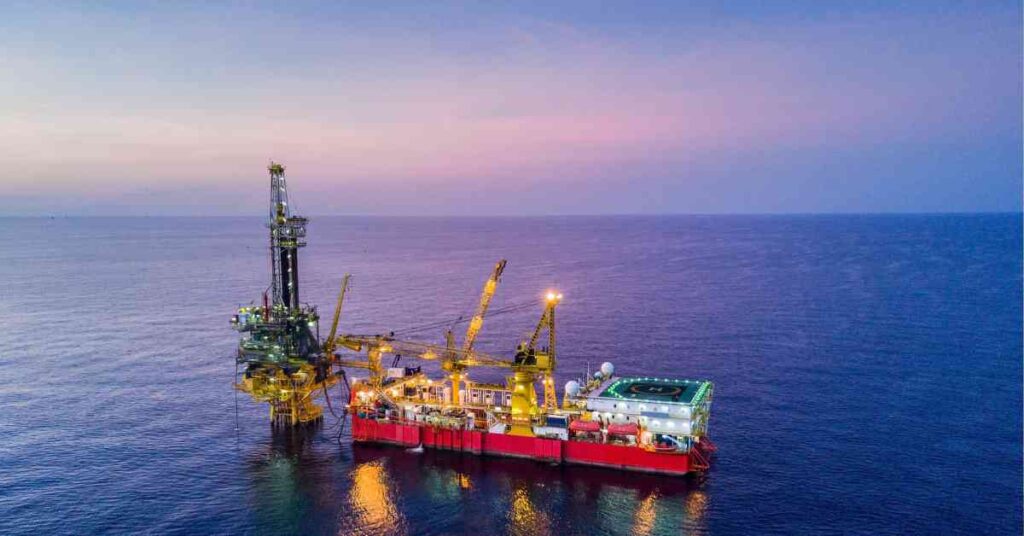
Gulf of Mexico offshore platform a symbol of reliable, dispatch able production that gains importance during global supply shocks like the Hormuz disruption.
The Bigger Picture for 2026
Geopolitical events like this highlight why energy security and diversified supply chains matter. For offshore pipeline professionals, the takeaway is clear: capital will continue flowing toward proven basins with mature infrastructure, advanced HPHT capabilities, and efficient tie-back solutions.As the situation evolves (with ongoing talks and potential reopening of the Strait), watch for:
- Sustained high (but volatile) prices supporting Gulf activity.
- Accelerated adoption of boosting + heating synergies for longer step-outs.
- Stronger fundamentals for U.S. LNG exports amid global uncertainty.
What’s your take from the field? Are you seeing increased RFPs or budget shifts tied to this volatility? Have Hormuz-related price swings changed how you approach flow assurance or material selection?
Drop your comments or email me at oko@offshorepipelineinsight.com
I’ll follow up with a deeper technical piece on how global supply shocks influence subsea system design and integrity planning.,
Oko Immanuel, M.Eng
Founder, Offshore Pipeline Insight
Texas A&M Subsea & Petroleum Engineering
Bridging Academia and the Field