By Oko, Founder of Offshore Pipeline Insight
Published: April 10, 2026
In the relentless push for capital efficiency in unconventional plays, operators have steadily extended horizontal laterals from the early 1-mile “sticks” to 2-mile, 3-mile, and now routine 4-mile sections — with some record-breaking wells exceeding 5 miles. What was once considered technically ambitious has become a key lever for lowering breakeven costs and breathing new life into acreage that would otherwise sit idle at $50–$70 oil.
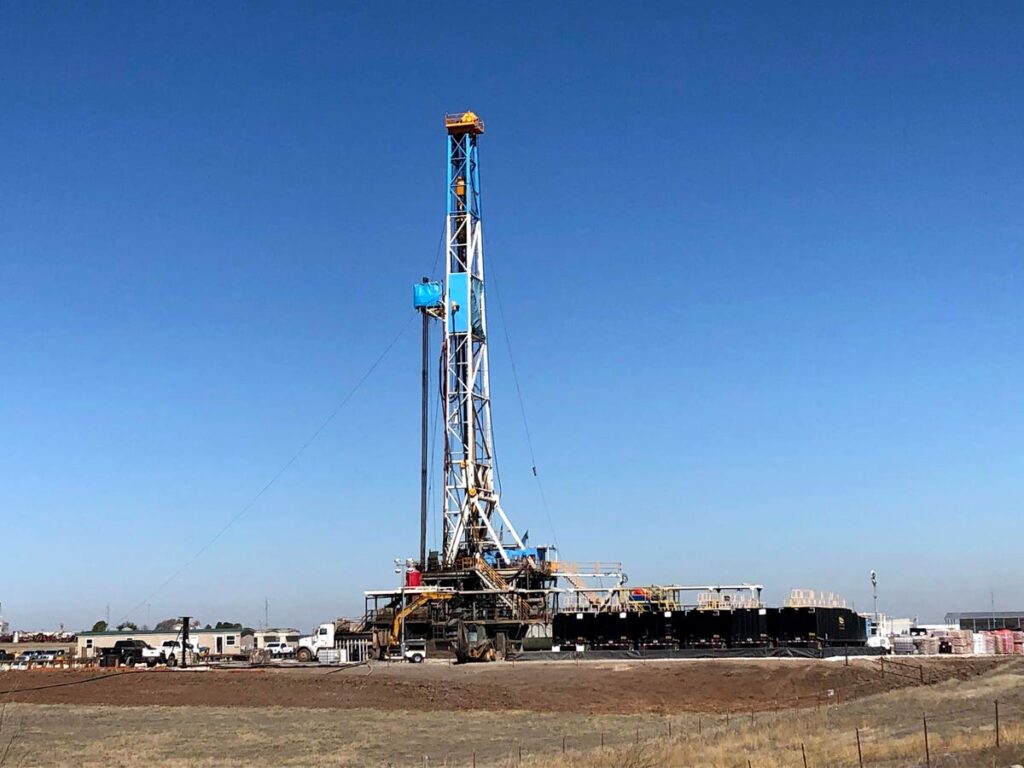
A modern onshore drilling rig operating in a U.S. shale play — the kind of equipment pushing the boundaries of long-lateral designs.
The Economics Driving the “Extra Mile”The core advantage is straightforward but powerful: fixed costs are spread over far more reservoir contact. Drilling the vertical section and building the curve represents a significant upfront investment. Once in the lateral, each additional foot of horizontal exposure adds production potential at incrementally lower cost per foot.
Recent examples illustrate the impact:
- In the Williston Basin (Bakken), operators like Chord Energy and Hess have successfully drilled and brought online 4-mile laterals.
- In the Permian Basin’s Midland region, more than 50% of wells completed in 2025 exceeded 2 miles laterally, with the longest reaching approximately 4 miles.
- In Appalachia, Expand Energy drilled what is believed to be the longest U.S. land lateral to date — over 5.2 miles in the Marcellus.
Operators report that moving from 2-mile to 4-mile laterals can deliver 40–100% higher EUR in some cases, with drilling and completion (D&C) costs per foot dropping 15–20% or more due to economies of scale. Some programs claim $8–$12 per barrel improvements in cost of supply. This makes marginal acreage suddenly competitive even in softer price environments.
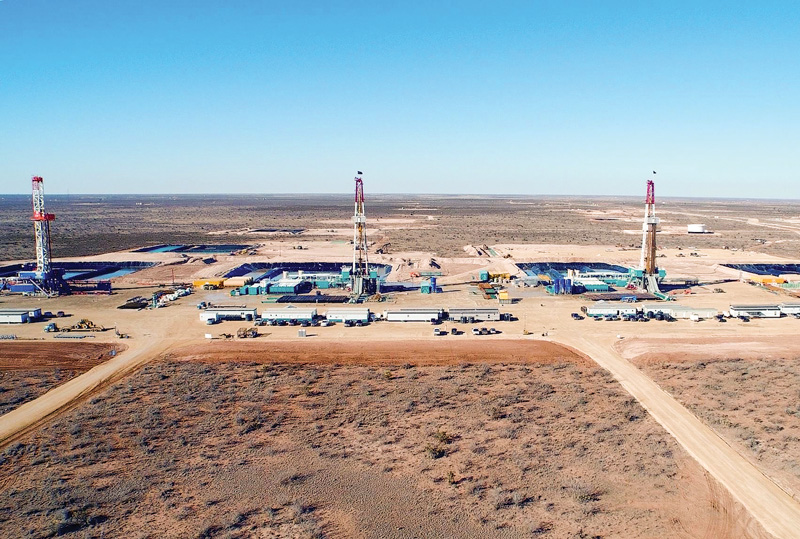
Aerial view of a large multi-well pad in the Permian Basin — fewer pads and longer laterals mean more concentrated production hubs, directly impacting gathering pipeline design and routing.
Creative designs are helping where contiguous acreage is limited:
- Horseshoe or U-shaped wells (drilling out and then turning back) effectively double lateral exposure from a single pad while avoiding the need for multiple surface locations.
- These configurations can cut total D&C costs by 25%+ compared to drilling two separate shorter wells.
The result? Fewer wells needed per section, reduced surface footprint, lower infrastructure demands (roads, pads, gathering lines), and better environmental metrics all while improving free cash flow generation.
Technical Advances Enabling the Push Pushing laterals beyond 15,000–20,000 ft brings real engineering challenges: higher torque and drag, hole cleaning difficulties, equivalent circulating density (ECD) management, and completion friction. Yet service companies and operators continue to solve them through advanced rotary steerable systems, high-performance drill bits, optimized bottom-hole assemblies, and improved drilling fluids.
Diminishing productivity per foot is real, but the overall well economics still win because of the capital savings and accelerated cash flow from larger EUR.
Implications for Midstream and Pipeline Infrastructure
For readers in the pipeline and midstream space, longer laterals change the game in several ways:
- Fewer pads and wells mean more concentrated production hubs. Gathering systems can be optimized with larger trunk lines serving super-pads instead of many scattered short-laterals.
- Longer reach from surface locations allows operators to develop acreage farther from existing infrastructure, potentially requiring new pipeline laterals or extensions.
- Higher initial production rates from big wells can stress takeaway capacity temporarily, creating opportunities (and risks) for pipeline operators and shippers.
As 4-mile (and 5-mile+) designs become more common, expect continued consolidation of acreage to enable these ultra-long laterals — another driver of M&A activity we’ve seen across the Permian, Bakken, and Appalachia.
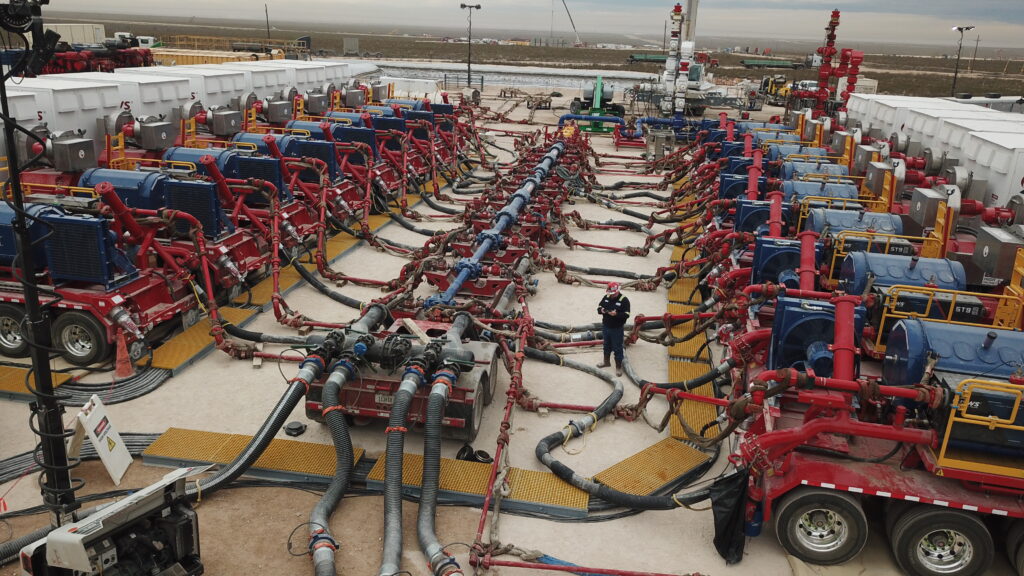
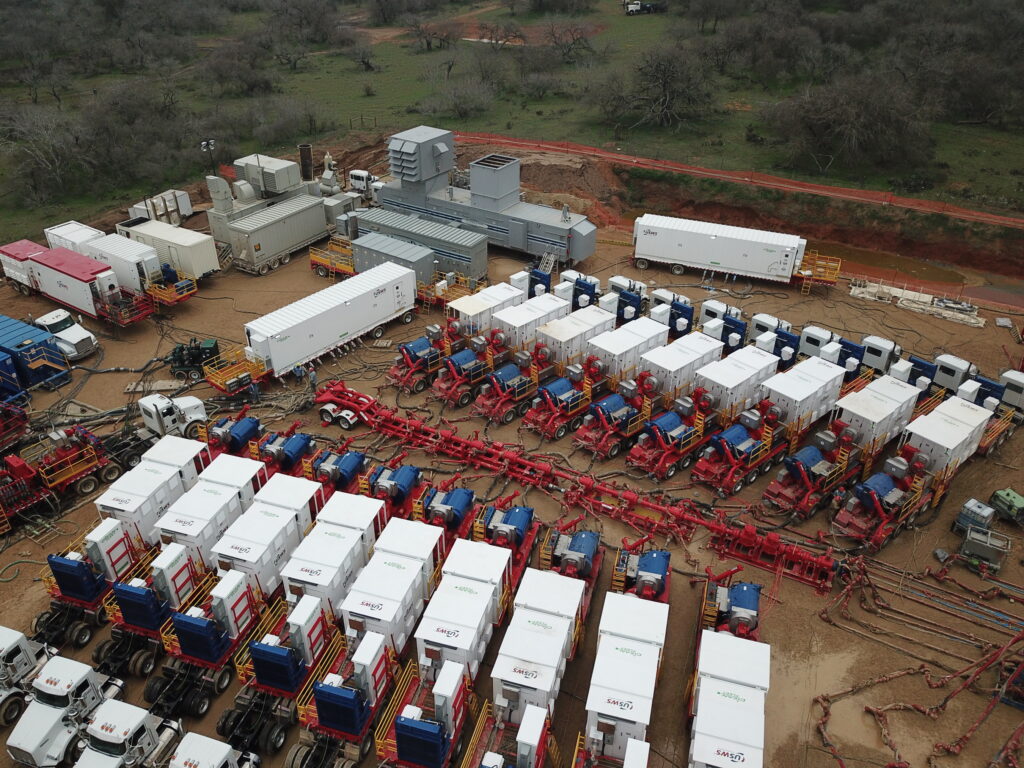
Large-scale hydraulic fracturing (frac) spreads on long-lateral wells — higher initial production volumes from these mega-wells can directly influence pipeline takeaway capacity and midstream planning.
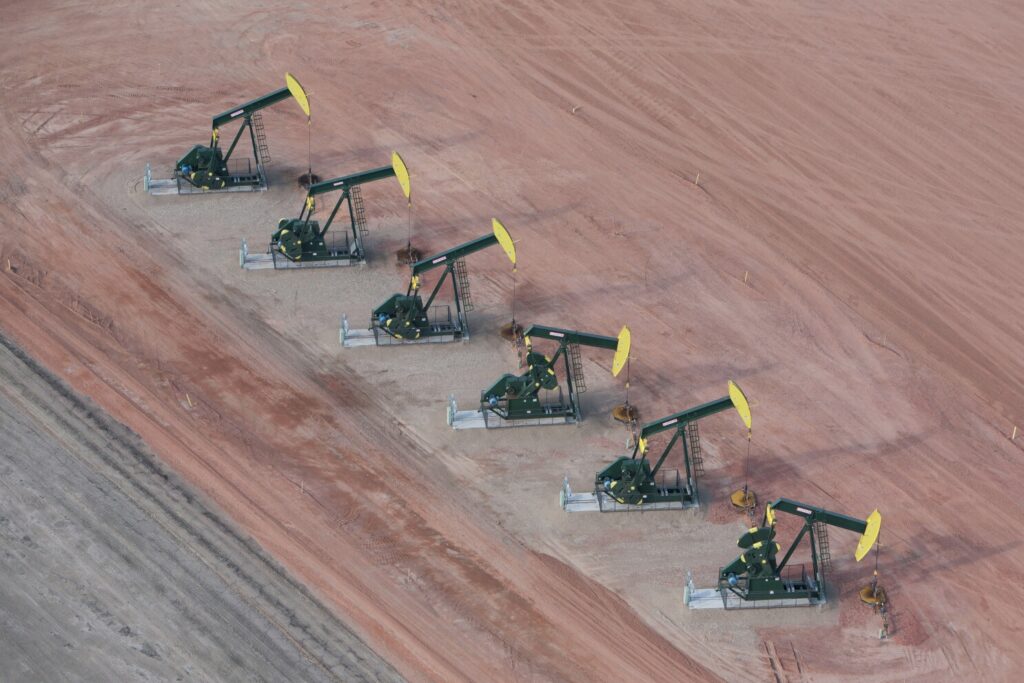
Pump jacks on a developed shale field — longer laterals help reduce overall surface footprint while maximizing recovery from each pad.
Looking Ahead
The industry is not stopping at 4 miles. Record wells in 2025 already demonstrate that 5+ mile laterals are achievable with today’s technology. Combined with AI-assisted drilling optimization, better bit and fluid systems, and alternate well designs (horseshoe, multi-laterals), the trend toward longer reach will keep pushing the boundary of what was once considered “marginal.”For operators, this translates to resilient economics even in volatile or lower-price cycles. For the broader energy value chain — including pipeline developers and operators — it means rethinking infrastructure density, capacity planning, and long-term basin outlook.What are your thoughts on how ultra-long laterals will reshape gathering and export pipeline strategies in the coming years?
Have you seen specific impacts in the basins you follow?