By Oko, Founder of Offshore Pipeline Insight
Published: April 10, 2026
2026 is shaping up to be a landmark year for offshore pipeline infrastructure, with over 113 new offshore oil and gas pipelines scheduled to come online worldwide. While many are modest, a select group of mega-projects stand out for their length, capacity, and strategic importance. These pipelines will reshape energy supply chains, support LNG growth, and influence gathering, export, and decarbonization strategies for years to come.
Here are the ten biggest offshore pipelines expected to come online in 2026 (ranked approximately by length), with key technical details, engineering challenges, and midstream implications.
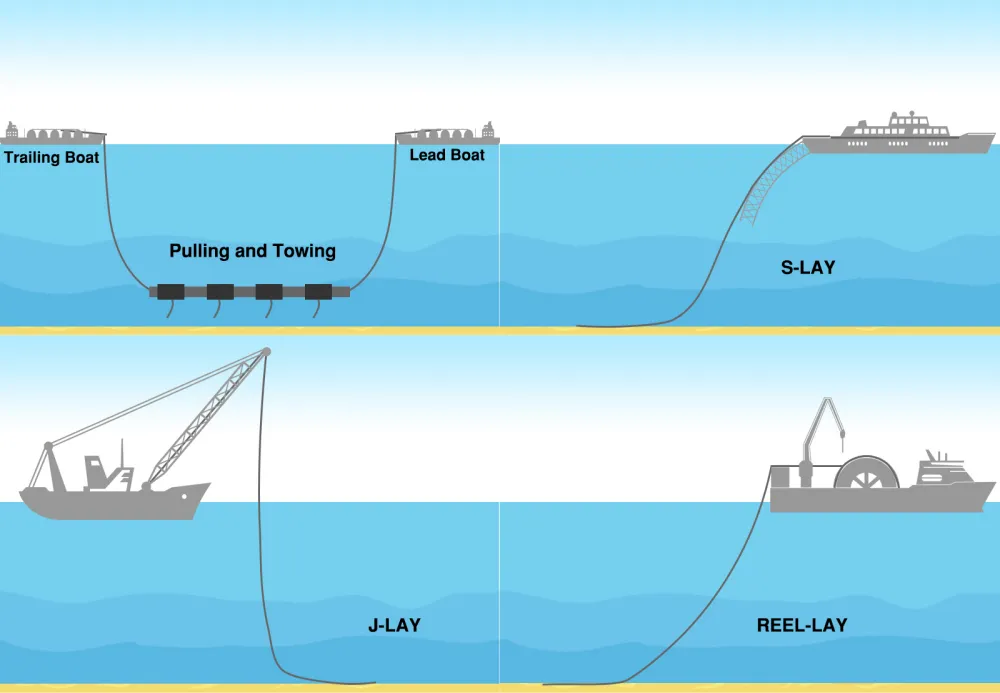
Illustration of common offshore pipeline installation methods: S-Lay, J-Lay, and Reel-Lay — techniques that will be heavily used in 2026 mega-projects to handle varying water depths and long tie-backs.
1. Vaca Muerta Sur – Argentina (≈565 km)Operated by YPF, this major oil pipeline connects the Vaca Muerta shale fields to a new export terminal at Punta Colorada. Planned capacity: ~550,000 barrels per day.Technical Highlights: Large-diameter line pipe designed for high-volume crude transport.
Challenges: Shallow-water installation in environmentally sensitive areas and integration with onshore facilities.
Midstream Impact: Will create a new export hub, requiring expanded gathering systems and tanker loading infrastructure. Future potential for CO₂ or low-carbon molecule tie-ins.
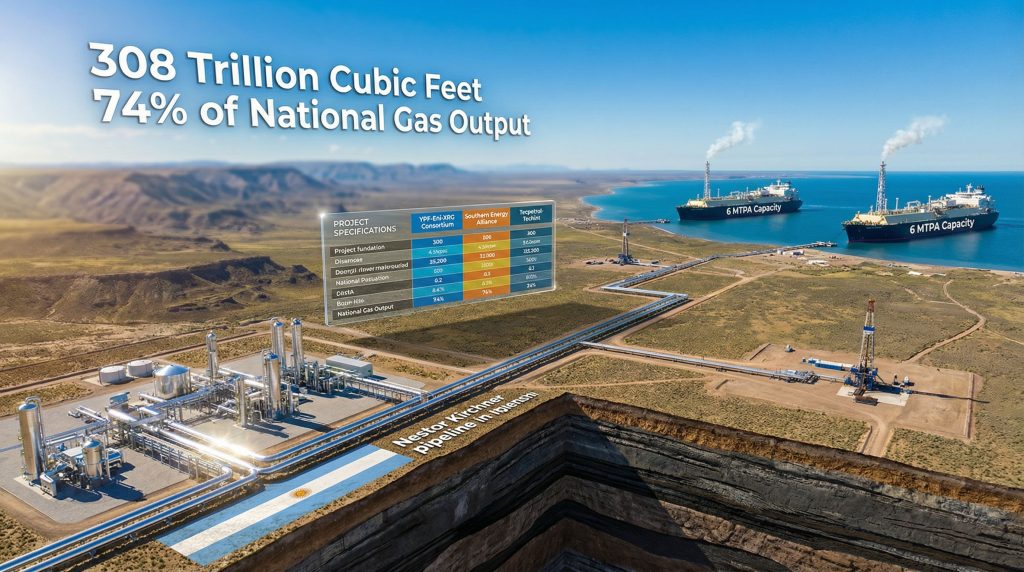
Aerial view of the Vaca Muerta region showing pipeline infrastructure and export facilities — one of the largest projects expected online in 2026.
2. North Field East System – Qatar (≈500 km)
QatarEnergy’s flagship gas pipeline supporting the massive North Field expansion and increased LNG production.
Technical Highlights: High-capacity gas transmission with advanced materials for sour service conditions.
Challenges: Extreme scale, complex seabed terrain, and integration with carbon capture facilities.
Midstream Impact: Massive boost to LNG export capacity; will drive demand for new trunk lines and potential hydrogen/ammonia infrastructure.
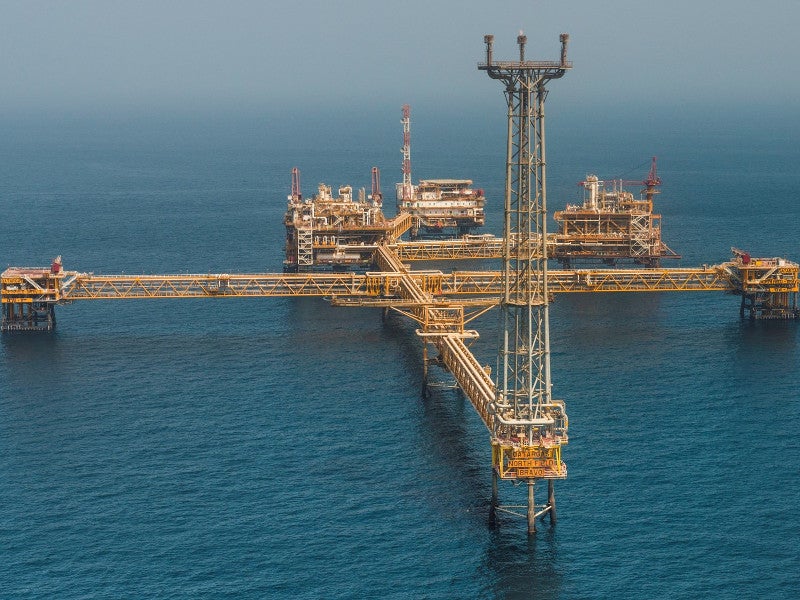
Qatar’s North Field offshore platforms and associated pipeline infrastructure — a cornerstone project driving significant new pipeline capacity in 2026.
3. Scarborough–Pluto – Australia (≈433 km)
Woodside Energy’s deepwater gas pipeline linking the Scarborough field to the Pluto LNG facility.
Technical Highlights: Designed for deepwater conditions with high-pressure gas flow.
Challenges: Harsh marine environment and long tie-back distance.
Midstream Impact: Sustains and expands Australian LNG exports with optimized gathering and processing at the hub.
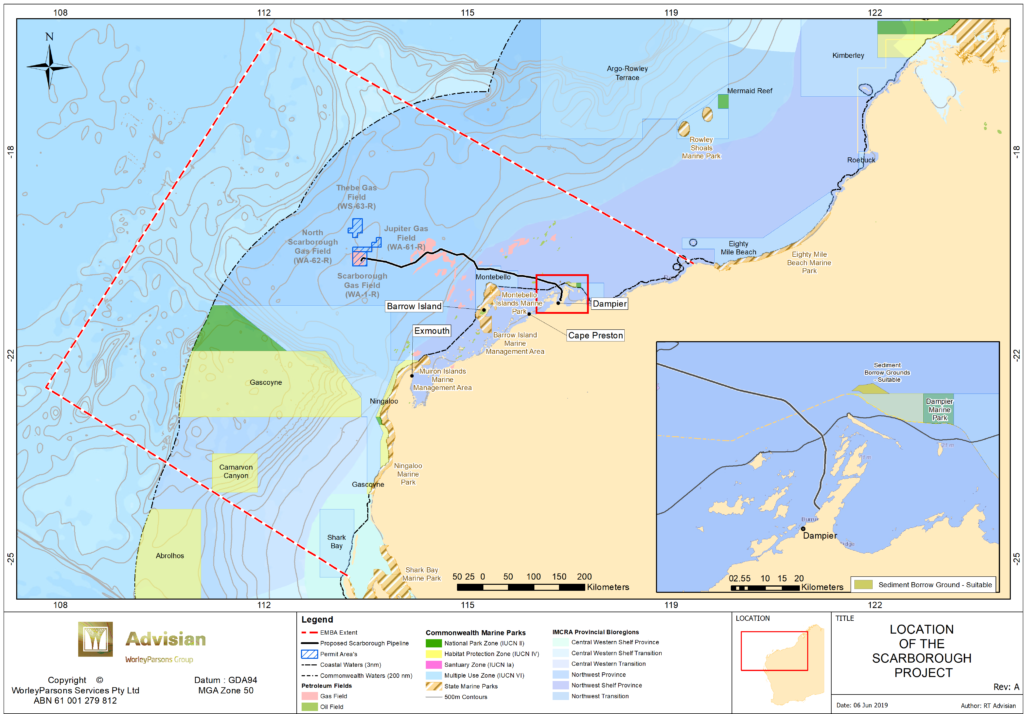
Map showing the Scarborough gas pipeline route offshore Western Australia — a key deepwater project coming online in 2026.
4–10. Other Notable Mega-Pipelines
The rest of the top 10 include additional phases of Qatar’s North Field expansions, several Southeast Asian and Middle East gas lines, and other Australian developments. Many focus on LNG feedgas or power generation support.
Common Technical Themes in 2026:
- Greater use of corrosion-resistant alloys and mechanically lined pipe.
- Advanced installation methods (S-Lay, J-Lay, Reel-Lay) for deeper waters.
- Built-in digital monitoring for integrity management from day one.
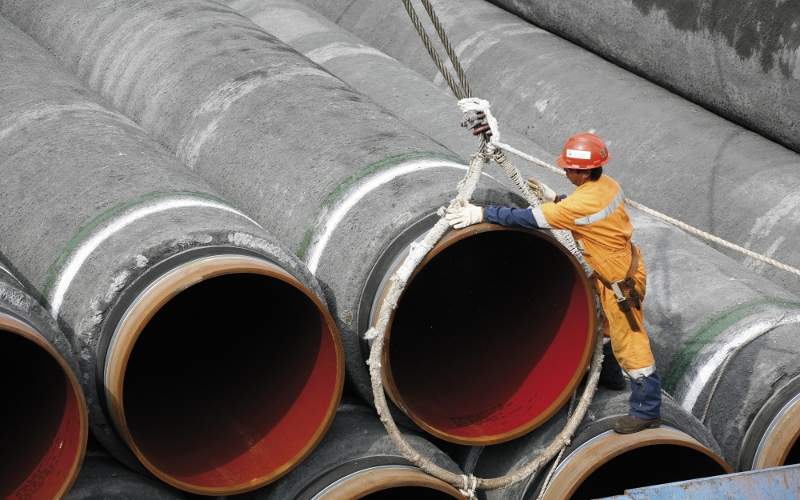
Large-diameter steel pipes ready for offshore deployment — material costs and tariffs remain a major challenge for 2026 projects.
Key Challenges Across These Projects:
- Rising steel and material costs due to tariffs.
- Geohazards, environmental permitting, and supply chain issues.
- Designing pipelines that are “future-ready” for hydrogen blends or CO₂ transport.
Midstream & Pipeline Implications:
These projects will create concentrated production hubs, demanding larger trunk lines, optimized gathering networks, and expanded export terminals. Many are being engineered with decarbonization in mind, making future repurposing for low-carbon molecules or CCUS easier. Operators and midstream players should prepare for higher initial volumes, potential takeaway bottlenecks, and new opportunities in asset repurposing.
What are your thoughts on how these 2026 pipelines will reshape regional midstream strategies?
Which project do you believe will have the biggest long-term impact?