By Oko, Founder of Offshore Pipeline Insight
Published: April 18, 2026
For decades, the oil majors built their empires around the barrel — producing, refining, and distributing crude oil. In 2026, many are accelerating a strategic pivot beyond the barrel toward low-carbon molecules: blue and green hydrogen, ammonia, methanol, synthetic fuels (e-fuels), and carbon capture, utilization, and storage (CCUS).
This is not a full exit from hydrocarbons. It is a pragmatic evolution that leverages existing offshore platforms, pipelines, expertise in large-scale projects, and midstream infrastructure to deliver lower-carbon energy carriers for hard-to-abate sectors such as shipping, aviation, heavy industry, and power generation.
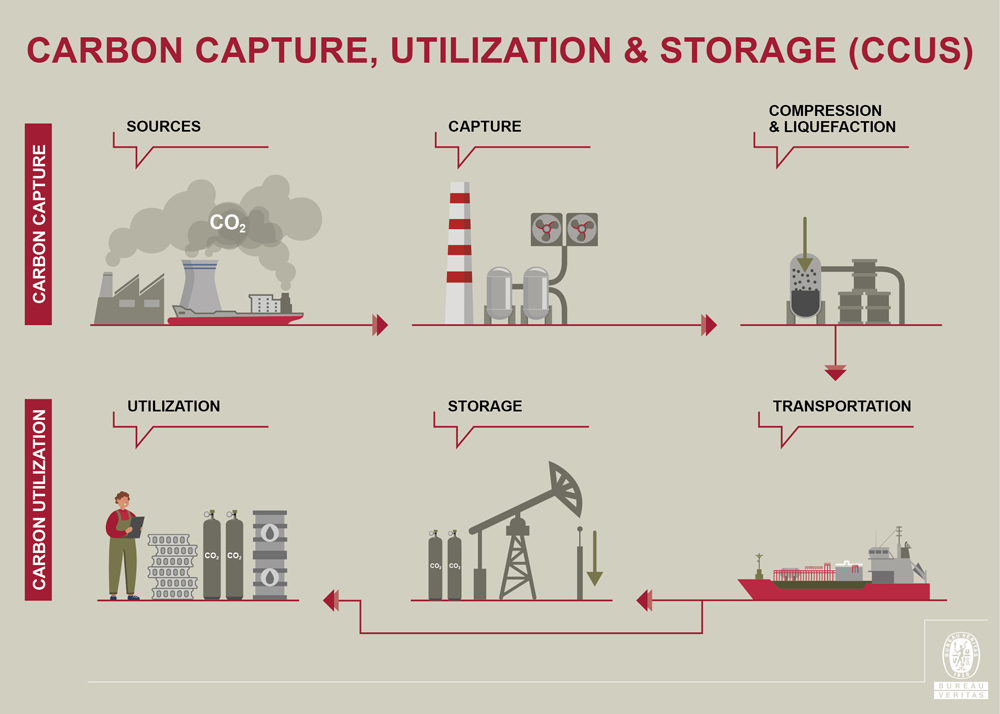
Overview of Carbon Capture, Utilization, and Storage (CCUS) process — a core pillar of the majors’ low-carbon molecule strategy, showing capture, transport, utilization, and offshore storage pathways.
Why the Majors Are Pivoting to Molecules
The energy transition is not only about electrons (renewable electricity and batteries). Many sectors require high-energy-density, easily transportable molecules. Low-carbon molecules offer a practical bridge:
- Blue Hydrogen & Ammonia: Produced from natural gas with CCUS — a lower-carbon option that utilizes existing gas assets and infrastructure.
- Green Hydrogen: Generated via electrolysis using renewable power, often for export or industrial clusters.
- Methanol & e-Fuels: Drop-in liquid fuels for shipping and aviation with significantly reduced lifecycle emissions.
- CCUS: Capturing CO₂ from industrial sources or power plants and either storing it permanently or using it productively.
Majors such as TotalEnergies, Shell, bp, Chevron, and ExxonMobil are balancing traditional upstream growth with targeted investments in these areas, using their capital strength and engineering know-how to scale projects that would be difficult for pure-play renewable companies.Blue hydrogen production facility with large storage tanks — majors are scaling blue hydrogen projects tied to CCUS to decarbonize while utilizing existing natural gas resources.
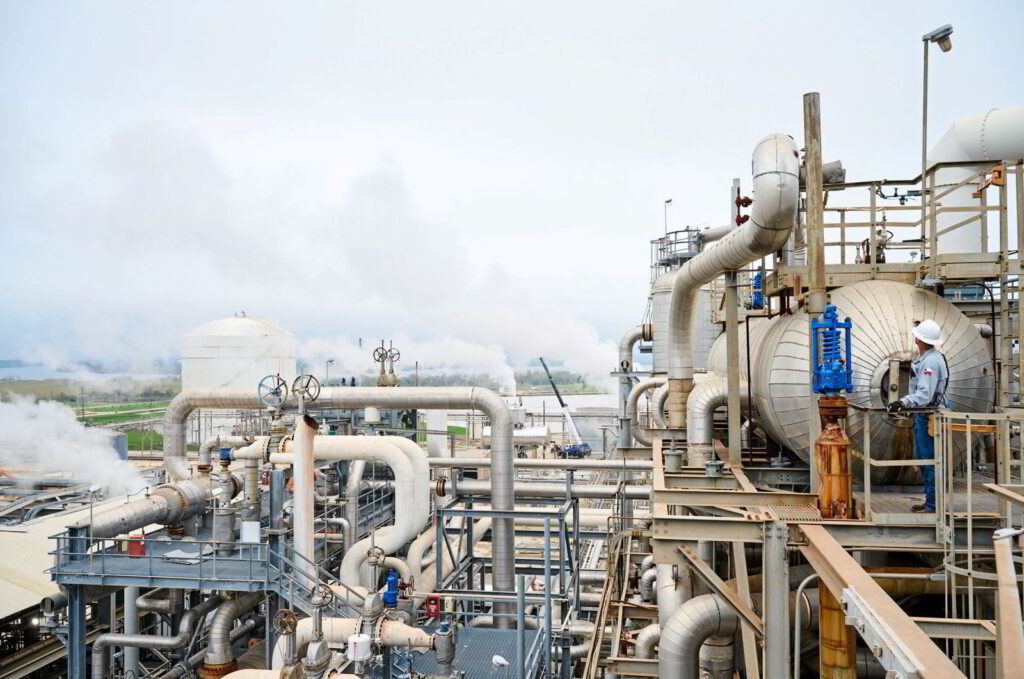
Large-scale industrial facility for blue ammonia or hydrogen production -a growing focus for oil majors transitioning beyond traditional crude oil refining.
Offshore Pipeline and Midstream Implications
The pivot to low-carbon molecules has direct consequences for offshore infrastructure:
- Asset Repurposing: Existing natural gas pipelines are being evaluated for hydrogen blending (typically up to 20% initially) or full conversion. CO₂ pipelines for CCUS are expanding rapidly in the Gulf of Mexico, North Sea, and other basins.
- Material and Integrity Challenges: Hydrogen embrittlement and CO₂ corrosion require careful material selection, advanced coatings, clad pipe, or mechanically lined pipe solutions.
- Flow Assurance Adjustments: Hydrogen’s lower density and different compressibility demand updates to compression, metering, and leak detection systems.
- New Hub Concepts: Offshore and coastal terminals are evolving into multi-product hubs capable of handling LNG, ammonia, methanol, and future hydrogen carriers.
- Tieback and Platform Integration: New subsea tiebacks and platform modifications increasingly include provisions for low-carbon molecule transport or on-platform CCUS readiness.
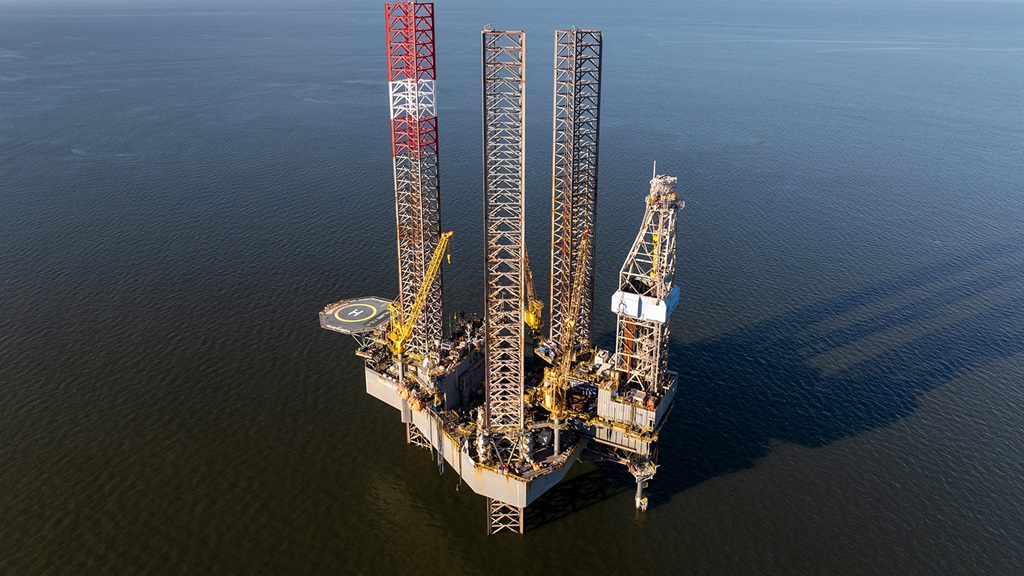
Offshore platform complex supporting CCUS initiatives in the US Gulf Coast — majors are repurposing and upgrading existing structures for carbon storage and low-carbon molecule projects.
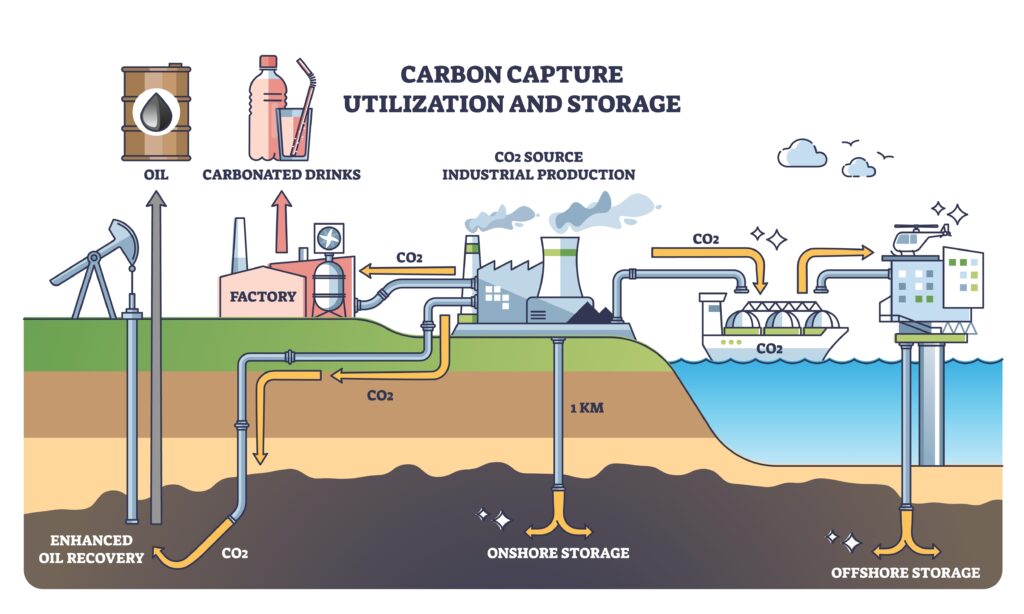
Schematic showing offshore CO₂ storage as part of CCUS — a key enabler for blue hydrogen and ammonia production while extending the life of offshore assets.
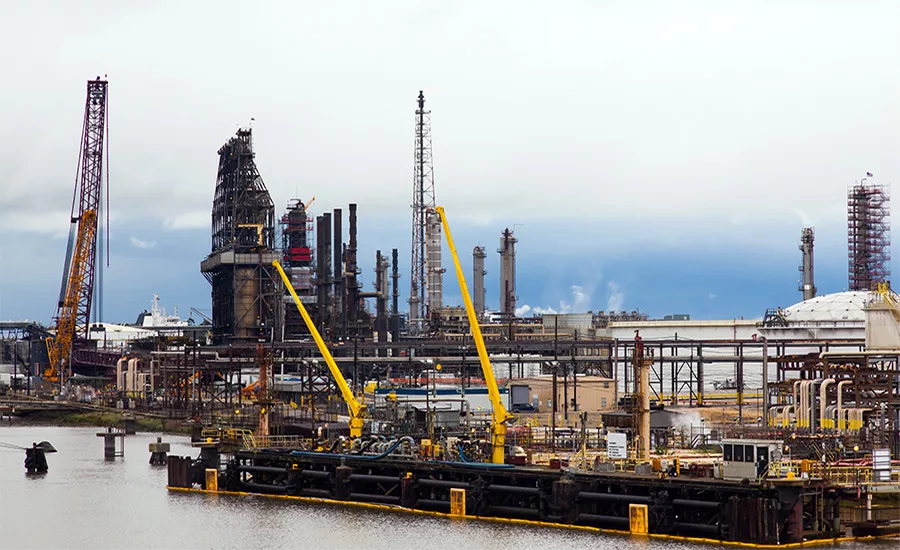
Large-scale blue hydrogen and ammonia project under development — illustrating the scale of infrastructure majors are building to move beyond traditional oil refining.
Challenges and Realistic Outlook
- Economics: Many blue hydrogen and CCUS projects still require policy support, carbon pricing, or long-term offtake agreements to reach final investment decision (FID).
- Technical Hurdles: Repurposing pipelines at scale demands extensive integrity testing and regulatory approvals.
- Demand Certainty: Industrial offtakers need confident long-term supply before committing.
- Safety: Hydrogen and ammonia introduce new handling, storage, and safety considerations offshore.
Despite these challenges, 2026 marks a pragmatic acceleration. Oil majors are using their existing offshore platforms, pipelines, and operational expertise to make low-carbon molecules a scalable part of the energy mix.
Looking Ahead
The winners will be those who successfully integrate molecules with electrons while maintaining strong cash flow from traditional operations. For pipeline engineers, this shift creates new opportunities in material innovation, integrity management, flow assurance, and system repurposing.
What low-carbon molecule projects or pipeline repurposing initiatives are you tracking most closely in 2026? How do you see existing offshore infrastructure evolving to support hydrogen, ammonia, or CCUS transport?