The subsea industry is undergoing a quiet revolution. Traditional hydraulic control systems — dominant for decades — are increasingly giving way to all-electric subsea systems. This shift promises simpler designs, lower costs, faster response times, and major environmental gains, especially critical for deeper waters, longer tie-backs, and HPHT developments.
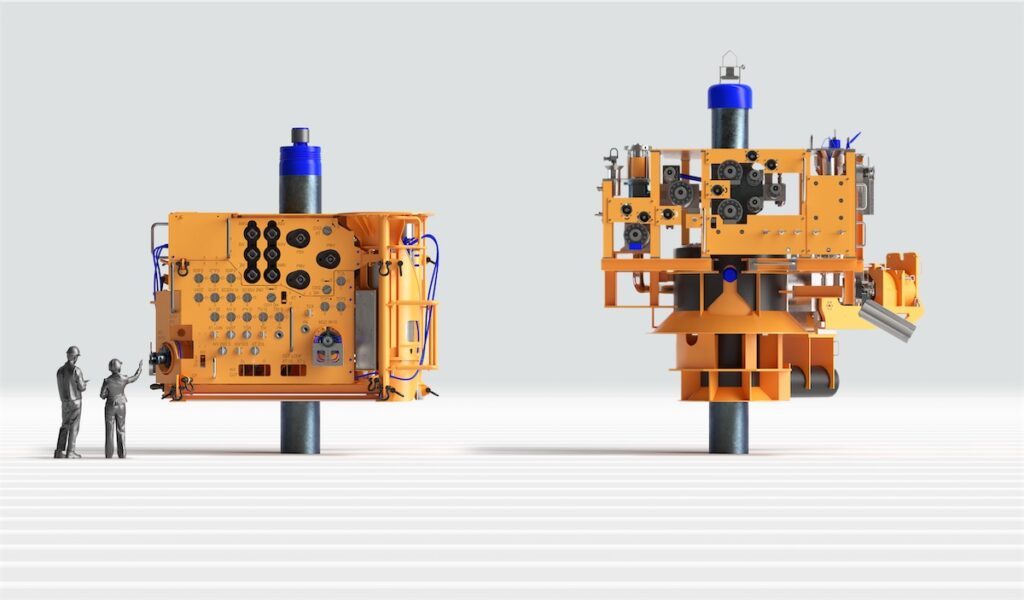
Understanding the Traditional Hydraulic SystemSubsea production systems have long relied on electro-hydraulic multiplexed controls. Hydraulic fluid is pressurized topside in a Hydraulic Power Unit (HPU), sent through umbilicals to actuators on trees, manifolds, and valves. Spring-return mechanisms provide fail-safe closure.Limitations of Hydraulic Systems:
- Long response times (minutes to hours) due to fluid compressibility and friction in long umbilicals.
- Risk of hydraulic fluid leaks — environmental and regulatory headaches.
- Complex umbilicals (larger, heavier, more expensive).
- Higher maintenance and intervention needs.
- Limited scalability for ultra-long tie-backs or deepwater.
What Is an All-Electric Subsea System?
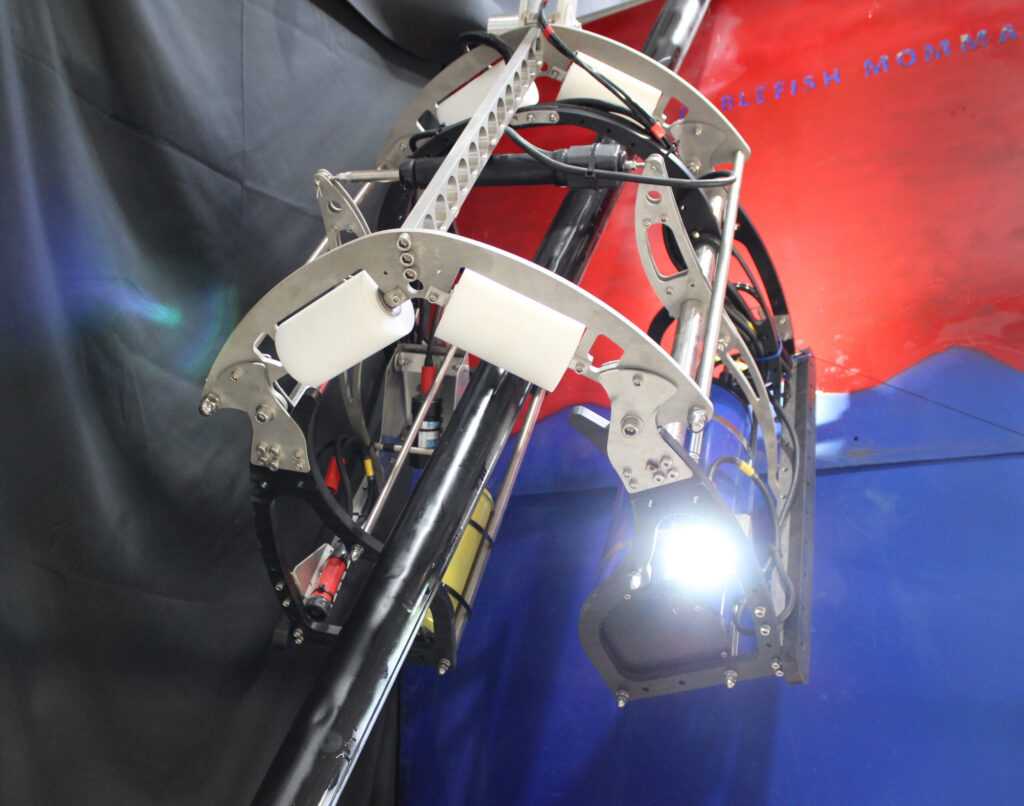
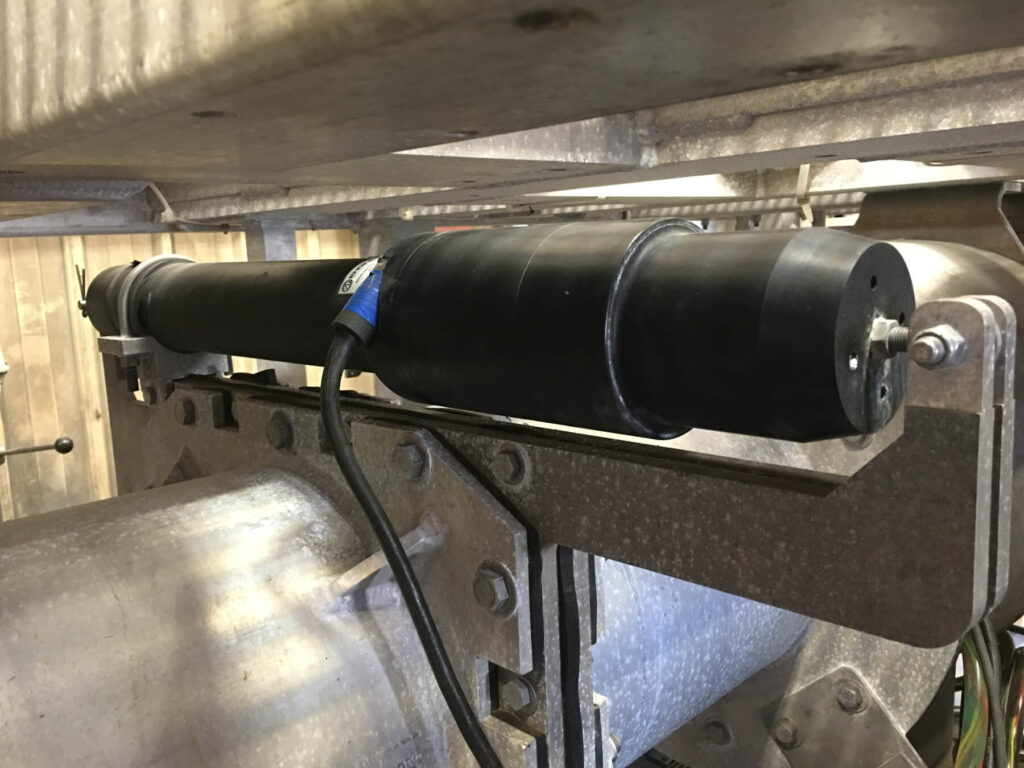
All-electric systems replace hydraulic actuators with electric motors, gears, and power electronics. Power and control signals travel via electrical/fiber-optic cables only. No hydraulic fluid, no HPU, and no fluid-related failure modes.Electric actuators deliver precise, fast motion directly at the valve. Many incorporate battery backup or mechanical springs for fail-safe operation.
Head-to-Head Comparison: Hydraulic vs. Electric Actuators
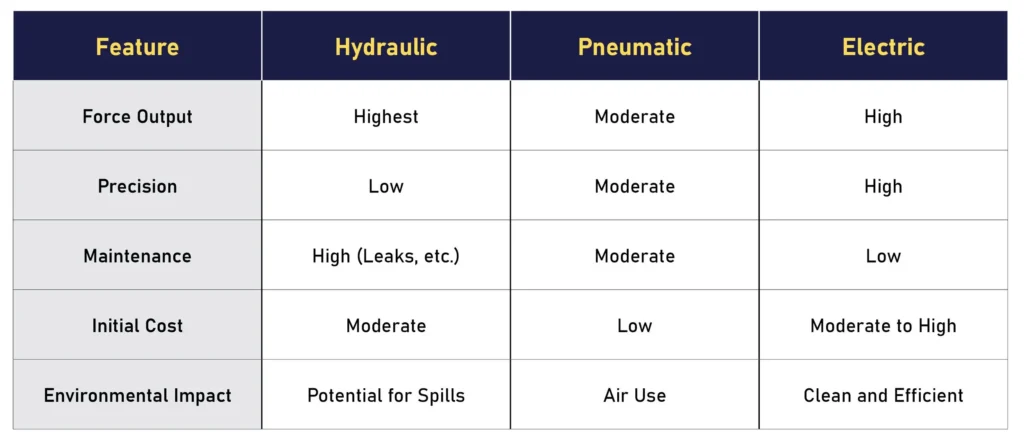
| Aspect | Hydraulic Actuator | Electric Actuator | Winner |
|---|---|---|---|
| Response Time | Minutes to hours (fluid travel) | Seconds (up to 200x faster) | Electric |
| Efficiency | 40-55% | 75-80%+ (energy only when moving) | Electric |
| Environmental Impact | Fluid leak risk, discharge | Zero fluid, lower CO₂ footprint | Electric |
| Umbilical Design | Large, heavy, complex | Smaller, lighter, cheaper | Electric |
| Maintenance | High (fluid top-ups, leaks) | Low (fewer moving parts, condition monitoring) | Electric |
| Tie-Back Distance | Limited by pressure drop | Less critical — power transmission efficient | Electric |
| Precision & Control | Moderate | High (position, speed, force feedback) | Electric |
| Initial Cost | Lower per unit, but higher system cost | Higher upfront, lower lifecycle cost | Electric (LCC) |
Key Advantages Driving Adoption in 2026
- Cost Savings — Smaller umbilicals and lighter structures reduce CAPEX. Fewer interventions cut OPEX. Projects with long tie-backs become more viable.
- Faster, More Intelligent Operations — Real-time actuation enables dynamic reservoir management and frequent optimization.
- Environmental & Regulatory Wins — Elimination of hydraulic fluid aligns with stricter ESG standards and net-zero goals.
- Reliability in Extreme Conditions — Better suited for HPHT, ultra-deepwater, and remote fields. Fewer failure modes.
- Digital Integration — Native support for sensors, AI-driven monitoring, and predictive maintenance.
Real-World Momentum:
- Equinor and partners have deployed all-electric trees.
- Major suppliers (OneSubsea/SLB, TechnipFMC, Bosch Rexroth eSEA portfolio) offer mature electric actuator lines.
- Drop-in electric actuators allow retrofits on existing hydraulic trees.
Challenges and Considerations
- Power Delivery — Requires reliable subsea power distribution (batteries or local generation for longer step-outs).
- Fail-Safe Mechanisms — Electric systems use springs, capacitors, or redundant motors to match hydraulic safety.
- Maturity — While proven in pilots, full-field all-electric deployments are still scaling in 2026.
- Upfront Investment — Higher actuator cost offset by system-level savings.
The Future: All-Electric as Standard
By the late 2020s, all-electric is expected to dominate new subsea developments, especially in frontier regions like Guyana, Brazil pre-salt, and the North Sea. Combined with digital twins and autonomous intervention, it supports longer asset life and lower carbon operations.
For subsea engineers and project developers, understanding this transition is no longer optional — it’s essential for competitive bidding and field optimization.
By Oko Immanuel, M.Eng
Founder, Offshore Pipeline Insight | Subsea Engineering Specialist Sources: Industry reports, OnePetro, supplier technical papers, and 2026 project updates.