The offshore oil and gas industry in mid-2026 is in a phase of selective but powerful growth. While capital discipline and cost control remain dominant themes, the South Atlantic — led by Guyana and Brazil — is delivering some of the strongest production ramps globally. For subsea engineers, pipeline specialists, and HPHT professionals, this creates exciting opportunities in long tie-backs, advanced boosting systems, and resilient infrastructure.
1. Guyana: The Star Performer of 2026
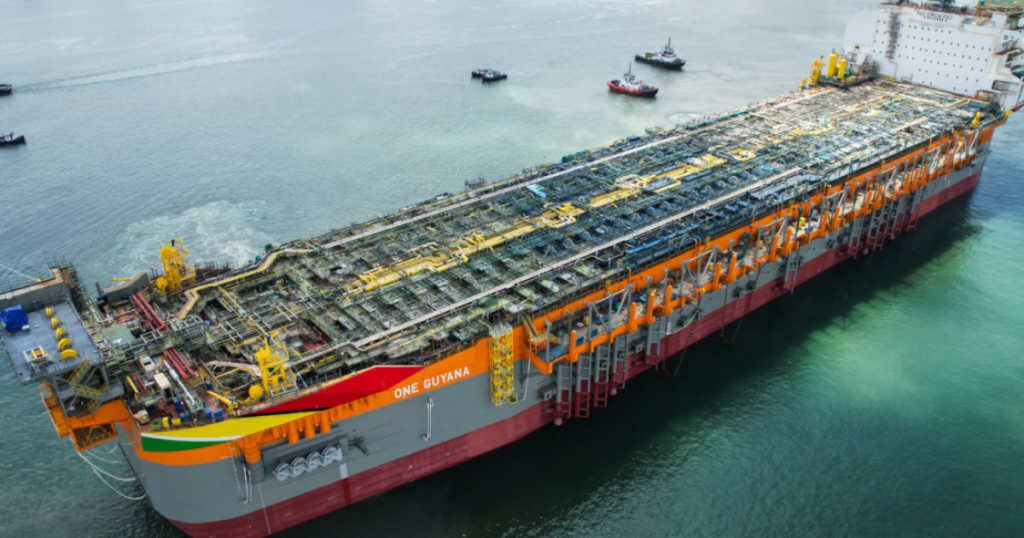
Guyana’s Stabroek Block continues its remarkable rise. Operated by ExxonMobil with partners Hess and CNOOC, production has surpassed 900,000 barrels per day in 2026. The sixth FPSO, Uaru, is ramping up and expected to add another ~250,000 bpd. Several more FPSOs are under construction or installation, positioning Guyana to reach 1.2 million barrels per day by late 2027 or early 2028.This rapid development is creating substantial demand for subsea and pipeline infrastructure:
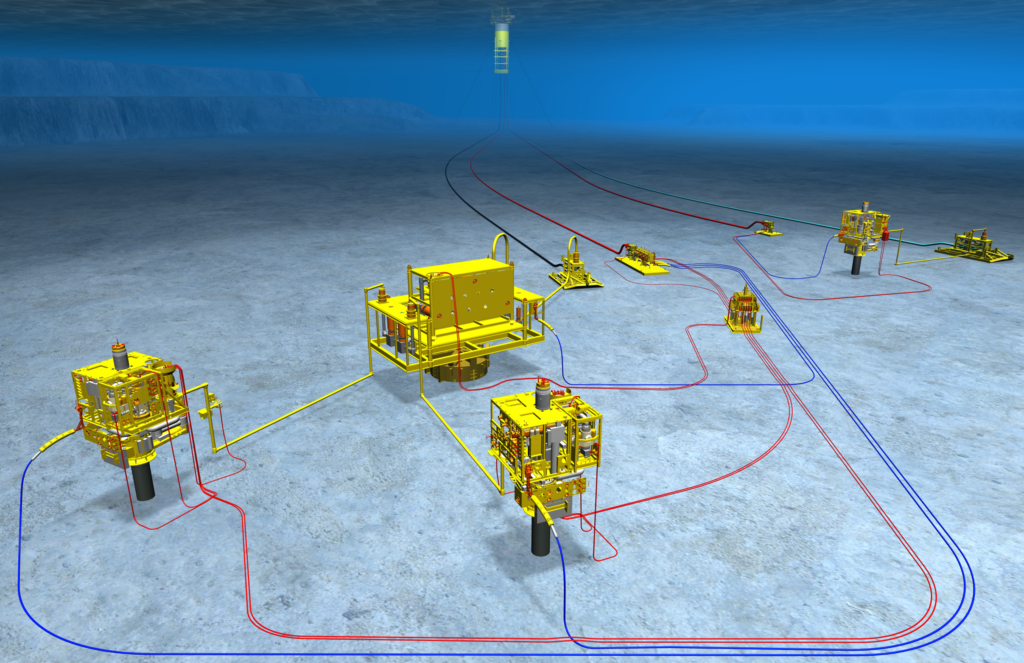
- Extended tie-backs (15–30+ km)
- HPHT flowlines and risers
- Advanced subsea boosting and all-electric control systems
- Sophisticated flow assurance solutions for longer distances
Guyana’s success is transforming the country into a major oil exporter, particularly to Asia, and setting new benchmarks for deepwater project execution speed and efficiency.
2. Brazil: Pre-Salt Dominance Continues
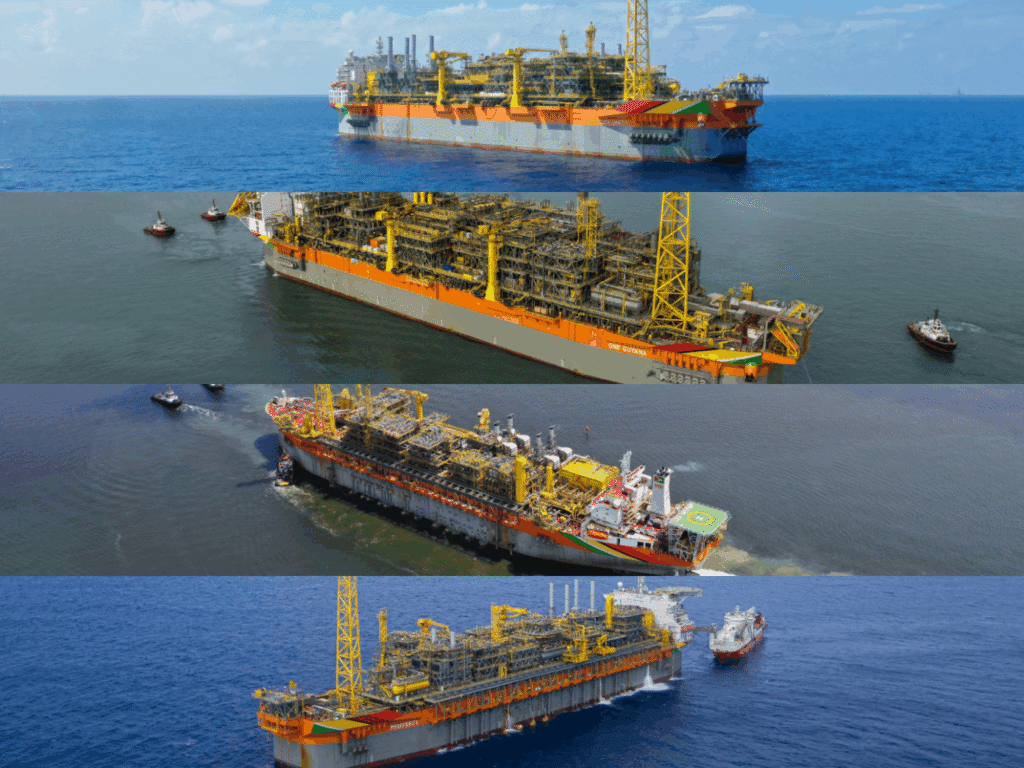
Brazil remains one of the strongest offshore growth stories. Pre-salt developments in the Santos and Campos Basins are pushing national output toward 4.0 million barrels per day in 2026. New FPSOs at Buzios, Mero, and Bacalhau are delivering excellent performance, with Petrobras and international partners focusing on standardized, replicable subsea designs to control costs.Key trends in Brazil include:
- Increased use of subsea boosting and processing systems
- Longer tie-backs from new discoveries
- Growing adoption of all-electric and hybrid subsea technologies
- Focus on brownfield optimization and life extension of existing infrastructure
3. HPHT & Deepwater Technology Breakthroughs
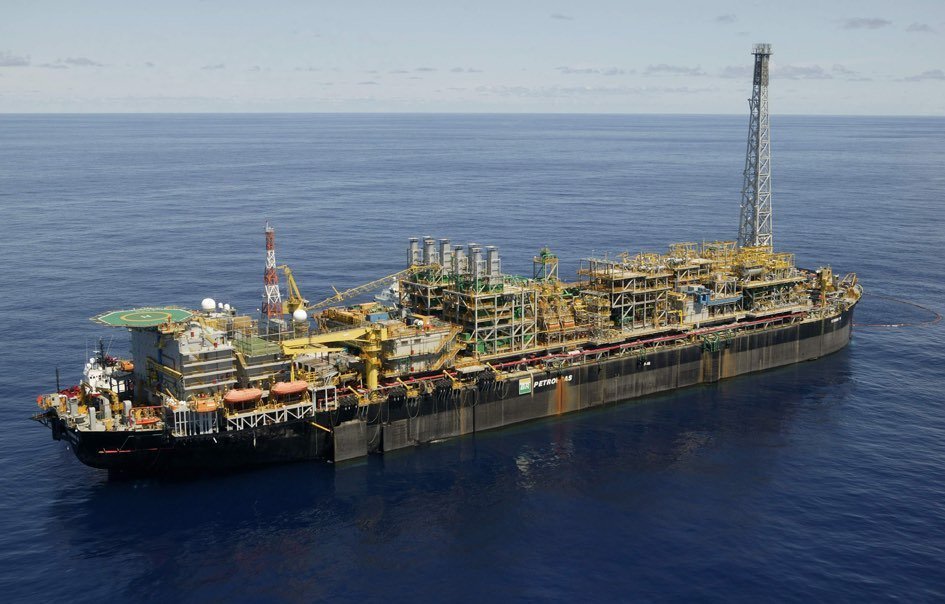
The industry’s move into harsher environments is driving significant technology progress:
- SLB OneSubsea recently secured a major contract for a high-pressure, high-temperature (HPHT) multiphase subsea boosting system rated above 15,000 psi for the Shenandoah project in the US Gulf of Mexico — a milestone for ultra-deep, high-pressure fields.
- All-electric subsea production systems are gaining traction for new tie-backs due to faster response times, reduced umbilical complexity, and improved environmental performance.
- Hybrid flexible pipes, advanced insulation materials, and next-generation digital twins are becoming standard on complex projects.
These innovations are particularly important for longer step-outs and marginal field developments where traditional solutions become uneconomic.
4. Industry Consolidation & Its Impact
Mergers and acquisitions remain active as companies seek scale, technology portfolios, and financial strength:
- Transocean’s $5.8 billion acquisition of Valaris (pending approval) would create the world’s largest offshore drilling contractor.
- Services sector consolidation (e.g., Schlumberger-ChampionX and Subsea7-Saipem developments) is reshaping contractor capabilities.
For subsea and pipeline professionals, this means larger integrated contracts, higher technical standards, and greater demand for specialists in HPHT design, subsea power distribution, and digital integrity management.
5. Exploration Outlook & Energy Security Focus
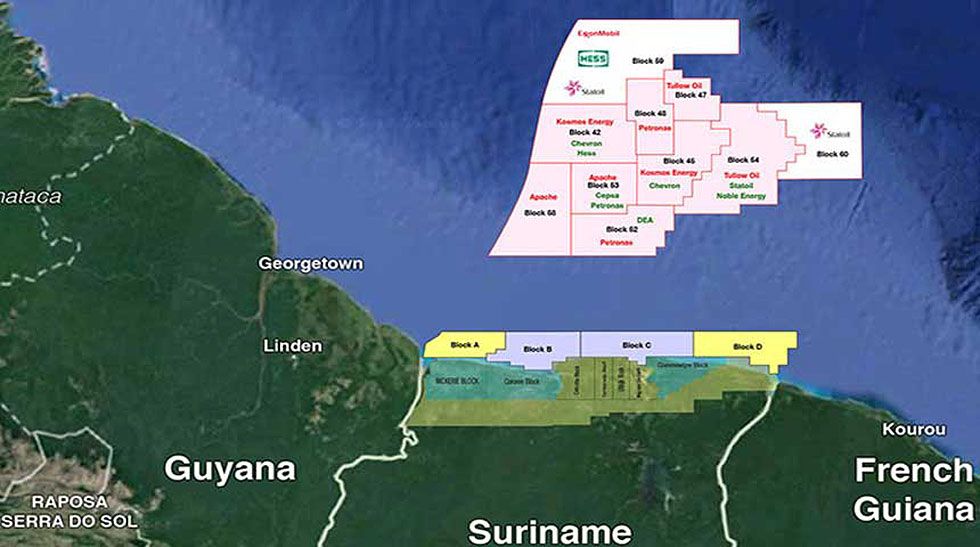
Around 65 high-impact exploration wells are planned globally in 2026, with key activity in Namibia, the Guyana-Suriname basin extension, and parts of Africa and Asia-Pacific. Many of these prospects will require advanced subsea tie-back solutions if successful.
The temporary disruption in the Strait of Hormuz earlier this year continues to influence strategic thinking, driving interest in:
- Regional supply diversification
- Robust subsea export infrastructure
- Brownfield life extension projects
Outlook for Subsea & Pipeline Specialists
2026 is shaping up as a year of high-value, technically demanding projects rather than blanket activity.
The South Atlantic boom, combined with ongoing technology advances in HPHT and all-electric systems, creates strong opportunities for engineers skilled in:
- Long-distance tie-backs and flow assurance
- HPHT pipeline design and buckling mitigation
- Subsea power distribution and all-electric architectures
- Digital twins and predictive integrity management
Key takeaway: While the industry remains disciplined, the projects moving forward are larger, more complex, and longer-life. This environment rewards deep technical expertise and innovation.The offshore sector in 2026 is not about volume — it is about quality, resilience, and smart execution. For those prepared with the right skills and solutions, this is a period of genuine opportunity.
By Oko Immanuel, M.Eng
Founder, Offshore Pipeline Insight | Subsea Engineering Specialist
May 08 2026