The offshore exploration sector is entering the second half of 2026 with a focused and disciplined strategy. Leading analysts report that operators worldwide plan to drill approximately 65 high-impact exploration wells this year. These are prospects with the potential to discover over 100 million barrels of oil equivalent — wells that could significantly expand the future pipeline of subsea developments and pipeline infrastructure.This selective approach balances capital discipline with high-potential opportunities in frontier and emerging basins.
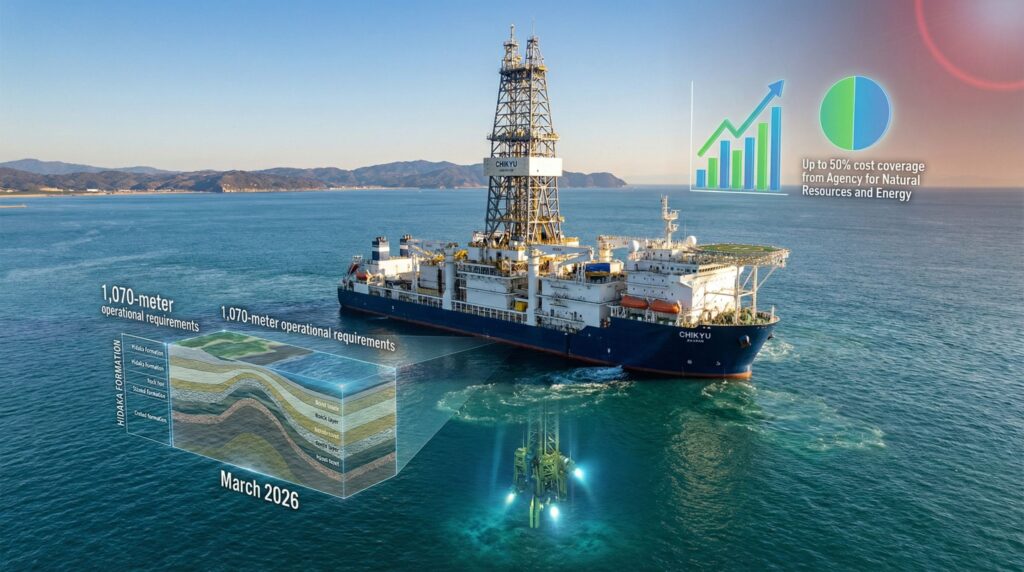
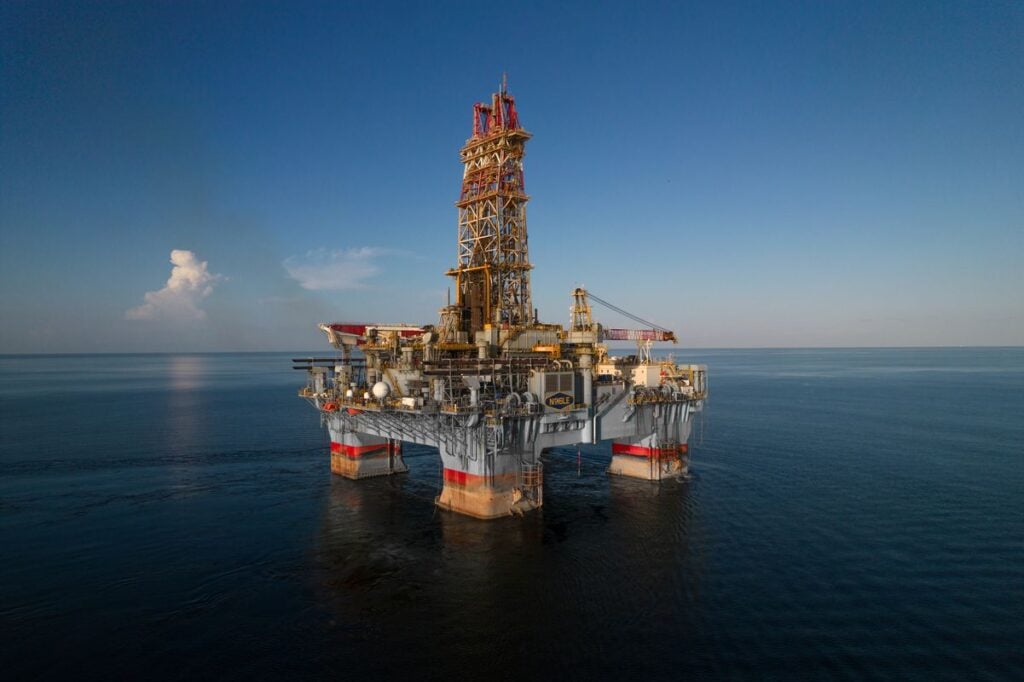
Global Exploration Landscape in 2026
High-impact drilling activity is concentrated in regions with proven prospectivity and frontier upside:
Global Exploration Landscape in 2026High-impact drilling activity is concentrated in regions with proven prospectivity and frontier upside:
| Region | Estimated High-Impact Wells | Primary Hotspots | Development Potential |
|---|---|---|---|
| Africa | ~19 | Namibia (Orange Basin), Angola, Ghana/Ivory Coast | Very High (Frontier) |
| South America | ~15 | Guyana, Brazil (pre-salt & equatorial), Suriname | Extremely High |
| Asia-Pacific | ~10–12 | Indonesia, India, Australia | Moderate to High |
| Europe & Others | ~10–15 | Black Sea, Mediterranean, Mexico | Moderate |
These wells are not only about new discoveries — they directly feed the future pipeline of subsea tie-backs, flow lines, export pipelines, and HPHT infrastructure that your audience designs and engineers.
Africa: Frontier Leadership with High Expectations
Africa leads global high-impact exploration in 2026. The Orange Basin offshore Namibia remains one of the most exciting plays on the planet.
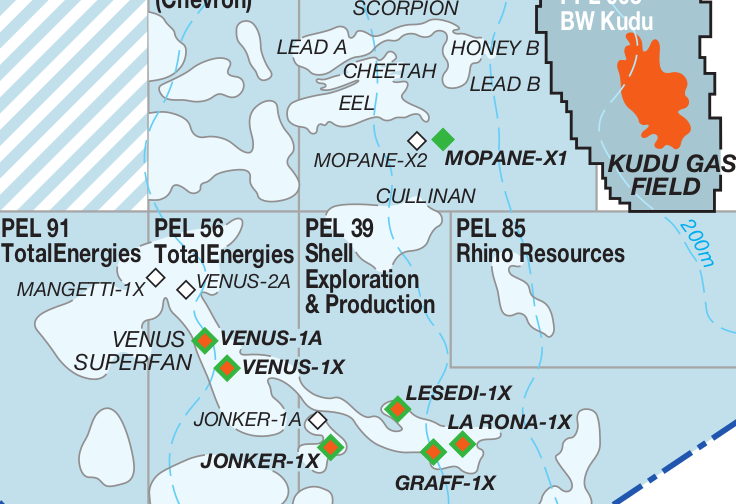
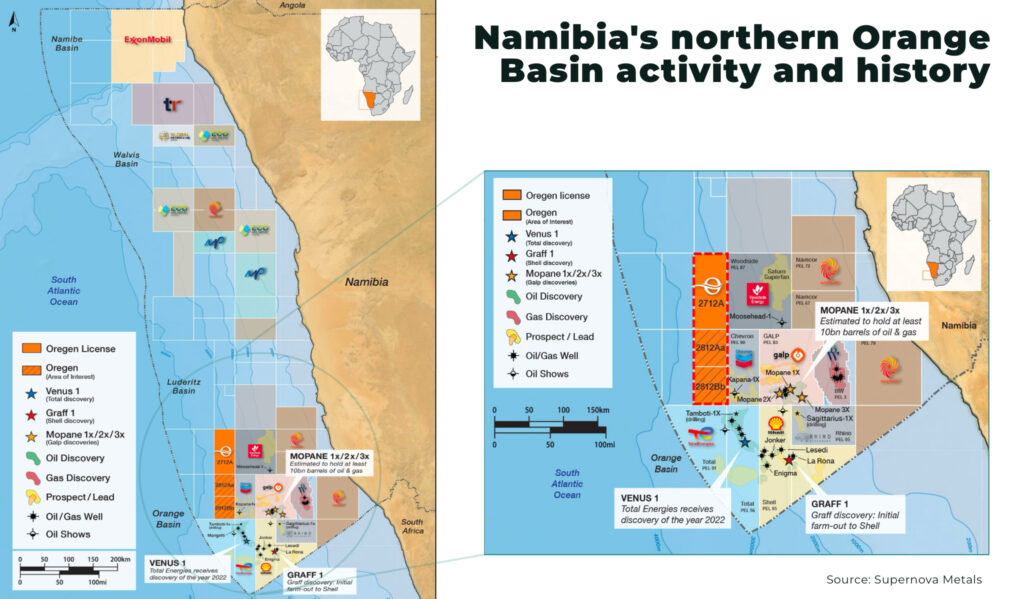
Key campaigns include:
- Multiple wells in Namibia’s Orange Basin, building on earlier major discoveries
- Chevron’s Gemsbock well in the Walvis Basin — the first in the area since 2018
- Murphy Oil’s campaign in the Tano-Ivorian Basin (Ghana/Ivory Coast)
- Prospects by Eni (Libya), TPAO (Somalia), Shell, and Azule (Angola)
Success here would trigger substantial subsea and pipeline developments, including long-distance tie-backs in ultra-deep water.
South America: The Powerhouse of Consistent Success
The Guyana-Suriname Basin and Brazil’s margins continue to deliver world-class results.
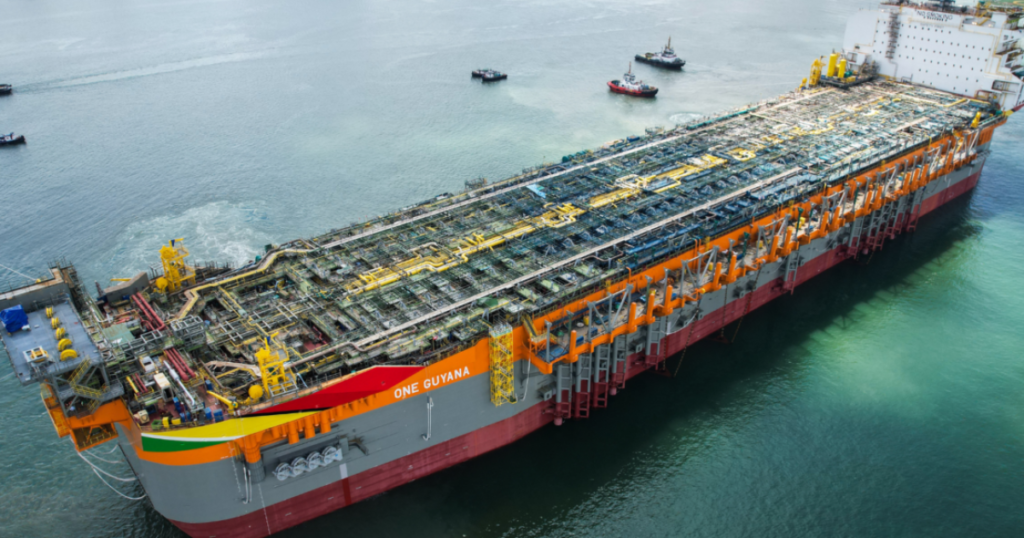
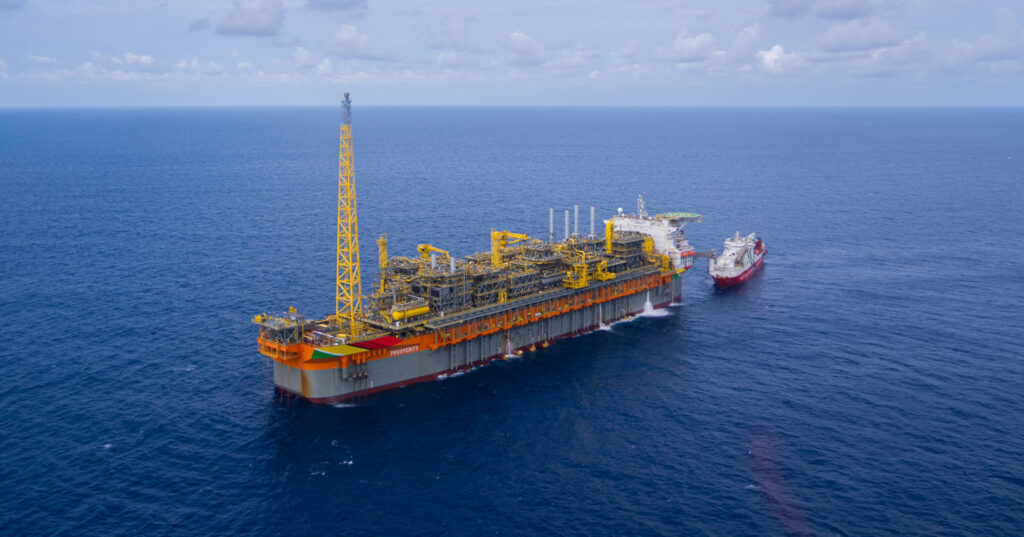
In Guyana’s Stabroek Block, ExxonMobil and partners are drilling near-field and frontier prospects that can be rapidly tied back to existing FPSOs. Brazil is testing high-potential wells in the Santos, Campos, and emerging Pelotas Basins. These discoveries typically translate into immediate pipeline and subsea opportunities due to proximity to existing infrastructure.
Asia-Pacific and Broader Frontiers
Activity in Indonesia, India, Malaysia, and Australia adds geographic balance. Selective wells in the Eastern Mediterranean and Gulf of Mexico further diversify the 2026 portfolio.
From Exploration Success to Pipeline Reality
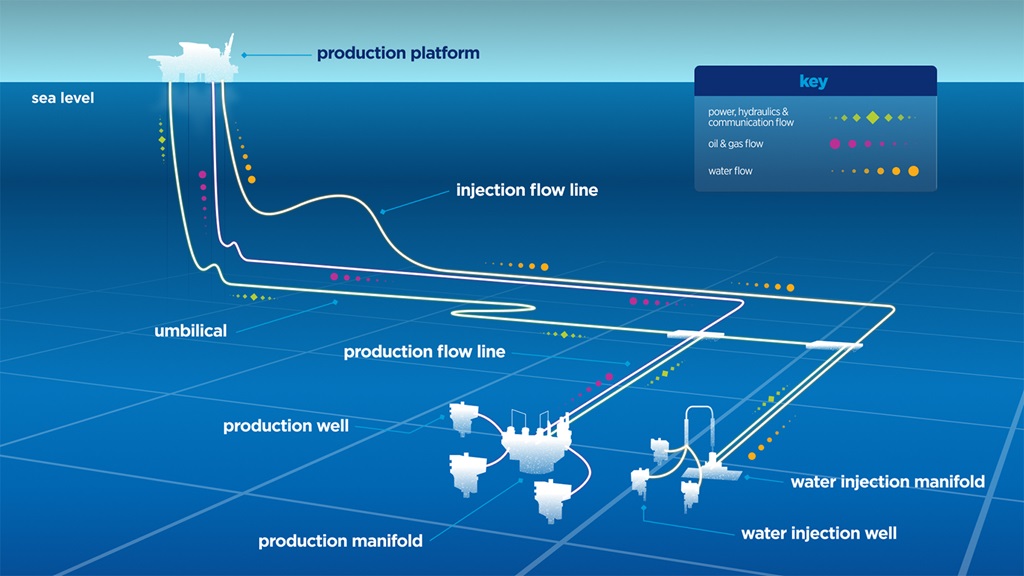
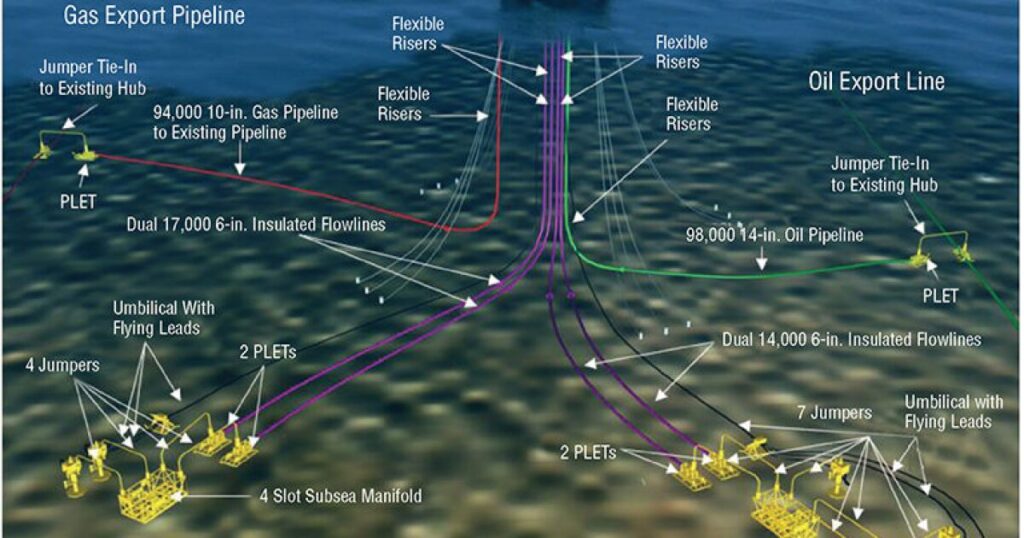
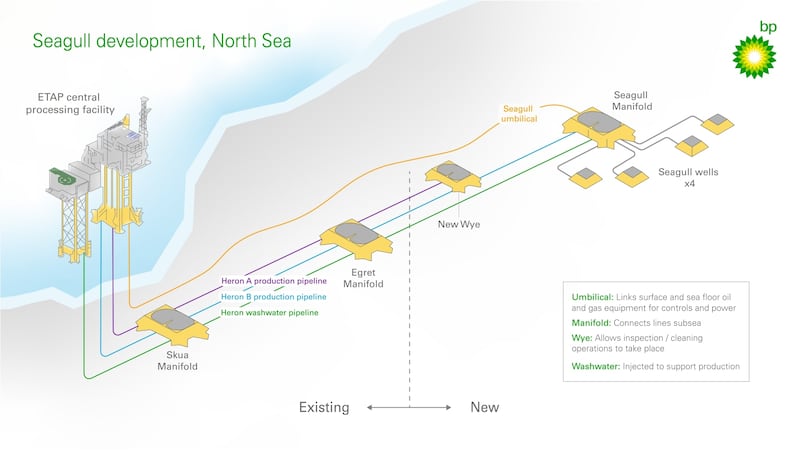
Every commercial discovery in 2026 will require new or expanded subsea and pipeline infrastructure. This creates strong demand in your core topics:
- Longer Tie-Backs — Many fields will connect via 20–50+ km flowlines to existing hosts.
- HPHT Pipeline Design — Frontier reservoirs often feature extreme pressures and temperatures, demanding advanced materials and buckling mitigation.
- Flow Assurance Solutions — Sophisticated insulation, electric heating, and chemical injection systems become essential.
- All-Electric Subsea Systems — Faster control and reduced OPEX for long step-outs.
Technology Enablers in 2026 Exploration
Modern exploration benefits from:
- High-resolution 4D seismic and ocean-bottom node acquisition
- Real-time geosteering and advanced LWD tools
- AI-powered prospect ranking and drilling optimization
- Improved HPHT drilling fluids and managed pressure drilling
These technologies increase success rates while lowering geological risk.
Key Challenges Facing 2026 Campaigns
- Ultra-deepwater well costs often exceed $100–200 million
- Supply chain pressures for specialized rigs and equipment
- Regulatory and geopolitical uncertainties
- Competition for capital with other energy sectors
Operators that execute efficiently will reap the greatest rewards.
Outlook: Seeding the 2028–2032 Development Wave
The 65 high-impact wells of 2026 represent the foundation for the next cycle of offshore development. Successful discoveries — particularly in Namibia, Guyana, and Brazil — will drive demand for:
- Advanced subsea tie-back systems
- HPHT-rated pipelines and risers
- Enhanced flow assurance and digital monitoring
- Integrated project delivery by larger consolidated contractors
For subsea pipeline engineers, materials specialists, and flow assurance experts, this creates sustained opportunities through the end of the decade.
Bottom Line for 2026
The offshore industry is pursuing selective, high-quality growth. Strong momentum continues in Guyana and Brazil, HPHT and all-electric technologies are advancing rapidly, consolidation is building stronger execution capability, and energy security remains a top priority.The exploration wells drilled this year are the seeds of tomorrow’s subsea tie-backs, flowlines, and export pipelines. The future pipeline looks promising for those prepared with deep technical expertise.
By Oko Immanuel, M.Eng
Founder, Offshore Pipeline Insight | Subsea Engineering Specialist
May 12. 2026