
Written by Oko
Founder, Offshore Pipeline Insight
May 24, 2026
As the industry accelerates plans to repurpose existing subsea pipelines for hydrogen transport, hydrogen embrittlement (HE) has emerged as one of the most serious technical risks.
Many pipelines were designed and built for natural gas or oil, not for hydrogen, which behaves very differently at the atomic level.Understanding and mitigating hydrogen embrittlement is now a top priority for operators, engineering firms, and regulators.
What Is Hydrogen Embrittlement?
Hydrogen embrittlement is a phenomenon where atomic hydrogen diffuses into the metal lattice of steel, making it brittle and significantly reducing its ductility and fracture toughness. This can lead to sudden, catastrophic failures under stress — often with little or no visible warning.
There are three main types relevant to pipelines:
- Hydrogen Induced Cracking (HIC)
- Sulfide Stress Cracking (SSC)
- Hydrogen Stress Cracking (HSC)
In gaseous hydrogen service, the risk is particularly high under high pressure and cyclic loading — conditions common in offshore pipelines.
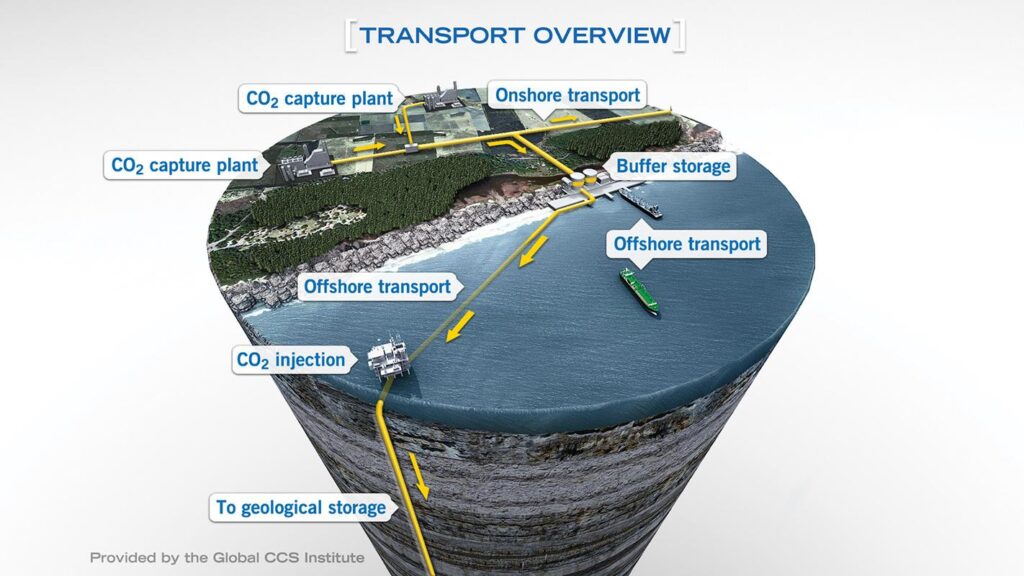
Hydrogen Diffusion into Steel Microstructure Illustration showing how hydrogen atoms penetrate the metal lattice, leading to embrittlement.
Why Offshore Pipelines Are Especially Vulnerable :
Many existing subsea pipelines were built using carbon-manganese steels that are susceptible to hydrogen embrittlement.
Key risk factors include:
- High Operating Pressure — Hydrogen transport often requires pressures above 100 bar, accelerating diffusion.
- Cyclic Loading — Wave action, vortex-induced vibration, and pressure fluctuations increase fatigue crack growth rates.
- Weld Zones — Heat-affected zones (HAZ) in girth welds are particularly vulnerable.
- Residual Stresses — From installation and long-term seabed movement.
- Impurity Effects — Even small amounts of contaminants (H₂S, CO₂, moisture) can dramatically worsen embrittlement.


ROV Inspecting Subsea Pipeline Weld — Critical areas where hydrogen embrittlement often initiates.
Real-World Implications for Repurposing : Operators evaluating pipeline repurposing for 100% hydrogen or high-blend service must address:
- Material Compatibility Assessment — Not all API 5L grades are suitable. Higher-strength steels (X65 and above) are generally more susceptible.
- Fracture Mechanics Analysis — Traditional design codes may not be sufficient; advanced testing (e.g., fracture toughness in hydrogen environments) is required.
- Coating and Lining Options : Internal polymer liners or barriers are being studied to reduce hydrogen contact with steel.
- Blending Limits — Many operators are starting with 5–20% hydrogen blends, which carry lower (but still significant) risks.
Mitigation Strategies Being Used in 2026
- Detailed Integrity Assessments : Using intelligent pigging, fiber-optic sensing, and digital twins to baseline current condition.
- Material Testing in Hydrogen : Specialized labs now perform slow strain rate testing (SSRT) and fatigue crack growth rate tests in pressurized hydrogen.
- Operational Controls — Limiting pressure cycling, maintaining strict dryness, and using inhibitors.
- New Materials & Designs — Exploring higher-alloy steels, composite repairs, or new-build hydrogen-ready pipelines where repurposing is not feasible.
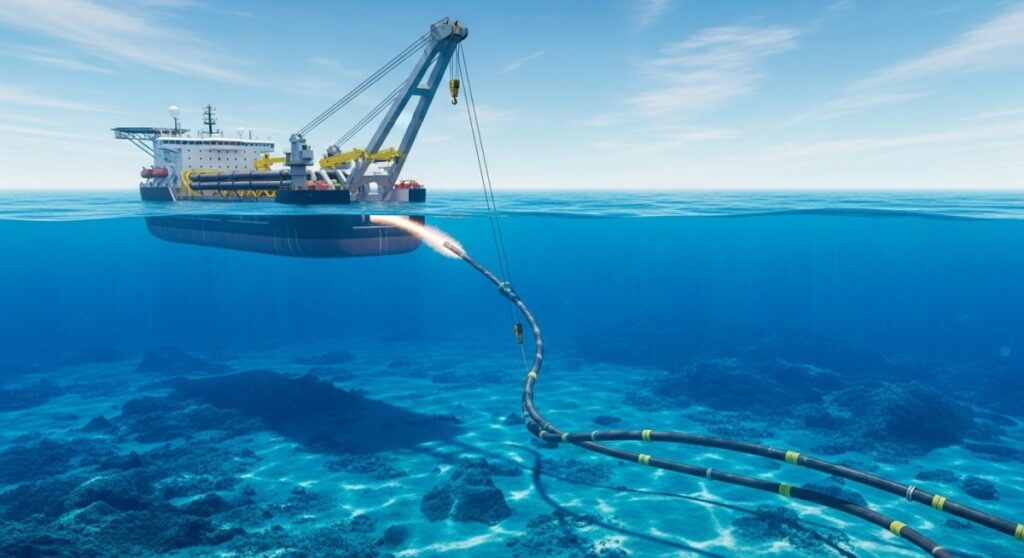
Offshore Pipeline Installation — New projects are increasingly designed with hydrogen compatibility in mind.
The Regulatory and Industry Response
- The UK North Sea Transition Authority (NSTA) and HSE now require detailed hydrogen embrittlement risk assessments for repurposing projects.
- DNV, ABS, and Bureau Veritas have released updated guidelines for hydrogen transport in existing pipelines.
- Major operators (Shell, BP, TotalEnergies, Equinor) are running large-scale testing programs.
What This Means for Pipeline Professionals
Hydrogen embrittlement expertise is becoming a highly sought-after skill.
Demand is rising for:
- Materials and corrosion engineers
- Fracture mechanics specialists
- Integrity management professionals with hydrogen experience
- Flow assurance engineers familiar with hydrogen behavior
Conclusion
Hydrogen embrittlement is not a theoretical risk — it is a real, technical barrier that must be carefully managed if we want to successfully repurpose aging subsea pipelines for the hydrogen economy.While full decommissioning remains necessary in some cases, smart repurposing with rigorous assessment can deliver huge cost savings and accelerate the energy transition. The operators and engineers who master hydrogen compatibility will lead the next chapter of offshore infrastructure.
The question is no longer whether we will transport hydrogen offshore — but whether we can do it safely using the infrastructure we already have.
The NSTA now requires operators to thoroughly evaluate <a href="https://offshorepipelineinsight.com/subsea-pipeline-decommissioning-vs-repurposing/">decommissioning versus repurposing</a> options before approving full removal of aging pipelines.

A major technical challenge highlighted by the NSTA is <a href="https://offshorepipelineinsight.com/hydrogen-embrittlement-risks/">hydrogen embrittlement</a>, which must be carefully managed when repurposing existing pipelines for hydrogen transport.

The NSTA strongly encourages the use of <a href="https://offshorepipelineinsight.com/ai-digital-twins-subsea-pipelines/">AI-powered digital twins</a> for better integrity management and predictive maintenance of subsea assets.