Written by Oko
Founder, Offshore Pipeline Insight
May 30, 2026
Repurposing existing offshore pipelines for carbon capture, utilization, and storage (CCUS) and hydrogen transport is one of the fastest-growing segments in the subsea sector. It offers massive cost savings (often 30–60% cheaper than new-build lines) while helping operators meet net-zero targets. However, these projects require specialized financing because of new technical risks and evolving regulatory frameworks.In 2026, operators are using increasingly sophisticated blended finance structures to make these projects bankable.
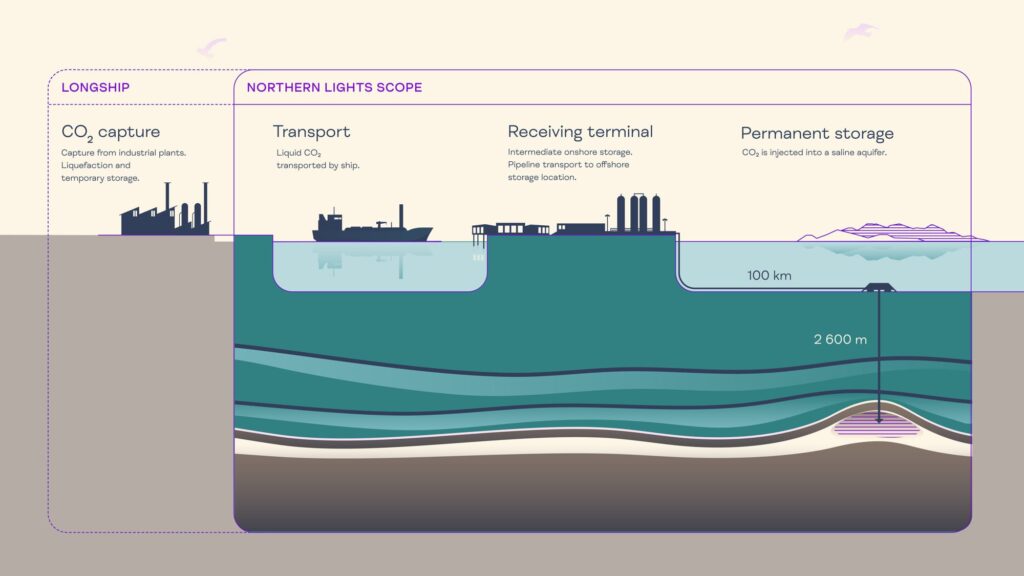
This article explains exactly how the money is flowing, the key financing tools being used, real-world case studies, and what this means for subsea and pipeline professionals.
Why CCUS and Hydrogen Repurposing Projects Need New Financing ModelsT
raditional upstream financing does not always fit repurposing projects because:
- Revenue often comes from carbon credits, subsidies, or long-term offtake agreements rather than hydrocarbon sales.
- Technical risks (hydrogen embrittlement, CO₂ corrosion) require detailed integrity studies.
- Many projects are classified as “transition assets” that must prove strong ESG credentials.
As a result, 2026 financing relies heavily on blended finance — mixing commercial debt, green bonds, government grants, export credit agencies, and private equity.
Offshore Hydrogen Production and Pipeline Infrastructure — One of the new-scale projects driving hydrogen-ready pipeline financing in 2026.
Main Financing Structures Used in 2026
- Sustainability-linked loans and green bonds (margins tied to emissions reductions)
- Government transition funds and grants (UK Net Zero Strategy, EU Innovation Fund, Australian hydrogen hubs)
- Blended finance with development banks
- Private equity and infrastructure transition funds
- Export credit agency support
Real-World Case Studies1.
Shell North Sea CO₂ Repurposing Project (UK)
An existing 18-inch gas pipeline was successfully converted for dense-phase CO₂ transport using internal liners and enhanced monitoring.
Financing included UK government CCUS cluster grants, sustainability-linked loans, and partner equity.
2. Northern Lights CCUS Project (Norway)
Full-chain project with shipping, pipeline transport, and subsea storage.
Financing combined Norwegian government contracts, green bonds, and commercial bank debt with ESG pricing.
3. UK North Sea CCUS Clusters
Multiple operators are repurposing legacy pipelines. These projects are attracting hybrid packages with government capital grants and private equity.
4. Australia – Hydrogen-Ready Pipeline Developments
Woodside and others are evaluating repurposing gas infrastructure for blue/green hydrogen, supported by government hydrogen hub funding and Asian bank facilities.
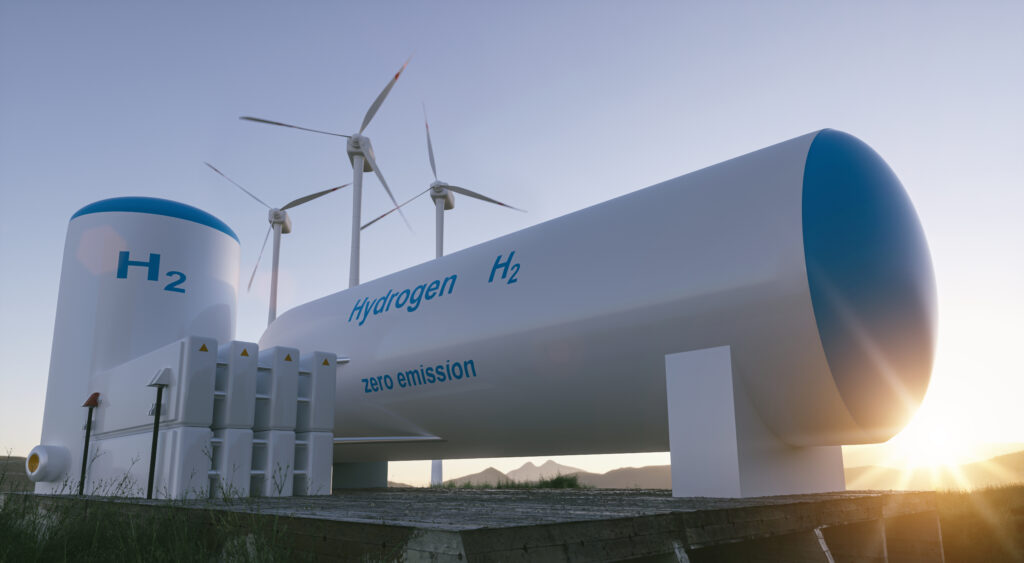
Modern Hydrogen Pipeline Infrastructure — Hydrogen-ready pipelines are attracting significant green finance in 2026.
What This Means for Subsea & Pipeline Professionals
Lenders now demand robust digital twin models, risk-based inspection plans, and hydrogen embrittlement studies. Engineers who can quantify risks and mitigation costs are becoming key members of commercial teams.
Related Reading on Offshore Pipeline Insight:
- Subsea Carbon Capture and Storage (CCUS) in 2026
- Subsea Pipeline Decommissioning vs Repurposing
- Project Financing for 2026 Offshore Pipeline Megaprojects
Conclusion
Funding CCUS and hydrogen pipeline repurposing in 2026 requires a smart mix of green finance, government support, and private capital. Operators who combine strong technical risk mitigation with clear ESG credentials are closing deals faster and at better rates.
The pipelines we repurpose today will carry the low-carbon molecules of tomorrow.
Want to deepen your knowledge? I personally recommend Subsea Pipeline Design, Analysis and Installation by Qiang Bai ( https://amzn.to/4u7edfH — it’s the book I turn to most often when working on complex subsea projects.