Written by Oko
Founder, Offshore Pipeline Insight
June 16, 2026
The onshore oil and gas sector is experiencing important shifts this month. A major geopolitical development involving the United States and Iran has eased some supply concerns, while U.S. shale producers continue to navigate a more challenging environment marked by slower growth and stronger emphasis on operational efficiency.
US-Iran Agreement Reopens Strait of Hormuz
On June 14, 2026, the U.S. and Iran reached an agreement aimed at reopening the Strait of Hormuz. This critical waterway handles a significant portion of global oil trade. The deal has already contributed to a decline in oil prices, with Brent crude dropping more than 4% following the announcement.While the full impact is still unfolding, the development is expected to reduce the geopolitical risk premium that had been supporting higher oil prices in recent months. Many analysts view this as a positive step toward greater stability in global oil supply.
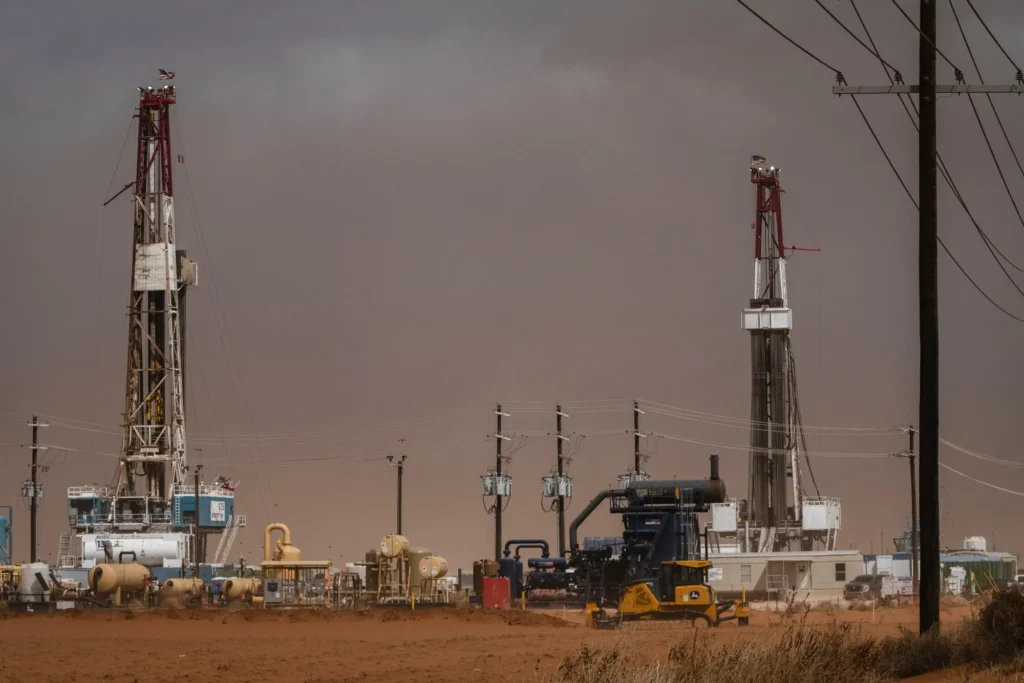
Drilling rigs operating in a major U.S. shale basin.
U.S. Shale Production: Resilient but Growth is Slowing
Despite lower oil prices, U.S. onshore production remains relatively strong. According to the EIA Short-Term Energy Outlook released on June 9, 2026, U.S. crude oil production is projected to average around 13.7 million barrels per day in 2026.
However, the pace of growth has clearly moderated. The Permian Basin continues to be the main engine of U.S. shale output, while other key plays such as the Bakken and Eagle Ford are showing signs of plateauing. Many independent operators are choosing to maintain capital discipline rather than aggressively increase drilling activity.This shift reflects a maturing shale industry that is now more focused on generating sustainable returns rather than rapid production growth.
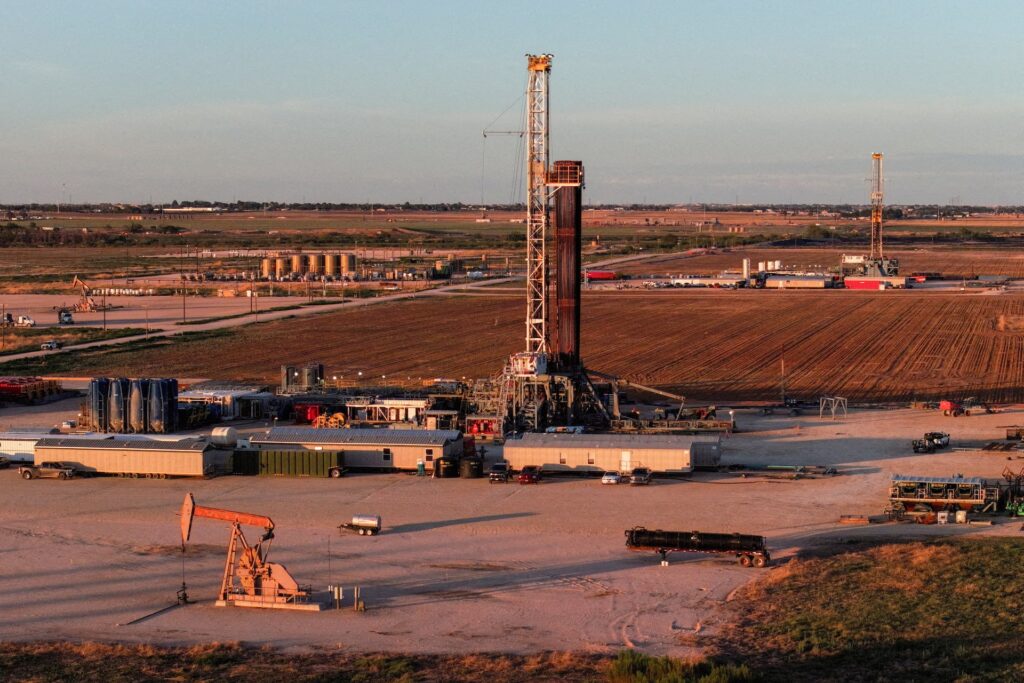
Onshore drilling operations in a major U.S. shale play.
Technology and Efficiency Becoming Critical
As drilling activity slows in some basins, operators are focusing heavily on improving well productivity and reducing costs. Key trends currently shaping the onshore sector include:
- Longer horizontal laterals and optimized well spacing
- Advanced data analytics and artificial intelligence in drilling and completions
- Improved hydraulic fracturing techniques
- Greater use of real-time monitoring and automation
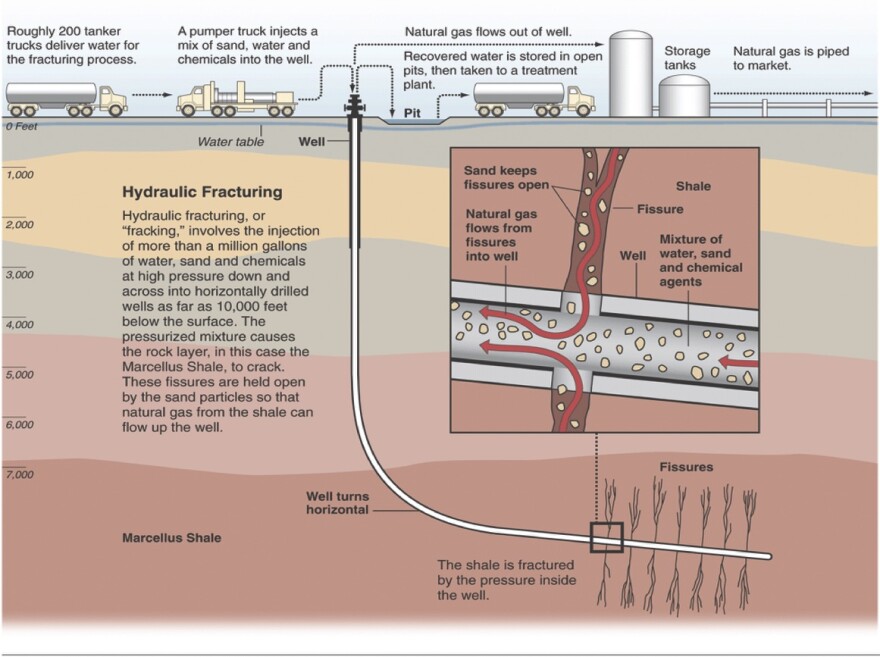
Hydraulic fracturing (fracking) process diagram — a core technology driving onshore shale production.These improvements are helping many operators maintain or even slightly increase output even with fewer rigs running.
LNG Export Growth Supports Associated Gas Production
Another important factor supporting onshore activity is the continued strength of U.S. LNG exports. New liquefaction capacity coming online is helping absorb associated natural gas produced alongside shale oil. This has helped keep natural gas prices relatively stable despite high overall supply levels.
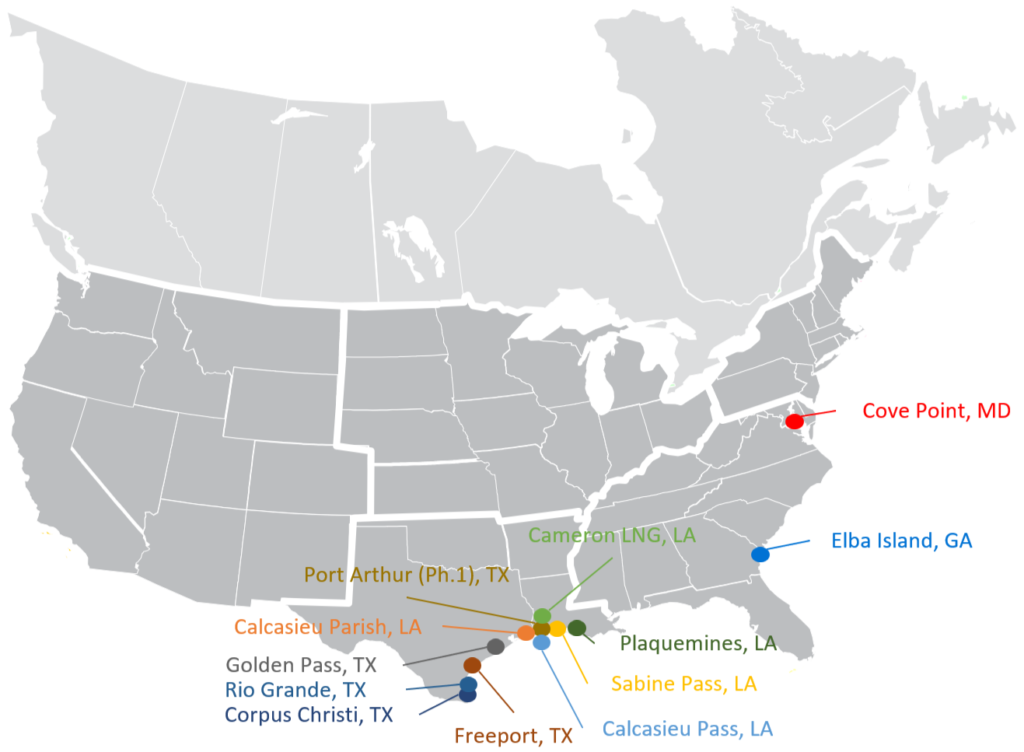
Map showing major U.S. LNG export terminals — a key driver of demand for onshore natural gas production.
Challenges Facing Onshore Operators
While the sector remains active, several challenges persist:
- Lower oil prices following the Hormuz agreement
- Declining well inventory in some mature shale plays
- Rising service costs in certain basins
- Increasing regulatory and environmental pressure
Many companies are responding by becoming more selective with drilling locations and focusing on the highest-return opportunities.
Outlook for the Rest of 2026
The combination of the U.S.-Iran deal and slowing shale growth is creating a more cautious environment for onshore operators. While production levels are expected to remain relatively high, the era of rapid shale expansion appears to be over.Going forward, success in the onshore sector will likely depend on:
- Operational efficiency and cost control
- Strategic use of technology
- Disciplined capital allocation
- Ability to adapt to changing oil price environments
Summary
| Area | Current Trend | Implication for Onshore Sector |
|---|---|---|
| Oil Prices | Declining | Increased focus on cost efficiency |
| Shale Production Growth | Slowing | Emphasis on productivity per well |
| Technology Adoption | Increasing | Higher output with fewer rigs |
| LNG Export Demand | Strong | Supports associated gas production |
| Capital Discipline | Strong | Lower drilling activity expected |