Macro Energy Transitions & Co-Location Series – Topic 2: Marine Co-Location & Infrastructure Sharing
By Oko ,M.Eng | Offshore Pipeline Insight | June 2026
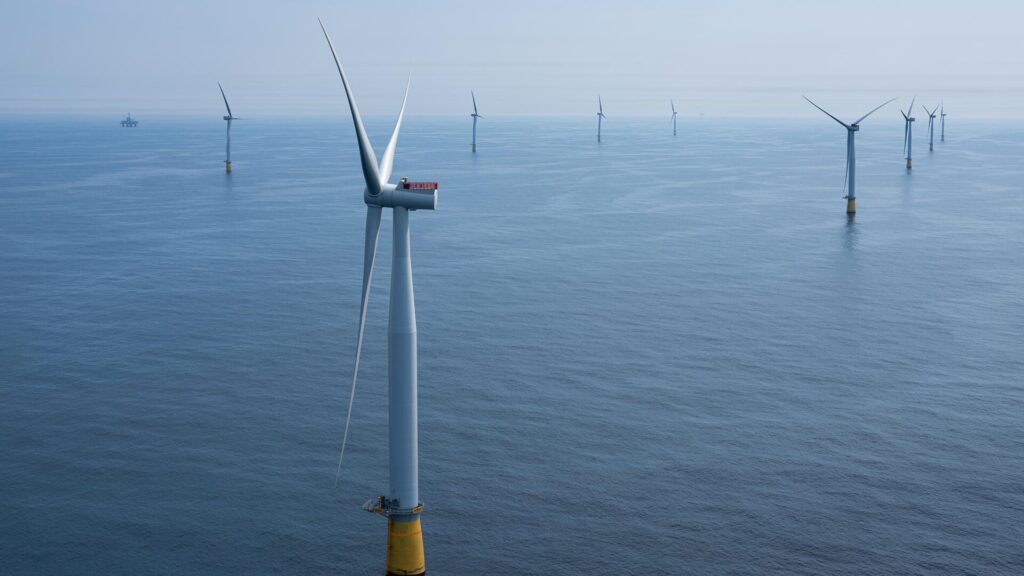
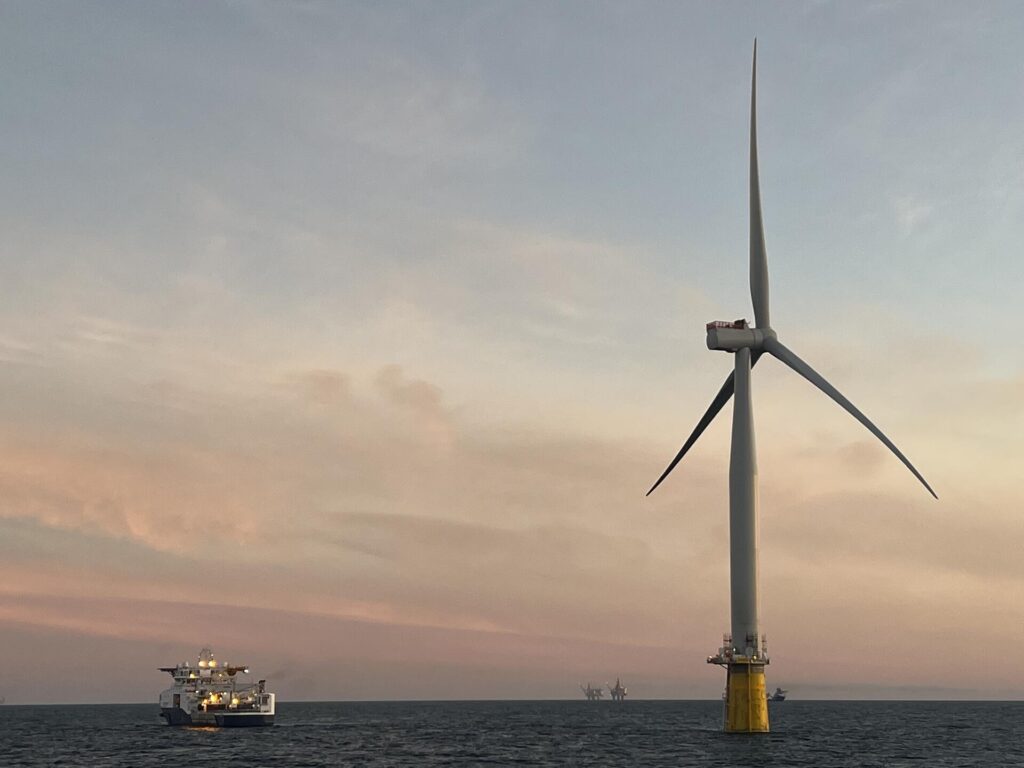
In the vast expanses of the North Sea, the South China Sea, and emerging basins worldwide, a quiet transformation is underway. Oil and gas platforms—long symbols of fossil fuel dominance—are increasingly hosting or standing shoulder-to-shoulder with sleek offshore wind turbines. What was once seen as a zero-sum battle for ocean space, vessels, cables, and skilled workers has evolved into pragmatic co-location and infrastructure sharing.
This article dives deep into marine co-location: how oil & gas operators are powering platforms with offshore wind, the logistics of shared maritime resources, and why this “friends or foes” dynamic is accelerating energy transitions while creating opportunities for subsea pipeline and offshore professionals.
The Resource Crunch: Why Competition Turned into Collaboration
Offshore development faces intense competition for finite maritime assets:
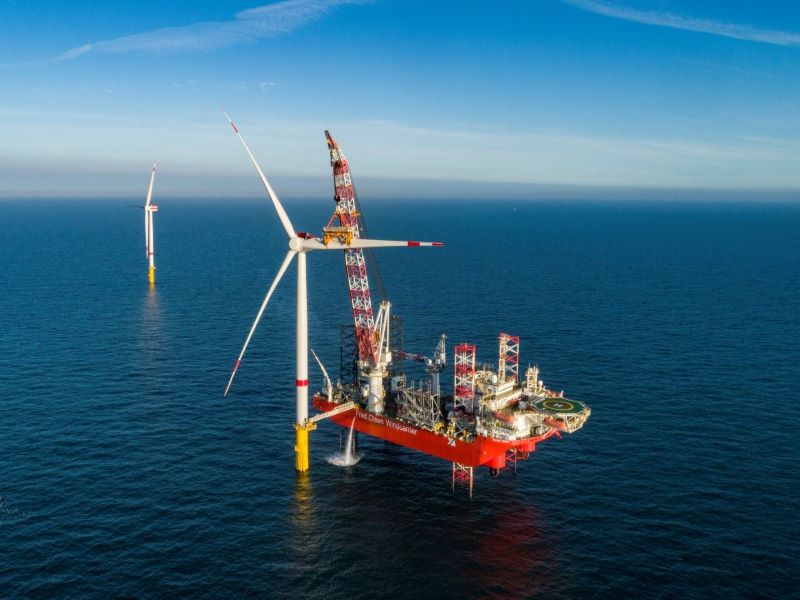
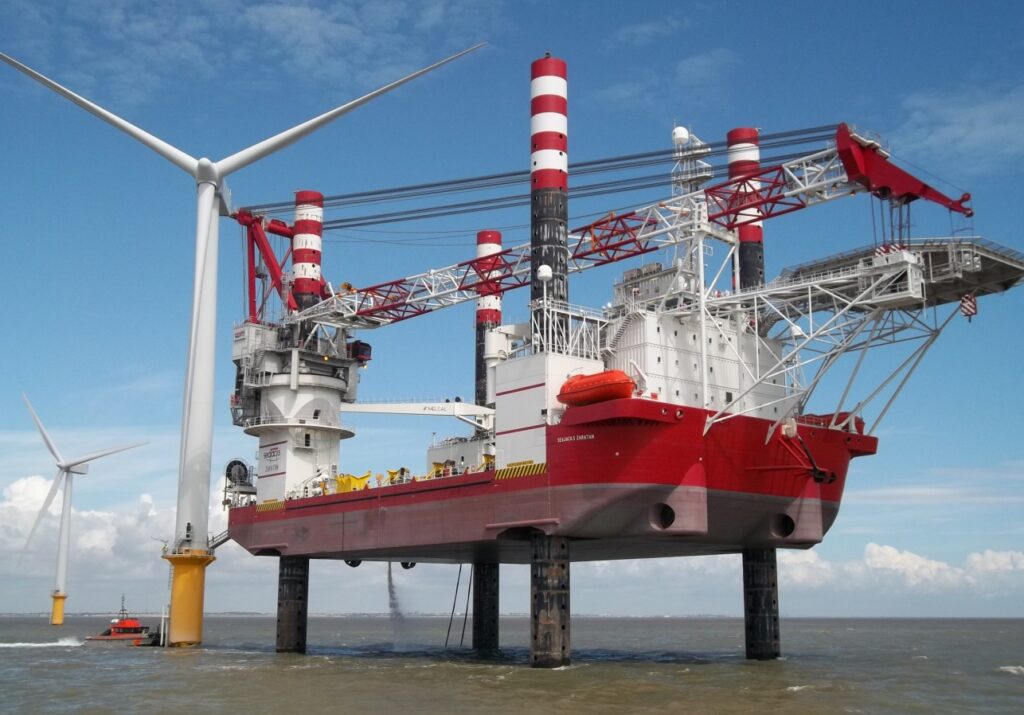
- Installation and Service Vessels (WTIVs, SOVs, jack-ups): Specialized heavy-lift and maintenance vessels are in short supply. Offshore wind installation demand is projected to strain global fleets through 2030, overlapping with ongoing oil & gas decommissioning and maintenance cycles.
- Subsea Cables and Grid Connections: Export and inter-array cables require similar trenching, protection, and burial expertise as oil & gas umbilicals and flowlines.
- Skilled Labor: Offshore welders, ROV pilots, marine engineers, and project managers with decades of experience in harsh environments are the same talent pool.
- Ocean Space: Lease areas, safety zones, and maritime traffic lanes must accommodate multiple users.
Rather than fighting, players are co-locating. Oil majors leverage existing infrastructure for wind integration, while wind developers gain faster permitting and shared O&M bases.
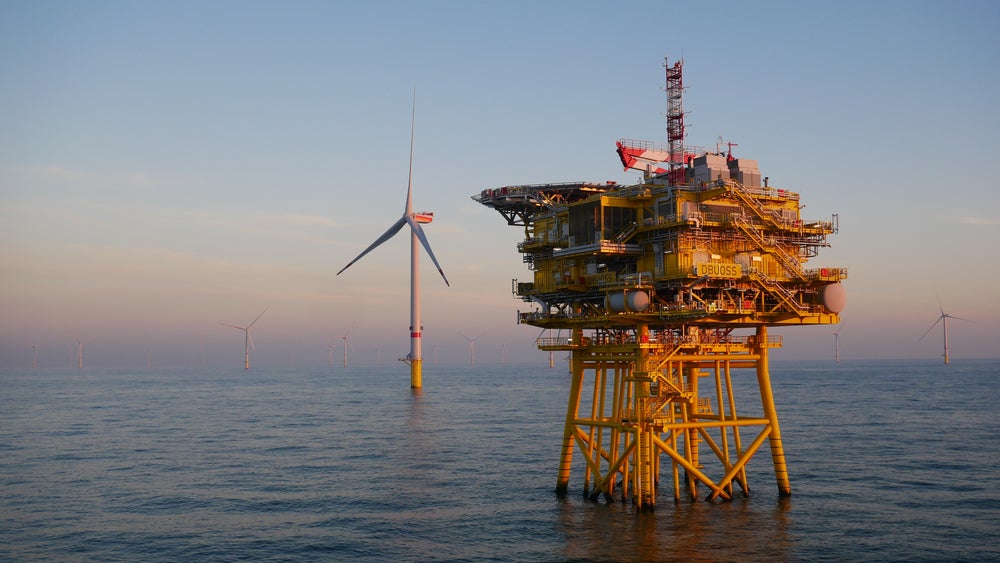
Co-Location in Practice: Wind Powering Oil & Gas Platforms
The core concept is straightforward yet powerful: deploy offshore wind (fixed or floating) to supply electricity directly to nearby platforms, displacing gas turbines or diesel generators.
Hywind Tampen (Norway) — The flagship example. Equinor’s 88 MW floating wind farm (11 Siemens Gamesa turbines) powers the Snorre and Gullfaks oil & gas platforms in the Norwegian Sea. Operational since 2022–2023, it covers about 35% of the fields’ annual power needs, reducing CO₂ emissions by ~200,000 tonnes per year and cutting diesel consumption. Turbines sit on concrete spar foundations in 260–300 m water depths—technology transferred directly from oil & gas floating production experience.
China’s MingYang Project — A single 7.25 MW typhoon-resistant floating turbine powers an oil & gas field 136 km offshore Hainan in 120 m water. Designed for extreme conditions, it demonstrates scalability in Asian basins.
UK North Sea Examples — Ping Petroleum’s Avalon facility will use floating wind. Other operators explore direct connections or hybrid microgrids. In the Netherlands, platforms like Q13a-A integrate wind for green hydrogen or direct power.
Broader Trends:
- Electrification reduces Scope 1 & 2 emissions, helping operators meet stringent taxes (e.g., Norway’s carbon pricing) and corporate net-zero targets.
- Fuel savings: Gas turbines on platforms are inefficient for baseload; wind provides cheaper, cleaner electrons when available, with gas or batteries as backup.
- Repurposing: Decommissioning platforms can host substations, electrolyzers, or even wind turbines directly.
Logistics Deep Dive: Managing Maritime Traffic and Grid Overlaps
Co-location amplifies complexity in marine spatial planning and operations.
Maritime Traffic Management:
- Offshore wind farms create physical obstacles, altering shipping lanes and increasing encounter risks in high-traffic areas like the North Sea or Gulf of Mexico approaches. Studies show potential 12% rise in close encounters, though mitigable with routing measures and Traffic Separation Schemes (TSS).
- Oil & gas platforms already have established 500m safety zones. Co-located developments require updated risk assessments, dynamic positioning protocols, and real-time AIS/VMS monitoring.
- Construction phases overlap: Simultaneous wind farm installation and platform maintenance demand coordinated scheduling to avoid vessel congestion. GWEC and industry bodies emphasize early stakeholder engagement with shipping, fishing, and defense sectors.
Grid and Cable Sharing:
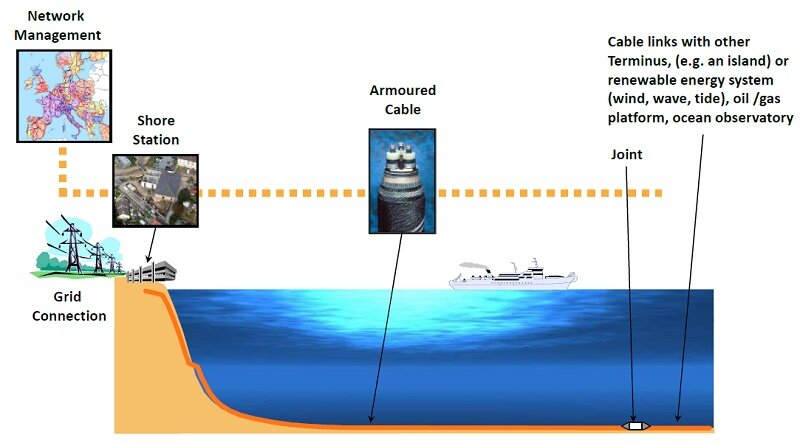
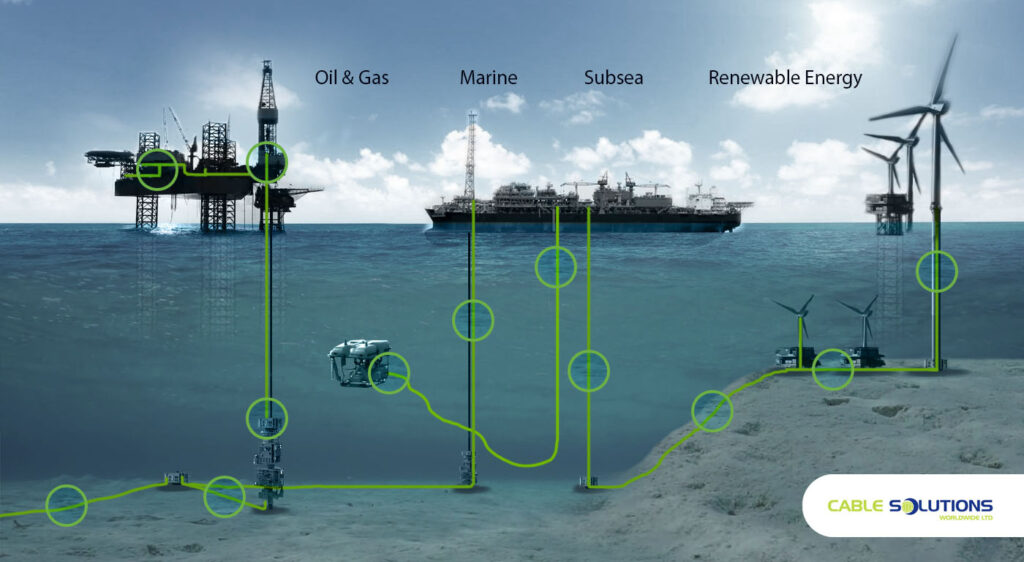
- Subsea power cables link wind arrays to platforms via dynamic umbilicals or static export lines. Composite cables (power + fiber optics) mirror oil & gas umbilicals, allowing shared trenching and protection strategies.
- Overlapping connections reduce new seabed disturbance. HVDC or HVAC links enable power export to shore or islanding for platforms.
- Regulatory nuances: In the UK, direct wind-to-platform supply may have CfD implications, pushing hybrid models. Consent regimes (oil & gas vs. renewables) require coordination between authorities.
Vessel and Labor Synergies:
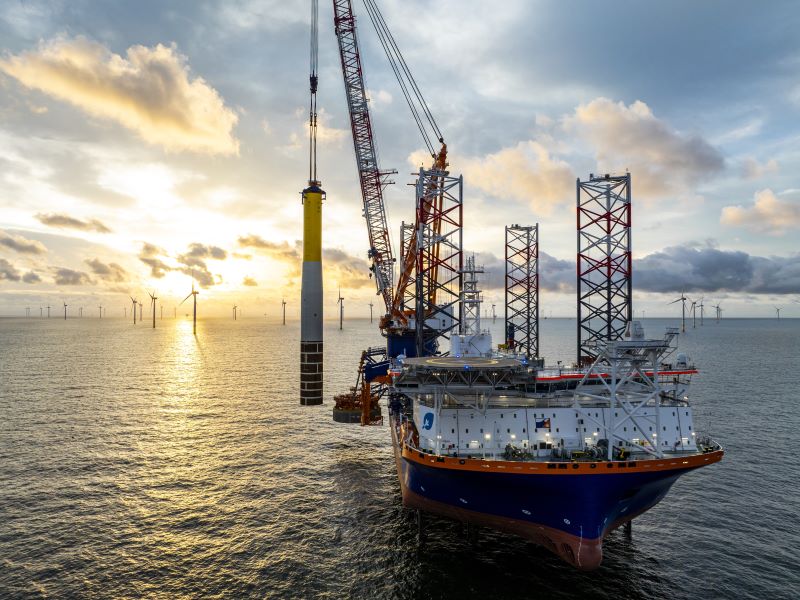
- Oil & gas legacy vessels (e.g., converted drillships) are increasingly used for wind turbine installation and foundation work. Jack-up rigs and heavy-lift barges transfer seamlessly.
- Workforce: Cross-training programs turn oil workers into “energy transition technicians.” Shared O&M bases on platforms cut transit times and costs.
Benefits, Challenges, and Pipeline SynergiesEconomic Wins:
- Cost reduction: Shared infrastructure can cut capex 10–30% for electrification projects.
- Revenue diversification: Oil operators invest in wind PPAs or equity; wind developers gain offtake certainty.
- Decommissioning extension: Platforms stay productive longer as energy hubs.
Environmental Gains:
- Lower emissions from platforms (often 5–15% of a field’s total).
- Multi-use ocean space: Reduced overall footprint vs. separate developments.
- Biodiversity: Careful siting can create artificial reefs around shared foundations.
Challenges:
- Technical: Dynamic cables in harsh metocean conditions; power intermittency requires storage or hybrid systems.
- Regulatory & Permitting: Aligning oil & gas safety standards with wind farm navigation rules.
- Supply Chain Strain: Competition for materials (e.g., high-voltage cables) and specialized vessels persists.
Offshore Pipeline Angle:
For our audience in subsea pipelines: Co-location drives demand for new or repurposed cables, umbilicals, and potentially hydrogen pipelines. Power-from-shore or wind-to-platform links use similar route planning, trenching, and integrity management as flowlines. CCUS integration on electrified platforms opens hybrid pipeline opportunities—transporting captured CO₂ while powering operations renewably.
Global Outlook and Case Expansion
Europe leads (North Sea clusters), but momentum builds in the US Gulf of Mexico, Southeast Asia, and Brazil. GWEC’s Global Offshore Wind Alliance promotes these hybrids for faster deployment. By 2030, gigawatts of co-located capacity are plausible, especially with floating wind maturing. Operators like Equinor, Shell, TotalEnergies, and bp are pivoting portfolios—leveraging decades of offshore know-how for dual-energy projects.
Strategies for Success in Co-Located Marine Energy
- Early Marine Spatial Planning: Integrated leasing rounds considering multi-use.
- Technology Transfer: Adapt oil & gas spars, jackets, and dynamic risers for floating wind.
- Digital Twins & Simulation: Model traffic, power flows, and cable fatigue in shared environments.
- Policy Support: Streamlined consenting, incentives for electrification, and clear liability frameworks.
- Workforce & Supply Chain: Joint training academies and vessel conversion programs.
Conclusion:
From Rivals to Partners in the Blue Economy
Oil rigs and offshore wind turbines are no longer foes fighting over scraps of ocean—they are becoming strategic allies in a resource-constrained world. Co-location delivers reliable power to platforms, cuts emissions, optimizes expensive maritime assets, and accelerates the energy transition without sacrificing energy security.
For offshore pipeline insight professionals, this shift means new projects: subsea power links, hybrid umbilicals, repurposed routes, and CCUS synergies. The maritime domain is big enough for both hydrocarbons and renewables—if engineered intelligently.
The era of marine energy integration is here. Platforms that once flared gas may soon host spinning turbines, powered by the same winds that challenge rig operations. Pragmatism wins: shared infrastructure, shared talent, shared ocean space.
What are your experiences with co-location or hybrid offshore projects? Drop comments below—especially from subsea engineers, marine traffic planners, or wind developers. Next in the series: Deep dive into nuclear + gas co-location for data centers and industrial loads.
Sources: Equinor, GWEC, academic studies (ScienceDirect, SINTEF), industry reports (2023–2026 data).