Macro Energy Transitions & Co-Location Series
By Oko, M.Eng | Offshore Pipeline Insight | June 2026
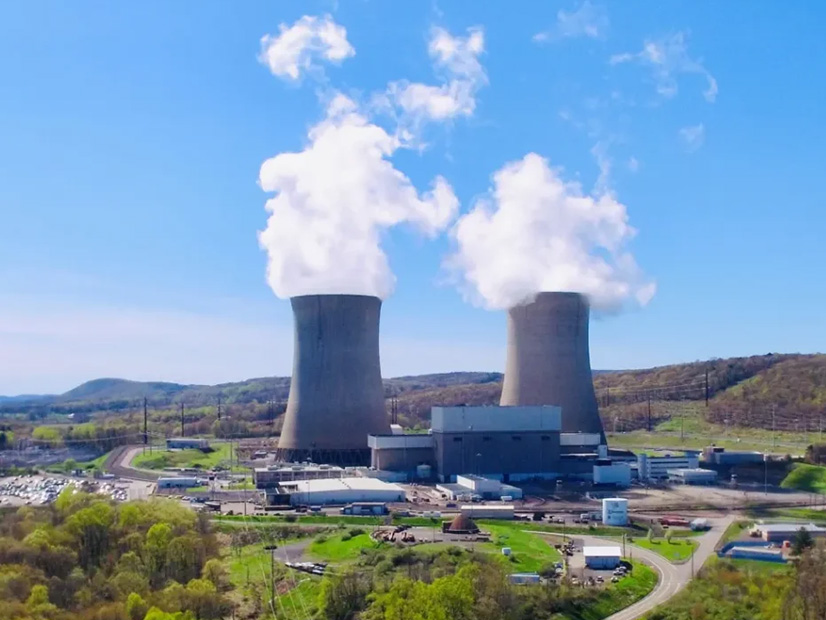
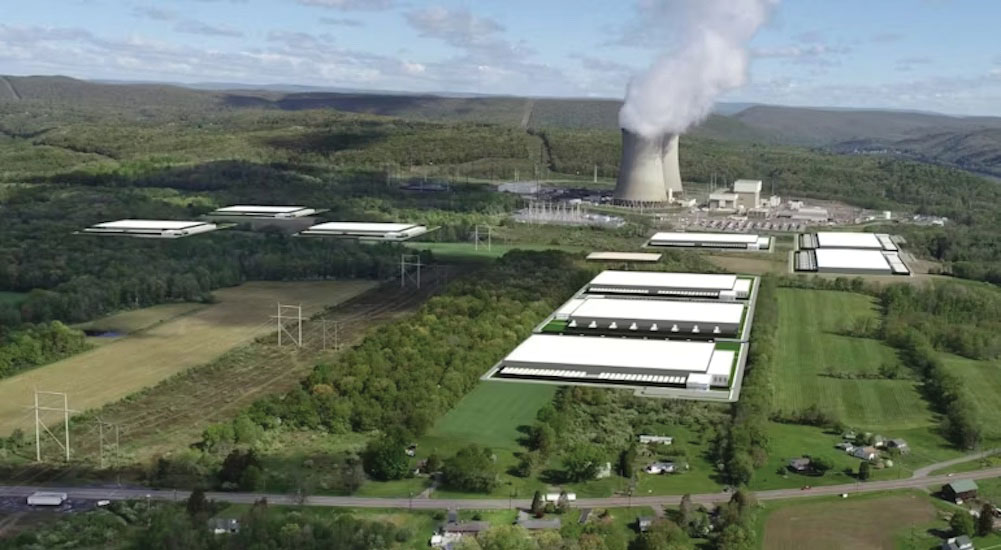
The AI-driven data center boom demands power that is reliable, dispatchable, carbon-light, and available yesterday. Neither pure renewables nor standalone nuclear can fully deliver alone in the near term. The winning formula emerging in 2026 is nuclear + natural gas hybrid co-location: baseload from nuclear (or SMRs) paired with flexible gas turbines for peaking, backup, and grid support. This model minimizes transmission bottlenecks, accelerates deployment, and creates natural bridges to offshore innovations like floating wind foundations and hydrogen production hubs.
This deep dive explores nuclear-gas co-location mechanics, real-world projects, synergies with floating wind turbine designs, and offshore hydrogen hubs as the next frontier for integrated energy infrastructure.
Why Nuclear + Gas Co-Location Wins for Data Centers
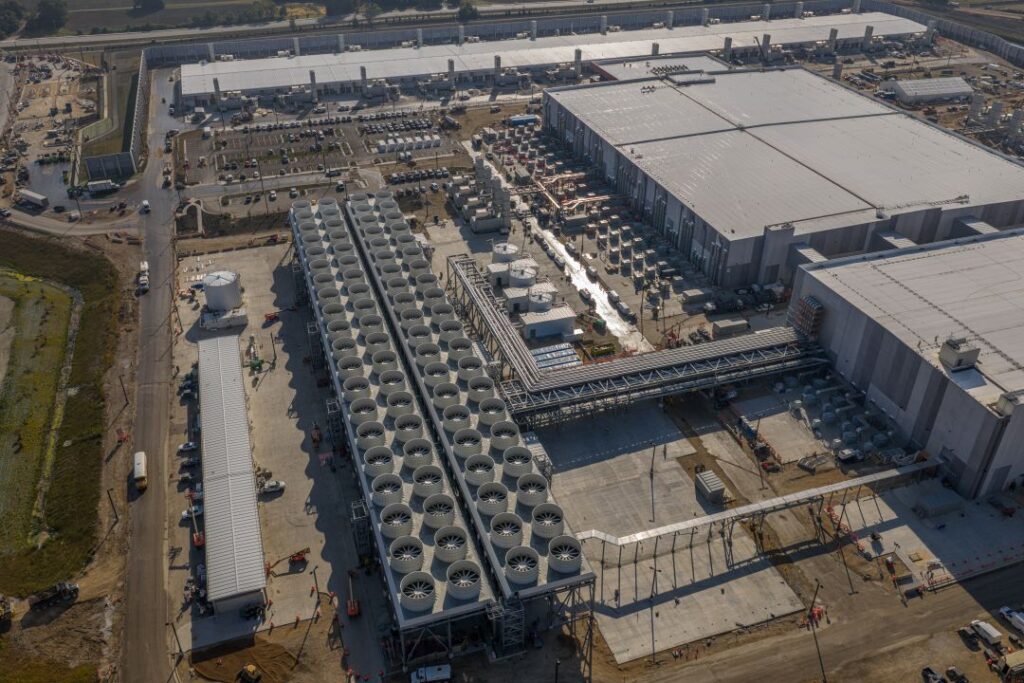
Data centers require 24/7/365 power with uptime exceeding 99.99%. AI workloads add extreme variability and high power density (hundreds of MW per campus).
Nuclear strengths:
- ~92–95% capacity factor → true baseload.
- Zero-carbon during operation.
- Established sites with existing grid ties, cooling infrastructure, and security.
Gas strengths:
- Rapid ramping (minutes) for load following.
- On-site or nearby generation bypasses long interconnection queues.
- Bridge fuel with potential for hydrogen blending (up to 30–50% today).
Co-location benefits:
- Direct behind-the-meter or dedicated supply → avoids transmission losses and delays (queues often 5–7+ years).
- Shared permitting, land, and O&M.
- Cost allocation to large loads rather than ratepayers.
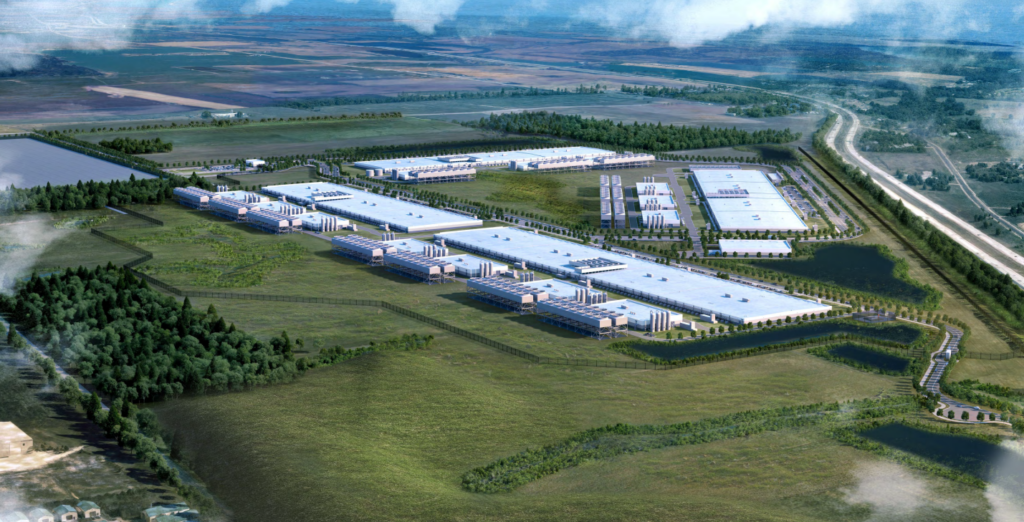
Landmark Projects Driving the Trend (2025–2026)
Amazon + Talen Energy (Susquehanna, PA): Expanded 17-year, $18B PPA for up to 1.92 GW from the 2.5 GW nuclear plant. Amazon acquired adjacent land for a massive data center campus. Plans include potential SMR additions.
Microsoft + Constellation (Three Mile Island, PA): 20-year deal to restart Unit 1 (835 MW) by 2028, powering Microsoft data centers. Significant refurbishment investment.
Google + Kairos Power: Up to 500 MW of SMRs (first online ~2030), sited near data centers for direct power.
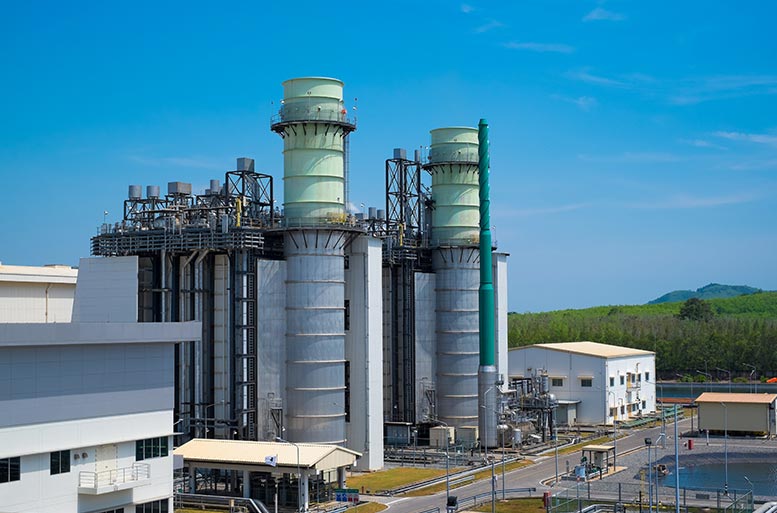
Meta, Oracle, and others: Similar pursuits, with gas often filling immediate gaps while nuclear/SMRs scale.Gas additions frequently accompany these: new combined-cycle or peaker plants co-located for firmness, especially in ERCOT and PJM.
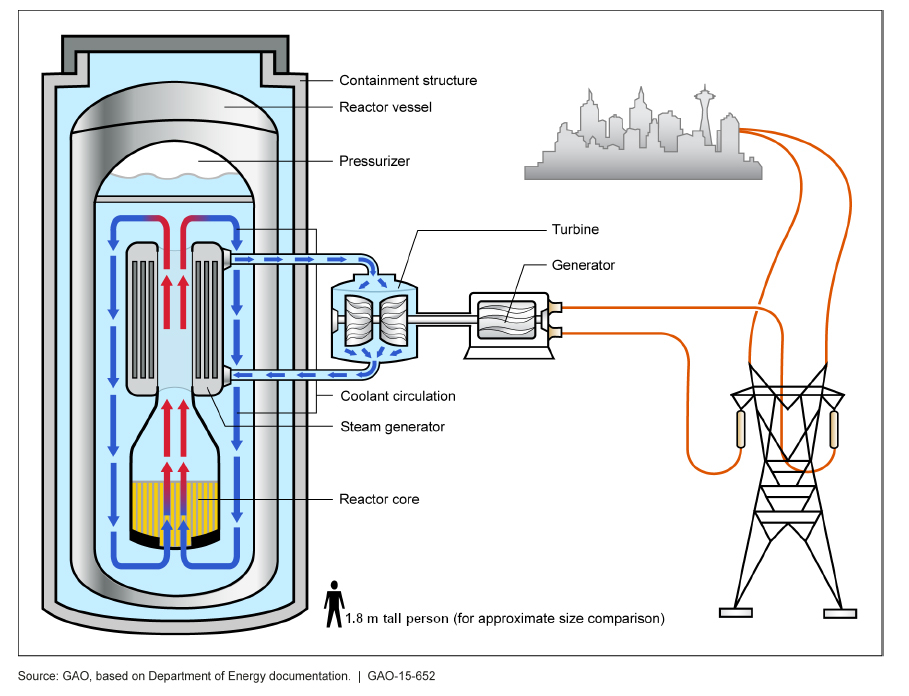
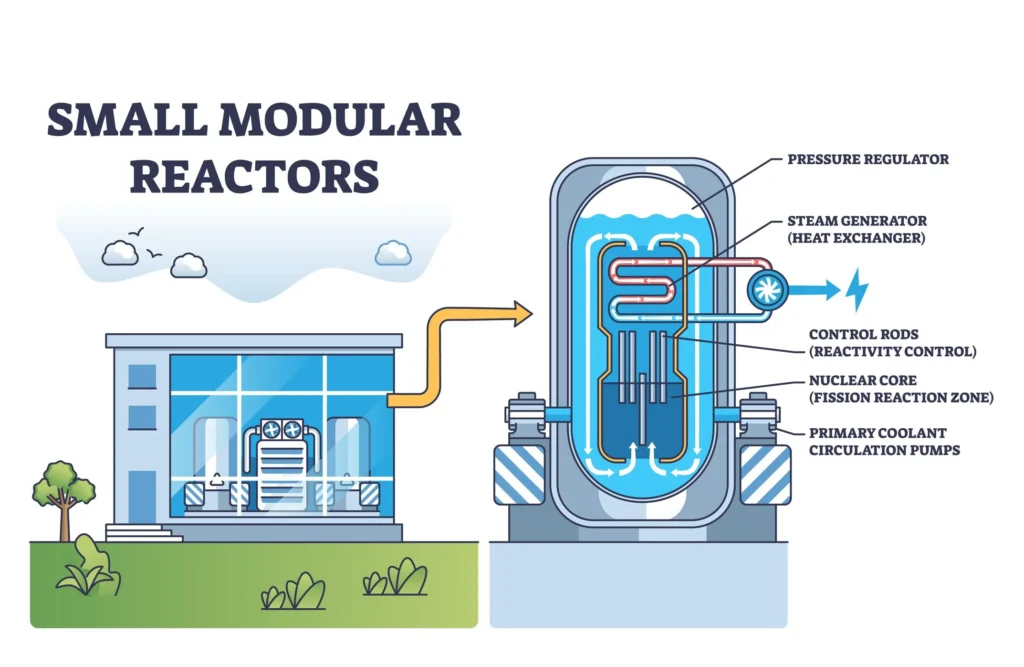
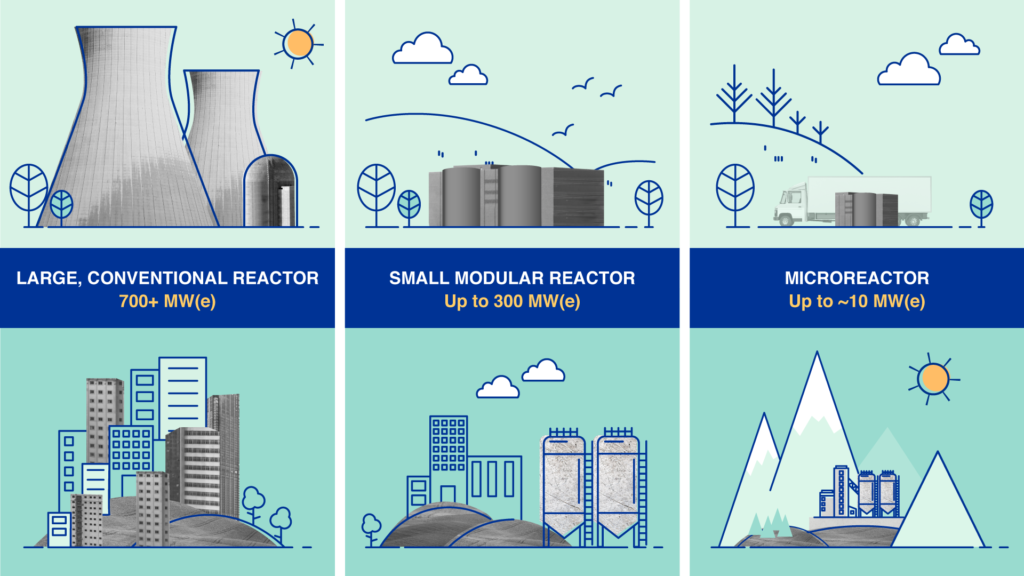
Small Modular Reactors (SMRs): The Flexible Nuclear Future
SMRs are factory-built, scalable, and ideal for co-location due to smaller footprints and enhanced safety features.
Floating Wind Foundations: Design Options for Hybrid Offshore Integration
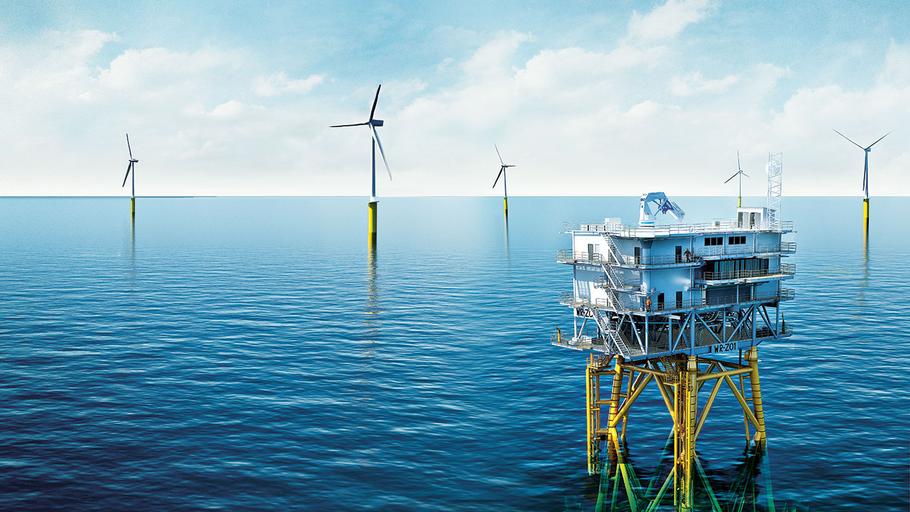
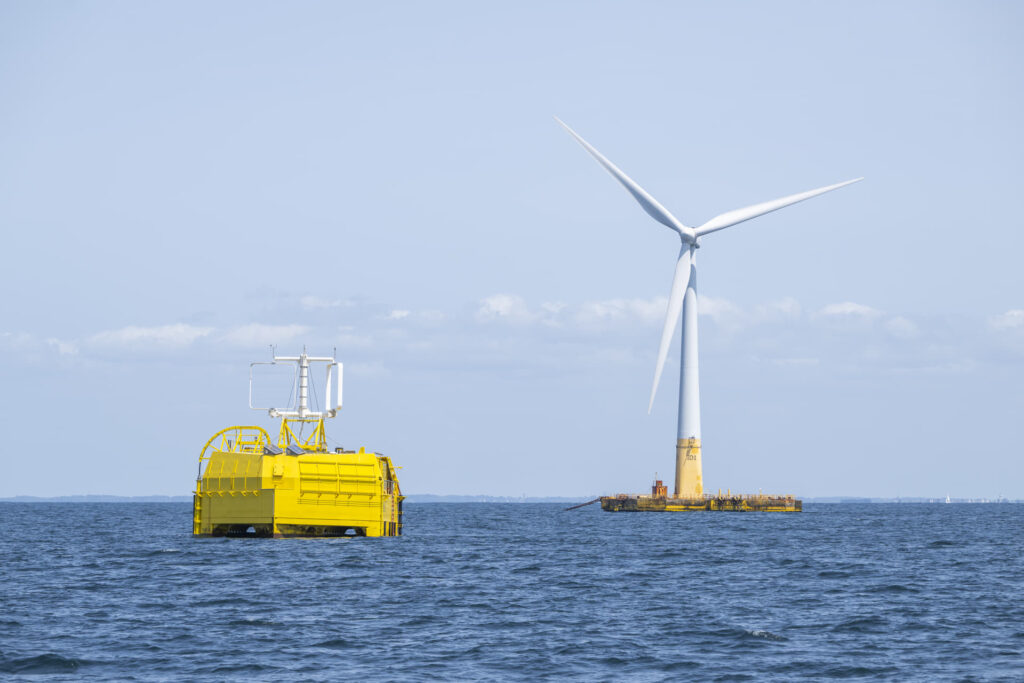
Floating wind expands viable sites and pairs naturally with offshore energy hubs supporting data centers (via subsea cables) or hydrogen production.
Main foundation types (as of 2026):
- Spar-Buoy (Ballast-Stabilized): Deep-draft cylinder with heavy keel. Excellent stability in rough seas.
- Semi-Submersible (Buoyancy-Stabilized): Multiple columns/pontoons. Good for moderate depths and easier assembly.
- Tension Leg Platform (TLP): Taut mooring for minimal motion. Ideal for larger turbines.
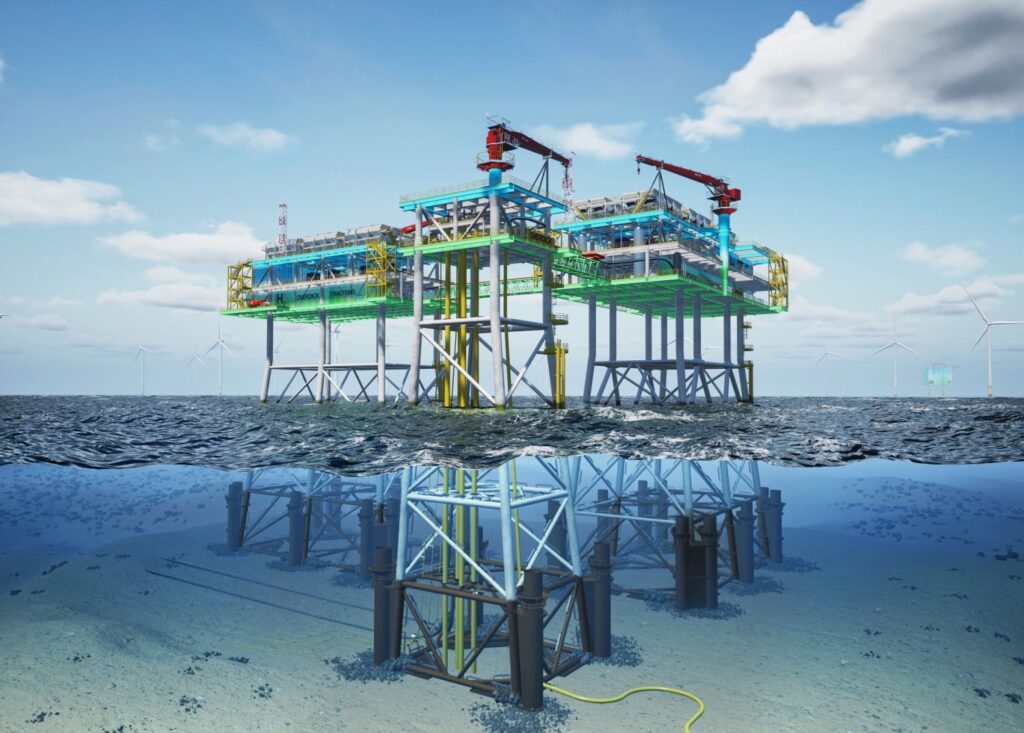
These designs enable offshore energy hubs: floating wind arrays powering platforms that support electrolyzers, or exporting power via subsea cables to shore-based data centers/gas hybrids.
Offshore Hydrogen Production Hubs: The Integration Layer
Offshore hydrogen turns excess or dedicated renewable (and potentially nuclear-derived) power into storable/transportable fuel—perfect for industrial loads, data center backup, and decarbonizing sectors.
Synergies with nuclear-gas:
- Nuclear provides steady baseload for efficient electrolysis.
- Gas (with CCS or blue hydrogen) as backup/bridge.
- Pipelines: Repurposed or new subsea lines transport H₂ or blends.
Hybrid Energy Architecture Schematic
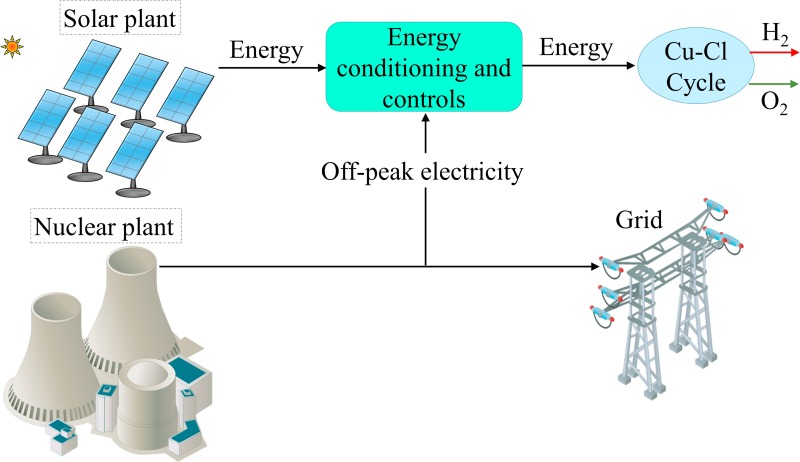
Power Architecture:
- Nuclear/SMR for baseload.
- Gas turbines for peaking + black-start.
- Renewables (including floating wind) + storage for optimization.
- Microgrids or dedicated ties for data centers.
Pipeline & Subsea Opportunities: New/export cables from offshore hubs, H₂-ready pipelines, umbilicals for floating platforms.
Conclusion:
Pragmatic Hybrids Power the AI Age
Nuclear + gas co-location isn’t a compromise—it’s smart engineering for the real world. It delivers the dense, reliable power data centers and industry crave while opening doors to floating wind advancements and offshore hydrogen economies. For offshore pipeline and subsea professionals, this creates a renaissance: new cables, H₂ pipelines, platform repurposing, and hybrid hubs.
The beast of AI power demand is being fed intelligently—through co-location, technology transfer from oil & gas, and multi-vector energy systems.
What hybrid projects are you tracking? Share in comments—especially nuclear engineers, floating wind designers, H₂ developers, or pipeline pros. Next in series: CCUS integration in offshore and data center energy hubs.
Sources: Company announcements, INL, FERC/PJM, GWEC/IEA, technical papers (2025–2026).
Affiliate Note
This post includes Amazon affiliate links. you can buy anything on Amazon after clicking these links, Your support helps fund more quality articles.https://amzn.to/4xA8DW3 Thank you!