
Macro Energy Transitions & Co-Location Series
By Oko Immanuel, M.Eng | Offshore Pipeline Insight | June 2026
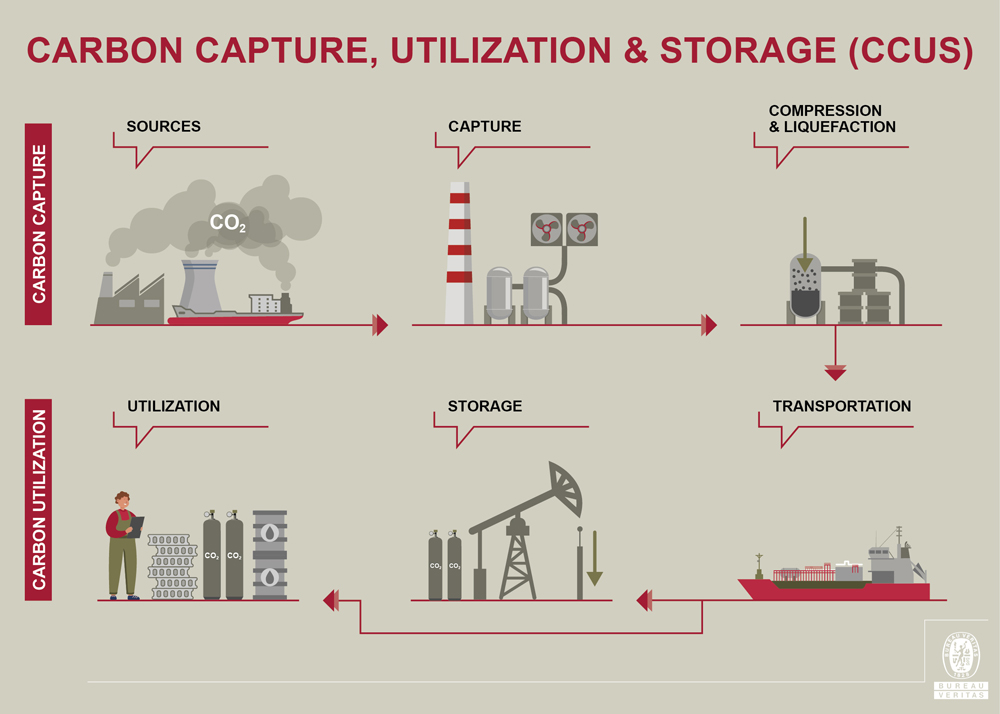
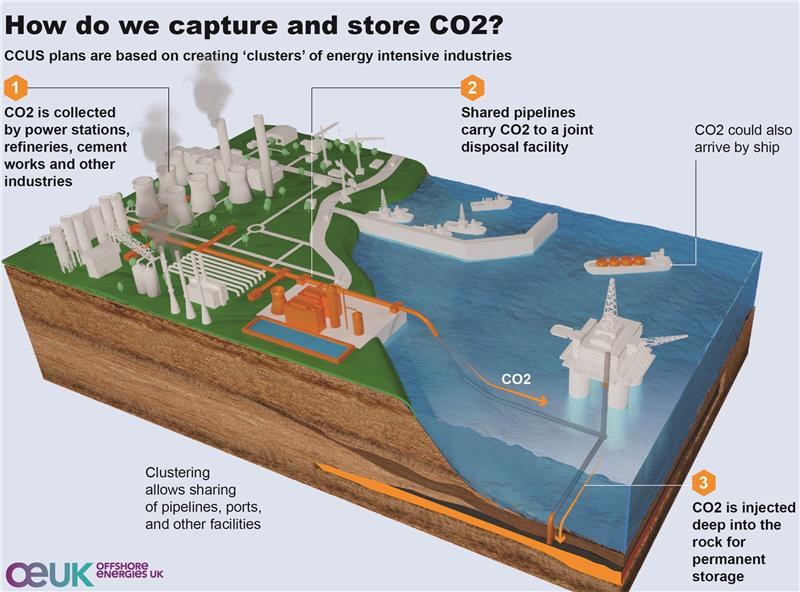
Carbon Capture, Utilization, and Storage (CCUS) is no longer a future concept — it’s the essential integration layer that makes hybrid energy hubs viable. In offshore environments and data center campuses, CCUS captures emissions from gas turbines, blue hydrogen production, and industrial loads, while enabling permanent storage or productive reuse.
This closes the loop on pragmatic energy transitions.This deep dive explores CCUS integration in offshore hubs (repurposed platforms, floating systems) and data center energy complexes, with a special investigation into hydrogen pipeline materials — critical for transporting H₂ blends or pure hydrogen alongside CO₂ streams. High-visuals included for engineers, developers, and pipeline professionals.
Why CCUS Matters for Energy Hubs
Data centers and offshore platforms generate concentrated point-source emissions, especially when relying on natural gas for firmness. CCUS captures 80–95%+ of CO₂, turning potential liabilities into assets:
- Offshore: Repurposed oil & gas infrastructure provides ideal injection points into depleted reservoirs.
- Data Centers: On-site or clustered capture from gas peakers or SMRs supports corporate net-zero goals.
- Synergies: CO₂ can enhance oil recovery (EOR), produce e-fuels, or support direct air capture (DAC) powered by hub renewables/nuclear.
Offshore CCUS Hubs: Repurposing the Blue Economy
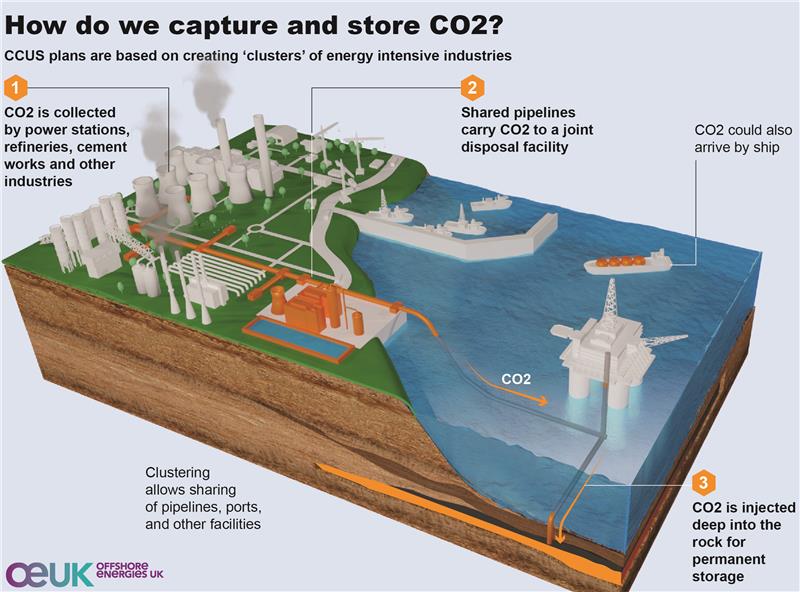
The North Sea leads with projects like Northern Lights (Norway), Acorn (UK), and Long Duration Energy Storage + CCUS clusters. Depleted fields offer proven geology for secure storage.
Key Integration Models:
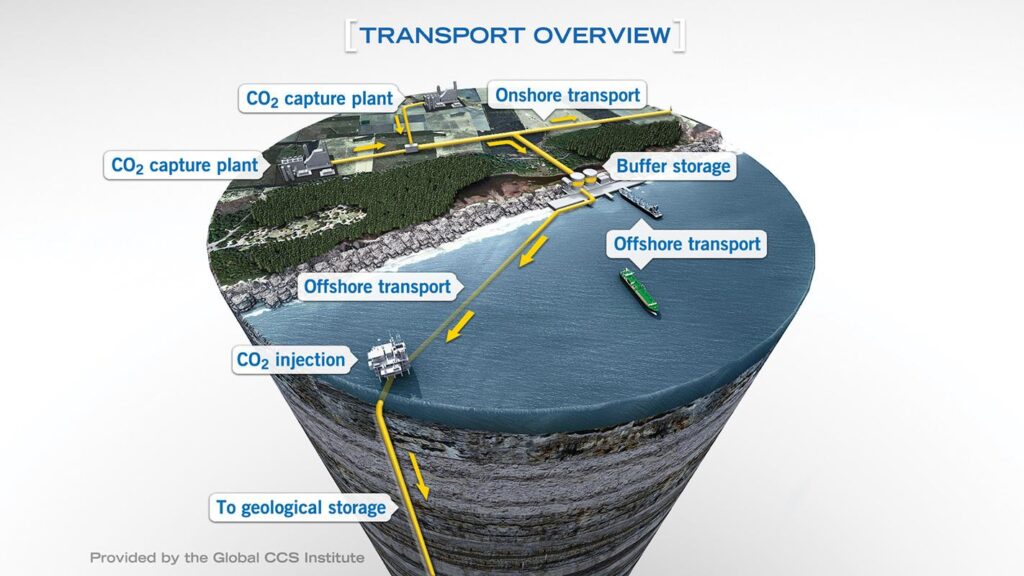
- Platform Repurposing: Install capture equipment on existing jackets; shared pipelines transport CO₂ to injection wells.
- Floating CCUS: Emerging with FPSO-style units or semi-subs for dynamic environments.
- Multi-Use Hubs: Combine floating wind, hydrogen electrolysis, gas generation, and CCUS on one site.
Visual: North Sea-Style Cluster
Data Center Energy Hubs with CCUS
Hyper-scalers pair nuclear/gas co-location with on-site or nearby CCUS:
- Gas turbines with post-combustion capture (amine solvents or advanced membranes).
- SMRs with high-temperature electrolysis for pink hydrogen + CCUS.
- CO₂ used for cooling enhancement, algae biofuels, or mineralization.
This allows data centers to claim near-carbon-neutral operations while maintaining reliability.
Deep Dive: Hydrogen Pipeline Materials Investigation
Hydrogen embrittlement and blending create unique material challenges. Pure H₂ or blends (up to 20–100%) require specialized pipelines.
Core Challenges:
- Hydrogen Embrittlement: H₂ atoms diffuse into steel, reducing ductility and causing cracks under stress.
- Blending Limits: Natural gas pipelines tolerate ~20% H₂ without major upgrades; higher needs new or retrofitted lines.
- Offshore/Corrosive Environments: Seawater exposure, high pressure, and fatigue from waves demand superior resistance.
Recommended Materials (2026 State-of-the-Art):
- Low-Carbon or Micro-Alloyed Steels (e.g., API 5L Grade X52–X70 with controlled microstructure):
- Enhanced resistance via reduced impurities (sulfur, phosphorus) and optimized heat treatment.
- Vallourec and Tenaris qualified grades for H₂ service.
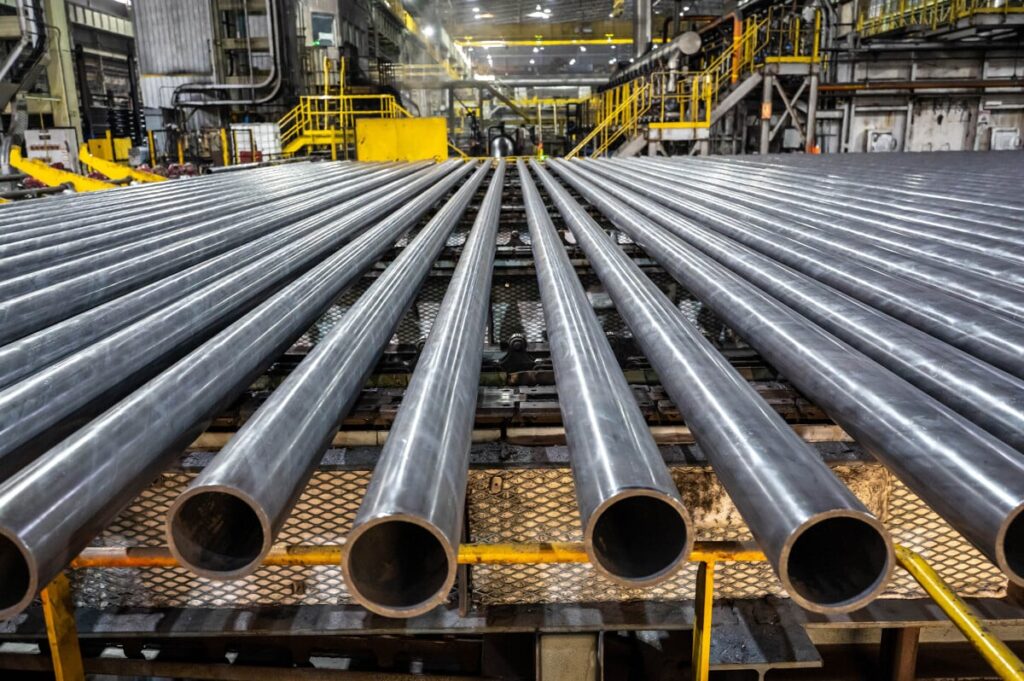
2. Stainless Steels & Duplex Alloys (e.g., 316L, 2205 Duplex):
- Excellent for pure H₂ and corrosive conditions.
- Higher cost but ideal for offshore risers and umbilicals.
3. Non-Metallic Linings & Composites:
- HDPE or polymer liners inside steel pipes.
- Fiber-reinforced polymer (FRP) or spoolable composite pipes for smaller
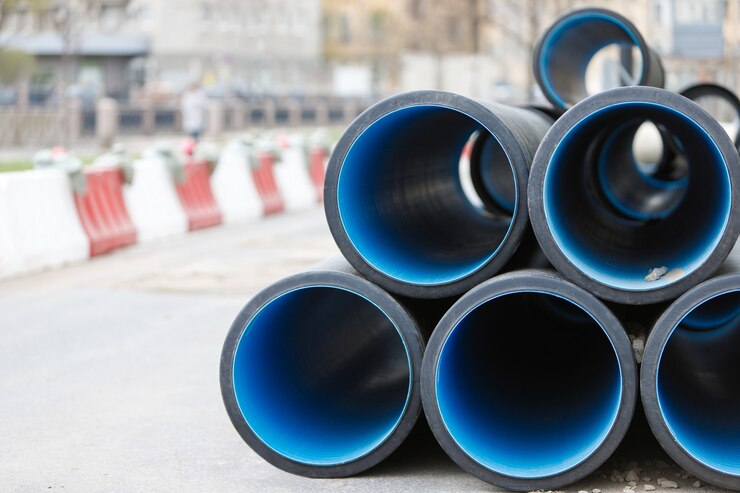
4. Coatings & Inhibitors:
- Internal epoxy or polyethylene coatings.
- Cathodic protection + chemical inhibitors for external corrosion.
Subsea Installation Example
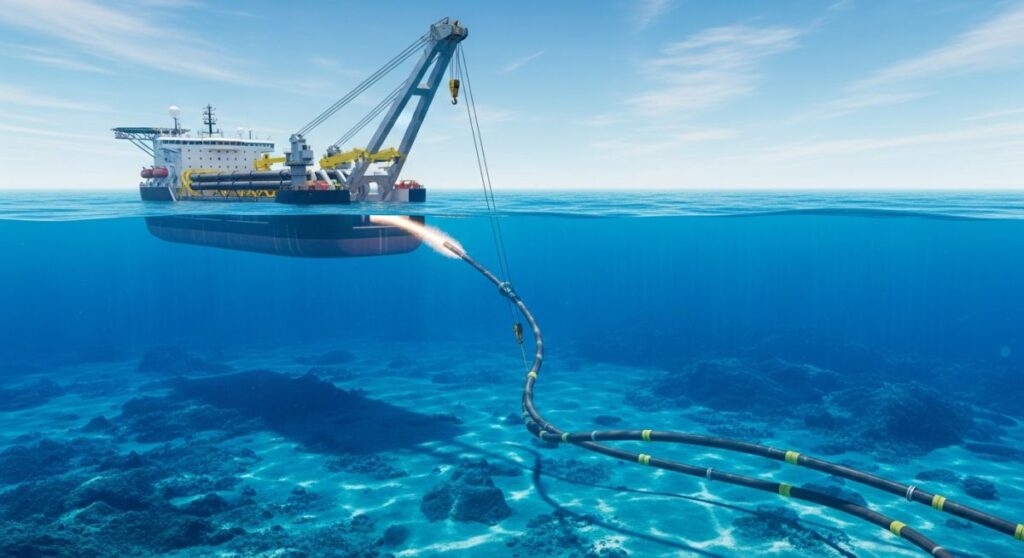
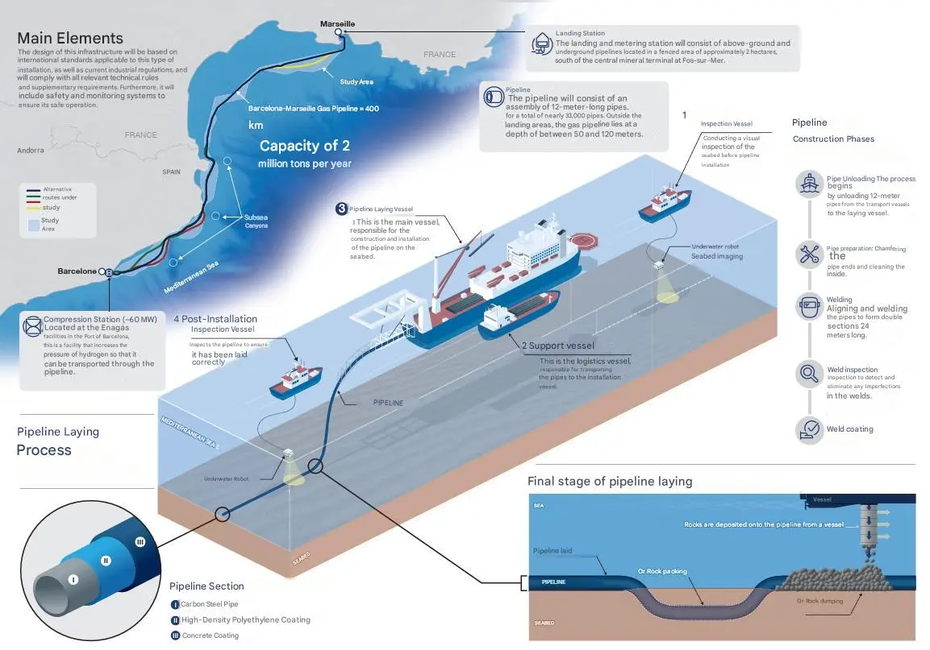
Safety & Monitoring: Advanced sensors for H₂ leaks (highly flammable) and CO₂ (asphyxiant in high concentrations). Digital twins optimize operations.
Global Projects & Outlook (Mid-2026)
- Europe: HyNet, H21, NortH2 — massive offshore H₂ + CCUS clusters.
- US Gulf: Emerging blue hydrogen with legacy pipeline repurposing.
- Asia: Singapore, Japan, China pilots combining floating wind + CCUS.
- Data Center Angle: Microsoft, Google exploring CCUS-backed PPAs.
By 2030, gigaton-scale storage capacity is targeted, with offshore hubs playing a starring role.
Opportunities for Offshore Pipeline & Subsea Professionals
- Newbuild H₂/CO₂ pipelines and retrofits.
- Umbilicals and dynamic risers for floating CCUS.
- Integrity management, trenching, and burial in multi-use corridors.
- CCUS + hydrogen synergies driving vessel demand and skilled labor needs.
Conclusion: CCUS Completes the Hybrid Puzzle
CCUS integration transforms offshore and data center energy hubs from emission sources into resilient, low-carbon powerhouses. When paired with nuclear + gas, floating wind, and hydrogen infrastructure — especially with advanced pipeline materials — it delivers reliable energy while addressing climate goals.
The technical bridge is ready: corrosion-resistant H₂ pipelines, repurposed platforms, and shared subsea corridors. For our offshore pipeline community, this is a generational opportunity — designing, building, and maintaining the arteries of the blue energy transition.
What CCUS or hydrogen pipeline projects are you involved in?
Share experiences with materials, offshore integration, or data center applications in the comments. Next in series: Floating Data Centers & Subsea Power Links.
Sources: Global CCS Institute, DNV, Equinor, Vallourec, IEA, project reports (2025–2026).
Note: This post includes Amazon affiliate links. Clicking them and making any purchase on Amazon helps support the site at no additional cost to you.https://amzn.to/4ouIHa5