By Oko , M.Eng | Offshore Pipeline Insight | June 2026
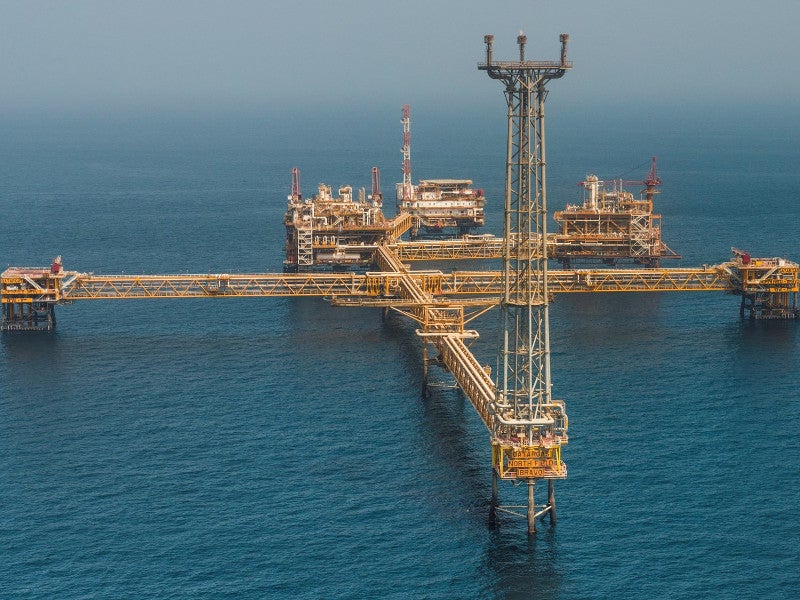
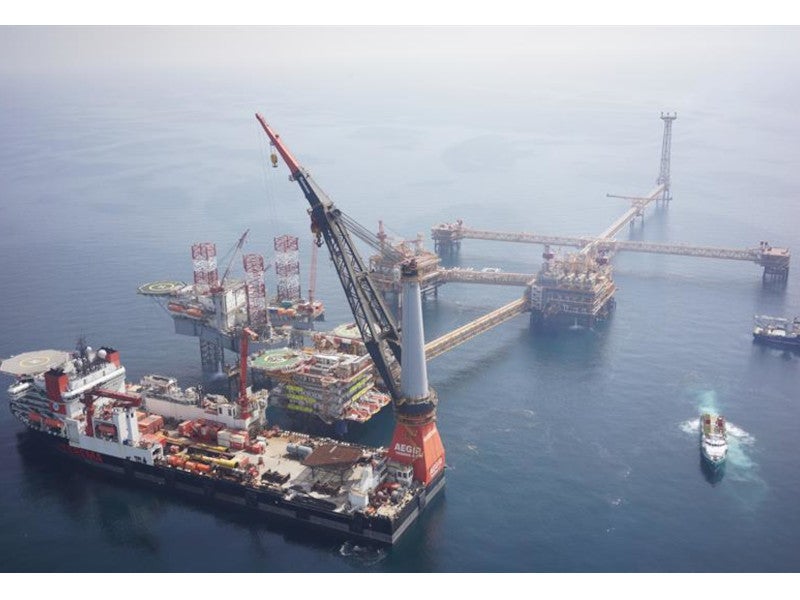
Natural gas is firmly established as the bridge fuel of the energy transition. In 2026, surging Asian demand, energy security concerns, and the need for reliable, lower-carbon power are driving unprecedented investment in LNG infrastructure and subsea pipeline systems.
This article examines why LNG and subsea tiebacks are attracting tens of billions in capital — and what it means for offshore pipeline professionals.
The Bridge Fuel Momentum in 2026
Natural gas is prioritized globally because it:
- Emits ~50–60% less CO₂ than coal when used for power generation.
- Offers fast-ramping flexibility for renewable integration.
- Serves as a reliable backup during low wind/solar periods.
Asia is leading the shift. China, India, Japan, South Korea, and Southeast Asia are moving away from traditional crude oil and coal toward cleaner, more flexible LNG imports.
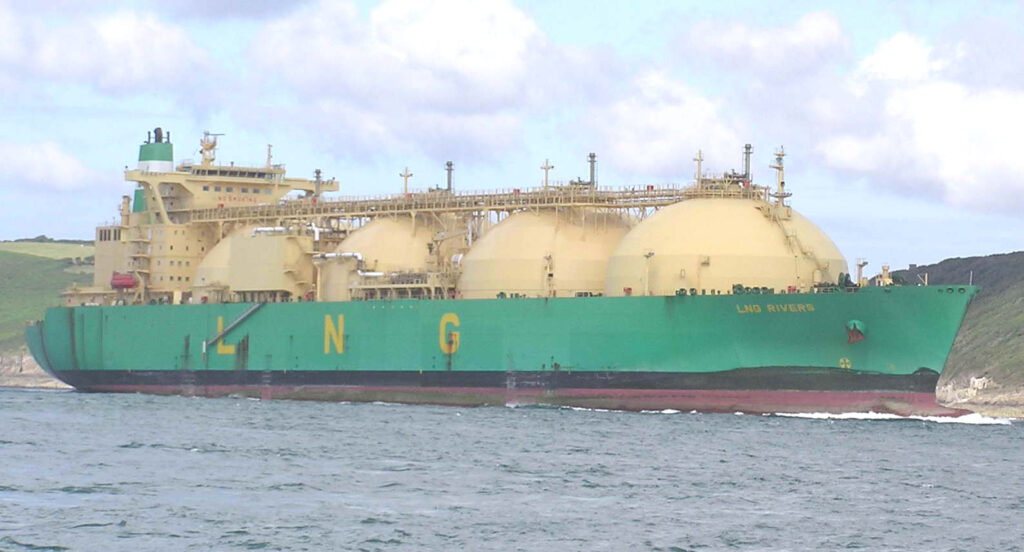
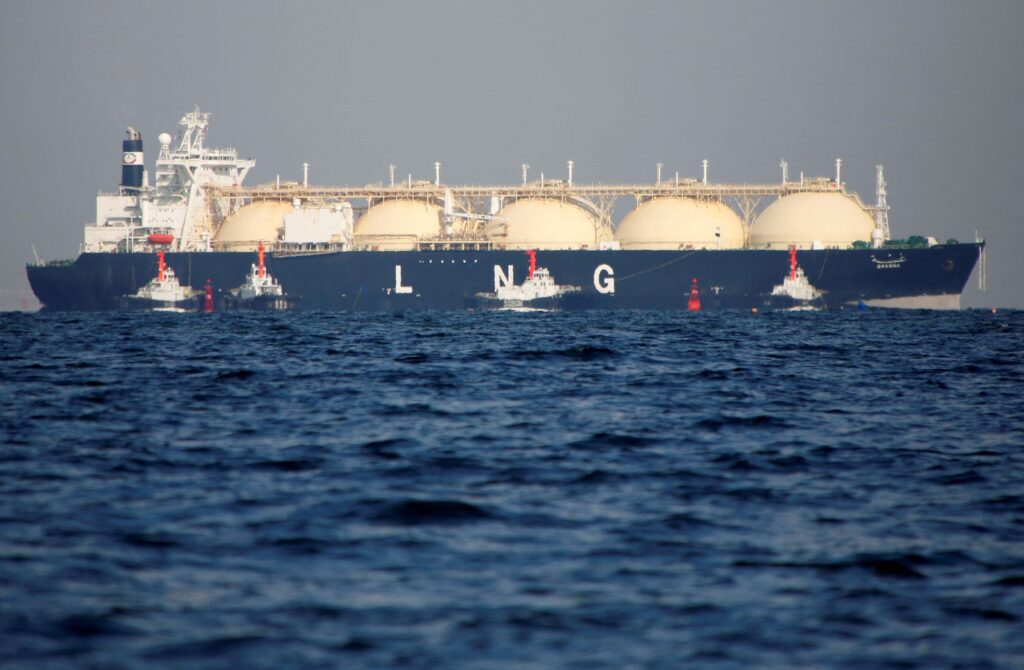
Qatar’s North Field East: The World’s Largest LNG Expansion
QatarEnergy’s North Field East (NFE) project remains the flagship of global LNG growth:
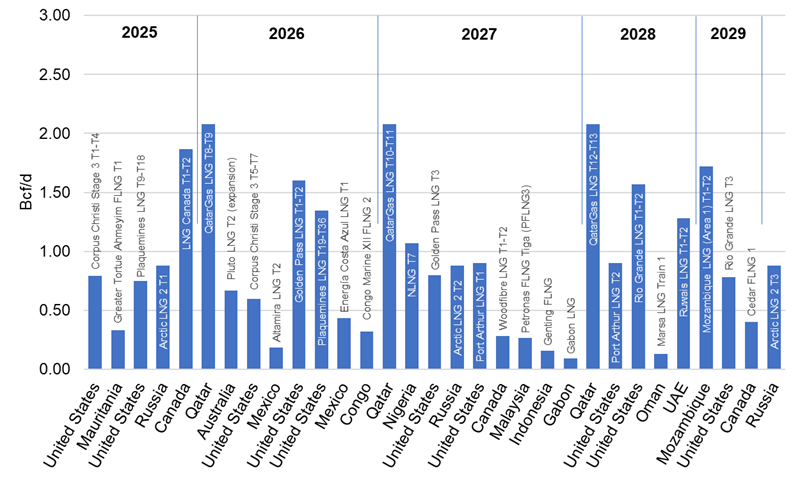
- Increasing Qatar’s LNG capacity from 77 MTPA to 110 MTPA (first phase), with further expansion to 126 MTPA.
- Multiple new LNG trains under construction at Ras Laffan.
- Production ramp-up targeted for late 2026–2027.
- Includes integrated carbon capture elements for lower-emission LNG.
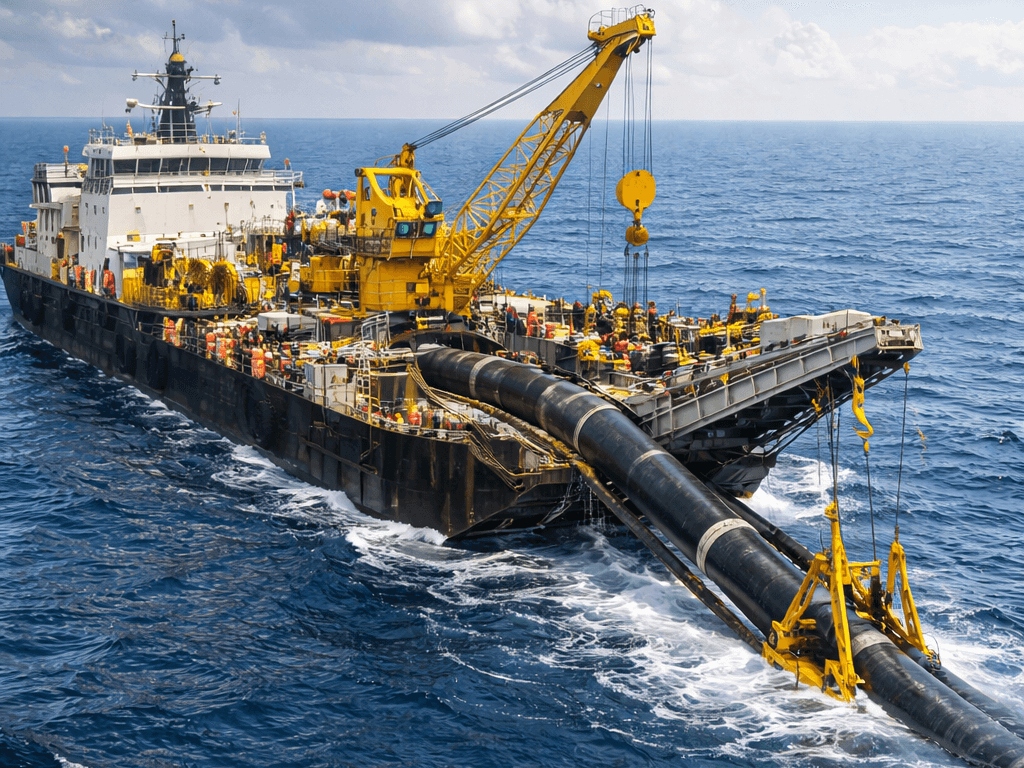
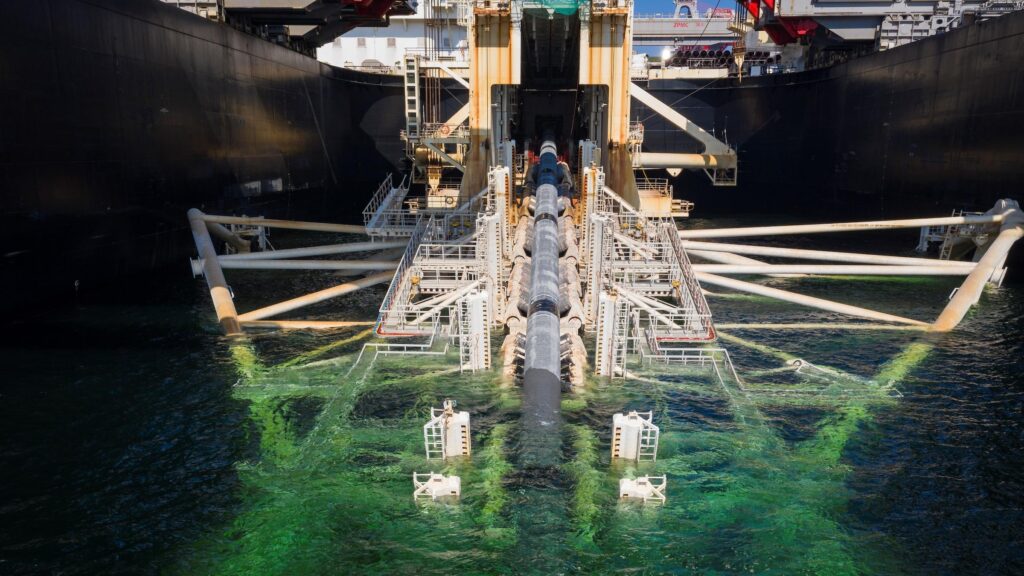
Subsea Pipeline Tiebacks: Connecting Offshore Discoveries to Onshore LNG
One of the most capital-intensive trends in 2026 is the surge in subsea tieback pipelines:
- New offshore gas fields are tied directly to existing or new onshore LNG plants.
- Tiebacks enable faster monetization of stranded or marginal fields.
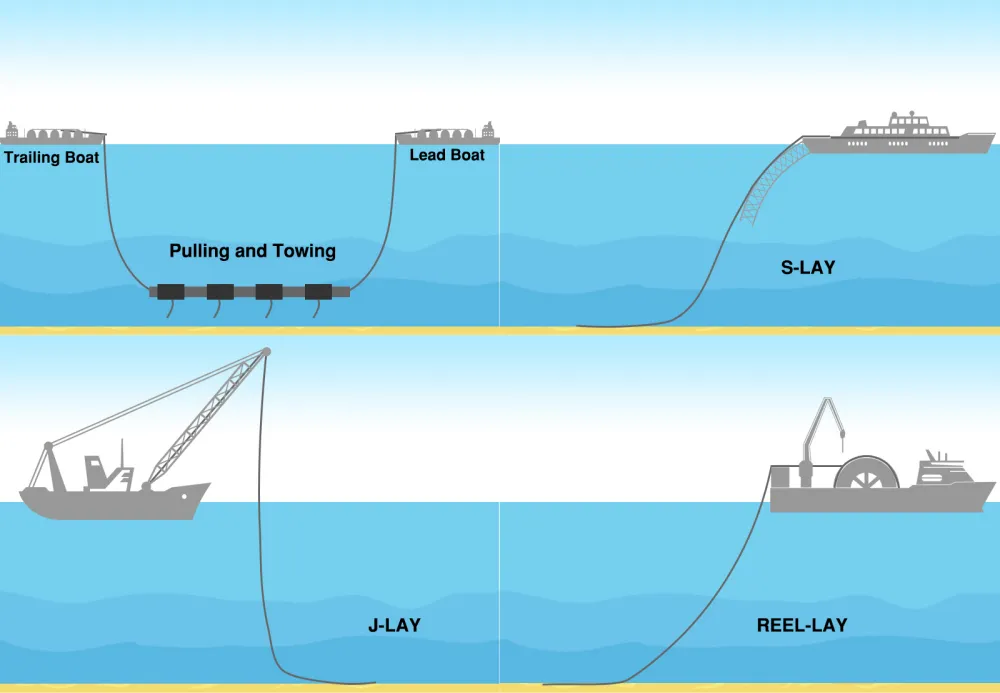
- High demand for flowlines, export pipelines, umbilicals, and risers.
Key regions seeing major activity:
- Guyana & Suriname
- Brazil Pre-Salt
- Australia (Scarborough-Pluto)
- Mozambique, Senegal, and other emerging African hubs
Why Massive Scale in 2026?
- Asian Demand Surge — Driving LNG imports for power, industry, and city gas.
- Energy Security — Post-2022 geopolitical shifts prioritize diversified supply.
- Strong Economics — Combined LNG + pipeline projects deliver attractive returns.
- Technology Maturity — Larger FPSOs, standardized subsea systems, and digital twins reduce costs.
Opportunities for Offshore Pipeline Professionals
This scaling wave creates strong demand for:
- New subsea flowlines and export pipelines.
- Tieback engineering, installation, and trenching.
- Advanced materials (H₂/CO₂ ready).
- Pipeline integrity management and CCUS integration.
Conclusion: The Bridge is Being Built at Scale
In 2026, LNG and subsea pipeline infrastructure are strategic assets powering Asia’s growth, Europe’s security, and global decarbonization efforts. Qatar’s mega-expansion and the wave of subsea tiebacks demonstrate massive capital confidence in natural gas as the reliable bridge fuel.
For those in offshore pipelines, this is a golden window of project activity. The infrastructure being laid today will transport energy for decades.
What LNG or subsea pipeline projects are you tracking? Share your thoughts in the comments!
Next in the series: Autonomous Rigs & AI in Pipeline Operations.
Sources: QatarEnergy, IEA, WoodMac, Rystad, Offshore Technology (2025–mid-2026).
This site uses Amazon affiliate links. Clicking them and making any purchase helps support the creation of more technical content — at no additional cost to you. https://amzn.to/4ew3lSB