Oil & Gas Market Update – June 2026
By Oko , M.Eng | Offshore Pipeline Insight
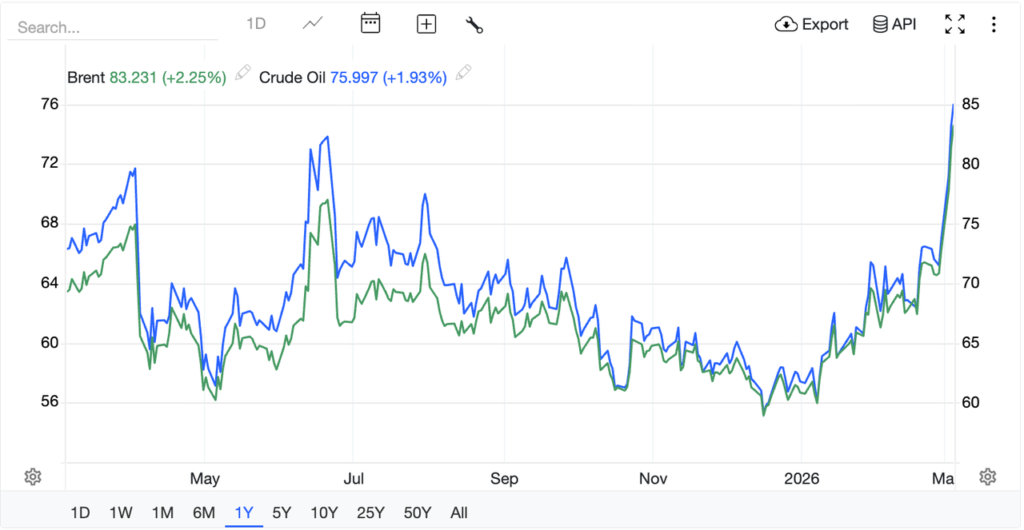
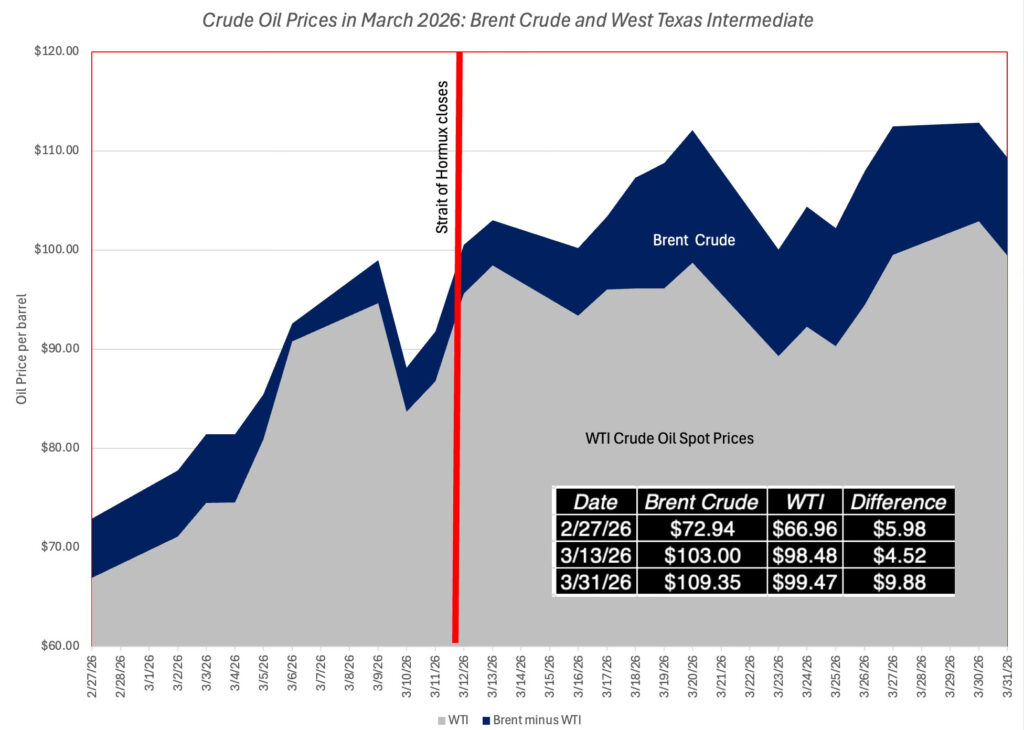
As of June 19–20, 2026, Brent Crude is trading around $80–$81 per barrel, following a sharp ~8% weekly drop. WTI sits near $76–$77/bbl. After dramatic spikes above $100–$120/bbl earlier this year, the market has cooled rapidly.
This volatility is reshaping capital allocation, project timelines, and long-term planning across the offshore and pipeline sector.
The 2026 Price Rollercoaster So Far
- Q1–Q2 Spike: US-Iran conflict and threats to the Strait of Hormuz drove prices sharply higher. Brent briefly exceeded $120/bbl as shipping disruptions and insurance costs soared.
- Recent Pullback: The announced ceasefire and Memorandum of Understanding (MOU) between the US and Iran has eased immediate supply fears.
- Current Range: Brent has settled into the low $80s, reflecting cautious optimism balanced against lingering geopolitical risks.
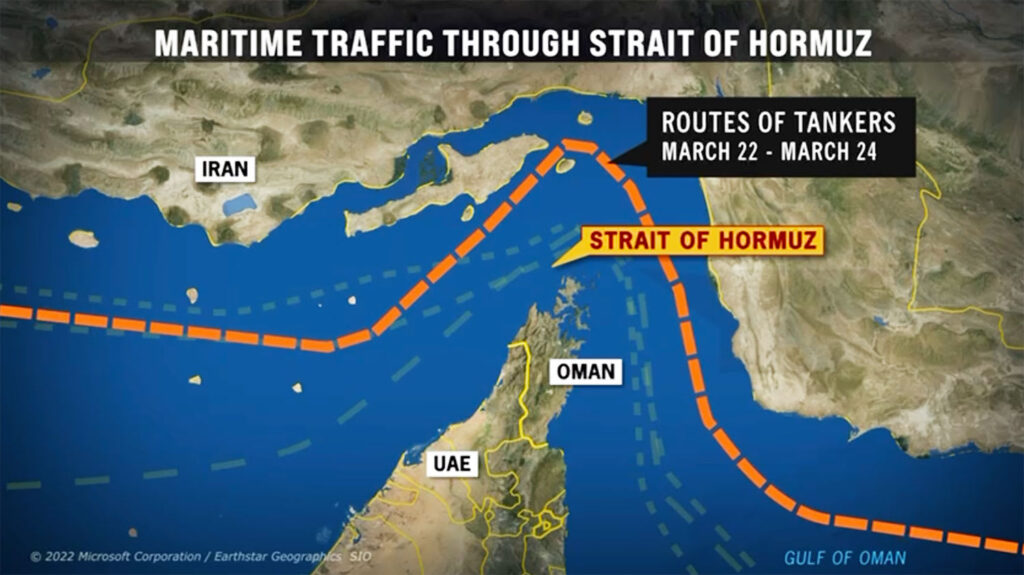
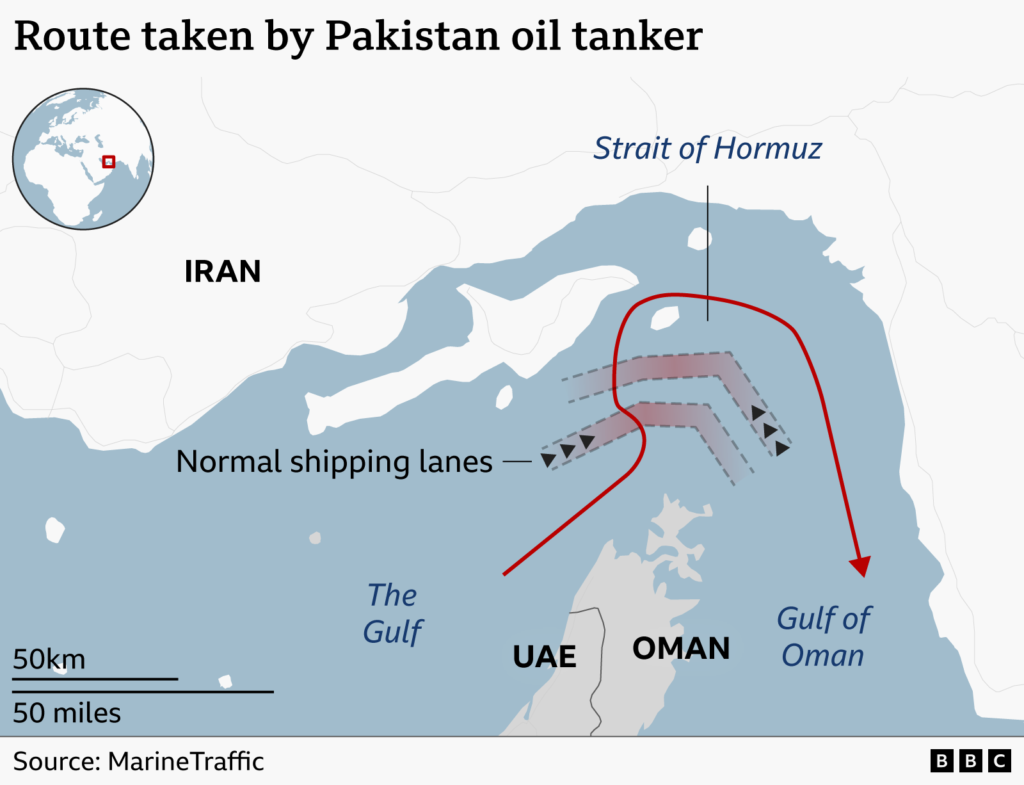
Caption: Maritime traffic through the Strait of Hormuz — a critical chokepoint whose disruptions triggered the earlier 2026 price spike.EIA Outlook: What Comes Next?According to the latest EIA forecasts:
- 2026 Average: Brent expected to average around $95/bbl for the full year, assuming partial recovery of Hormuz flows in Q3–Q4.
- 2027 Projection: Prices likely to ease further to approximately $79/bbl as global supply normalizes.
This “higher-for-longer then softer” outlook creates a complex environment for offshore developers who need price certainty for multi-billion-dollar FID decisions.
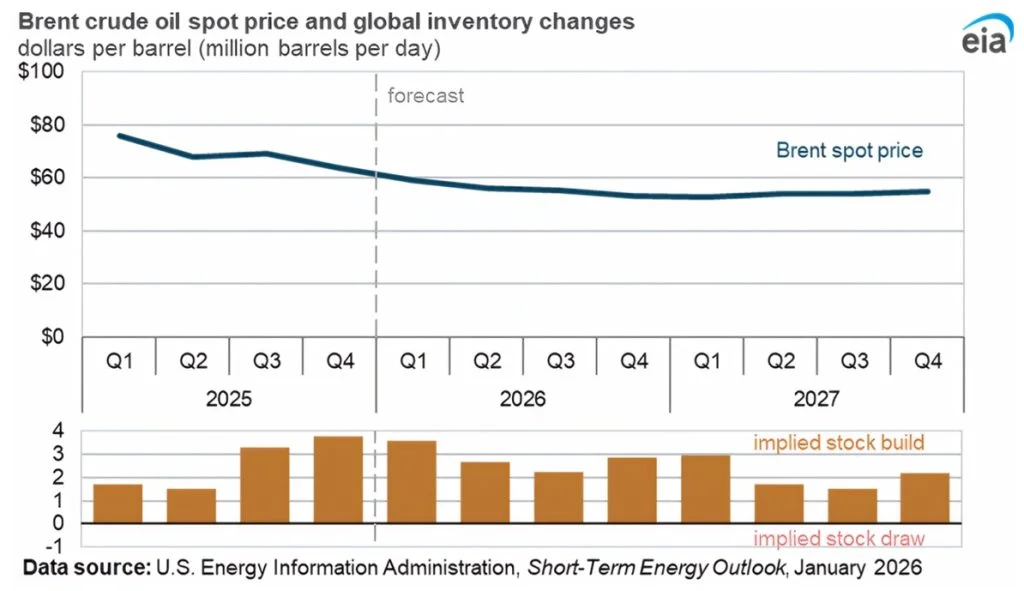
Caption: EIA forecast showing Brent crude price trajectory and implied stock changes through 2027.
Why Volatility Matters Deeply for Offshore & Pipeline Projects
1. Project Economics & Breakevens
Deepwater projects in Guyana, Brazil pre-salt, and Namibia maintain breakevens in the $35–$45/bbl range. Current $80 levels remain comfortably profitable, but sustained drops below $70 could delay marginal tiebacks.
2. Capital Allocation
Operators favor fast-payback subsea tiebacks, phased developments, and flexible offtake (LNG or pipeline export).
3. Supply Chain & Contracting
Pipelay vessels and subsea hardware contractors saw strong demand during the spike; the correction is now producing more competitive rates.
4. LNG & Gas Infrastructure
Lower oil prices support gas demand as a bridge fuel. Qatar’s North Field East and new subsea gas tiebacks remain on track.
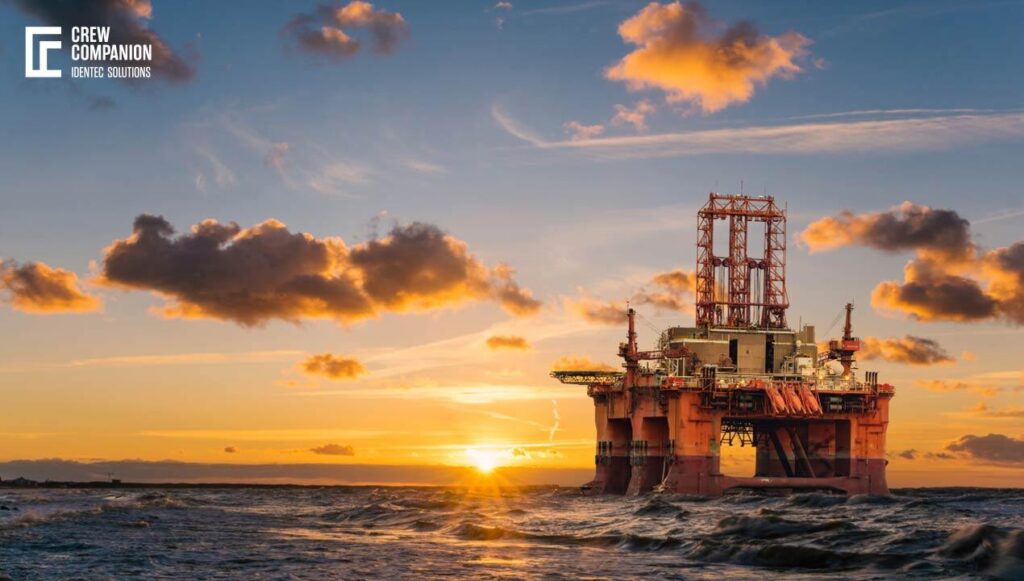
Caption: Offshore platform at sunset — typical of assets whose economics are directly impacted by oil price swings.
Implications for Offshore Pipeline Professionals
- Tieback Acceleration: At $80+/bbl, operators are fast-tracking subsea tiebacks — driving demand for flowlines, risers, and umbilicals.
- H₂ & CCUS Readiness: Many new pipelines are being specified as “future-proof.”
- Integrity & Monitoring: Price swings increase focus on uptime and predictive maintenance.
- Regional Shifts: Gulf of Mexico and North Sea projects benefit from stable demand, while frontier regions remain highly price-sensitive.
What to Watch in Coming Weeks
- Progress on US-Iran MOU and Hormuz traffic resumption.
- OPEC+ production decisions.
- US inventory data and Asian LNG trends.
- Second-quarter earnings from majors.
Bottom Line
The 2026 oil price environment is high enough to support strong cash flow and new offshore developments, but volatile enough to demand disciplined execution and flexible project designs.For pipeline and subsea professionals, this translates to continued strong activity in tiebacks, LNG infrastructure, and hybrid energy projects.
What’s your view on current oil prices? Do you expect more offshore projects to move forward, or are you seeing delays in your region?
Share in the comments!
Sources: Trading Economics, EIA Short-Term Energy Outlook (June 2026), market analysis (mid-June 2026).
If you want to dive deeper into subsea pipeline integrity and digital monitoring, I highly recommend Subsea Pipeline Design, Analysis, and Installation by Qiang Bai . https://amzn.to/4eptkN2
This book is an excellent resource for understanding the practical applications of digital twins in offshore operations.” or general amazon purchases https://amzn.to/4eptkN2