
By Oko Immanuel, M.Eng | Offshore Pipeline Insight | July 2026
The rapid growth of renewable energy is reshaping the global power landscape. However, the intermittent nature of solar and wind power has created a critical need for reliable energy storage. In 2026, battery energy storage systems (BESS)have emerged as one of the fastest-growing segments in the energy industry, playing a central role in integrating renewables into the grid.
This integration is no longer just about adding more solar panels or wind turbines — it’s about building a stable, flexible, and resilient power system capable of meeting surging electricity demand, particularly from data centers and electrification.
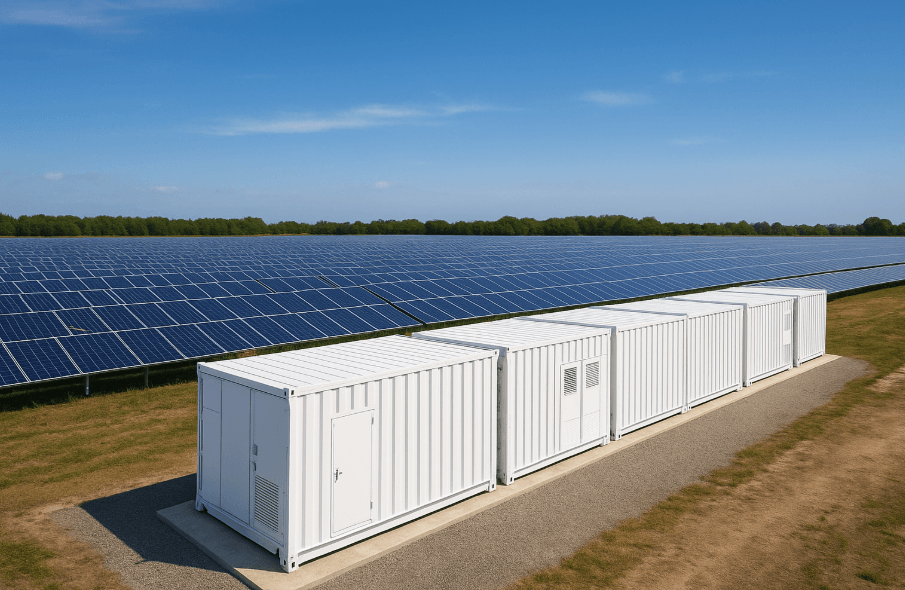
Caption: Large-scale battery energy storage system (BESS) installed alongside a solar farm, enabling better integration of renewable energy.
Why Battery Storage Is Booming in 2026
Battery storage has moved from a supporting technology to a core component of modern energy systems. Several factors are driving this explosive growth:
- Record renewable energy additions: Solar and wind continue to dominate new power capacity additions globally.
- Grid stability challenges: As renewables make up a larger share of the energy mix, grid operators need storage to balance supply and demand.
- Data center demand: Hyperscale data centers require massive amounts of reliable, 24/7 clean power.
- Declining battery costs: Lithium-ion battery prices have dropped significantly, making large-scale storage projects economically viable.
- Policy support: Governments are offering incentives and mandates to accelerate energy storage deployment.
In 2025 and 2026, utility-scale battery storage additions reached record levels in many regions, with the United States, China, and Europe leading the way.
The Critical Role of Battery Storage in Renewables Integration
Solar and wind power are variable by nature. The sun doesn’t always shine, and the wind doesn’t always blow. Battery storage solves this problem by storing excess energy when production is high and releasing it when demand exceeds supply.Key benefits of battery storage integration include:
- Shifting renewable energy to peak demand hours
- Providing frequency regulation and grid stability
- Reducing curtailment (wasted renewable energy)
- Enabling higher renewable penetration without compromising reliability
- Supporting black start capabilities during grid outages
Without adequate storage, grids risk instability as renewable penetration increases. Battery systems act as a buffer, making the transition to clean energy smoother and more reliable.
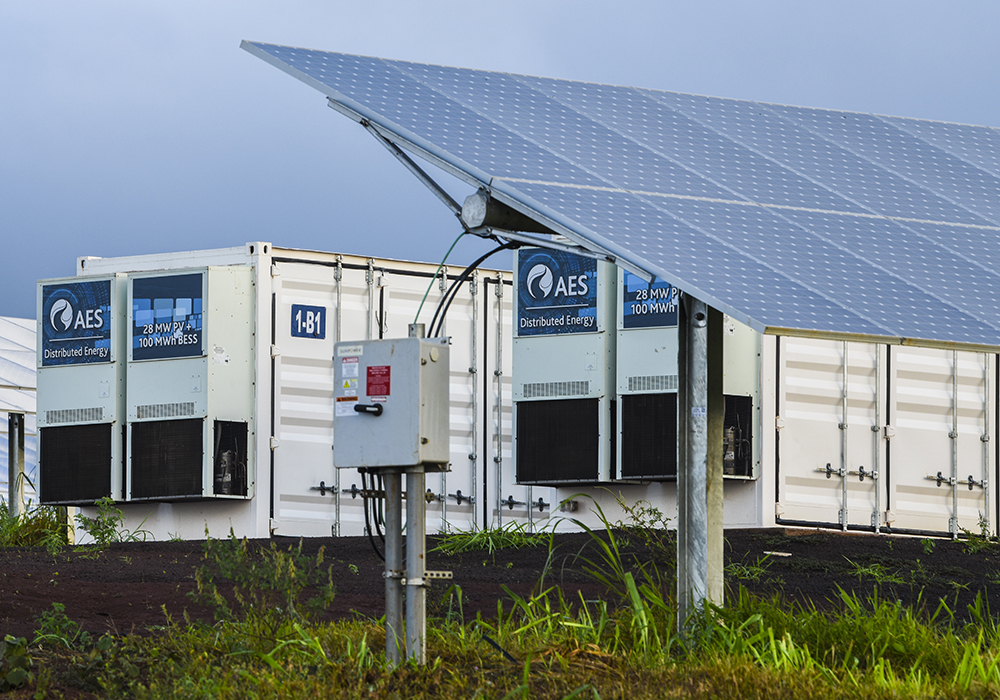
Caption: Containerized battery storage units paired with solar installations — a common setup for renewable + storage hybrid projects.
Data Centers: The New Driver of Battery Storage Demand
One of the biggest stories in 2026 is the explosive growth of data centers, driven by artificial intelligence, cloud computing, and digital transformation.Data centers require:
- Massive amounts of electricity
- Extremely high reliability (often 99.999% uptime)
- Increasingly, carbon-free or renewable energy
Because solar and wind alone cannot provide constant power, many technology companies are turning to battery storage + renewables hybrid solutions. Some are even developing on-site or co-located battery systems to ensure clean, reliable power around the clock.
This trend is creating new opportunities for energy storage developers and changing how utilities plan their grid investments.
How Battery Storage Supports Grid Stability
As renewable energy grows, grid operators face new challenges in maintaining stability. Battery storage provides several essential grid services:
| Grid Service | How Battery Storage Helps | Benefit to the Grid |
|---|---|---|
| Frequency Regulation | Responds in milliseconds to maintain grid frequency | Prevents blackouts and equipment damage |
| Peak Shaving | Discharges during high-demand periods | Reduces need for expensive peaker plants |
| Renewable Firming | Stores excess solar/wind and releases later | Increases renewable utilization |
| Transmission Deferral | Reduces congestion on power lines | Delays costly grid upgrades |
| Backup Power | Provides emergency power during outages | Improves grid resilience |
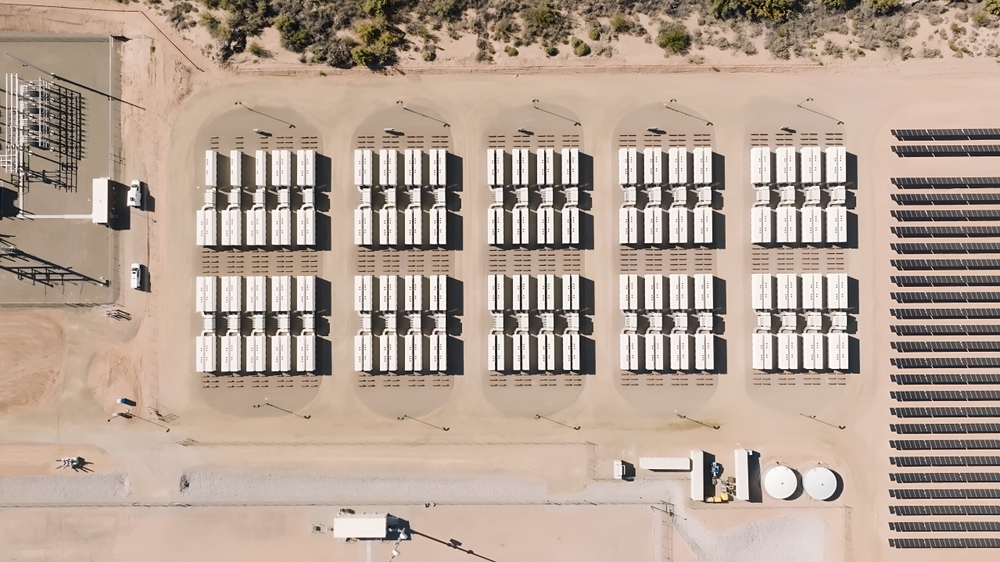
These capabilities make battery storage one of the most valuable assets in today’s evolving energy system.Caption: Large grid-scale battery storage facility — essential for maintaining stability as renewable energy penetration increases.
Challenges in Scaling Battery Storage + RenewablesDespite rapid growth, several challenges remain:
- Supply chain constraints: Limited availability of critical minerals (lithium, nickel, cobalt).
- Permitting and interconnection delays: Many storage projects face long wait times to connect to the grid.
- Safety concerns: Thermal runaway risks in large battery installations require advanced safety systems.
- Long-duration storage gap: Most current batteries provide 2–4 hours of storage. Longer-duration technologies are still developing.
- Recycling and sustainability: Managing end-of-life batteries is becoming an increasing concern.
Addressing these challenges will be critical for maintaining the current growth trajectory.
The Future of Battery Storage and Renewables Integration
Looking ahead, several trends are expected to shape the sector:
- Hybrid renewable + storage projects becoming the standard model
- Long-duration energy storage (LDES) technologies gaining traction
- AI and smart software optimizing battery operations and grid services
- Behind-the-meter storage growing alongside utility-scale projects
- Policy and market reforms to better compensate storage for grid services
By 2030, battery storage is expected to play an even more central role in enabling a high-renewable energy future.
Conclusion
Battery storage is no longer just a supporting technology — it has become essential infrastructure for the clean energy transition. The integration of battery storage with solar and wind is solving one of the biggest challenges of renewables: variability.As data center demand surges and grids incorporate higher shares of renewable energy, battery storage will continue to grow in importance.
For energy professionals, understanding this evolving landscape is critical — whether in project development, grid operations, policy, or investment.
The combination of renewables and battery storage represents one of the most significant shifts in how the world generates, stores, and consumes electricity. In 2026 and beyond, this integration will define the future of the power sector.