
By Oko , M.Eng | Offshore Pipeline Insight | July 2026
As data centers, manufacturing facilities, and large industries increasingly demand 24/7 carbon-free electricity, the energy industry is shifting its focus from intermittent renewables alone to “firm” clean power — sources that can generate electricity reliably around the clock.
Two technologies are gaining significant attention in this space: Geothermal energy and Hydro Repowering. Together, they are emerging as key solutions to provide dispatchable, low-carbon power that doesn’t rely on weather conditions.This shift is reshaping investment priorities, project development, and long-term energy planning in 2026.
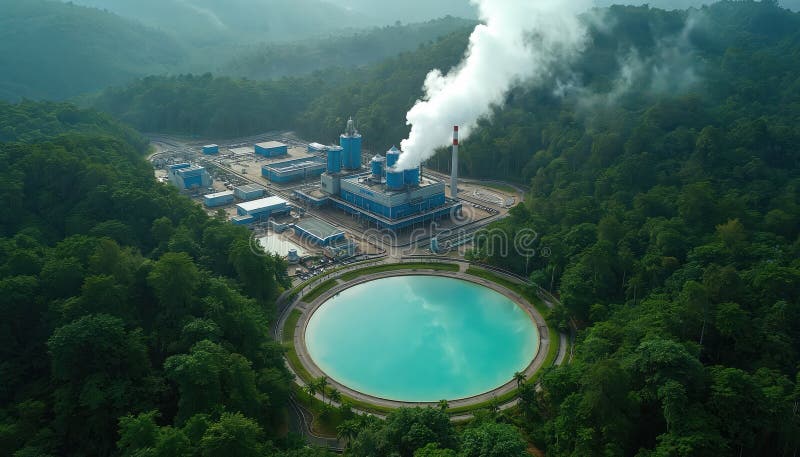
Caption: Aerial view of a geothermal power plant, one of the most reliable sources of firm, 24/7 clean energy.
Why “Firm” Clean Power Matters in 2026
Traditional renewables like solar and wind are cheap and scalable, but they are intermittent. They only produce power when the sun shines or the wind blows. While battery storage helps smooth out variability, it is still expensive for very long durations.
Firm clean power refers to renewable or low-carbon sources that can generate electricity on demand, similar to traditional baseload plants (like coal or nuclear), but without the high emissions.Key drivers behind the growing demand for firm clean power include:
- Explosive growth in data centers (especially for AI)
- Corporate sustainability goals requiring 24/7 carbon-free energy
- Grid reliability concerns as renewable penetration increases
- Need for dispatchable clean power to replace retiring coal and gas plants
Data Centers Driving the Demand for Always-On Clean Energy
Data centers are one of the fastest-growing electricity consumers in the world. A single large data center can use as much power as a small city. Tech companies like Google, Microsoft, Amazon, and Meta have made strong commitments to run their operations on carbon-free energy 24/7.Because solar and wind alone cannot guarantee round-the-clock power, many companies are now actively seeking firm clean power sources such as:
- Geothermal
- Repowered hydroelectric plants
- Nuclear (including small modular reactors)
- Long-duration storage paired with renewables
This demand is creating new opportunities for geothermal and hydro projects.
Geothermal Energy: The Original Firm Renewable
Geothermal power plants tap into the Earth’s natural heat to generate electricity. Unlike solar or wind, geothermal plants can run 24 hours a day, 7 days a week, making them one of the most reliable forms of renewable energy.Advantages of Geothermal:
- High capacity factor (often 80–95%)
- Very low emissions
- Small land footprint compared to solar or wind
- Long plant lifespan (30–50+ years)
- Can provide both electricity and direct heat
Challenges:
- High upfront drilling costs and exploration risk
- Limited to areas with suitable geothermal resources
- Longer development timelines
In 2026, interest in geothermal is rising again due to new drilling technologies and growing demand for firm clean power. Enhanced Geothermal Systems (EGS) are also expanding the potential for geothermal beyond traditional volcanic regions.
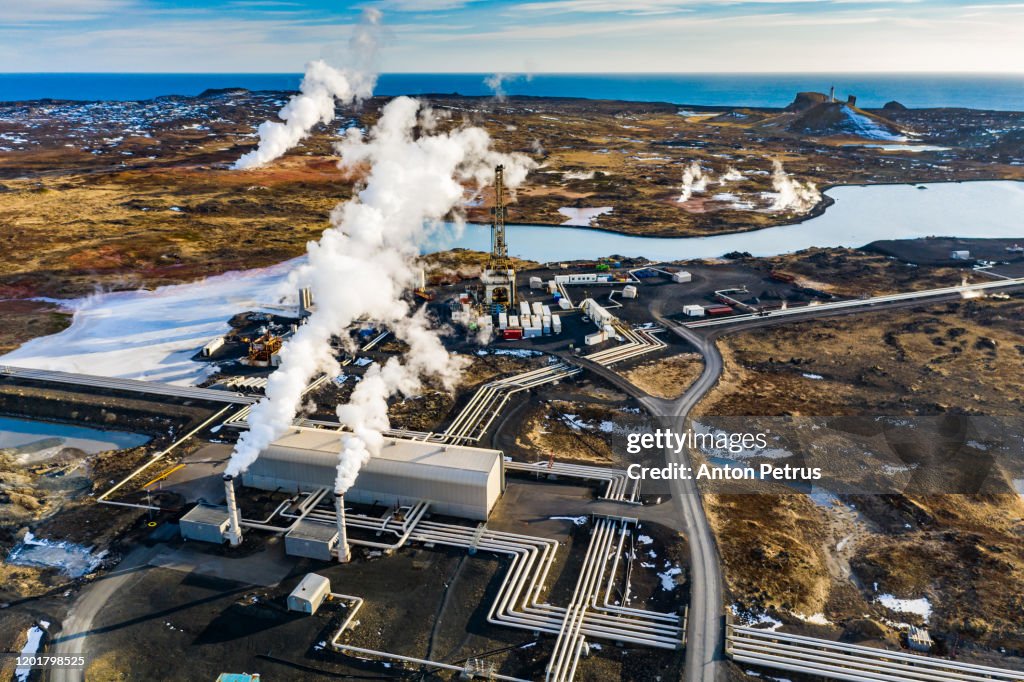
Caption: Geothermal power plant in Iceland — an example of reliable, always-on renewable energy production.
Hydro Repowering: Unlocking More Power from Existing Dams
Hydro re-powering involves upgrading and modernizing existing hydroelectric facilities to increase output, improve efficiency, and extend their operational life. This approach is often faster and less controversial than building new dams.
Benefits of Hydro Re-powering:
- Increases clean power generation without new environmental impacts from dam construction
- Improves turbine efficiency and output
- Adds flexibility for grid support (some plants can ramp up/down quickly)
- Extends the life of valuable existing infrastructure
- Can sometimes add pumped storage capabilities
Many older hydro plants in North America and Europe were built decades ago and are due for major upgrades. Re-powering these facilities is becoming an attractive way to add firm, dispatch-able renewable capacity quickly.
Geothermal vs Hydro Repowering: A Quick Comparison
| Feature | Geothermal | Hydro Repowering | Winner for Firm Power |
|---|---|---|---|
| Availability | 24/7 baseload | 24/7 (with water availability) | Tie |
| Development Time | 5–10 years | 2–5 years | Hydro Repowering |
| Environmental Impact | Low (small footprint) | Low to moderate | Geothermal |
| Scalability | Limited by resource location | Limited by existing dams | Geothermal (with EGS) |
| Cost | High upfront, low operating cost | Moderate to high | Hydro Repowering |
| Grid Flexibility | Excellent baseload | Good (some plants can be flexible) | Geothermal |
The Role of Firm Clean Power in the Energy Transition
While battery storage + solar/wind hybrids are growing rapidly, they are not always the most cost-effective solution for 24/7 power. Firm clean power sources like geothermal and repowered hydro offer natural advantages for:
- Providing baseload clean energy
- Supporting grid stability
- Meeting corporate 24/7 carbon-free energy goals
- Reducing reliance on natural gas peaker plants
Many experts now believe that a successful energy transition will require a mix of technologies: intermittent renewables + storage and firm clean power sources.
Challenges Facing Geothermal and Hydro RepoweringDespite their advantages, both technologies face hurdles:
- Geothermal: High exploration risk and long permitting timelines.
- Hydro Repowering: Regulatory complexity, environmental reviews, and aging infrastructure issues.
- Competition from other technologies: Battery storage and new nuclear are also competing for the “firm power” space.
- Financing: Some investors still prefer faster-deploying solar + storage projects.
Outlook for 2026 and Beyond
The demand for firm clean power is expected to grow significantly over the next decade.
Key trends include:
- More corporate offtake agreements for geothermal and hydro power
- Government support and incentives for firm clean energy
- Technological improvements in Enhanced Geothermal Systems (EGS)
- Increased focus on modernizing existing hydro fleets
As data centers and heavy industry continue expanding, the need for reliable, always-on clean electricity will only increase.
Conclusion
The shift toward firm clean power — particularly through geothermal development and hydro repowering — represents an important evolution in the renewable energy transition. While solar and wind will continue to dominate new capacity additions, they alone cannot meet the growing need for 24/7 carbon-free power.Geothermal and upgraded hydroelectric facilities offer proven, reliable solutions that complement intermittent renewables.
For energy professionals and infrastructure developers, these technologies represent both a technical opportunity and a strategic response to changing market demands.As the world moves toward deeper decarbonization, firm clean power will likely play an increasingly important role alongside batteries and other flexible resources.