By Oko , M.Eng | Offshore Pipeline Insight | July 2026
Methane emissions have become one of the most critical regulatory and operational challenges facing the natural gas pipeline industry. In 2026, pipeline companies are under increasing pressure from stricter methane regulations in both the United States and Europe.
These rules are pushing operators to improve leak detection, accelerate repairs, and adopt new technologies to reduce emissions across their networks.
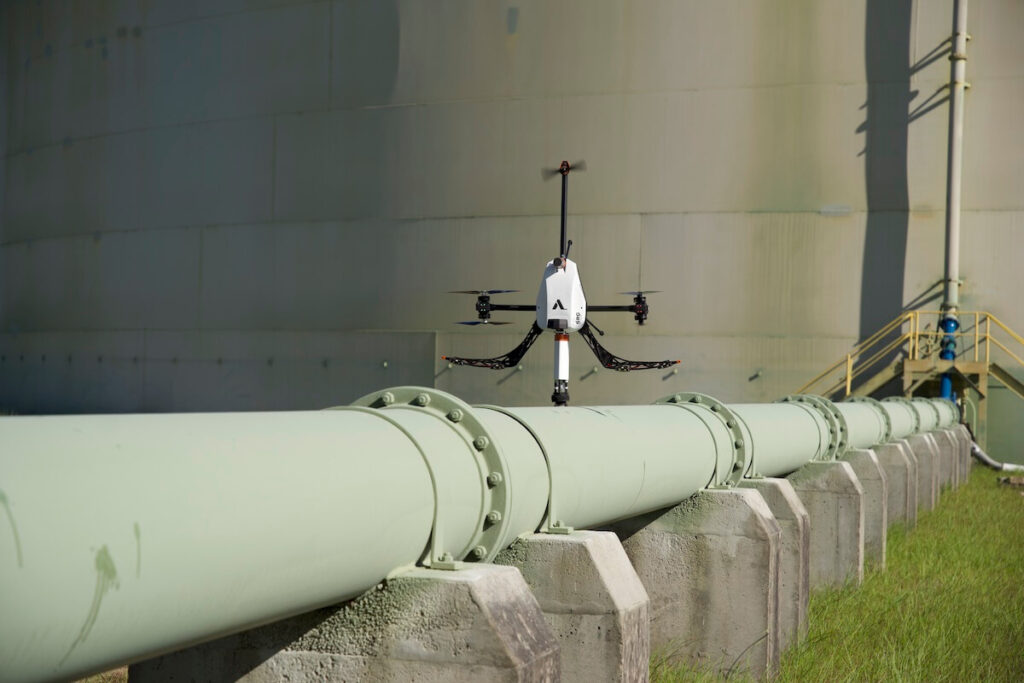
Caption: Drone technology being deployed for pipeline inspection and methane leak detection.
Why Methane Regulations Are Tightening
Methane is a powerful greenhouse gas with approximately 80 times the warming potential of carbon dioxide over a 20-year period. Although it remains in the atmosphere for a shorter time than CO₂, its short-term climate impact is significant.Regulators are now focusing heavily on methane because:
- Natural gas infrastructure (pipelines, compressor stations, and facilities) is a major source of methane emissions.
- New, more accurate detection technologies have made leaks easier to identify.
- Governments and investors are demanding faster progress on climate goals.
As a result, what was once largely a voluntary effort has become a regulated, measurable, and financially material issue for pipeline companies.
Key Methane Regulations in 2026
Pipeline operators are currently navigating several important regulations:
| Regulation | Region | Main Requirements | Impact on Pipeline Companies |
|---|---|---|---|
| EPA Methane Rule | United States | Frequent monitoring, repair deadlines, reporting | Major compliance and operational changes |
| EU Methane Regulation | Europe | Mandatory monitoring and reduction targets | Affects both domestic and imported gas |
| Methane Waste Emissions Charge | United States | Financial penalties for excess emissions | Direct cost impact on high-emitting assets |
| State-level methane rules | Various US States | Stricter local requirements | Additional layer of compliance |
These regulations are forcing companies to move beyond traditional inspection methods and adopt more advanced, technology-driven approaches.
How Pipeline Companies Are Adapting
Pipeline operators are responding to these regulations through several key strategies:
1. Upgrading Leak Detection Programs
Companies are investing heavily in new detection technologies, including drones, satellites, continuous monitoring sensors, and advanced optical gas imaging cameras.
2. Accelerating Repair Timelines
New rules often require leaks to be repaired within days or weeks instead of months. This has led to increased maintenance resources and better coordination between detection and repair teams.
3. Modernizing Compressor Stations
Compressor stations are among the largest sources of methane emissions. Many operators are upgrading equipment, improving seals, and installing vapor recovery systems.
4. Building Strong Data and Reporting Systems
Accurate record-keeping and reporting are now essential. Companies are implementing centralized data platforms to track emissions and demonstrate compliance.
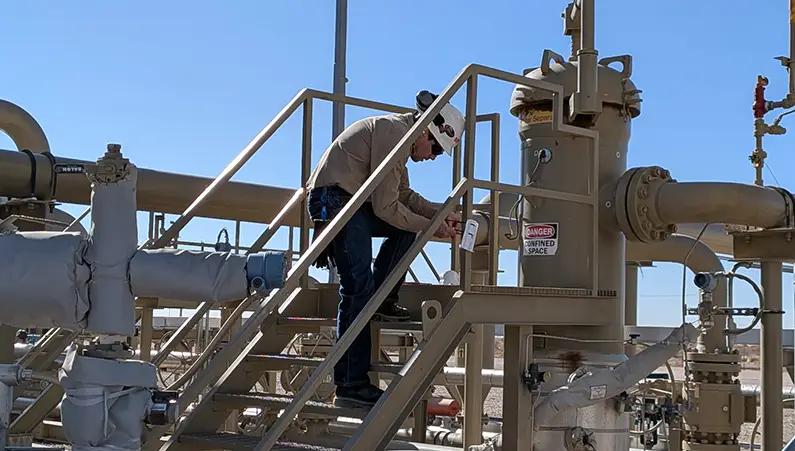
Caption: Technician conducting emissions monitoring at a natural gas compressor station.
Technologies Being Deployed
Technology is playing a central role in helping pipeline companies meet new methane regulations:
- Drone and aerial surveys — Faster and safer inspections of pipelines and facilities
- Continuous monitoring sensors — Real-time data at high-risk locations
- Satellite methane detection — Useful for identifying large emission events
- AI-powered data analysis — Helps prioritize repairs and reduce false positives
- Fiber optic sensing — Emerging technology for continuous pipeline monitoring
These tools are improving both compliance and operational efficiency by helping companies detect and fix leaks earlier.
Challenges Pipeline Companies Face
Adapting to stricter methane regulations is not without difficulties:
- Significant capital investment required for new monitoring systems
- Shortage of skilled technicians trained in advanced detection technologies
- Managing large volumes of emissions data across extensive pipeline networks
- Balancing fast repair requirements with thorough investigations
- Uncertainty as regulations continue to evolve
Opportunities Created by Methane Regulations
While challenging, these regulations are also creating new opportunities:
- Competitive advantage for companies with strong emissions performance
- Reduced product loss through better leak management
- Growing demand for emissions monitoring services and technology
- Potential revenue from carbon credits generated through verified reductions
- Improved public and investor perception
What This Means for Pipeline Professionals
For field engineers, integrity specialists, and operations teams, these changes are affecting daily work. There is now greater emphasis on emissions monitoring, documentation, and the use of new technologies. Professionals who develop skills in methane management and low-emission operations are becoming increasingly valuable.
Future Outlook
Methane regulations are expected to become even stricter in the coming years. Key trends include wider use of continuous monitoring, lower detection thresholds, greater reliance on satellite and AI technologies, and stronger financial penalties for non-compliance.
Pipeline companies that invest early in technology and robust compliance systems will be better positioned as the regulatory environment continues to tighten.
Conclusion
Methane regulations in 2026 represent a major shift for the pipeline industry. Compliance now requires more than periodic inspections — it demands advanced technology, faster response times, strong data systems, and a proactive approach to emissions reduction.
Companies that view methane management as both a regulatory requirement and an opportunity to improve operations will be best positioned for long-term success in an increasingly carbon-conscious energy landscape.