By Oko, M.Eng | Offshore Pipeline Insight | July 28 2026
Public scrutiny of the U.S. pipeline network has intensified in 2026 as attention focuses on the integrity of aging infrastructure that has long surpassed its original design life. Federal data shows that nearly half of all U.S. crude oil pipelines are more than 50 years old. At the same time, a series of high-profile incidents — including the Delfin LNG pipeline explosion in Louisiana and the Northern Natural Gas explosion in Minnesota — has driven sharp increases in public searches related to “pipeline explosion accountability” and “corrosion tracking.”
This combination of aging assets and recent severe events has elevated concerns about pipeline safety, environmental risk, and the effectiveness of current integrity management programs.
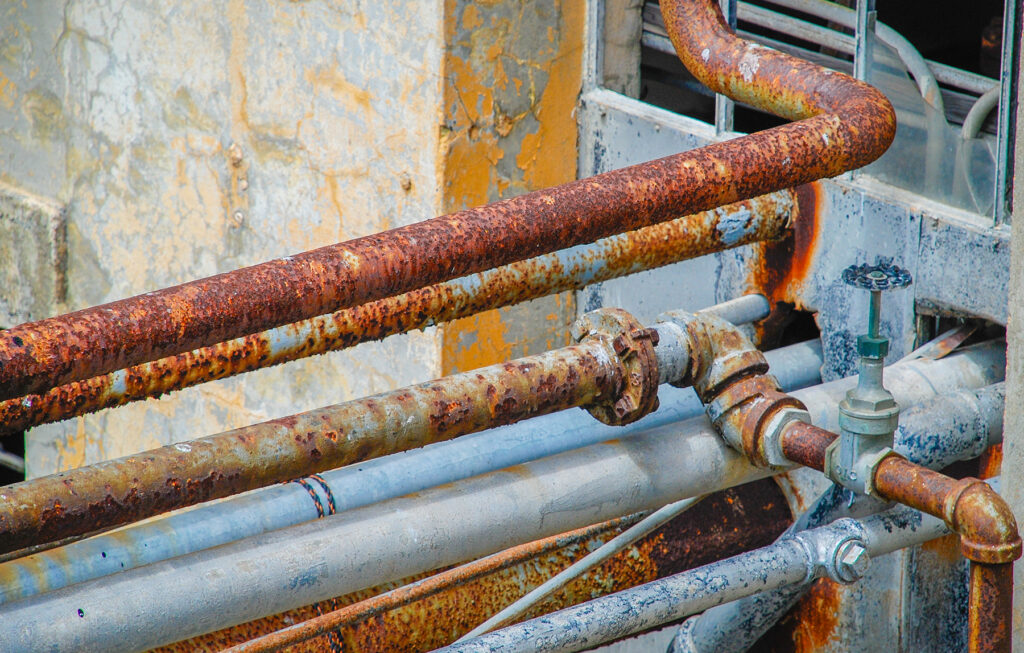
Caption: Heavily corroded pipes illustrating the challenges of aging energy infrastructure.
The Scale of Aging Pipeline InfrastructureA substantial portion of the U.S. pipeline system was built during earlier decades of energy expansion. Many crude oil, natural gas transmission, and distribution lines now operate well beyond the 40- to 50-year service lives that were originally anticipated.
Key statistics and trends include:
- Nearly half of U.S. crude oil pipelines are over 50 years old.
- Large segments of the natural gas transmission network also date from the mid-20th century.
- Older pipelines often rely on early coating systems, limited cathodic protection designs, and materials that are more susceptible to long-term degradation.
While many of these lines have been maintained, upgraded, or reassessment under modern integrity management rules, age remains a significant risk factor when combined with corrosion, external damage, or changing operating conditions.
Recent High-Profile Incidents
Two recent events have sharpened public and regulatory focus:
- Delfin LNG pipeline explosion in Louisiana — This incident highlighted the potential consequences of failures on lines connected to LNG infrastructure and raised questions about accountability and maintenance of critical gas transportation assets.
- Northern Natural Gas explosion in Minnesota — The event drew attention to the risks associated with transmission pipelines and the need for robust corrosion monitoring and integrity assessment programs.
These incidents, along with others, have fueled online searches and media coverage around pipeline explosion causes, operator accountability, and the effectiveness of corrosion tracking systems. They also reinforce the connection between aging infrastructure and the potential for catastrophic failures.
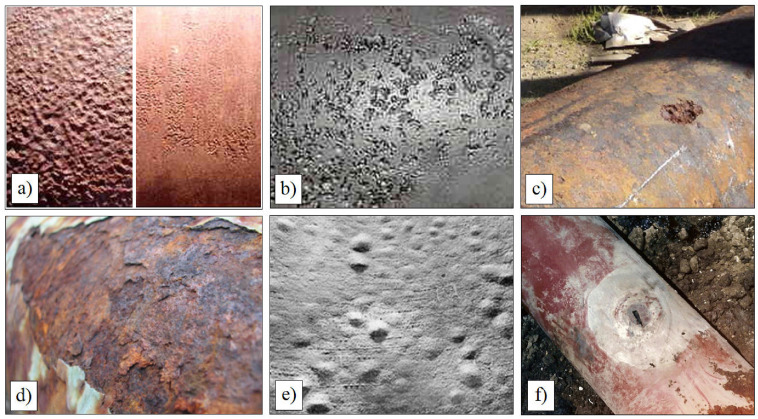
Primary Threats to Aging Pipelines and Several degradation mechanisms become more pronounced as pipelines age:
1. Corrosion
Internal and external corrosion remain leading threats. Older coatings can deteriorate, cathodic protection systems may become less effective, and long-term exposure to soil, water, and transported fluids can reduce wall thickness.
2. Material fatigue and cracking
Repeated pressure cycles, ground movement, and thermal stress can initiate or grow cracks over decades of service.
3. External interference and third-party damage
Aging lines are often located in areas that have seen significant development, increasing the likelihood of excavation strikes.
4. Outdated design and construction practices
Some older pipelines were built to standards that do not fully align with current expectations for toughness, weld quality, or fracture control.
5. Limited historical data
Records from early construction eras may be incomplete, making risk assessment more challenging.
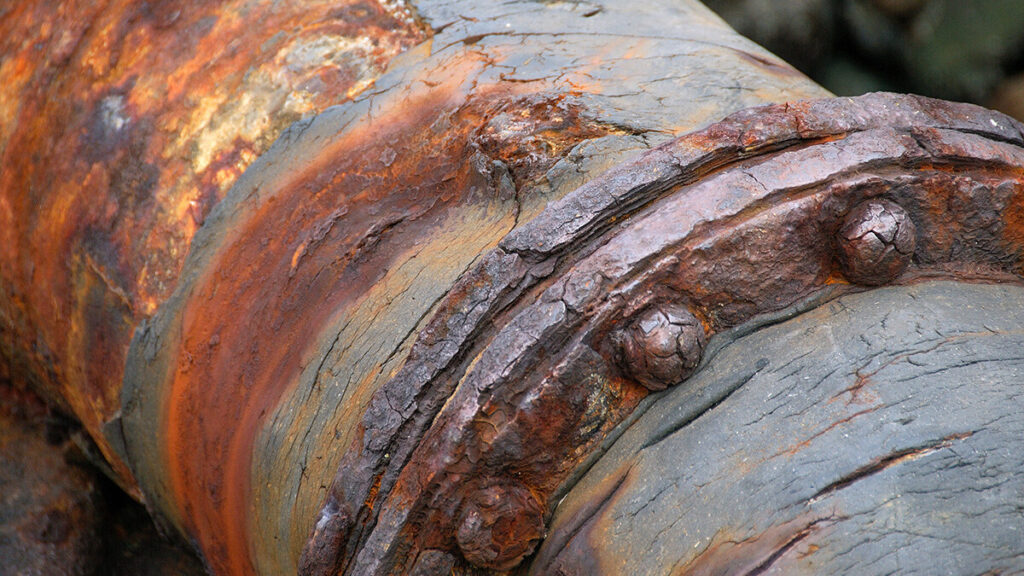
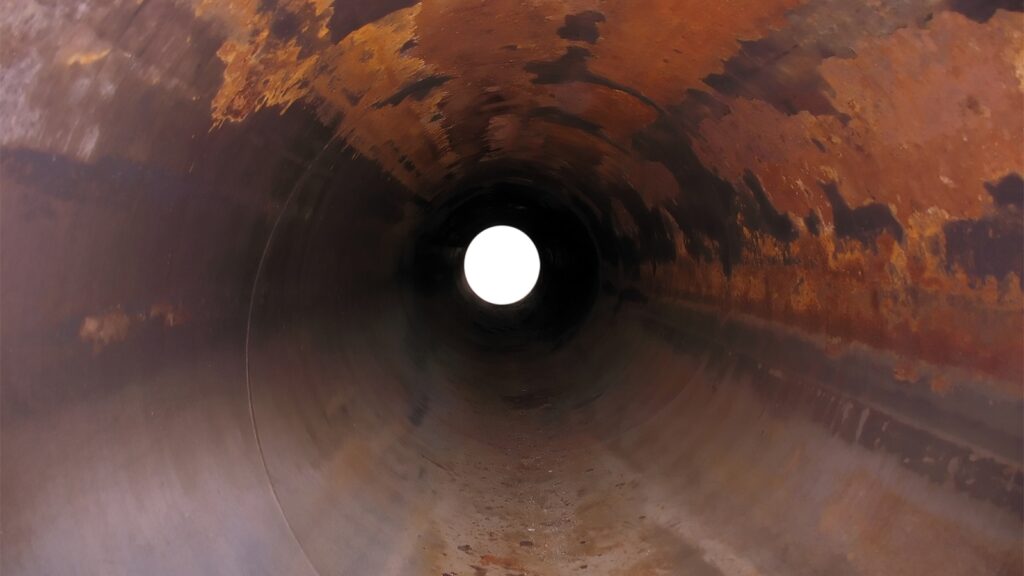
Caption: Internal view of a corroded pipeline, highlighting the progressive nature of wall loss over time.
Public and Regulatory Scrutiny in 2026.
The combination of aging infrastructure statistics and recent explosions has increased pressure on operators and regulators.
Key themes in public discussion include:
- Operator accountability for maintenance and inspection of older lines
- Transparency in corrosion monitoring and integrity data
- Adequacy of current regulatory requirements for pipelines operating beyond original design life
- The balance between continued operation of existing infrastructure and investment in replacement or major upgrades
Federal and state agencies continue to emphasize integrity management programs, in-line inspection (ILI), direct assessment, and risk-based prioritization. However, high-profile failures keep the effectiveness of these programs under close examination.
Industry Responses and Mitigation Strategies
Pipeline operators are addressing aging infrastructure risks through a range of measures:
- Expanded use of high-resolution in-line inspection tools to detect corrosion, cracks, and geometric anomalies
- Improved corrosion control programs, including coating upgrades and enhanced cathodic protection
- Risk-based integrity management that prioritizes higher-consequence segments
- Selective pipeline replacement or pressure reductions on higher-risk sections
- Advanced data analytics and machine learning to better predict degradation
- Greater investment in leak detection and real-time monitoring systems
Many operators also participate in industry initiatives focused on sharing lessons learned and improving damage-prevention and integrity practices.
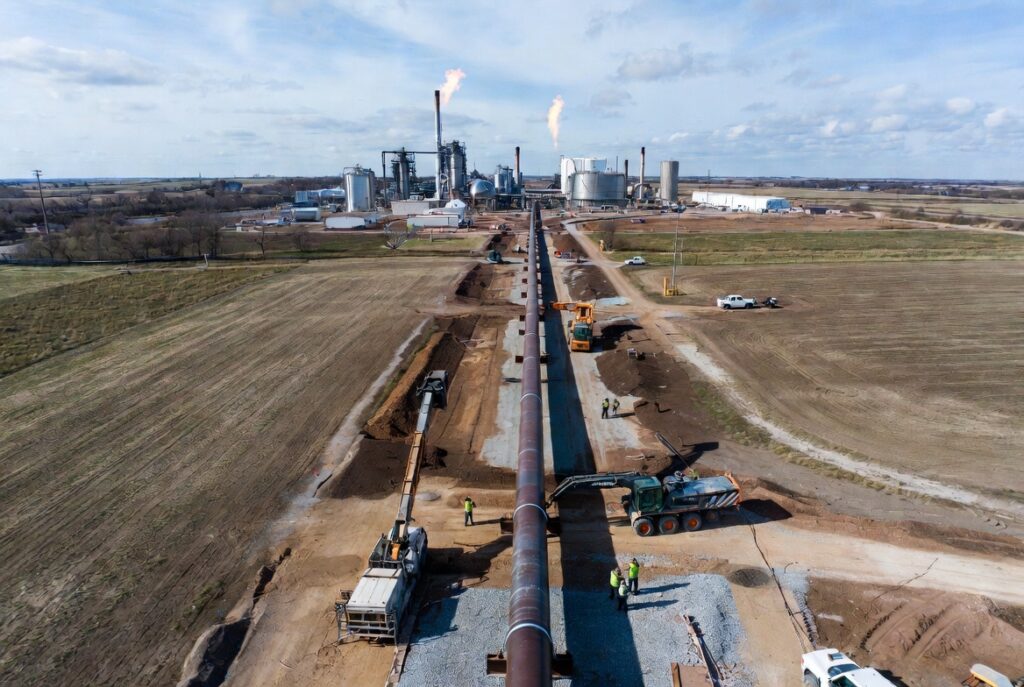
Implications for Pipeline Professionals For engineers, integrity specialists, and field teams, the current environment underscores several priorities:
- Accurate assessment of remaining life and fitness-for-service
- Effective corrosion monitoring and data interpretation
- Clear documentation and communication of integrity findings
- Preparedness for increased regulatory and public scrutiny following any incident
- Balancing the economic value of existing assets with safety and environmental performance
Looking Ahead
Aging infrastructure will remain a central challenge for the U.S. pipeline industry for the foreseeable future. While modern integrity management tools have significantly improved the ability to monitor and mitigate risks, the sheer volume of older pipelines means that corrosion, material degradation, and the potential for failures will continue to require sustained attention and investment.
Recent explosions have served as stark reminders of the consequences when integrity systems fall short. Going forward, continued progress in inspection technology, data-driven risk assessment, proactive replacement strategies, and transparent accountability will be essential to maintaining public confidence and protecting communities and the environment.
The crisis of aging infrastructure is not simply a technical issue — it is a test of the industry’s ability to manage long-lived assets safely in an era of heightened scrutiny.
Find useful products I recommend:https://amzn.to/45t1AS4