By Oko Immanuel, M.Eng | Offshore Pipeline Insight | July 28 2026
Onshore pipeline construction companies are facing growing public backlash and increasing regulatory fines for failing to properly stabilize the land they clear. Environmental watchdogs and state agencies are intensifying enforcement against operators who allow large volumes of sediment runoff to pollute local streams, fishing waters, and retention ponds.
This issue has gained significant attention through ongoing environmental legal battles, including state violations issued against midstream operators in Pennsylvania for failing to prevent accelerated erosion along underground gas pipeline routes. Local communities are closely tracking these cases, raising the stakes for operators across the industry.
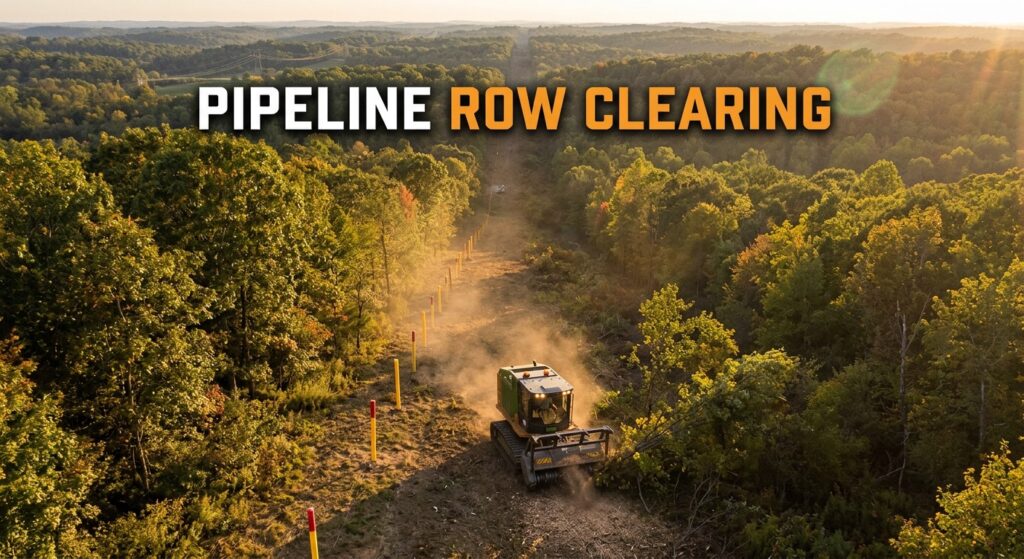
Caption: Pipeline right-of-way clearing operations — land disturbance that requires strong erosion and sediment controls.
Why Soil Erosion and Sedimentation Matter ?
When pipeline crews clear rights-of-way, dig trenches, and move soil, they expose large areas of bare ground. Without effective controls, rainwater carries loose soil (sediment) into nearby waterways. This sediment pollution can:
- Cloud water and reduce oxygen levels
- Smother fish eggs and aquatic habitats
- Damage drinking water sources
- Fill retention ponds and drainage systems
- Harm local fishing and recreational areas
What begins as a construction necessity can quickly become an environmental violation if proper stabilization measures are not maintained throughout the project and during restoration.
The Current Trend: Stronger Enforcement
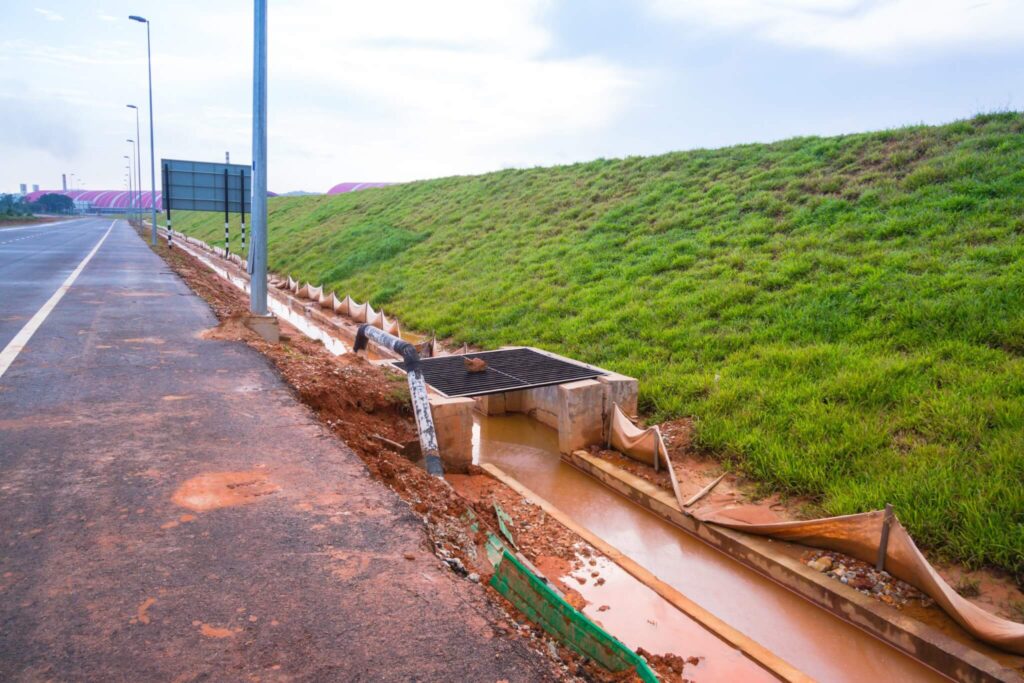
State environmental agencies and environmental advocacy groups have increased inspections and penalties related to erosion and sediment control (E&S) failures. Pennsylvania has been particularly active, issuing violations to midstream operators for inadequate controls along gas pipeline corridors.
Common findings in these cases include:
- Insufficient silt fencing or failed sediment barriers
- Bare soil left exposed for extended periods
- Inadequate temporary or permanent seeding
- Poorly maintained water bars, slope breakers, or diversion structures
- Sediment-laden water leaving the right-of-way during storms
As public awareness grows, communities near pipeline projects are more likely to report problems, photograph runoff, and push agencies for action. This has created higher scrutiny and greater financial and reputational risk for operators.
Real-World Consequences
Violations related to soil erosion and sedimentation can result in:
- Significant civil penalties and fines
- Project delays while corrective actions are completed
- Requirements for additional restoration work
- Increased oversight on future projects
- Negative public perception and community opposition
- Potential impacts on permitting for new pipelines
In some cases, repeated or severe violations have led to broader legal challenges and long-term monitoring requirements.
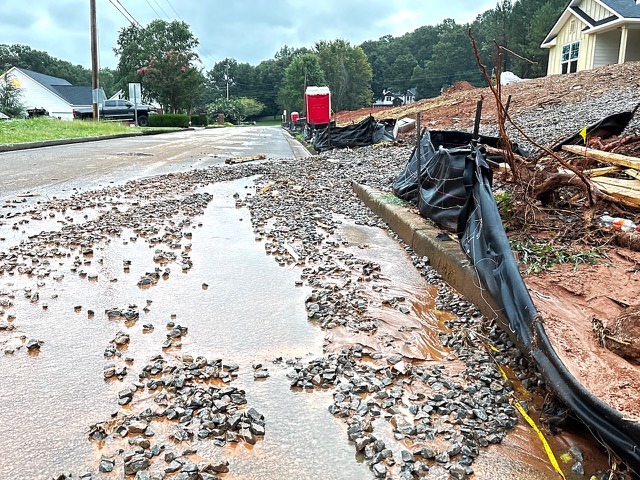
Caption: Example of sediment runoff from a construction site entering roadways and drainage areas.
Key Causes of Erosion and Sedimentation Problems
Several factors commonly contribute to violations during pipeline construction:
- Inadequate planning — Erosion and sediment control plans that do not match actual site conditions or weather patterns.
- Delayed installation of controls — Clearing land before silt fences, mulch, or other measures are in place.
- Poor maintenance — Controls that become damaged or overwhelmed during storms and are not promptly repaired.
- Extended exposure of soil — Long gaps between clearing, trenching, and final restoration.
- Challenging terrain — Steep slopes, highly erodible soils, or high rainfall areas that require more robust measures.
- Incomplete restoration — Failure to achieve adequate vegetation cover after construction.
Best Practices for Prevention
Responsible operators are strengthening their approach to erosion and sediment control. Effective practices include:
- Developing detailed, site-specific E&S plans before clearing begins
- Installing controls (silt fence, compost socks, sediment traps, etc.) prior to or immediately after disturbance
- Using temporary seeding, mulching, or erosion control blankets on exposed slopes
- Installing water bars and slope breakers at proper intervals
- Conducting frequent inspections, especially before and after rain events
- Maintaining and repairing controls promptly
- Achieving rapid final restoration with proper topsoil replacement and seeding
- Training crews and contractors on the importance of continuous compliance
Many companies now treat erosion and sediment control as a core part of project execution rather than a secondary environmental requirement.
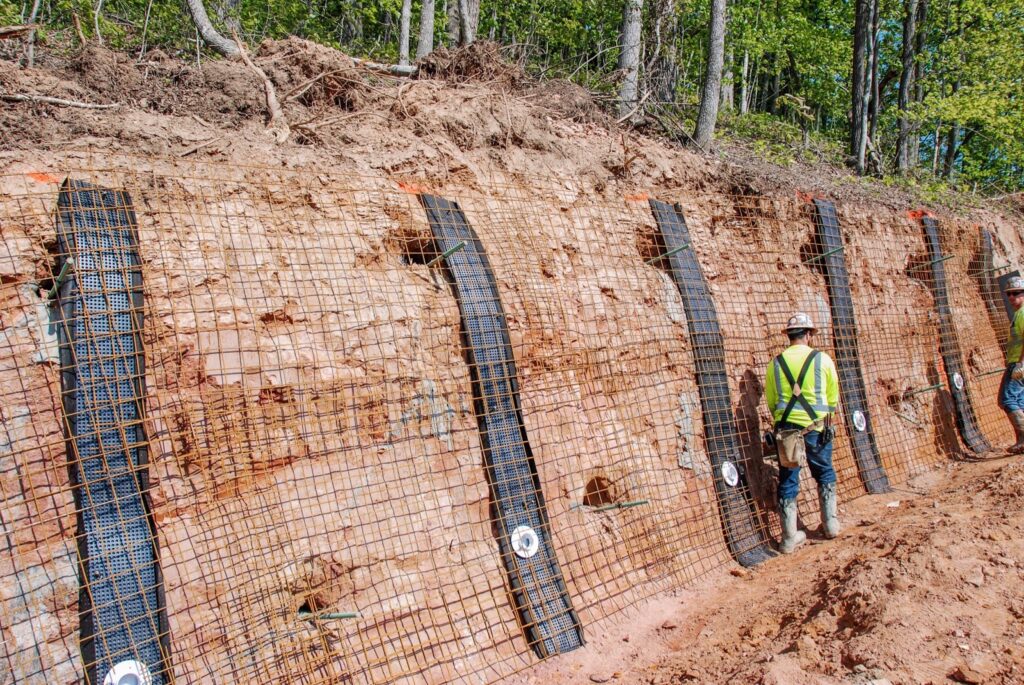
Caption: Engineered erosion control measures installed on a steep construction slope.
Regulatory and Community Context in 2026
Environmental agencies continue to emphasize that pipeline construction must protect water quality throughout the life of a project. In states with active midstream development, inspectors are paying closer attention to right-of-way conditions, stormwater management, and post-construction restoration.
At the same time, local communities and environmental groups are using social media, public meetings, and formal complaints to highlight visible sediment problems. This combination of regulatory pressure and public attention means that even smaller or temporary failures can escalate quickly.
Implications for Pipeline Professionals
For construction managers, environmental specialists, field engineers, and project teams, the message is clear:
- Erosion and sediment control is a high-visibility compliance issue
- Strong planning and daily attention in the field are essential
- Documentation of inspections and corrective actions provides important protection
- Working closely with environmental contractors and agencies reduces risk
- Good performance on E&S can help maintain community and regulatory relationships
Looking Ahead
Soil erosion and sedimentation violations will remain a significant risk area for onshore pipeline construction. As agencies maintain or increase enforcement and communities stay engaged, operators who invest in robust controls, rapid response, and thorough restoration will be better positioned to avoid fines, delays, and reputational damage.
Preventing sediment pollution is not only a regulatory requirement — it is a practical necessity for responsible pipeline development in 2026 and beyond.
Heads up! If you need to restock your household essentials or pick up some new gear, consider using my link. I get a small commission at no extra cost to you, which helps me write more content like this. Thanks for the support!
👉👉 [Shop Amazon Here. https://amzn.to/4fYF2Pb