Seven satellite wells. One hull you already own. First oil targeted in 2027. This is how the North Sea builds now.
21 September 2026
Nobody is pouring a new platform for Balder Next.
Vår Energi and Kistos sanctioned Balder Next New Wells as a tieback to the Jotun FPSO. Ocean Installer, a Moreldcompany, won the fast-track EPCI for all SURF — subsea umbilicals, risers and flowlines — on top of flexible flowline and riser procurement awarded in late 2025. OneSubsea supplies the subsea production system. Parent Moreld calls the new award a major contract: more than NOK 2 billion (about $200 million), excluding the earlier flexibles package. It is among the largest jobs in Ocean Installer’s history. First oil is aimed at 2027. Project completion is 2028.
That is the 2026 North Sea model in one paragraph. Hang more wells on a hull that already has a process kit. The project is the pipe.
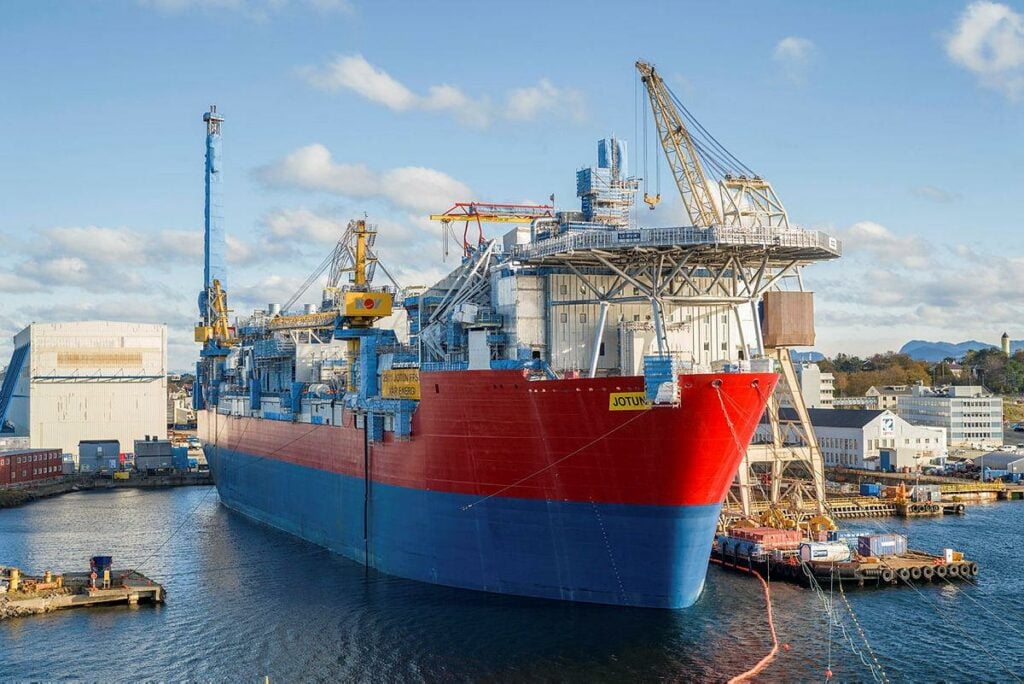
Caption: Jotun is the hub. Balder Next does not need a second one. It needs flowlines, risers and a hook-up that does not fight the weather window.
What was awarded
Ocean Installer’s scope is installation of the full SURF system plus the flexibles already bought. The field expansion is a cluster of single-satellite wells tied back to Jotun. Later project write-ups describe seven wells; an earlier Moreld notice said six. Treat seven as the working first-phase count unless Vår publishes a well list. FID on that first phase came in June 2026. Gross 2P reserves attached to the tieback are now cited at 86 million barrels of oil equivalent, up from about 75 millionearlier in the year.Breakeven is around $30/boe. IRR is described as above 35 percent.
This is the third award under the Vår–Ocean Installer subsea partnership signed in June 2022. Partnerships like that exist so a contractor already knows the operator’s specs, vessels and interface with OneSubsea before the weather window opens.
Fast-track EPCI means engineering, buy, build and install on a clock that assumes first oil inside two summers. That only works if flexibles, trees and installation vessels are already in the queue.
Why a tieback beats a new platform
A new fixed platform in this basin is a decade, a public fight and a cost that kills a 86-million-barrel prize. An FPSO you already own is sunk capital. Every extra well that can reach Jotun’s inlet is incremental barrels against a hull, a crew and an export route that exist.SURF is how you spend the money:
- Flowlines move the wellstream.
- Umbilicals send power, chemicals and control.
- Risers climb the last metres onto Jotun.
- Trees and manifolds (OneSubsea) sit on the seabed so each satellite can be isolated.
The construction risk is not “will oil come out of Balder.” It is crossings, lay tension, residual curvature on flexibles, and whether Jotun’s turret or riser balcony still has a slot that matches the design. Brownfield hook-up on a producing FPSO is where schedules die. Live hydrocarbons. Limited shutdown windows. A North Sea winter.
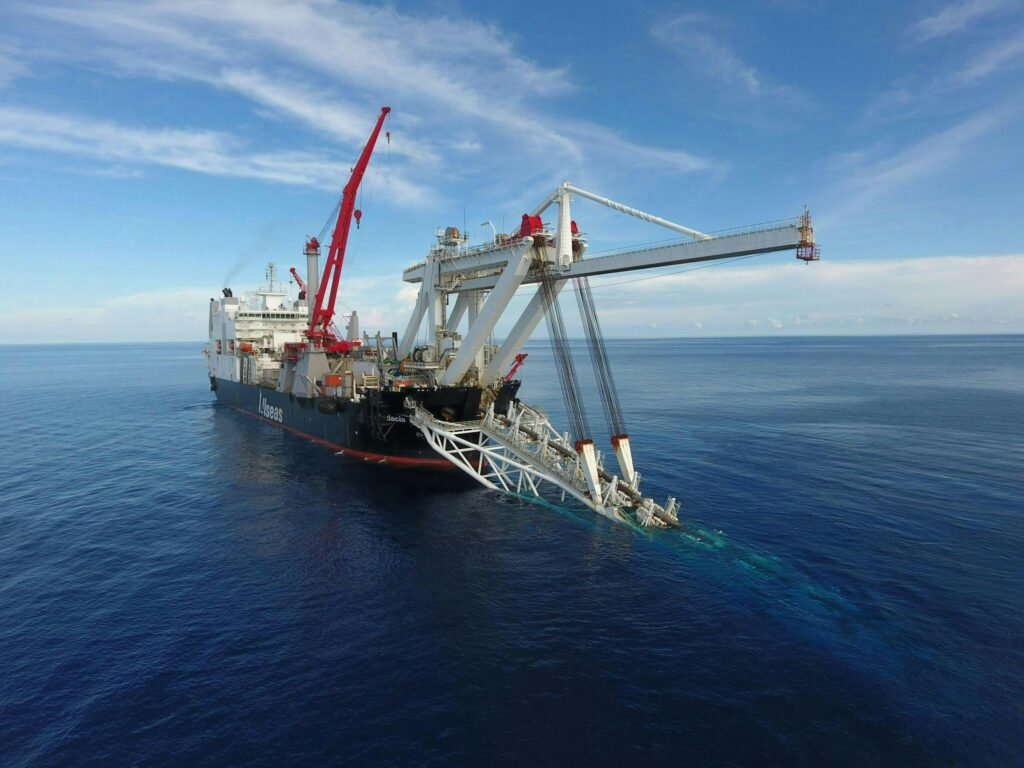
Caption: SURF is pipelay with a smaller diameter and a harder landing. The vessel is the factory. The FPSO is the customer.
Same basin, different steel:
Deepsea BergenDrilling and SURF only look like two industries from a conference badge.
On 10 September 2026, Odfjell Drilling announced a letter of award from Vår Energi for Deepsea Bergen: three yearsfrom early 2028, after the rig’s current job. Firm value about $518 million, including mobilisation, excluding escalation, integrated services, bonuses and fuel. Firm backlog on the unit now runs to Q1 2031. Odfjell bought the 2019 CS-60E harsh-environment semi (formerly Deepsea Bollsta) in late 2025. Less than a year later it is contracted into the next decade.
Balder Next first oil is 2027. Deepsea Bergen’s Vår term starts in 2028. That is not the same well list on the same day. It is the same operator building a multi-year drilling machine while Ocean Installer builds the subsea streets those wells will use. Hubs only work if the bit and the lay barge show up in the same plan.
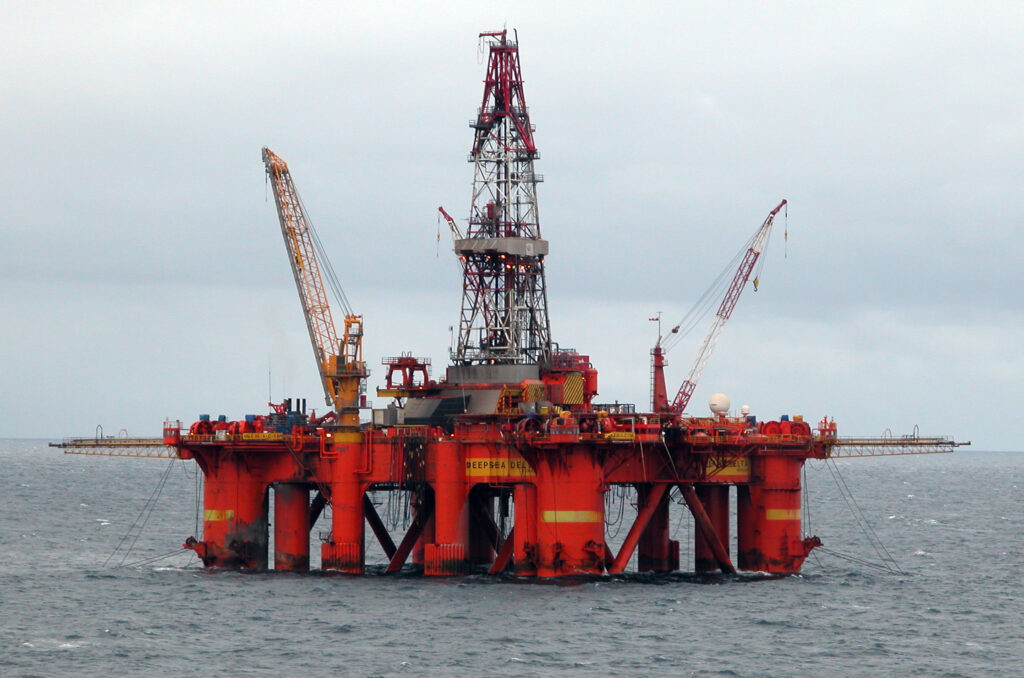
Caption: A harsh-environment semi is how you drill the satellites. Without it, the SURF contract is pipe to a hole that does not exist.
What “major” means on a SURF job
Moreld’s “major” tag is a floor, not a turnkey price. The NOK 2 billion covers the installation EPCI. Flexibles bought in Q4 2025 sit outside that number. Trees, controls and SPS sit with OneSubsea. Drilling sits with whoever is on the well when it is spudded. Add those and Balder Next is a much larger cheque than the headline.
For a pipeline reader the useful comparison is not “is $200 million big.” It is “this is several tens of kilometres of infield pipe, a riser set and a campaign that has to finish before first oil.” That is the same craft as a small export line, done in deeper water with tighter metocean and a live host.
Watch:
- vessel nomination and 2026–27 North Sea weather
- flexible manufacture and storage before load-out
- Jotun riser-slot surveys and any brownfield cutting on the hull
- crossing agreements with existing Balder-area lines
- how first-oil wells are ordered so SURF is not waiting on a late tree
How this sits with the rest of the seriesDelfin and Commonwealth are liquefaction. Papua and Kitimat are Pacific trains. Balder Next is the other half of the energy system: get molecules out of a hole and into a host without building a city at sea.The North Sea will keep doing this until the last economic satellite is hung on the last FPSO. After that the same vessels bury cables and CO2 lines. Ocean Installer’s skill set does not care which fluid is in the pipe. The client does.
Bottom lineOcean Installer’s Balder Next award is a large SURF EPCI on a seven-well tieback to Jotun, first oil 2027, finish 2028, north of $200 million before flexibles. Odfjell’s $518 million Deepsea Bergen LOA is the drilling twin in the same operator’s book. Do not build a platform if a flowline will do. That sentence is Norwegian oil policy in 2026.