By Oko Immanuel, M.Eng in Subsea Engineering
Published: May 06 , 2026
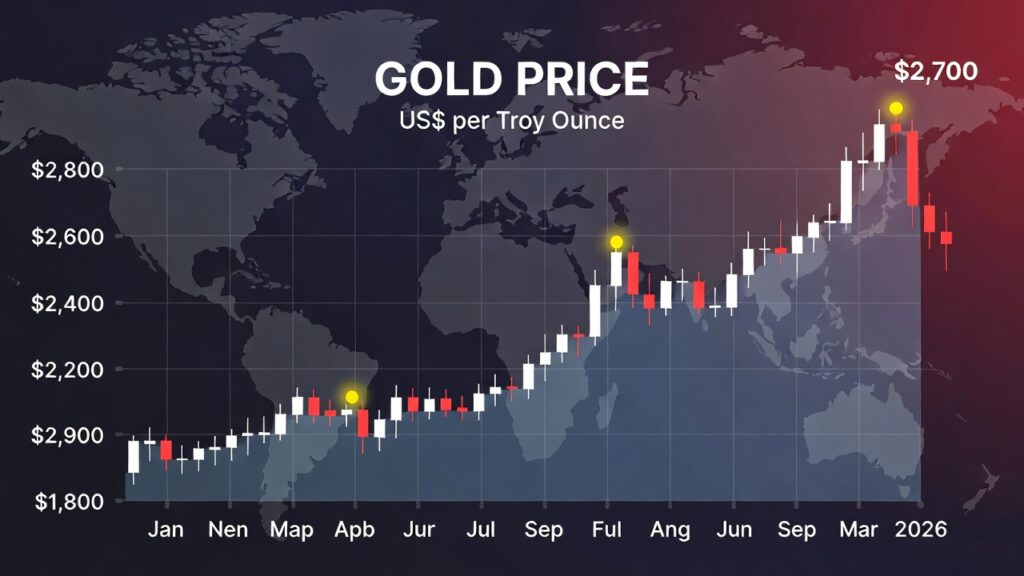
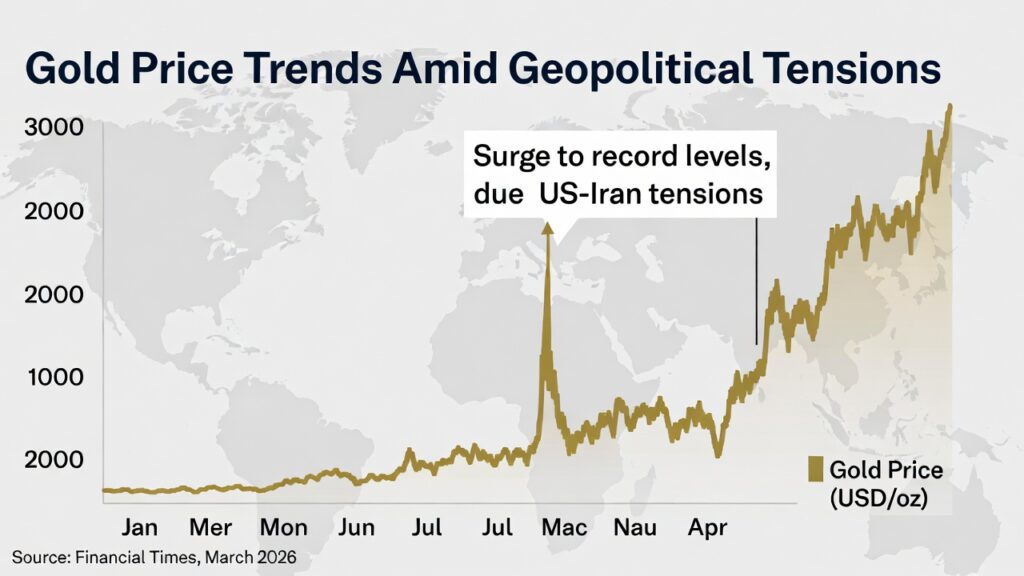
The escalating US-Iran standoff sent ripples through global financial markets today (February 20, 2026). Major stock indices closed lower, with the Dow Jones Industrial Average dropping more than 260 points (~0.6–0.7%), while the S&P 500 and Nasdaq also ended in the red. Meanwhile, gold prices surged to fresh record highs, climbing above $2,950–$2,960 per ounce in intraday trading, as investors rushed to the classic safe-haven asset amid fears of military escalation.
The sell-off and gold rally are classic reactions to heightened geopolitical risk. President Trump’s public 10–15 day deadline for Iran to reach a nuclear deal coupled with reports of increased US military deployments (carrier strike groups, fighter jets repositioning near the Persian Gulf) has traders pricing in the possibility of conflict or disruptions in the Strait of Hormuz. Even temporary closures or threats could choke global oil flows, pushing crude prices higher and inflation expectations up.
(Gold price trend chart showing the sharp rally to record levels in February 2026 amid US-Iran tensions.)
Market Snapshot – February 20, 2026 Close
- Dow Jones: Down >260 points (~0.6–0.7%)
- S&P 500: Down ~0.4–0.6%
- Nasdaq Composite: Down ~0.5–0.8% (tech-sensitive to risk-off flows)
- Gold (spot): Up to new all-time high (~$2,950–$2,960/oz)
- Brent crude: Holding near $72/barrel (weekly gain ~5–6%)
- US 10-Year Treasury yield: Slightly lower (flight to safety)
Energy stocks were mixed: some offshore-focused names held steady or gained on higher oil price support, while broader market risk aversion weighed on others.
Implications for Offshore Projects & Subsea Engineering
This “risk-off” move in equities and “risk-on” in gold highlights how quickly geopolitical headlines can affect capital flows:
- Project financing & CAPEX decisions: Higher perceived risk can make lenders and investors more cautious on large offshore developments. HPHT and deepwater projects (with multi-billion-dollar price tags) often rely on stable or rising oil prices to justify funding. Today’s dip could delay near-term FID if volatility persists.
- Insurance & supply chain premiums: Escalating tensions already drive up marine insurance rates for tankers and offshore assets. If the Strait sees even partial disruptions, expect further hikes impacting pipelay vessel costs, CRA material shipping, and overall project economics.
- Safe-haven shift to commodities: Gold’s rally signals broader flight from equities into hard assets. Oil itself is behaving as a partial safe haven (prices up on supply risk), which supports breakevens for high-cost HPHT tiebacks and subsea gas export lines.
- Integrity & resilience focus: In a volatile price environment, operators prioritize low-intervention designs robust cathodic protection, digital twins for real-time monitoring, and engineered buckling mitigation to avoid costly downtime when margins are under pressure.
The markets are clearly saying: geopolitics is back in the driver’s seat. While today’s dip is modest compared to full-blown crises, it serves as a reminder that offshore energy projects live in a world where oil prices, capital costs, and supply chains can swing on headlines from Washington or Tehran.
How are you seeing geopolitical risk affect your offshore or subsea planning right now? Share in the comments let’s discuss practical ways to build more resilient HPHT and pipeline systems.
Share on LinkedIn or X for energy and offshore pros. Subscribe for HPHT series updates, flow assurance insights, integrity tips, and daily energy news roundups.
(Next: US Gulf of Mexico Lease Sale Announcement – What It Means for Deepwater Opportunities.)