By Oko Immanuel, M.Eng in Subsea Engineering.
Published: February 25, 2026
High-Pressure High-Temperature (HPHT) drilling in deepwater (>1,000 m water depth) remains one of the most technically demanding activities in the offshore oil & gas industry in 2026. Wells with bottom-hole pressures >10,000 psi and temperatures >150 °C push equipment, fluids, and operational limits while narrow mud windows, well control risks, and riser fatigue add complexity.
Many of the engineering principles used in HPHT subsea pipeline design, installation, and integrity management directly apply to deepwater HPHT drilling particularly in riser systems, BOP integrity, flow assurance during drilling, and well control strategies.
Major Challenges in Deepwater HPHT Drilling
- Narrow Mud Window & ECD Management
Fracture gradient and pore pressure are close together. Circulation increases Equivalent Circulating Density (ECD = static MW + APL/TVD), risking losses or kicks. - Riser Systems & Fatigue
Marine risers experience high tension, VIV, and bending from vessel motion and currents — similar to HPHT flowline fatigue from thermal cycling. - Blowout Preventer (BOP) Reliability
Subsea BOP stacks must seal >15,000 psi, shear drill pipe, and operate in cold, high-pressure conditions with long-term fatigue and seal degradation risks. - Flow Assurance During Drilling
Barite sag, hydrate formation during connections, cuttings transport, and gas influx in HPHT conditions parallels pipeline wax/hydrate issues. - Well Control in Extreme Conditions
High influx rates, gas expansion, and limited surface volume make kicks harder to detect and control.
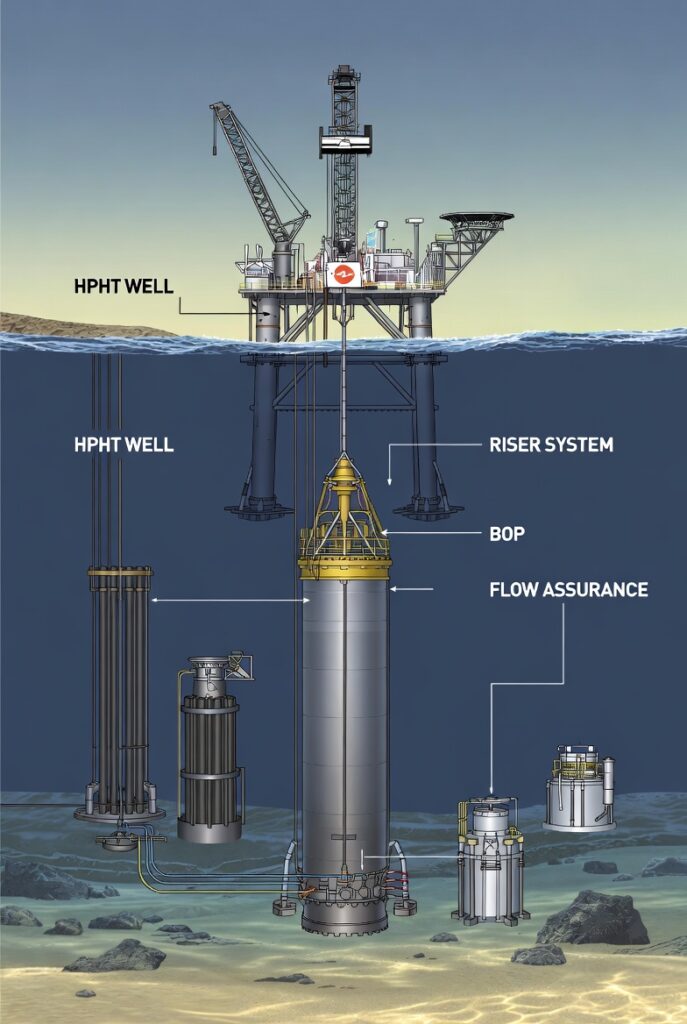
Figure 1. HPHT wells, riser systems, BOPs, flow assurance during drilling, well control.)
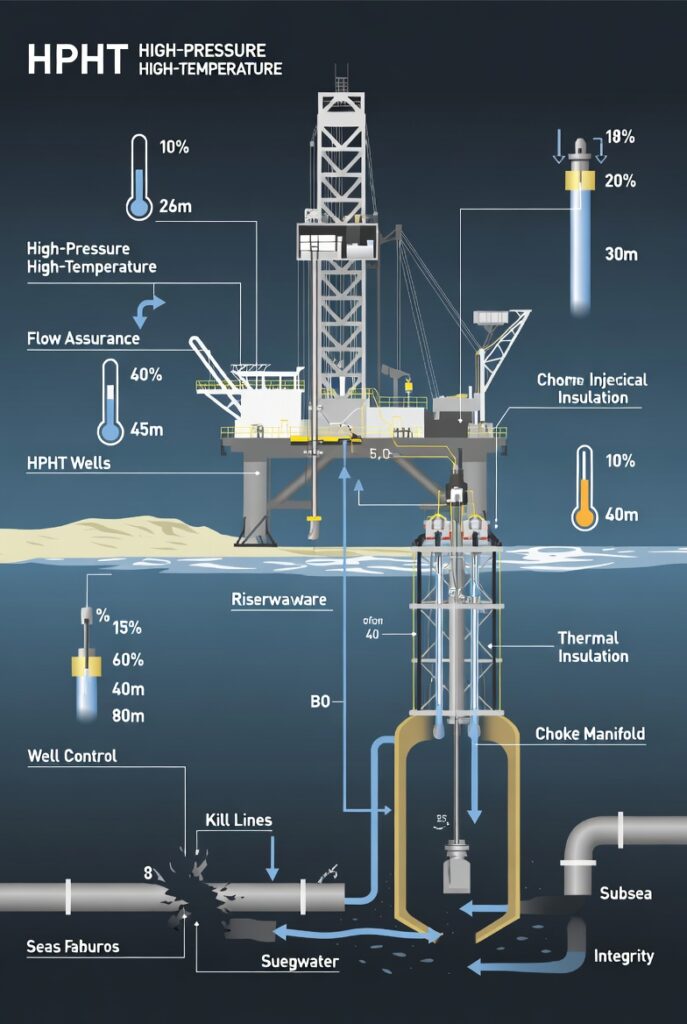
Figure 2. HPHT High pressure high temperature
Tools & Technologies in Use in 2026
- Managed Pressure Drilling (MPD) : Constant Bottom Hole Pressure (CBHP) or Mud Cap Drilling (MCD) systems maintain ECD within narrow margins using back-pressure control at surface or subsea.
- Riser Gas Handling : Subsea gas separation or high-capacity surface choke systems mitigate gas expansion risks.
- Advanced BOP Systems : 20,000 psi-rated BOPs with acoustic triggers, ROV intervention, and real-time pressure/temperature monitoring.
- Pressure While Drilling (PWD) : Real-time downhole pressure data to calculate ECD and detect kicks early.
- Digital Twins & Predictive Models Real-time simulation of riser fatigue, BOP seal wear, and ECD fluctuations borrowed from pipeline twins.
Integrity Lessons from Subsea Pipelines Applied to HPHT Drilling
- Riser Fatigue Management
HPHT pipeline fatigue models (DNV-RP-C203) are used to assess marine riser cumulative damage from vessel motion and currents similar thermal/pressure cycling. - Digital Twins for Real-Time Monitoring
Pipeline twins predict buckling/corrosion. Drilling twins monitor riser tension, BOP pressure, and ECD in real time enabling predictive kick detection and fatigue alerts. - Risk-Based Inspection (RBI)
Pipeline RBI prioritizes welds/risers. Drilling applies RBI to BOP rams, riser joints, and wellhead connectors focusing inspections on high-risk components. - Cathodic Protection & Corrosion
Pipeline CP systems protect external surfaces. Subsea BOPs and risers use similar sacrificial anodes and impressed current with remote potential monitoring. - Flow Assurance During Drilling
Pipeline pigging and inhibitor batching remove wax/hydrates. Drilling uses sweeps, low-toxicity muds, and real-time rheology monitoring to manage barite sag and cuttings transport.
Practical 2026 Engineer Tips
- Use MPD with PWD to keep ECD within 0.2–0.5 ppg of pore pressure/fracture gradient.
- Model riser fatigue with HPHT-style cyclic loading analysis (wave spectra + vessel RAOs).
- Deploy digital twins for BOP and riser monitoring integrate PWD, tension sensors, and weather data.
- Apply pipeline RBI frameworks to BOP stack components prioritize shear rams and annular preventers.
- Test mud systems for HPHT compatibility hydrate inhibition and barite sag prevention are critical.
Deepwater HPHT drilling and subsea pipelines share the same extreme-condition engineering DNA integrity tools from pipelines are directly accelerating safer, more efficient HPHT well delivery.
What HPHT drilling challenge do you see as the biggest in deepwater?
Share in the comments!
Share on LinkedIn for drilling & subsea pros.
Subscribe for HPHT series updates, offshore wind insights, and energy transition news.