March 4, 2026By Oko Immanuel
Founder & Owner, Offshore Pipeline Insight
M.Eng in Subsea Engineering | Former Roughneck | Texas A&M Alumnus.
Pigging is essential for cleaning, inspection, and flow assurance in long subsea tiebacks (>50 km). In HPHT and transition pipelines (hydrogen/CO₂), it prevents wax, scale, debris, and integrity issues.
Pig Types
- Foam/disc/cup : Cleaning wax/scale.
- Smart pigs (MFL/UT) : Corrosion/dent detection.
- Gel pigs : High-viscosity removal.
- Batch pigs : Product separation.
Challenges in Subsea/HPHT
- Long distances increase stuck pig risk.
- HPHT stresses damage pigs/launchers.
- Subsea launch/receive requires specialized equipment.
- Transition fluids (H₂, CO₂) need compatible materials.
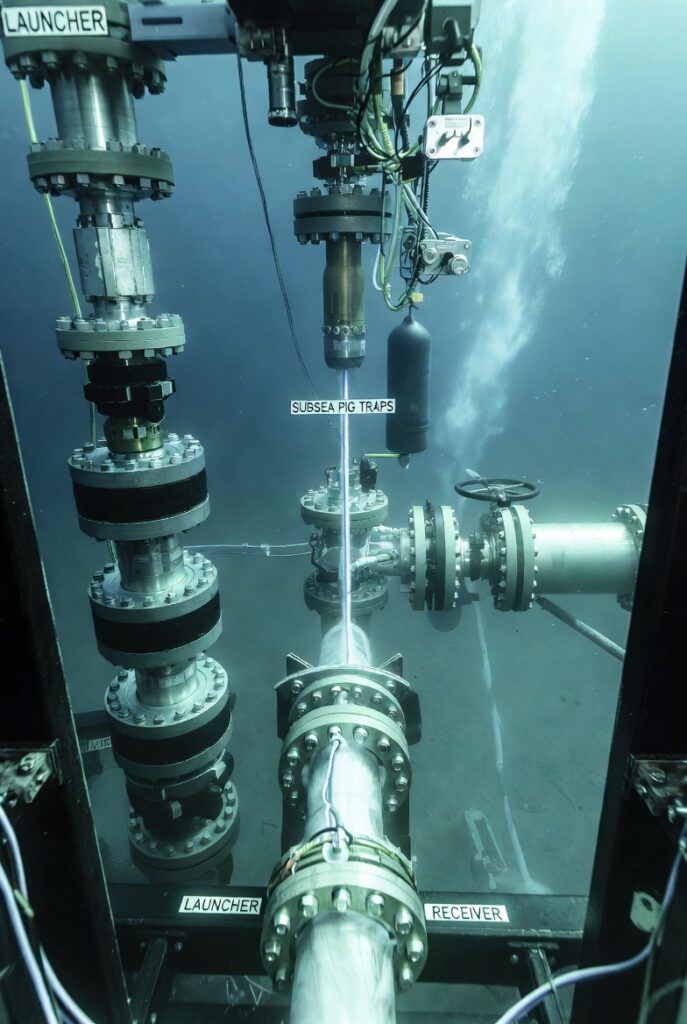
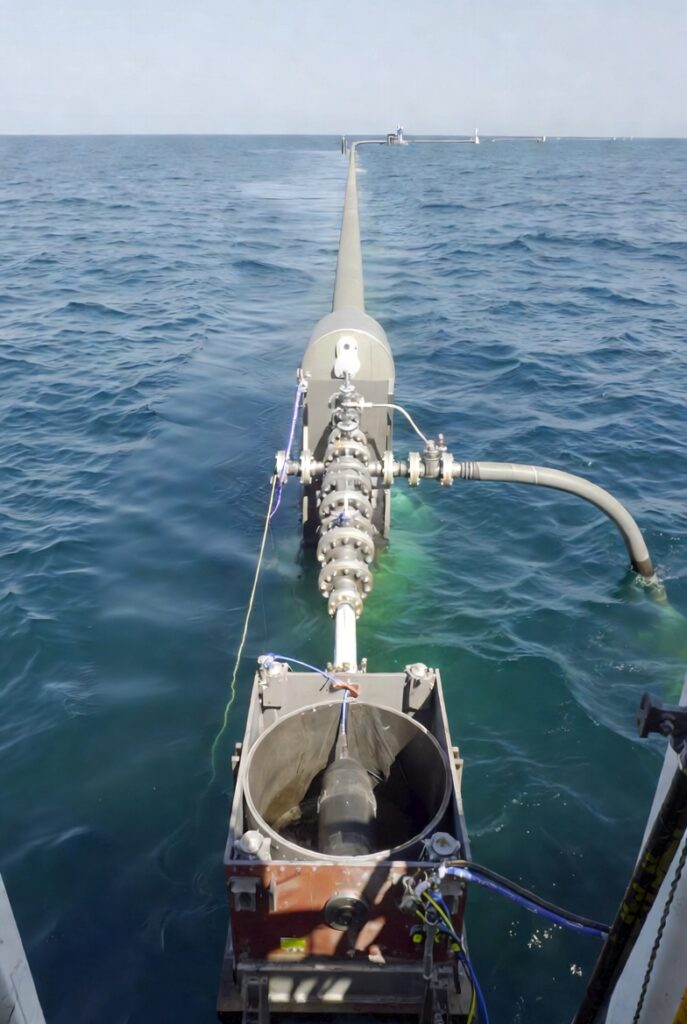
Diagram: Subsea Pigging in Long Tieback Subsea Pigging Setup
Subsea launcher/receiver, pig traps, and tracking in long tieback. Source: Offshore Magazine.
Best Practices
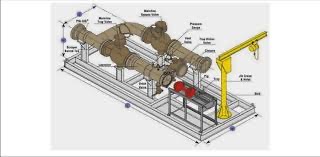
- Subsea pig launchers/receivers for remote ops.
- Pig tracking (acoustic/magnetic pingers).
- AI-optimized frequency based on flow data.
- Chemical batching for dual cleaning/inhibition.
Takeaway
Pigging adapts to transition pipelines your expertise is key for safe, efficient operations.
What pigging challenges do you see? Comment below share this post!
#PipelinePigging #SubseaTiebacks #FlowAssurance #HPHT #GigEm