Oko Immanuel
Petroleum / Subsea Engineer
Founder, Offshore Pipeline Insight
March 04, 2026
The offshore pipeline sector is gearing up for a significant expansion in 2026, with 113 new offshore oil and gas pipelinesscheduled to commence operations worldwide. This figure comes from GlobalData analysis (via Offshore Technology), part of a broader slate of over 385 total pipelines (onshore and offshore) entering service this year. While North America leads in sheer number of starts driven by shallow-water gas developments the longest and most impactful lines span South America, the Middle East, Australia, and Asia.
This surge reflects rising global demand for natural gas (especially LNG feed gas), ongoing deepwater tiebacks, and export infrastructure expansions. As someone focused on pipeline integrity and subsea systems, I’ll break down the key trends, highlight the biggest projects, and discuss critical integrity implications for these new assets.
Market Snapshot: Why 113 Offshore Lines Matter
- Total context: Out of 385 pipelines commencing in 2026, 113 are offshore mostly shallow-water gas transport, but with notable deepwater and longer lines.
- Drivers: Surging LNG demand (global supply up ~7% projected for 2026), new discoveries in frontier basins, and export expansions in key regions.
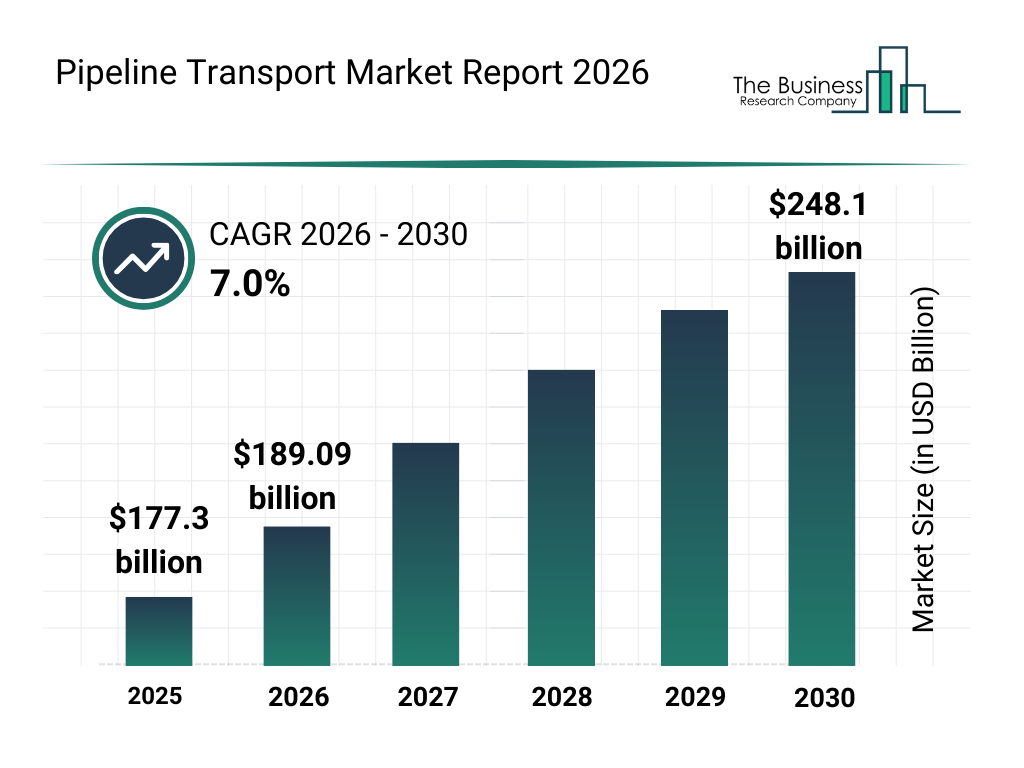
- Market growth tie-in: The offshore pipeline market is valued at ~$16.98 billion in 2026, growing to $21.27 billion by 2030 at a 5.8% CAGR (The Business Research Company data). This aligns with larger diameters (>24 inches) and high-volume gas lines.
Here’s a visual of projected offshore pipeline market growth through 2030:
Top Trends Shaping 2026 Offshore Pipelines
- Shallow-water gas dominance:
- Most of the 113 are shorter, shallow-water gas lines supporting LNG export terminals and regional demand.
- Larger & longer lines: Average lengths increase compared to 2025, with several exceeding 400–500 km for major export projects.
- Tech & materials focus: Corrosion-resistant alloys, automated welding, and digital monitoring (fiber-optic sensing, AI predictive tools) for HPHT and sour-service environments.
- Regional hotspots: North America (volume leader), Middle East (Qatar’s North Field expansions), South America (Vaca Muerta tie-ins), Asia-Pacific (Vietnam, Australia), and emerging deepwater plays.
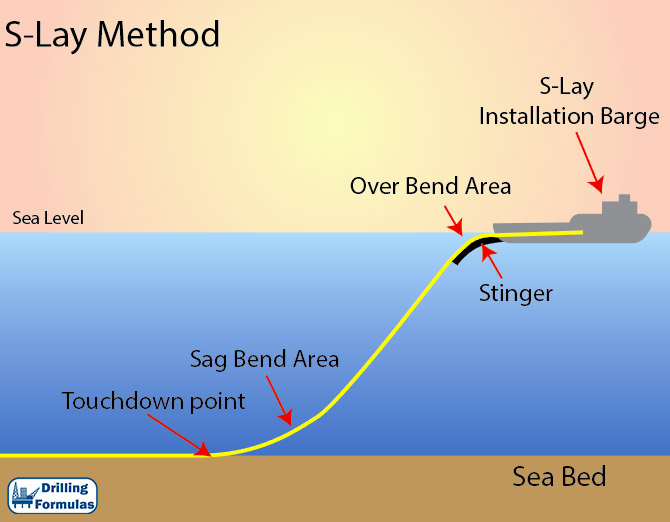
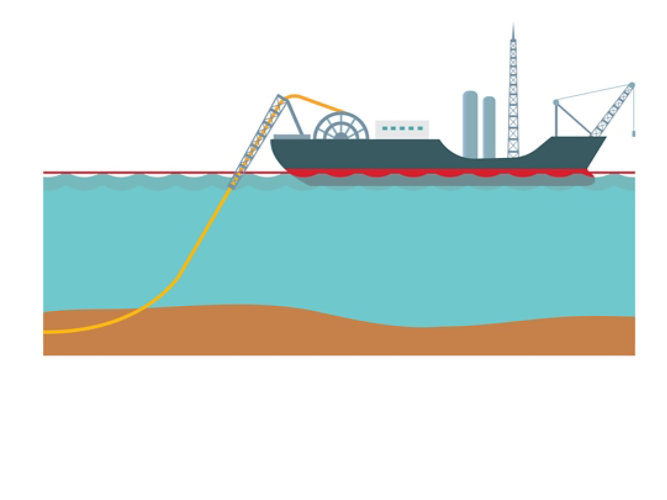
Installation methods remain key—S-lay, J-lay, and reel-lay dominate for different water depths and project scales:
The Biggest Offshore Pipelines Commencing in 2026
GlobalData highlights the top 10 longest/most significant offshore lines starting operations this year (mostly gas, shallow to mid-depth):
- Vaca Muerta Sur (Argentina, ~565 km) YPF-operated, connects Vaca Muerta shale to Golfo San Matias export terminal (shallow-water phase).
- North Field East System (Qatar, ~500 km) QatarEnergy’s massive expansion, part of the world’s largest LNG project phase.
- Scarborough–Pluto (Australia, ~433 km) Woodside’s deepwater gas tie-back to Pluto LNG (first gas H2 2026).
- Block B–O Mon (Vietnam, ~433 km) Petro Vietnam Gas, high-capacity gas line (656 mcf/d). 5–10: Include lines in the Middle East (e.g., North Field expansions), Australia, and Asia many gas-focused for LNG feed.
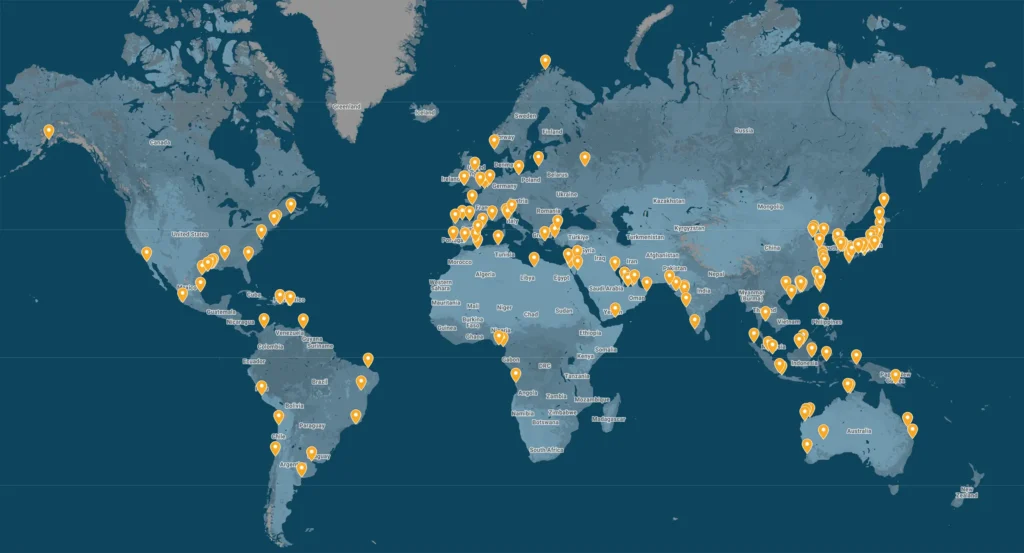
These projects emphasize gas over oil, with shallow-water prevalence but notable deepwater tie-ins.A global map of LNG terminals and related pipeline infrastructure
(illustrating key export/export hubs for 2026 projects):
Integrity Implications: Building Right from Day One
With 113 new offshore lines, integrity management starts at design/installation to avoid early-life issues:
- Material selection: Use CRA (corrosion-resistant alloys) for sour gas/HPHT; advanced coatings for external corrosion.
- Installation risks: S-lay/reel-lay stresses ensure proper strain monitoring, fatigue analysis during lay.
- Monitoring tech: Embed fiber-optic cables for real-time strain/temperature/leak detection; digital twins for predictive maintenance.
- Regulatory & environmental: Stricter scrutiny in regions like North America focus on zero-incident design, spill prevention.
- Long-term: Plan for life extension many lines will serve 30+ years; build in inspectability (pigging loops, ILI compatibility).
New builds offer a clean slate leverage lessons from aging assets (e.g., Sable saga) to prioritize integrity from FID onward.
Wrapping Up: A Banner Year for Offshore Pipelines
2026’s 113 offshore pipeline starts signal robust demand for gas infrastructure amid energy transition and LNG boom. North America’s volume, Qatar/Australia’s scale, and tech advancements set the stage for growth but success hinges on flawless execution and proactive integrity.
What trends or projects excite (or concern) you most for 2026? Drop a comments let’s discuss how these impact subsea/pipeline engineering!
Stay tuned for more deep dives.
Oko Immanuel
Petroleum / Subsea Engineer
Founder, Offshore Pipeline Insight
March 06, 2026