By Oko
Founder, Offshore Pipeline Insight
March 15, 2026
Leak Detection and Repair (LDAR) programs have proven to be one of the most effective, cost-efficient tools for reducing fugitive methane emissions from oil and gas facilities. By systematically identifying and repairing leaks from components like valves, connectors, compressors, and pneumatic devices, operators achieve measurable cuts in methane intensity while often generating quick ROI through saved product and avoided regulatory penalties.
In 2026, with OGMP 2.0, EPA methane rules, and state-level mandates driving adoption, LDAR success stories demonstrate reductions of 40–70% in detected or fugitive emissions, depending on frequency, technology, and compliance. Below are key case studies from regulated programs and field experiments, highlighting quantifiable impacts.
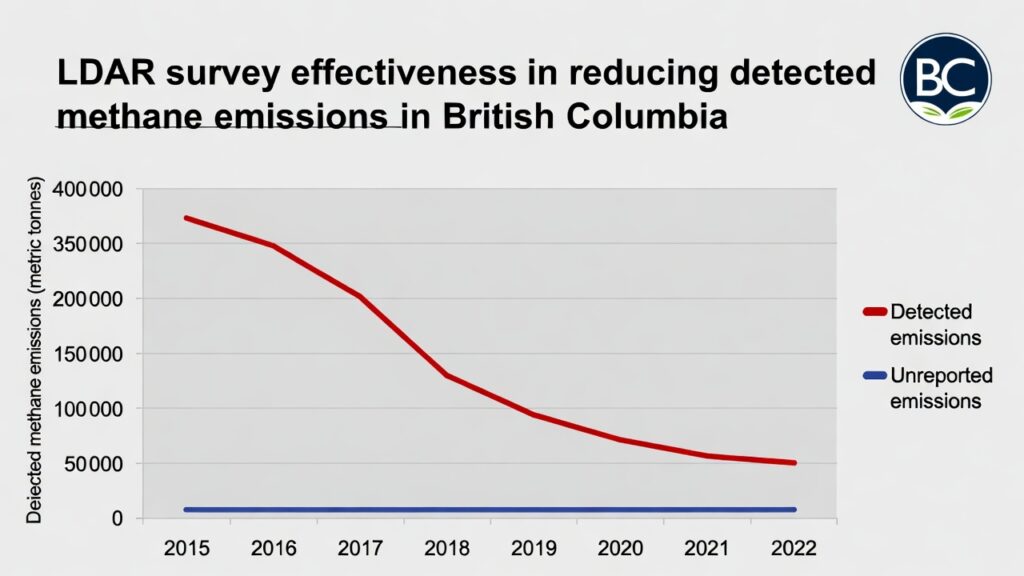
1. British Columbia Regulated LDAR Program (Canada, 2020–2022)A comprehensive analysis of three years of reported data from British Columbia’s regulated LDAR surveys (using optical gas imaging, OGI, at 3×/year frequency) showed strong practical effectiveness.
- Fully compliant sites reduced detected emissions by ~51% (close to simulated predictions of 67.7%).
- Accounting for imperfect compliance (missed surveys), overall detected emissions fell by ~40%.
- Independent aerial surveys at a subset of sites confirmed the LDAR program’s value in targeting fugitive sources, though some discrepancies highlighted the need for complementary top-down verification.
This large-scale regulated program demonstrates that consistent, instrument-based LDAR delivers substantial methane abatement in real-world onshore operations.
Visual: Diagram illustrating LDAR survey effectiveness in reducing detected methane emissions over multiple years in British Columbia.
2. California Oil & Gas Methane Regulation (CARB, 2018–2021)
California’s statewide LDAR requirements (quarterly surveys using Method 21 or OGI) across over 300 facilities produced clear success:
- In 2018 and 2019, repairs from LDAR surveys reduced emissions by 8,400 metric tons of methane (5,400 t in 2018, ~3,000 t in 2019).
- This equated to 9% and 4% reductions in total fugitive methane emissions from covered sectors (production, processing, storage, transmission).
- 20% of leaks consistently accounted for ~50% of emissions from leaking components, emphasizing the importance of frequent surveys to catch high-impact sources.
The program shows LDAR’s scalability across diverse onshore facilities, with emission reductions directly tied to repair timeliness.
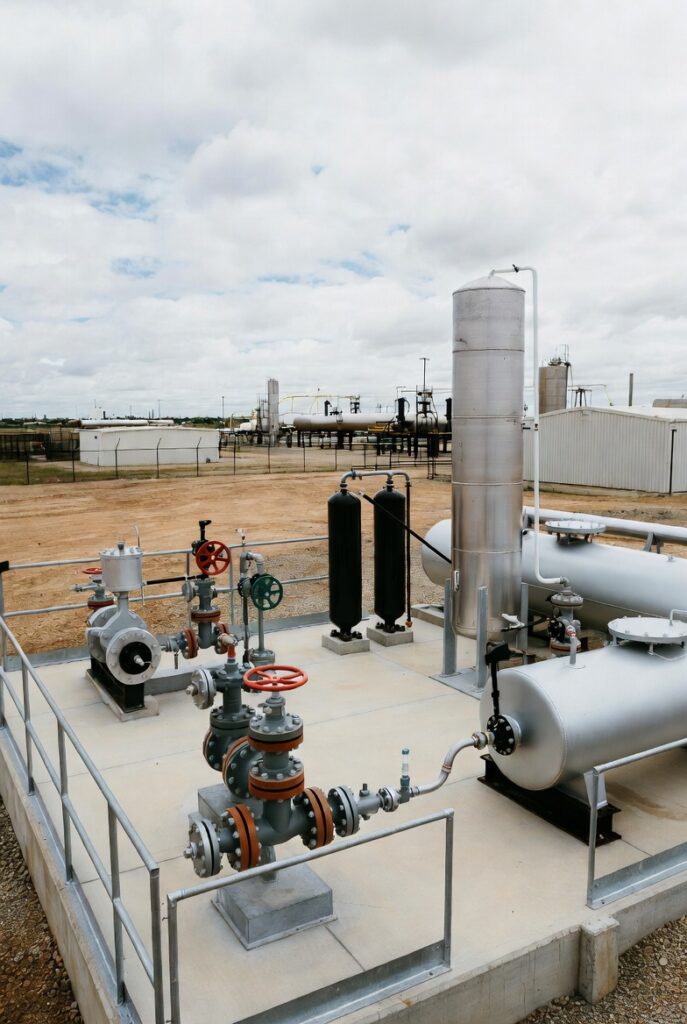
Visual: Onshore well pad with components subject to LDAR surveys (valves, flanges, tanks, separators).
3. Large-Scale Randomized Controlled Trial in Alberta, Canada (~200 Sites, Multiple Operators)
A bottom-up, randomized field experiment across ~200 oil and gas sites evaluated LDAR effectiveness:
- Sites receiving LDAR surveys saw the average number of leaks drop by ~50% compared to control sites.
- Overall emissions at treatment sites reduced significantly, with control sites showing ~36% emissions drop (likely from routine maintenance catching large leaks).
- The study confirmed LDAR’s role in mitigating fugitive emissions, especially when combined with standard operations.
This controlled trial provides strong empirical evidence that LDAR programs deliver measurable methane reductions at scale.
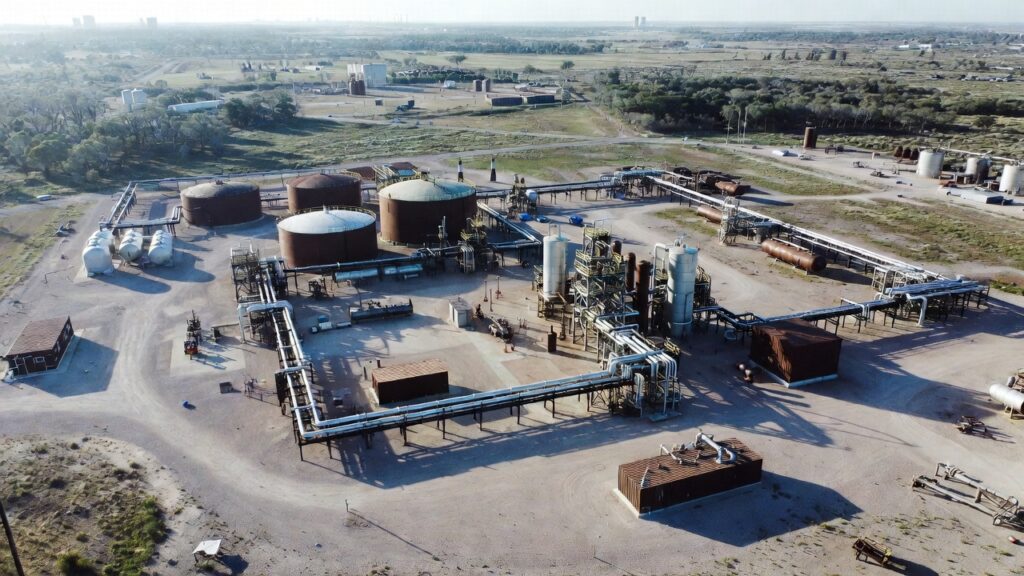
Visual: Aerial view of onshore oil and gas facility cluster, typical of sites in LDAR field trials.
4. Additional Insights from Global and Industry Reports
- Alberta Unconventional Gas Sites Repeat surveys showed >90% of previously detected leaks not reappearing, indicating ~20% overall methane reduction from effective repair.
- Permian & Other U.S. Basins Operators adopting advanced LDAR (drones + continuous sensors) report 50–70% fugitive reductions, aligning with OGMP 2.0 Level 4/5 quantification.
- Cost-Effectiveness Many LDAR projects achieve negative abatement costs (savings from captured gas exceed survey/repair expenses), as seen in low-CAPEX OGI-based campaigns.
These cases underscore that LDAR success depends on:
- Frequency (quarterly or continuous beats annual).
- Technology mix (OGI + drones + fixed sensors).
- Rapid repair (timely fixes maximize reductions).
- Integration with digital reporting and verification.
Conclusion: LDAR as a Cornerstone of Methane Abatement
LDAR programs consistently deliver 40–70% reductions in fugitive methane emissions across onshore operations, with strong ROI and alignment to net-zero goals. As regulations tighten and technologies improve, these case studies show LDAR is not just compliant—it’s a high-impact, proven strategy.
For onshore operators: What’s your biggest LDAR win or challenge this year?
Drop your thoughts below!