By Oko Immanuel, M.Eng – Founder, Offshore Pipeline Insight
March 22, 2026
ExxonMobil (XOM) and Shell (SHEL) remain two of the most watched integrated majors in 2026. Both companies are trending for their adoption of Agentic AI to optimize drilling and grid management, leadership in energy security amid geopolitical tensions, and dividend reliability in a volatile market. Here’s a concise look at the key overlapping themes.
1. AI in Energy: Industrial-Scale Adoption
Both majors are heavily investing in AI for operational efficiency and grid stability, especially as AI data centers drive massive power demand.
- ExxonMobil : Deploying AI for drilling path optimization (e.g., Permian autonomous systems) and predictive maintenance. AI-driven seismic processing and digital twins accelerate exploration. Exxon is also powering AI infrastructure with dedicated low-carbon gas plants + CCS (e.g., 1.2 GW partnership with NextEra).
- Shell : Using reinforcement learning for drilling control and AI for grid balancing/smart electricity management. Shell’s 2026 Energy Security Scenarios highlight AI’s role in reshaping energy systems, including smarter grids and demand response.
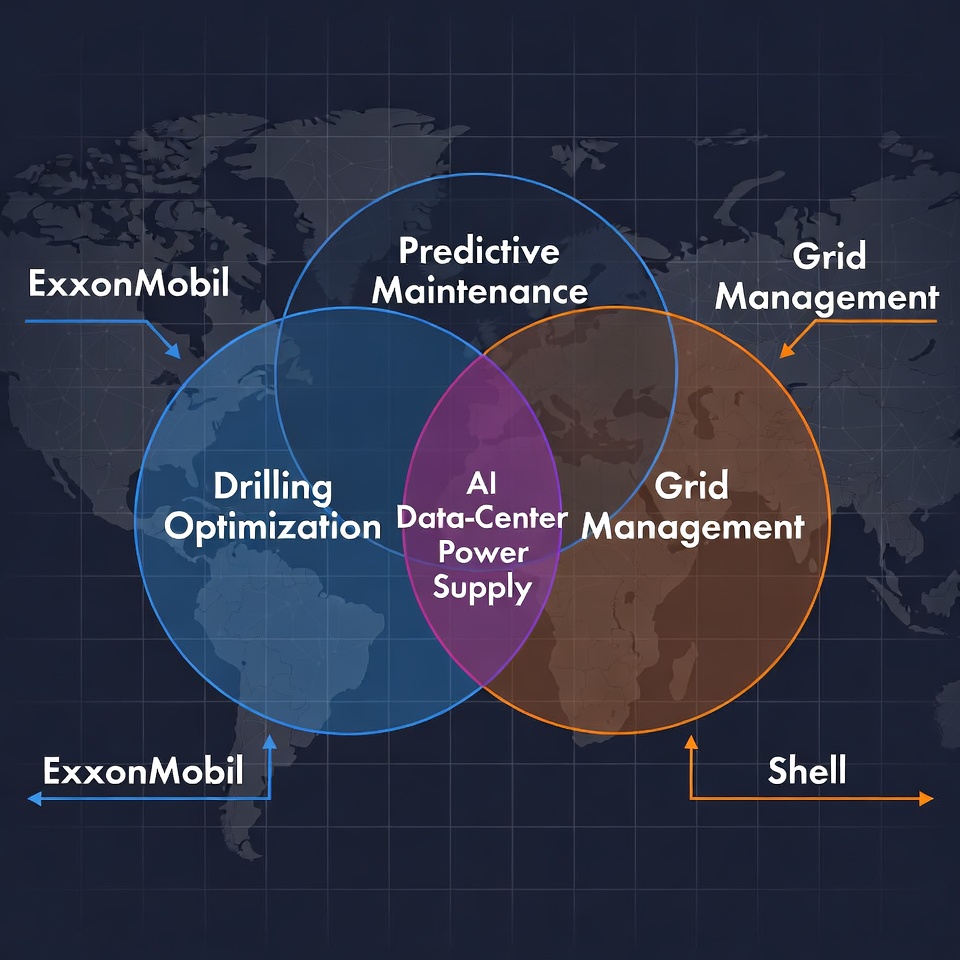
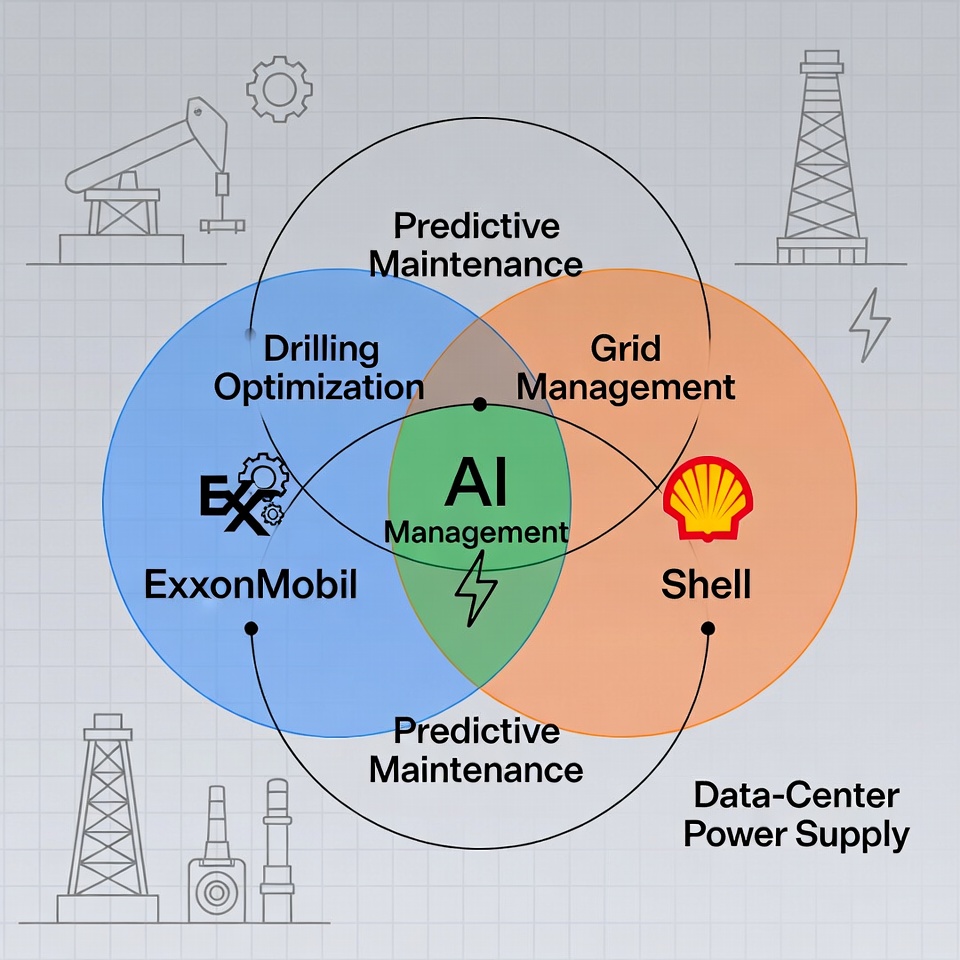
Common trend : Agentic AI (autonomous agents) is being adopted at scale to manage grid volatility, optimize drilling, and enable 24/7 reliable power for data centers.
Figure 1: AI Applications in Exxon & Shell Operations
( image: Venn diagram or split chart showing shared AI uses: drilling optimization, predictive maintenance, grid management, and data-center power supply.)
2. Energy Security: Securing Non-Russian Supplies for Europe
Following geopolitical tensions (Russia-Ukraine, Middle East), searches for “ExxonMobil Shell non-Russian Europe supply” and “energy security majors” are high.
- ExxonMobil : Leading U.S. LNG exporter via Golden Pass and other Gulf Coast projects. Supplies Europe with non-Russian gas; invests in Guyana and Permian for secure, high-margin production.
- Shell : Largest global LNG trader (~100 MTPA portfolio). Key non-Russian sources include Qatar (NFE/NFS), Australia (Prelude/Crux), and Nigeria (NLNG Train 7). Shell’s trading arm secures diversified supply for Europe.
Both emphasize LNG as a reliable, affordable bridge fuel to meet Europe’s energy security needs post-Russia.
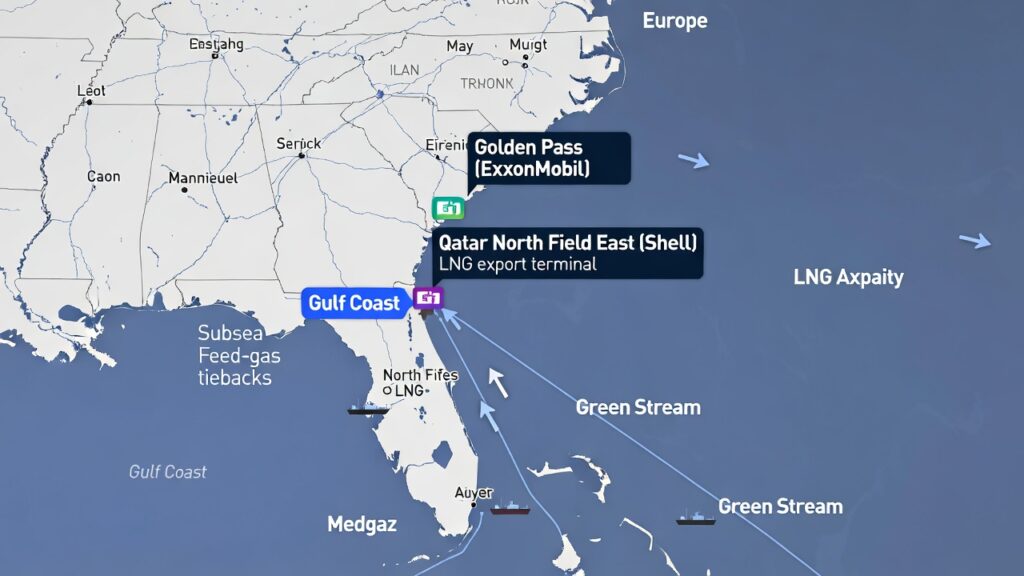
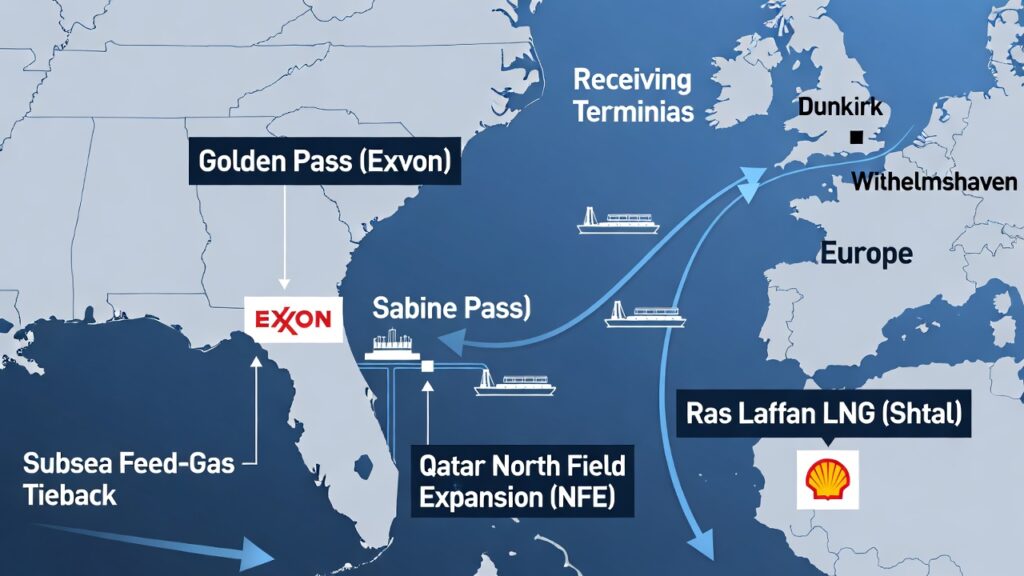
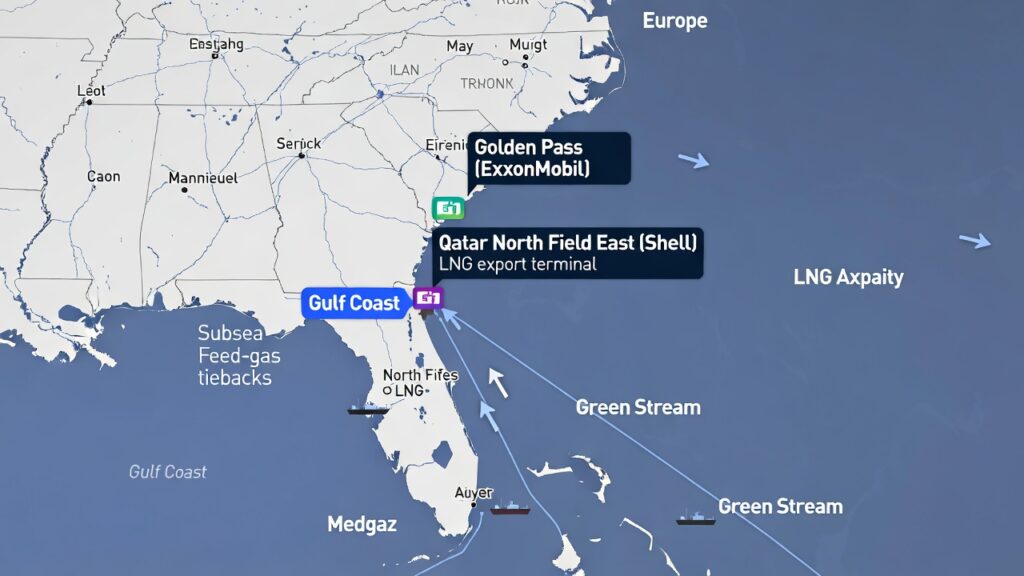
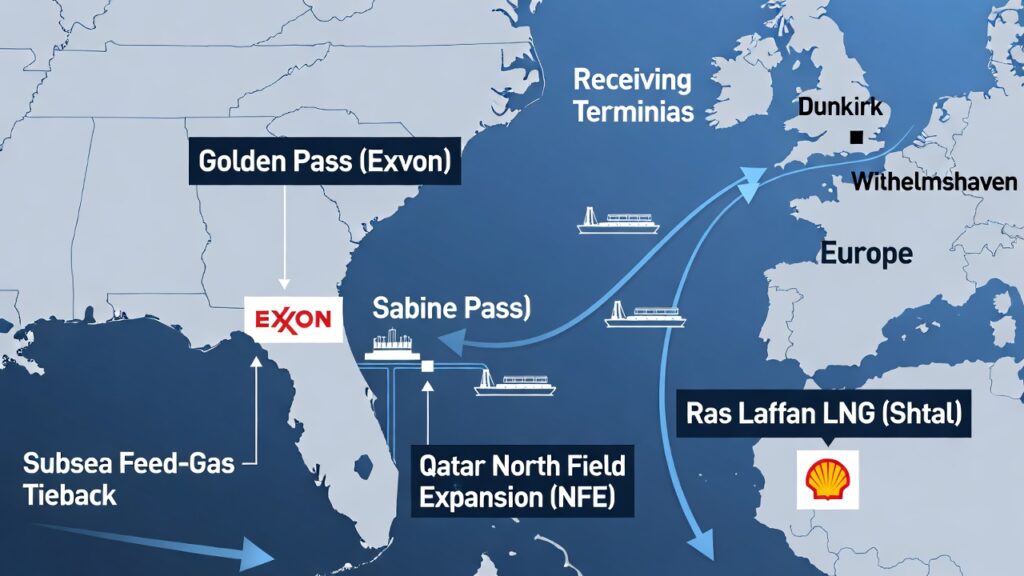
Figure 2: Non-Russian LNG Supply Routes to Europe
( image: Map showing Exxon/Shell LNG export terminals (Golden Pass, Qatar NFE) and shipping routes to Europe, with callouts for subsea feed-gas tiebacks.)
3. Dividend Reliability: Stability in Volatile Markets
Both remain top-searched for dividend yields as investors seek reliable income.
- ExxonMobil — Current yield ~2.6% (annual dividend ~$4.12/share). 42+ years of increases; payout ratio ~62%.
- Shell — Higher yield ~3.1–3.3% (annual ~$2.97–$2.98/share). Strong cash flow supports dividends and buybacks.
Both companies prioritize shareholder returns amid volatility, with Exxon and Shell viewed as stable “aristocrats” in energy.
Figure 3: Exxon vs. Shell Dividend Yield Comparison
( image: Bar/line chart comparing XOM and SHEL dividend yields 2025–2026, with callouts for payout ratios and shareholder distributions.)
Bottom Line
ExxonMobil and Shell are trending for AI-driven efficiency, secure non-Russian energy supply to Europe, and reliable dividends. Both leverage upstream strength (LNG, oil) while advancing transition plays (CCS, hydrogen).
offshore Pipeline Insight.