By Oko Immanuel
Founder, Offshore Pipeline Insight
Date: March 05, 2026
As we move deeper into 2026, the offshore oil and gas sector is balancing short-term challenges from supply gluts and price pressures with long-term opportunities in natural gas, LNG exports, and the accelerating shift toward renewables like offshore wind-integrated green hydrogen. These dynamics are reshaping subsea pipeline design, integrity management, tieback strategies, and multi-energy infrastructure worldwide. For engineers and professionals in offshore pipelines, the focus remains on efficiency, advanced materials, digital monitoring, and adaptability to hybrid systems amid energy security and decarbonization goals.
In the upstream oil sector, global production faces a projected oversupply of 2–4 million barrels per day in early 2026, driven by non-OPEC growth in regions like the US Gulf of Mexico, Brazil, Guyana, and the Middle East. US crude output is expected to slow or slightly decline (e.g., from 13.61 mbbl/d in 2025 to around 13.53 mbbl/d in 2026 per EIA forecasts), with Brent prices potentially dipping into the $50s amid capital discipline and policy uncertainties. Despite this, resilient deepwater projects continue, emphasizing tiebacks to existing infrastructure over new standalone developments to manage costs in a lower-price environment.
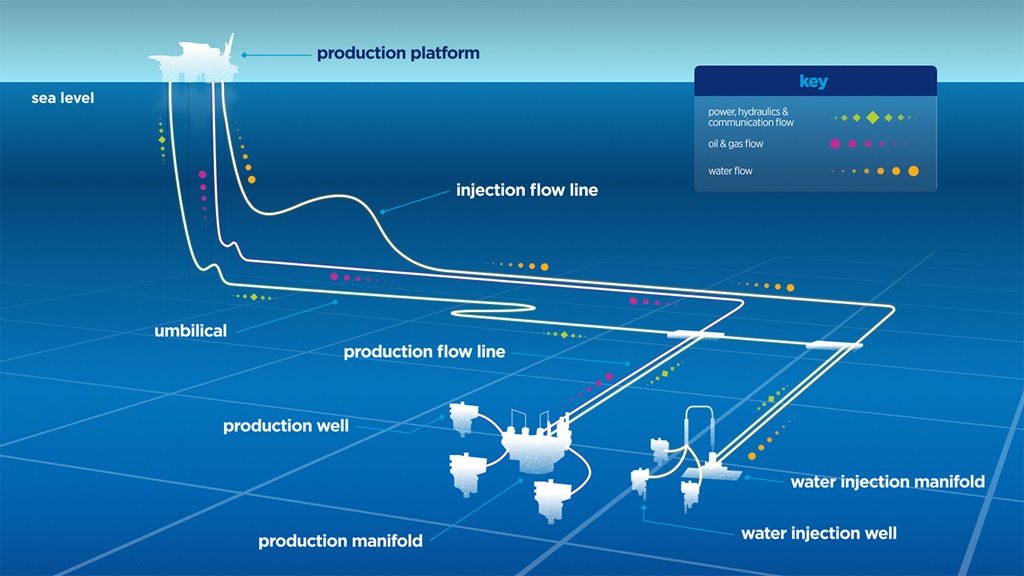
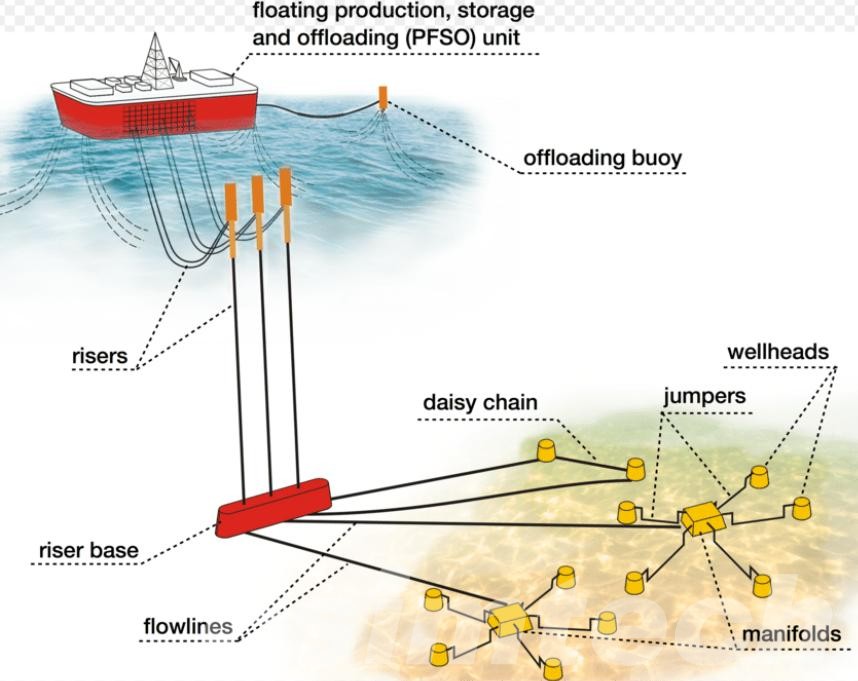
Natural gas and LNG emerge as the stronger story, with global demand accelerating by about 2% in 2026 (IEA forecast), supported by Asia’s growth and new supply from the US, Qatar, Canada, and others adding significant capacity. This favors operators with strong LNG export positions and boosts demand for reliable subsea transport infrastructure.
A standout example is Argentina’s Vaca Muerta shale play, driving record energy surpluses—analysts project $8.5–$10 billion in 2026, fueled by surging oil and associated gas production (associated gas doubled in 2025 and hit new highs in early 2026). Upcoming LNG projects (e.g., Argentina LNG initiatives with YPF, ENI, and partners) aim to monetize gas, reduce flaring, and enable long-term exports, including major eight-year deals for Vaca Muerta gas to Europe.
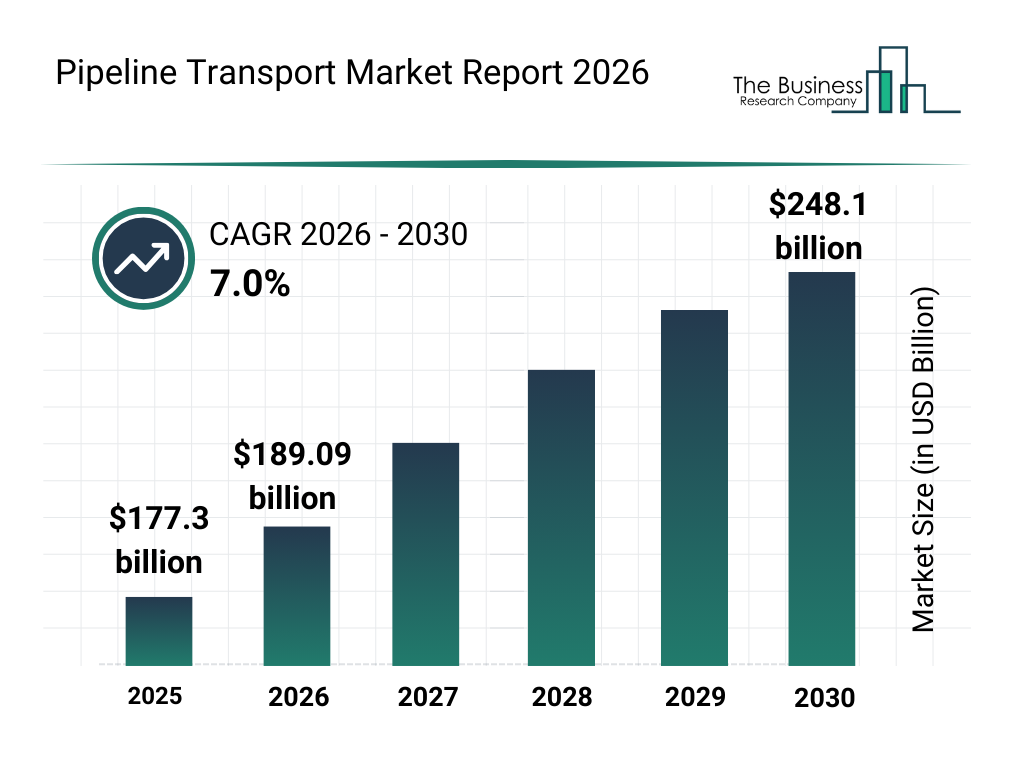
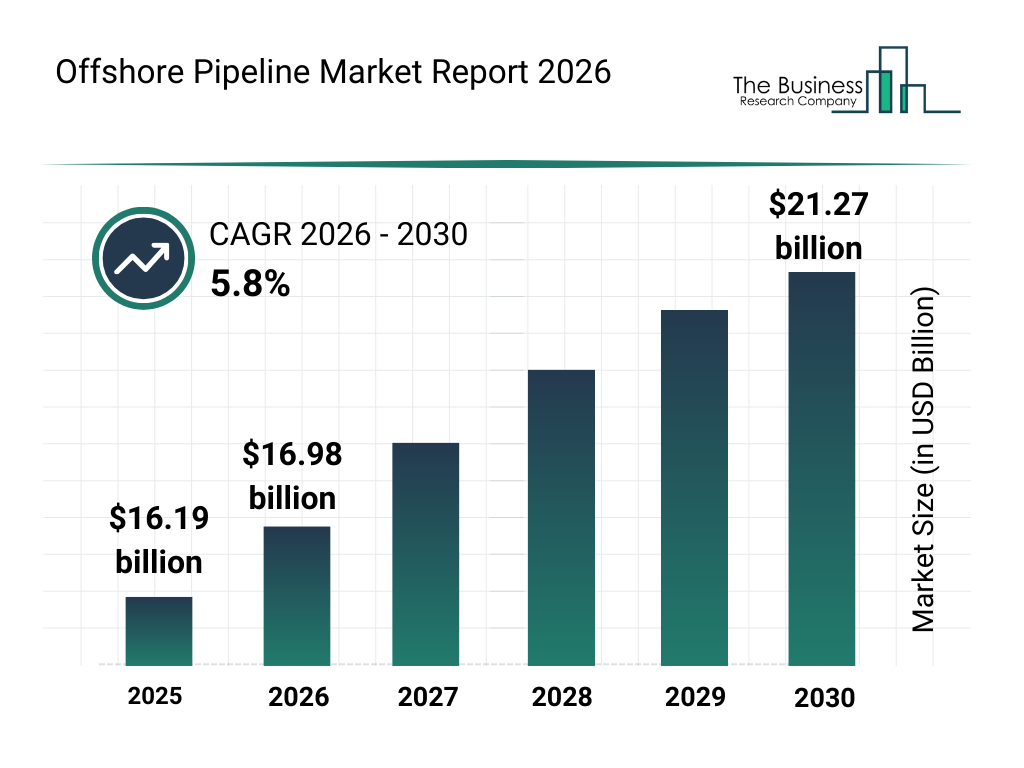
This highlights the need for efficient pipeline networks and export facilities in emerging shale-to-LNG regions.The offshore pipeline market reflects steady expansion, valued at around $16–17 billion in 2025–2026 and projected to reach $21–$28 billion by 2030–2035 (CAGR 4.7–5.8%). Growth is driven by deepwater exploration, tiebacks, natural gas transport, and advancements in corrosion-resistant materials, real-time monitoring (AI/predictive analytics), and integrity solutions for HPHT and sour service conditions
The offshore pipeline market reflects steady expansion, valued at around $16–17 billion in 2025–2026 and projected to reach $21–$28 billion by 2030–2035 (CAGR 4.7–5.8%). Growth is driven by deepwater exploration, tiebacks, natural gas transport, and advancements in corrosion-resistant materials, real-time monitoring (AI/predictive analytics), and integrity solutions for HPHT and sour service conditions.
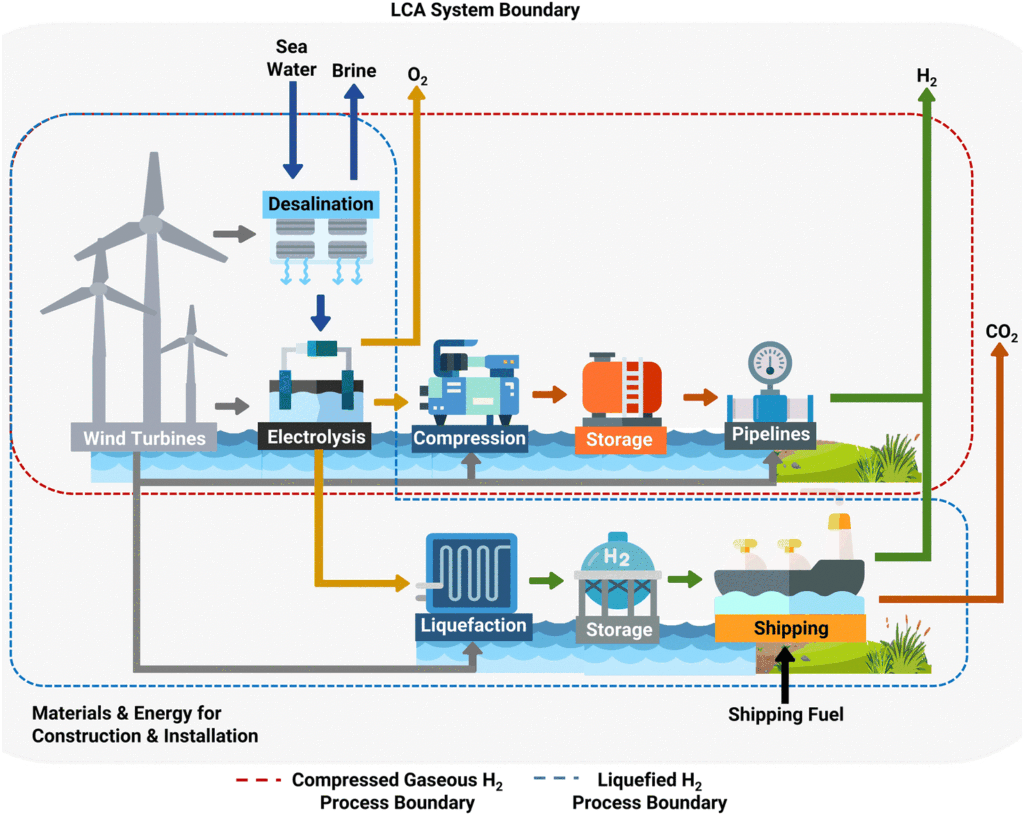
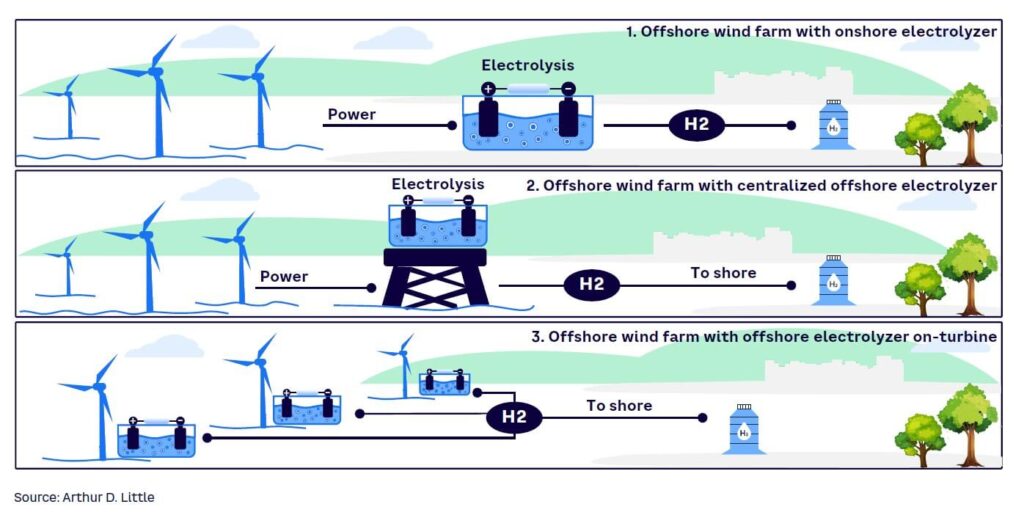
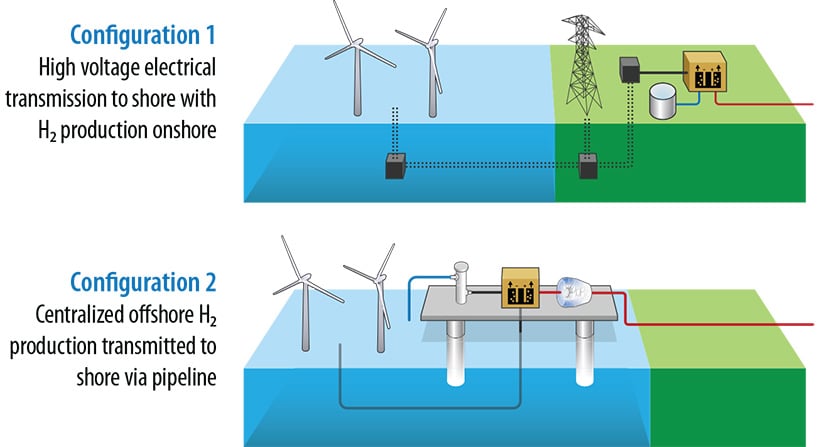
The energy transition is gaining speed, with offshore wind and green hydrogen as key complements to traditional offshore operations. Offshore wind-powered electrolysis for green hydrogen is advancing through pilots and roadmaps (e.g., in the US coastal areas, China’s large-scale integrations, Europe’s hubs like NortH2, and Pemex’s 2026 renewable plans in Mexico). Co-located systems address intermittency by converting excess wind power into storable hydrogen via pipelines or shipping, creating opportunities for subsea expertise in power cables, hydrogen-compatible flowlines (embrittlement challenges), compression, and hybrid infrastructure.
In summary, 2026 calls for agility: disciplined capital allocation in oil, capitalizing on gas/LNG strength, embracing digital tools for efficiency, and positioning for renewables integration. Offshore pipeline professionals must prioritize resilient designs, smart integrity management, and cross-sector convergence to thrive in this evolving landscape.What trends are impacting your current projects? Feel free to comment or reach out for a deeper discussion on subsea tiebacks, HPHT challenges, or hydrogen pipeline considerations.