Oko Immanuel
Petroleum / Subsea Engineer
Founder, Offshore Pipeline Insight
Texas A&M Alumnus.
March 09, 2026
Distributed Acoustic Sensing (DAS) and Distributed Temperature Sensing (DTS) both deployed via fiber-optic cables installed in the well bore have become standard diagnostic tools in the Permian Basin for real-time monitoring of hydraulic fracturing operations, cross-well communication, and frac-hit detection.In 2026, operators in the Wolfcamp, Bone Spring, Spraberry, and Delaware Basin formations rely heavily on permanent or temporary fiber-optic systems to optimize stage efficiency, reduce frac hits, improve proppant placement, and mitigate casing/cement sheath damage from offset well communication.
This technical article explains how DAS/DTS work, their application in frac-hit detection, key interpretation techniques, and references the most relevant industry standards and case studies.
1. How DAS and DTS WorkDAS
(Distributed Acoustic Sensing)
- Principle: Laser pulses sent down a single-mode fiber detect minute strain/vibration changes along the entire fiber length (typically 10–30 m spatial resolution).
- Output: Acoustic “noise” intensity (strain rate) over time and depth visualized as waterfall plots or heat maps.
- Frac-related signals: Ball seating, perforation shots, proppant transport, fluid flow, microseismic events, and cross-well strain from offset fracs.
DTS (Distributed Temperature Sensing)
- Principle: Raman scattering of laser light measures temperature every 0.25–1 m along the fiber.
- Output: Temperature profile vs. depth and time → detects warm-back after shut-in, fluid inflow, and cross-flow.
- Frac-related signals: Cooling from injected frac fluid, warm-back signatures after shut-in, and temperature anomalies from communication with offset wells.
Combined DAS/DTS advantage:
DAS provides high-frequency acoustic events; DTS gives low-frequency thermal trends. Together they give unambiguous frac-hit confirmation (acoustic signal + temperature response).
This diagram shows the typical DAS/DTS deployment and signal types in a Permian horizontal well.
2. Frac Hits in the Permian Basin – What the Data Shows
Frac hits (communication between a new frac stage and an offset well) are extremely common in high-density Permian infill programs (200–300 ft spacing).
In 2026, operators report:
- Detection rate: 60–90% of stages show some level of communication in Wolfcamp/Delaware wells with <300 ft spacing.
- Severity: Minor (pressure response only) moderate (temperature anomaly, acoustic signal) severe (SCP, casing deformation, lost production).
- Impact: Up to 20–40% of wells experience production impairment from cumulative frac hits.
DAS/DTS signatures of a frac hit:
- DAS: Sudden increase in low-frequency strain signal on offset well fiber “strain front” moving along the lateral.
- DTS: Temperature drop (cool frac fluid) followed by warm-back anomaly confirms fluid communication.
- Combined: Acoustic “event” + temperature response = high-confidence frac hit.
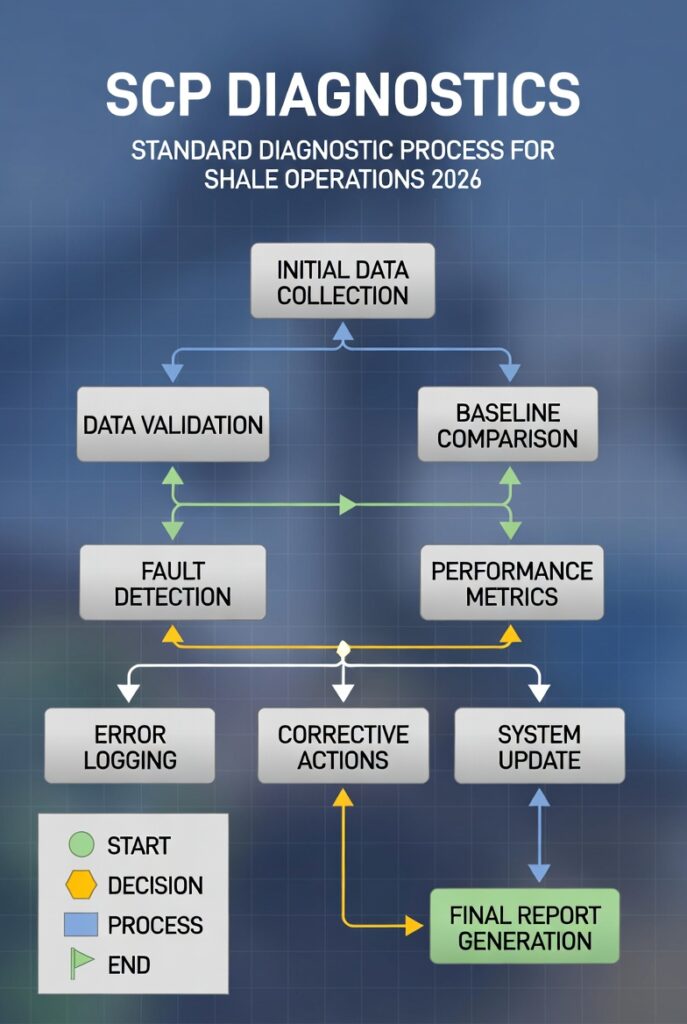
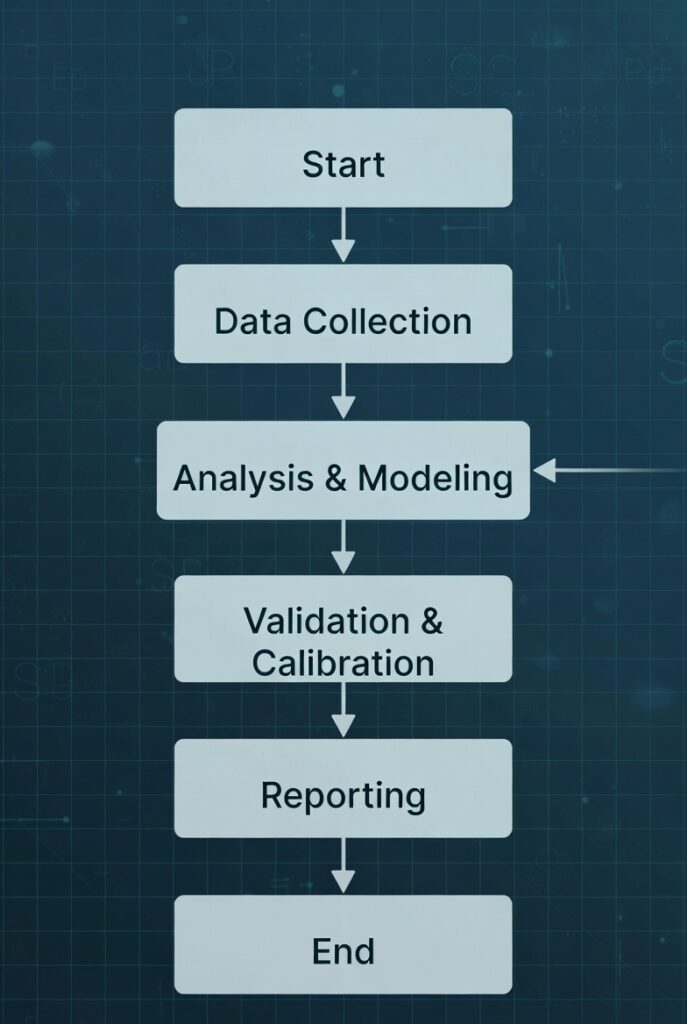
This flowchart outlines the standard DAS/DTS frac-hit diagnostic process used in Permian operations in 2026:
3. Technical References & Standards (2026)
- API RP 1175 : Recommended Practice for Pipeline Safety Management Systems (includes fiber-optic monitoring guidelines).
- SPE-201456-MS : “Fiber Optic Sensing in the Permian Basin: Real-Time Frac Monitoring and Optimization” (2020, still foundational).
- URTeC-2020-2460 : “DAS/DTS for Hydraulic Fracturing Diagnostics in the Permian Basin” (2020).
- SPE-195239-PA : “Frac Hit Detection Algorithms Using Distributed Fiber Optic Sensing” (2021).
- SPE-204191-PA : “Permian Basin Case Studies: Fiber Optic Sensing for Frac Hit Mitigation” (2021).
- JPT-2021-03-50 : “Completion Optimization Strategies Using DAS/DTS in Shale Wells” (2021).
- AAPG Bulletin v.105 : “Geo mechanical Modeling and Fiber Optic Validation in the Permian Basin” (2021).
Closing Thoughts
DAS/DTS fiber-optic monitoring has become indispensable in the Permian Basin for understanding frac hits, optimizing stage efficiency, and protecting well integrity. In 2026, the combination of high-resolution acoustic (DAS) and thermal (DTS) data allows operators to detect communication in real time, adjust pump rates/pressure, and minimize casing deformation and production impairment.The technology is now mature & the challenge is no longer detection, but actionable interpretation and integration into completion design.
What DAS/DTS frac-hit signatures or mitigation strategies are you seeing in your Permian operations?
Share in the comments!
Oko Immanuel
Petroleum / Subsea Engineer
Founder, Offshore Pipeline Insight
Texas A&M Alumnus.
March 09, 2026
Authors’s Contact : oko@offshorepipelineinsight.com