By Oko Immanuel, M.Eng – Founder, Offshore Pipeline Insight
March 18, 2026
The energy transition is accelerating in 2026, and depleted subsea reservoirs are no longer “end-of-life” assets—they’re the next frontier for Carbon Capture and Storage (CCS). At the same time, operators are racing toward electrification of subsea production systems to slash emissions and OPEX. The common thread powering both? Digital twins—virtual replicas of your offshore assets that fuse real-time sensor data, physics-based models, AI, and predictive analytics. These living digital models are transforming how we monitor CO₂ plumes in depleted reservoirs, predict long-term containment risks, and optimize all-electric subsea trees, pumps, and power distribution. No more conservative assumptions or reactive maintenance—digital twins deliver proactive, data-driven decisions that de-risk CCS projects and make subsea electrification economically viable.
Why Digital Twins Are the Game-Changer for CCS + Electrification in 2026
- Real-Time CO₂ Plume Monitoring & Containment Assurance in Depleted Reservoirs
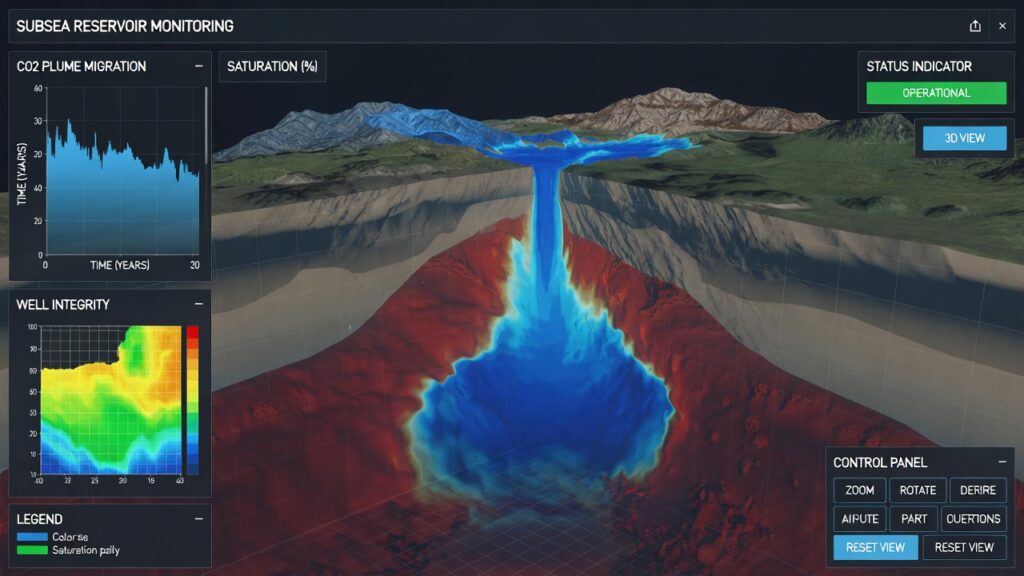
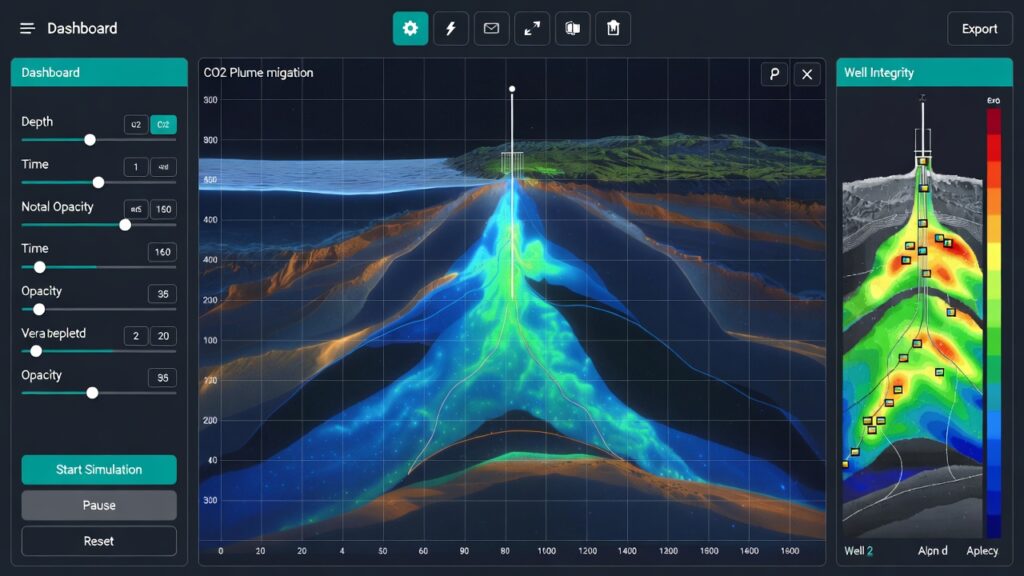
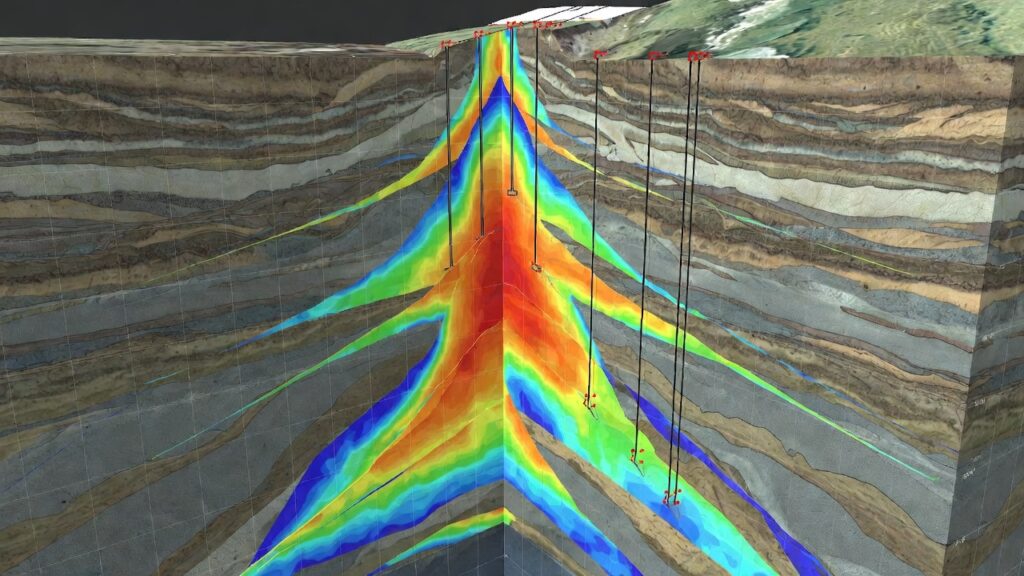
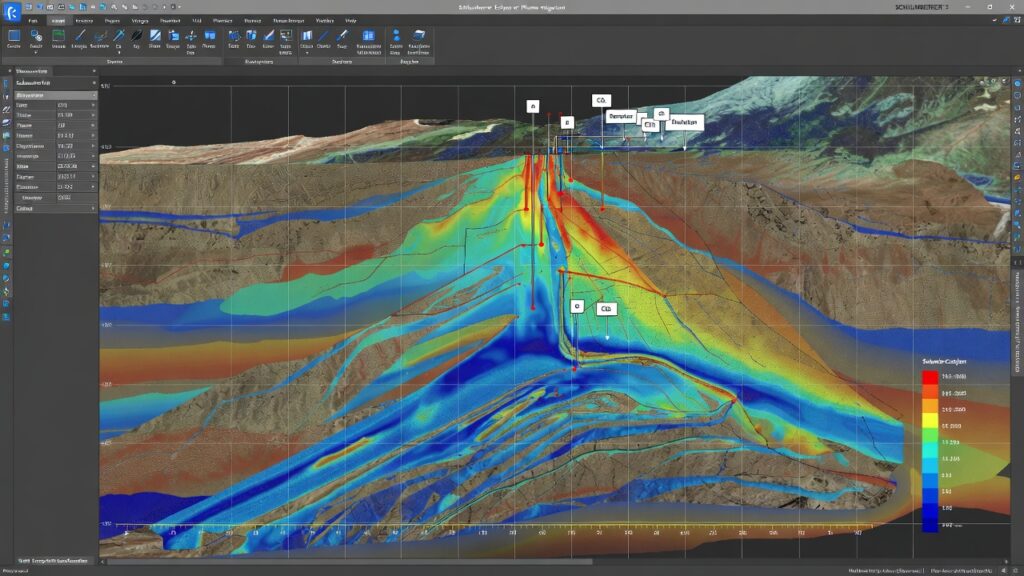
Depleted oil/gas fields offer proven traps and seals, but CO₂ behaves differently (buoyant migration, dissolution, mineralization). Digital twins integrate 4D seismic, downhole fiber-optics, and pressure/temperature sensors to simulate plume evolution in real time.
Examples from 2025–2026: OTC papers on “Underground Gas Storage Digital Twin for Depleted Reservoirs” and the UK North Sea CCS Wells Roadmap highlight digital technologies for injection monitoring and plume tracking—exactly what operators like Northern Lights and Sleipner successors are deploying. - Risk Prediction for Legacy Well Integrity & Seal Performance
Repurposed wells face unique challenges: CO₂ corrosion, thermal cycling, and pressure buildup. A digital twin continuously runs coupled geomechanical–fluid flow models to forecast casing deformation, cement degradation, and leakage pathways—years before they become issues. - Enabling Safe & Efficient Electrification of Subsea Systems
All-electric subsea trees, multiphase pumps, and subsea substations eliminate hydraulic fluid and topside power generation. Digital twins optimize power distribution, predict cable insulation degradation, and simulate transient loads from renewable tie-ins (offshore wind or wave energy).
2026 market trends show subsea electrification growing at 13%+ CAGR, with digital twins cutting downtime by 30–40% through predictive maintenance. - Integrated Asset Optimization Across CCS + Production
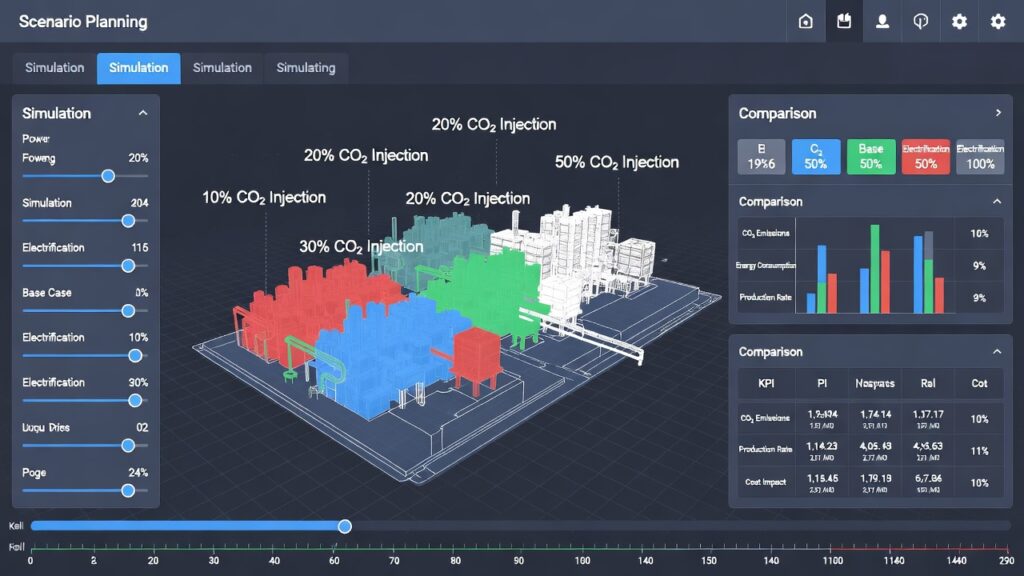
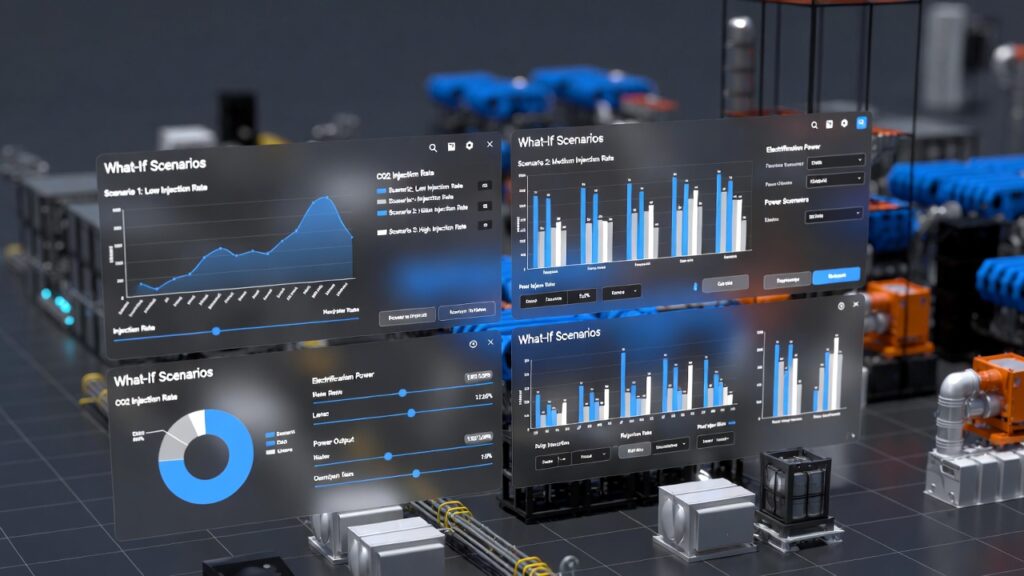
One twin can model both residual hydrocarbons (for enhanced recovery) and CO₂ injection simultaneously, while tracking energy consumption of electrified equipment. This hybrid approach maximizes storage capacity and minimizes the carbon footprint of ongoing operations.
Practical Digital Twin Workflow for CCS-Electrified Subsea Assets (2026 Best Practices)
- Data Foundation
- IoT sensors: fiber-optic DTS/DAS, acoustic arrays, subsea power quality monitors.
- Legacy data: 3D seismic, well logs, production history.
2. Model Integration
- Physics-based: reservoir simulation (Eclipse/Intersect for CO₂ plume), structural FEA for wellheads/connectors.
- Electrification layer: power flow models for all-electric trees and subsea batteries.
- AI layer: machine learning for anomaly detection and remaining useful life prediction.
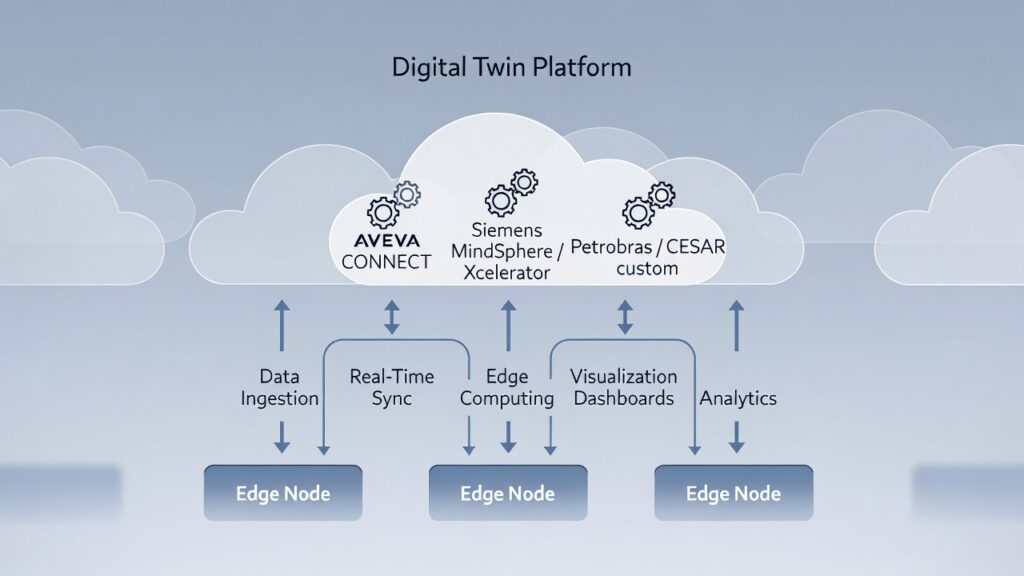
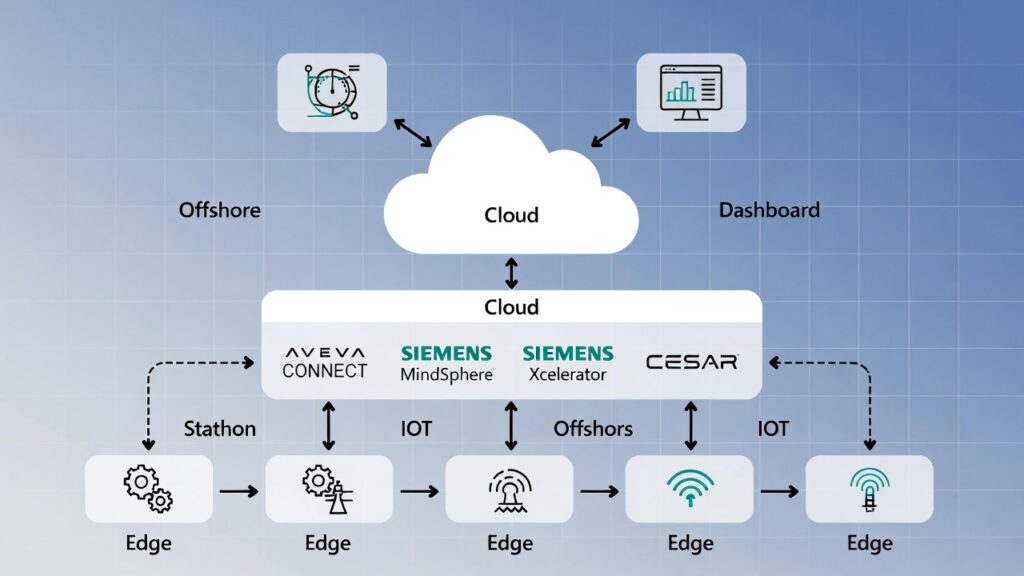
3. Real-Time Synchronization & Visualization
- Cloud/edge hybrid platform (e.g., AVEVA, Siemens, or custom twins used by Petrobras/CESAR in pre-salt analogs).
- Dashboards showing live plume contours, stress hotspots, and power efficiency metrics.
4. Scenario Planning & Automation
Suggested Visuals to Include
- Figure 1: 3D digital twin dashboard showing CO₂ plume migration in a depleted subsea reservoir (color-coded saturation + well integrity heat map).
- Figure 2: All-electric subsea Christmas tree with overlaid digital twin power flow and predictive maintenance alerts.
- Figure 3: Coupled simulation of thermal/pressure effects during CO₂ injection near an electrified jumper/riser.
- Figure 4: Timeline chart comparing traditional monitoring vs. digital twin early-warning detection for seal integrity.
Challenges & 2026 Outlook
- Data integration from legacy wells can be tricky standardization (API/ISO efforts) is improving fast.
- High-fidelity twins still require HPC, but edge computing and 5G subsea networks are closing the gap.
- Regulatory push: UK North Sea Transition Authority, EU DECARBON 2026 projects, and OTC 2025 sessions are all mandating advanced monitoring digital twins tick every box.
The Bottom Line
In 2026, digital twins aren’t optional they’re the enabler that turns depleted subsea reservoirs into secure, revenue-generating CCS assets while making full electrification practical and profitable. Operators who build integrated twins today will lead the net-zero offshore space tomorrow.Whether you’re planning a Northern Lights-style project, repurposing Gulf of Mexico or Guyana fields, or electrifying tiebacks with wind power, the message is clear: start with the twin.
What CCS or electrification challenge are you tackling right now?
Drop a comment below or connect on LinkedIn—I’d love to discuss real-field applications or help refine your twin strategy.Stay ahead of the curve, brothers. The future of offshore is digital, electrified, and carbon-negative.
Oko Immanuel
Subsea Engineering Specialist | Offshore Pipeline Insight