By Oko Immanuel, M.Eng
Founder, Offshore Pipeline Insight
March 25, 2026
Middle East tensions, especially involving Iran, have pushed Brent crude above $100–$115 per barrel in March 2026. This volatility has caused sharp rises in gasoline prices worldwide, bringing energy affordability back into sharp focus and accelerating consumer interest in electric vehicles (EVs) as a practical hedge against fuel price spikes.
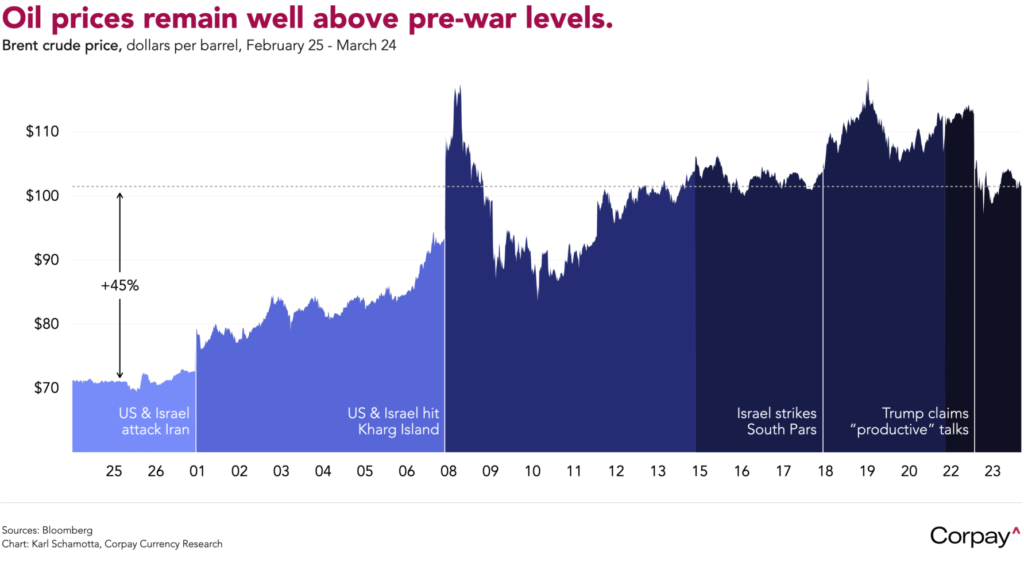
Brent crude oil price surge (February 25 – March 24, 2026): Oil prices climbed well above pre-conflict levels due to geopolitical disruptions in the Middle East.
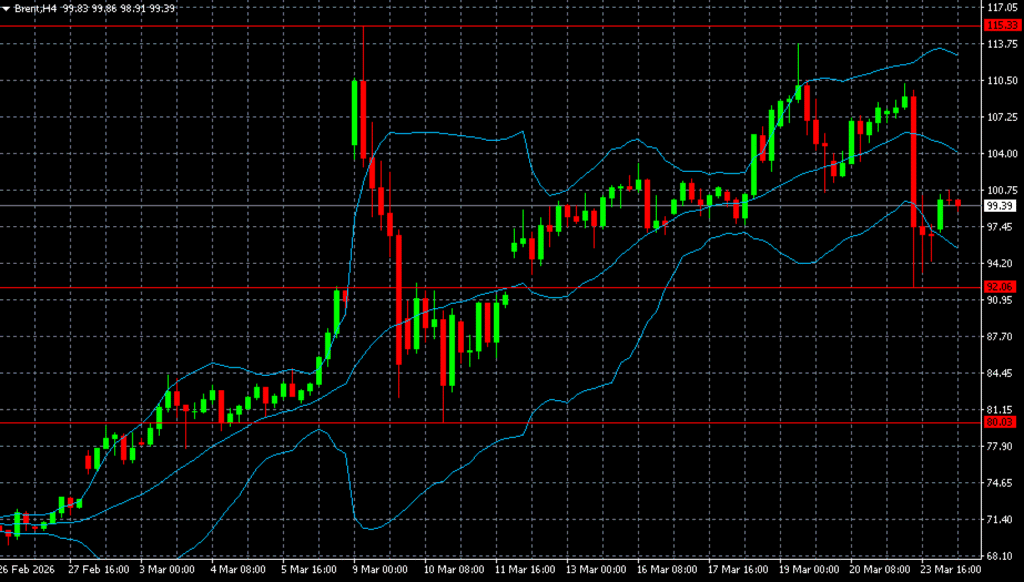
Daily Brent crude price movement (late February – late March 2026): The chart shows rapid volatility and sustained elevation linked to shipping risks and supply concerns.
Gasoline Price Impact on Consumers
U.S. regular gasoline averages have risen ~27–30% since late February, reaching $3.45–$3.72 per gallon in many areas. Europe has seen similar increases, with diesel climbing even faster. These hikes translate into hundreds of extra dollars per year for average drivers.
The EV Interest Surge
High gasoline prices are once again acting as a catalyst for electrified vehicle consideration. Online searches for EVs and hybrids have jumped 15–20%, and electrified vehicle consideration has risen to 22.4–23.8% of vehicle research activity.
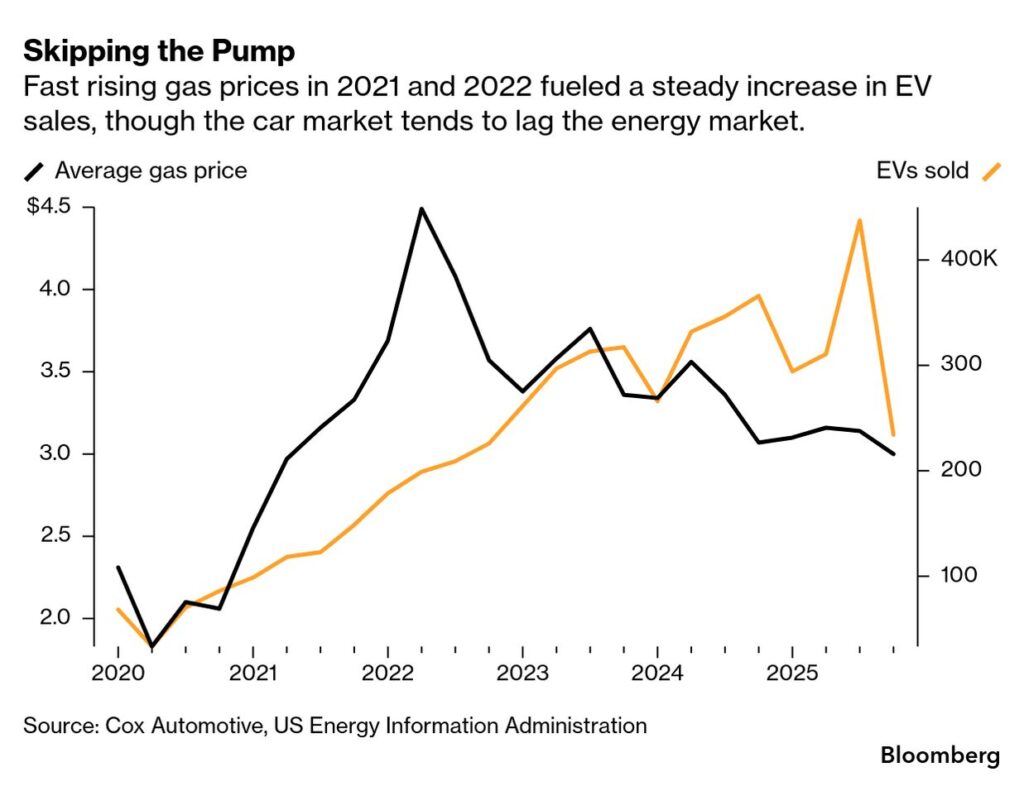
Historical correlation between average U.S. gas prices and EV sales (2020–2025): Fast-rising gasoline prices in 2021–2022 clearly fueled steady growth in EV sales, although broader market response often lags energy price changes.
EV Battery Supply Chains: Opportunities, Risks, and 2026 RealitiesEV batteries now account for up to 50% of vehicle cost and remain the most critical part of the transition.
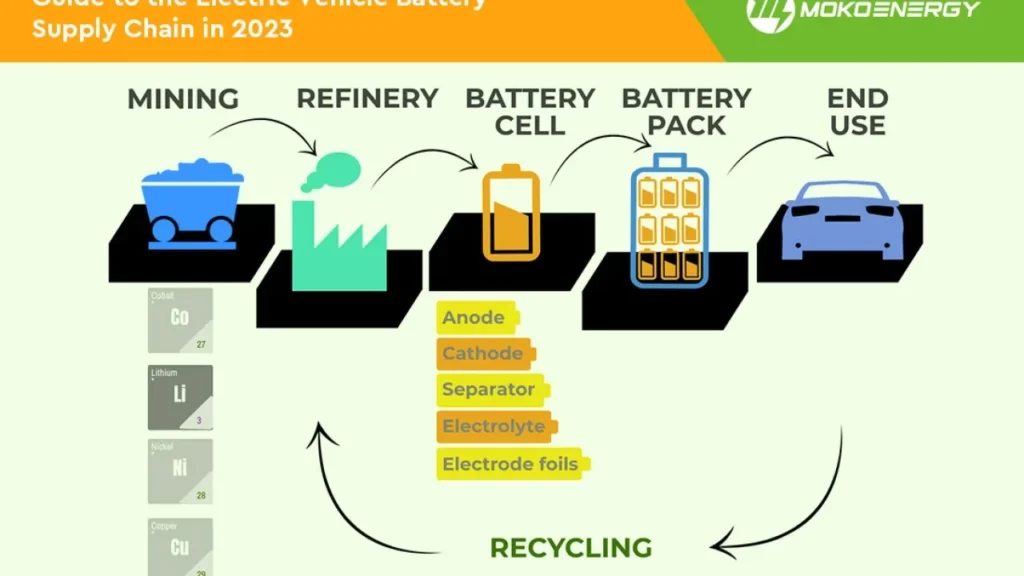
EV Battery Supply Chain Overview – From raw material mining (lithium, nickel, cobalt, copper) through refining, battery cell production, pack assembly, vehicle use, and recycling.
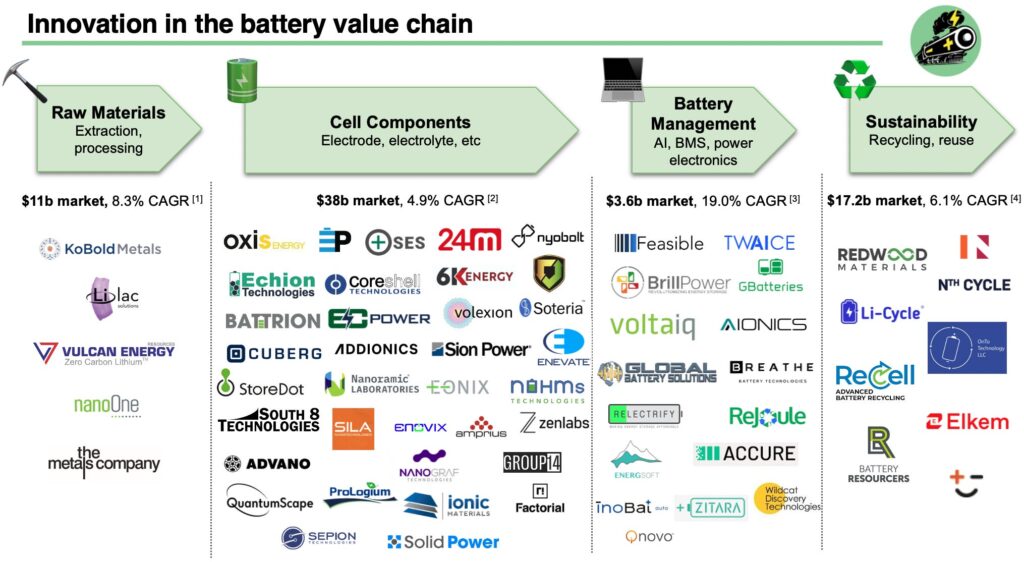
Innovation Across the Battery Value Chain – Key players and technologies in raw materials, cell components, battery management, and sustainability/recycling.
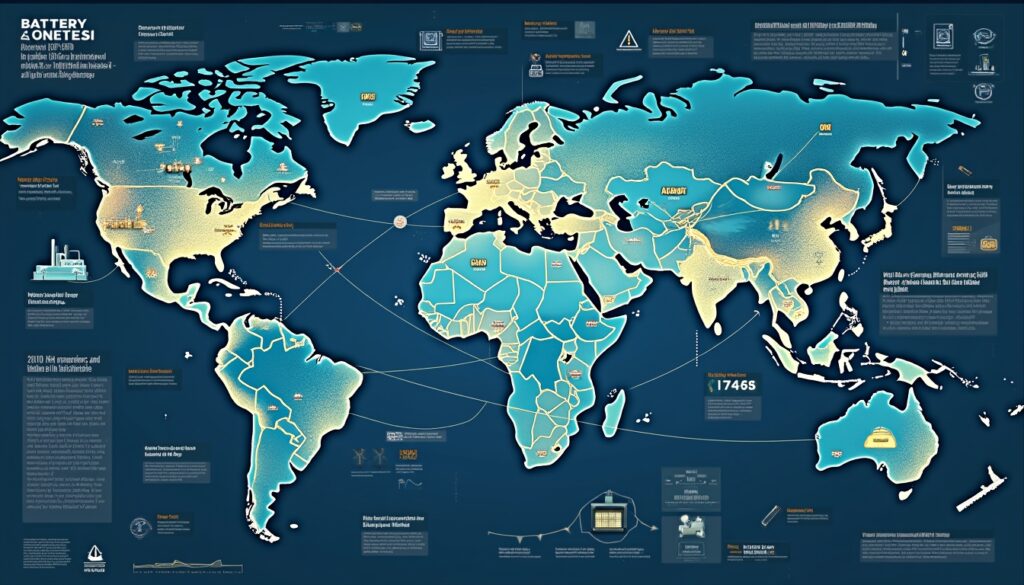
Global Battery Supply Chain Map (2026) – China dominates refining and cell manufacturing (60–80%+ of key materials), while lithium comes mainly from Australia, Chile, and Argentina, nickel from Indonesia, and cobalt from the DRC.
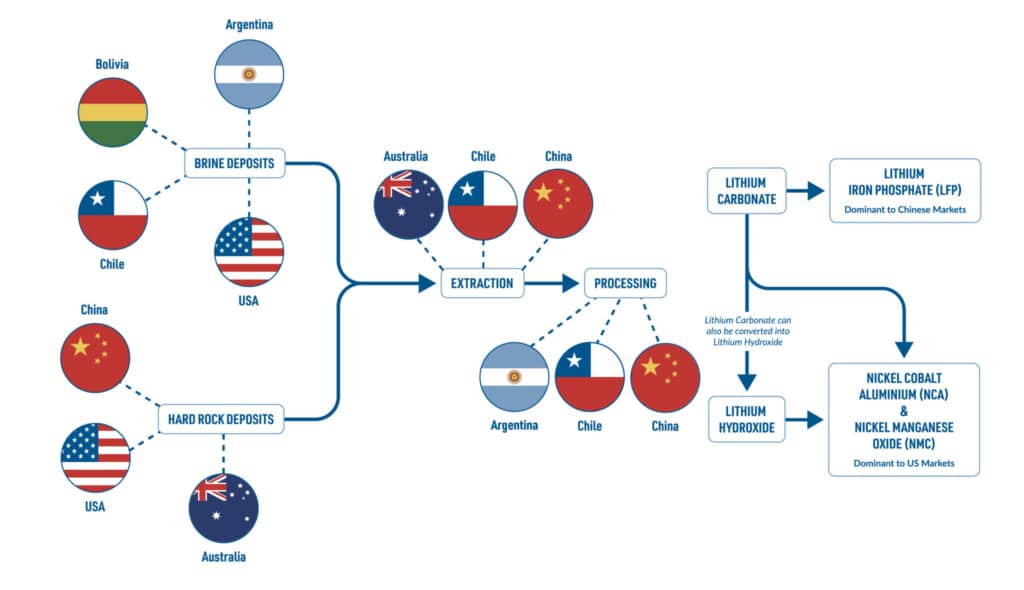
Lithium-Ion Battery Supply Chain Flow – Extraction and processing routes for lithium carbonate/hydroxide, showing major country contributions and dominant chemistries (LFP vs NMC)
.2026 Challenges: Heavy concentration in China, ethical sourcing concerns (especially cobalt), potential tariffs, and supply tightness in nickel and cobalt. Western diversification efforts (U.S. IRA, EU projects) are accelerating but still lag.
Wind Integration: Supporting the EV Transition
Offshore and onshore wind power are becoming essential partners for EVs by providing clean, low-cost electricity and helping stabilize the grid.
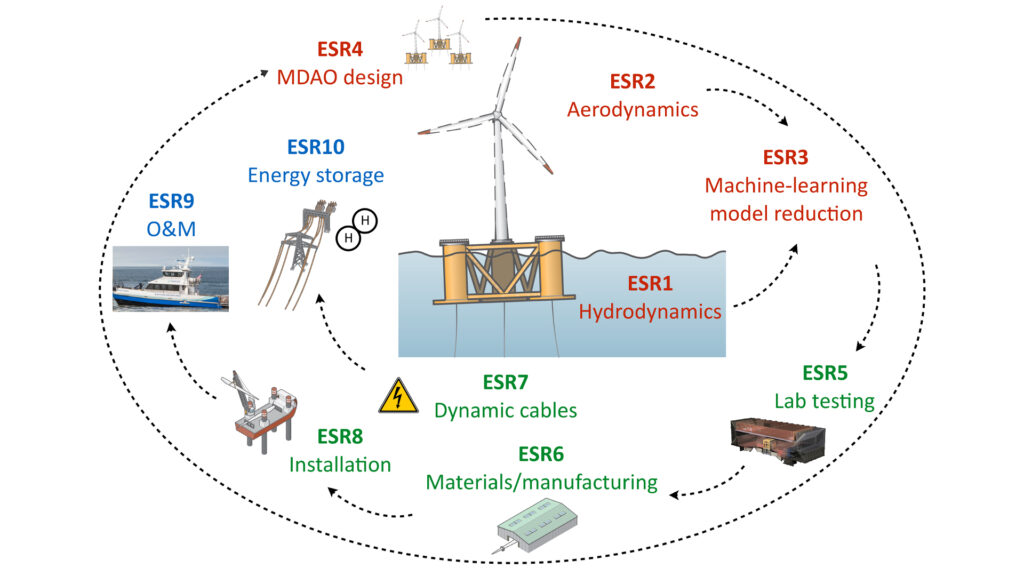
Floating Offshore Wind + Energy Storage Integration – Technical overview showing how floating wind turbines, energy storage, and O&M systems work together to support reliable power supply.
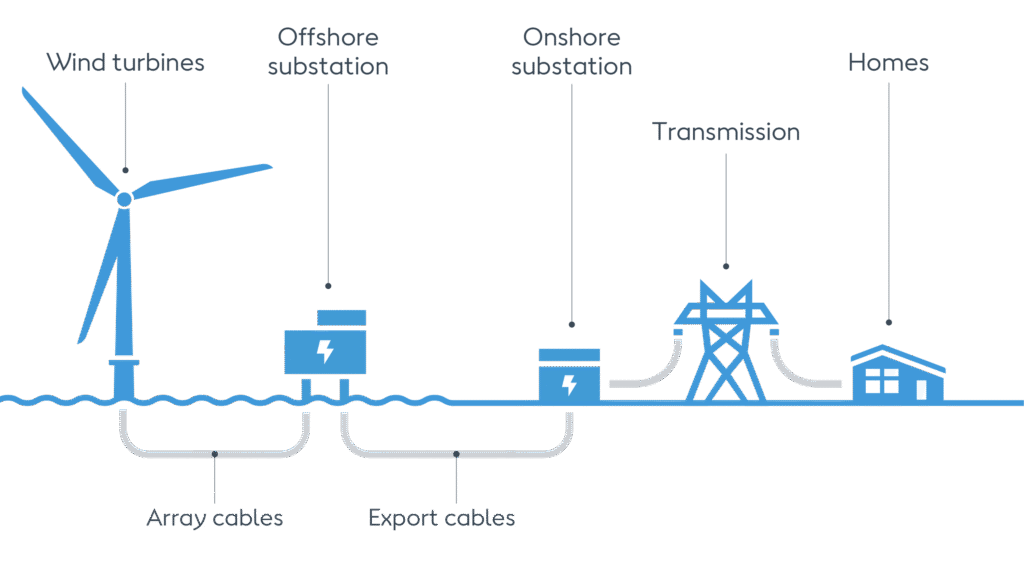
Offshore Wind Power Flow to Grid & Homes – Simple schematic: Wind turbines → offshore substation → export cables → onshore transmission → homes and EV charging infrastructure.
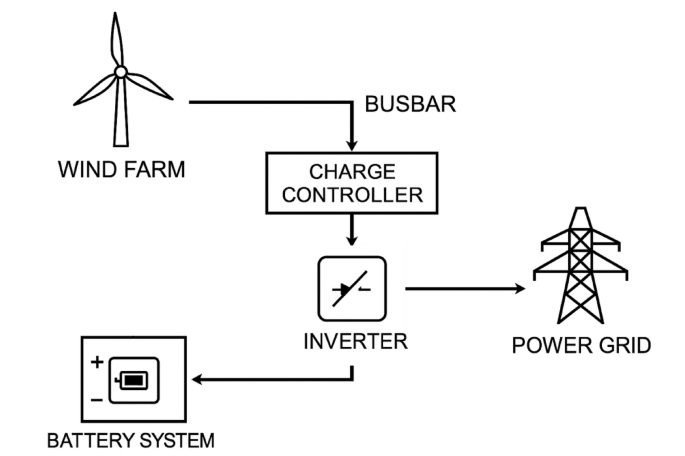
Wind Farm + Battery Storage System – Process flow showing wind generation feeding a charge controller, battery storage, inverter, and ultimately the power grid — ideal for balancing EV charging demand.
Key Benefits: Wind + battery storage smooths intermittency, reduces curtailment, and enables smart EV charging during high-wind periods. Offshore wind, in particular, offers high capacity factors and can directly support coastal charging hubs or green hydrogen production.
Implications for Offshore Energy & Subsea Infrastructure
Rising EV adoption driven by gasoline price volatility increases electricity demand, which in turn boosts the need for:
- Reliable natural gas as a bridge fuel (supporting subsea gas tiebacks and compression)
- Offshore wind development and associated subsea cables/export systems
- Resilient supply chains for critical minerals and long-term offshore infrastructure in emerging basins like the Equatorial Margin
Energy affordability concerns linked to geopolitics are clearly accelerating the shift toward EVs. However, success will depend on building secure, diversified battery supply chains and effectively integrating variable renewables like wind at scale.The offshore sector sits at the heart of this transition — delivering both traditional hydrocarbons for grid stability and the subsea technologies that enable offshore wind and reliable energy infrastructure.
What are your thoughts on the biggest bottlenecks in EV battery supply chains or the role of offshore wind in supporting EV growth? Feel free to share below.
Stay tuned to Offshore Pipeline Insight for more insights on how geopolitics, energy affordability, and subsea technologies shape the future of energy.
Oko Immanuel, M.Eng
Founder & Lead Analyst
Offshore Pipeline Insight
https://offshorepipelineinsight.com