Written by Oko Immanuel I 18 Feb 2026 I offshorepippelineinsight.com
In a significant development for global energy exploration, Italian energy giant Eni has announced a major offshore gas and condensate discovery in Côte d’Ivoire (Ivory Coast). Revealed on February 16, 2026, the find named Calao South highlights the growing potential of West Africa’s offshore basins and positions Côte d’Ivoire as an emerging hydrocarbon hotspot.
This discovery comes hot on the heels of Eni’s successful Baleine field, the country’s largest, and reinforces the region’s appeal amid rising demand for natural gas as a transitional fuel.
Details of the Calao South Discovery
The breakthrough was made with the Murene South-1X exploration well, the first drilled in Block CI-501. Eni operates the block with a 90% stake, partnering with state-owned Petroci Holding (10%).Located in deep waters (around 2,200 meters), the well encountered high-quality Cenomanian reservoir sands within the prolific Calao channel complex. Estimates place the resources at up to:
- 5.0 trillion cubic feet (Tcf) of natural gas
- 450 million barrels of condensate
This equates to approximately 1.4 billion barrels of oil equivalent (boe), making Calao South the second-largest hydrocarbon discovery in Côte d’Ivoire after the Baleine field.
The find builds on the earlier Calao discovery in the same complex, confirming substantial upside potential. A full drill stem test is planned to evaluate production capacity and support further appraisal.
Here are maps illustrating Côte d’Ivoire’s offshore blocks, including the location of Calao, Baleine, and surrounding concessions in the Gulf of Guinea.
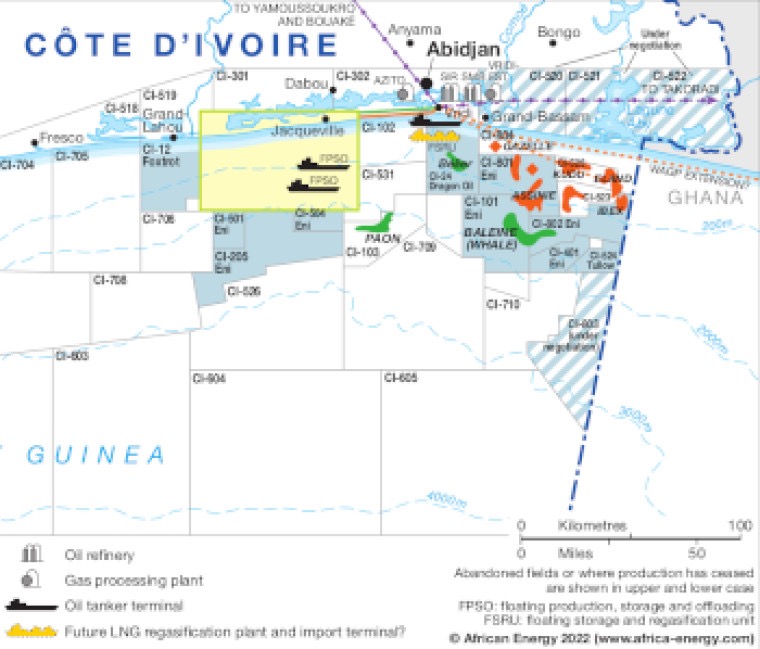
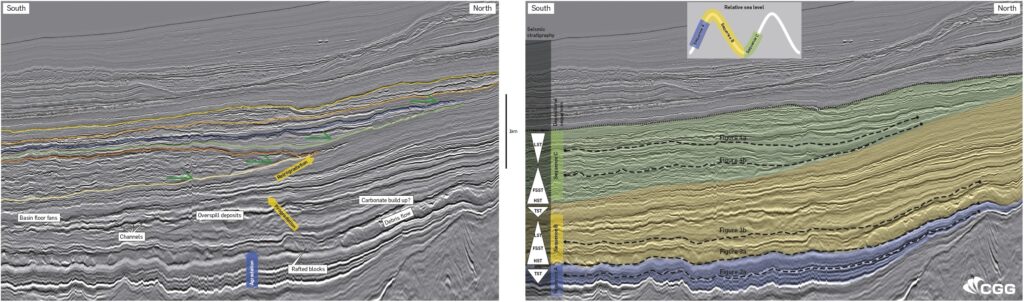
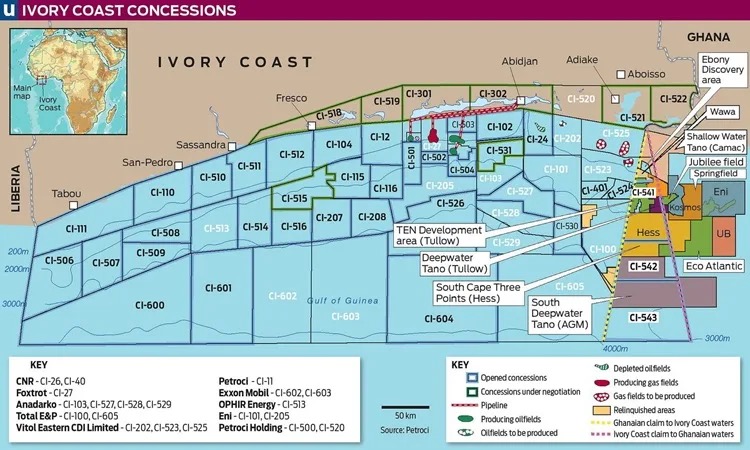
These visuals show the strategic positioning of Block CI-501 relative to Baleine and other key areas, underscoring why this region is attracting major players.
Context: Building on Baleine Success
Eni has been active in Côte d’Ivoire for over a decade, with the Baleine field (in Blocks CI-101 and CI-802) as its flagship. Baleine, discovered in 2021, is already producing over 62,000 barrels of oil per day (bpd) and more than 75 million cubic feet of gas per day from Phases 1 and 2.
Phase 3 aims to ramp up to 150,000 bpd of oil and 200 million cubic feet of gas per day, supporting domestic power generation, reducing flaring, and enabling exports to neighboring countries.
Calao South complements this infrastructure potential subsea tiebacks could accelerate development with lower costs ($4–6 per barrel vs. $8–12 for standalone platforms) and a timeline of 18–24 months by leveraging existing Baleine facilities.
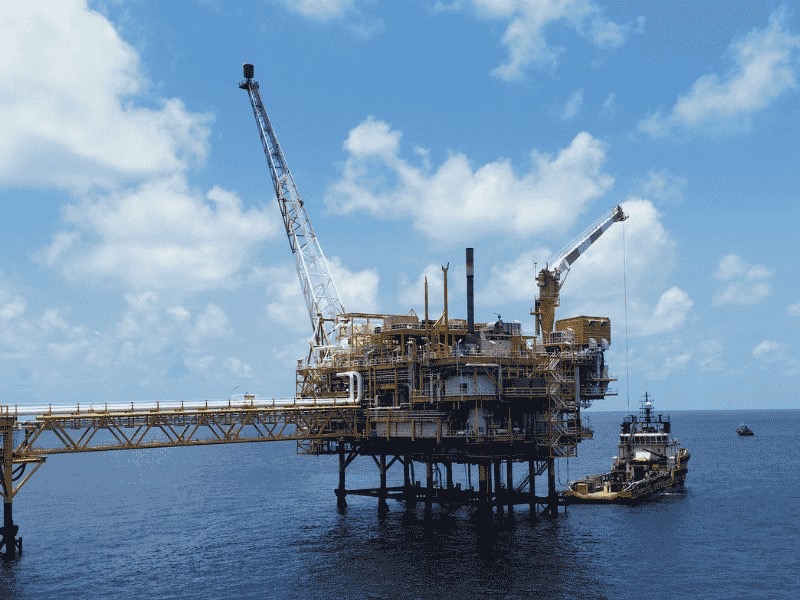
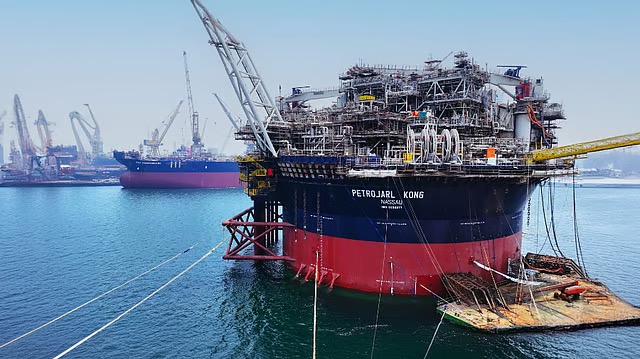
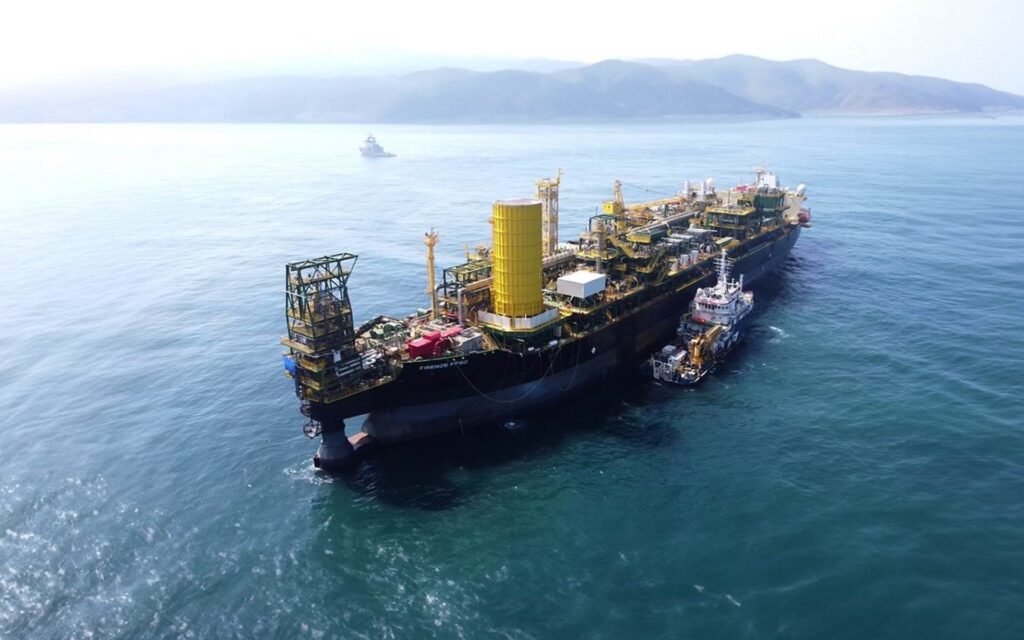
Offshore platforms and FPSOs like those used in Baleine highlight the technology driving these projects.
Why This Boosts West Africa’s Exploration Appeal
- Gas Focus in Transition Era: With global emphasis on lower-carbon fuels, large gas finds like Calao South offer cleaner alternatives to coal/oil while supporting energy security.
- Regional Momentum: West Africa sees renewed interest Namibia’s massive finds, Angola commitments, and now Côte d’Ivoire’s successes attract investment despite rig shortages
- Economic Impact for Côte d’Ivoire: The discovery could fuel domestic industrialization, power access (via gas-to-power), and revenue growth. It positions the country as a gas hub in the Gulf of Guinea.
Challenges and Outlook
While promising, fast-tracking development requires regulatory support, infrastructure investment, and environmental considerations. Eni plans appraisal and integration studies to move toward commercialization.This find signals strong continued exploration in the Calao complex and broader basin.Eni’s Calao South discovery is more than a headline it’s a catalyst for West Africa’s energy evolution. As gas plays a key role in the transition, Côte d’Ivoire could emerge as a major player.
What do you think this means for African energy markets? Share your views in the comments, and stay tuned for more updates on offshore developments!
okoimma1914@gmail.com