Current Snapshot (May 2026)
- OTC 2026 (just concluded in Houston) emphasized deepwater as a critical supply engine amid a global exploration slowdown.
- ~65 high-impact exploration wells planned for 2026, with hotspots in Namibia (Orange Basin), Guyana, Brazil (pre-salt), and parts of Asia-Pacific.
- Transocean-Valaris $5.8B merger still on track for H2 2026 but facing extended U.S. antitrust review.
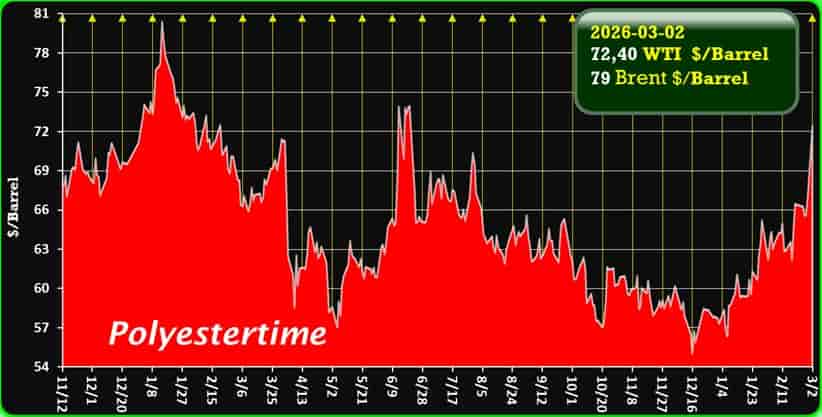
- Sustained high Brent prices ($90–$115) due to Middle East disruptions are accelerating sanctioning of offshore and HPHT projects.
- Strong momentum in CCS/CCUS, subsea tie-backs, and all-electric systems.
- Record U.S. natgas output expected, while offshore production in the Gulf of America remains stable.
Article 1: Deepwater Resurgence 2026 – Why Offshore is Becoming the World’s Critical Supply Engine AgainDeepwater Resurgence 2026: Why Offshore is Once Again the World’s Critical Supply EngineThe Offshore Technology Conference (OTC) 2026, which wrapped up in Houston earlier this month, sent a clear message: deepwater is back as a core pillar of global oil supply growth. Despite subdued exploration spending overall, operators and analysts are increasingly turning to large-scale, long-life deepwater developments to close the looming supply gap.
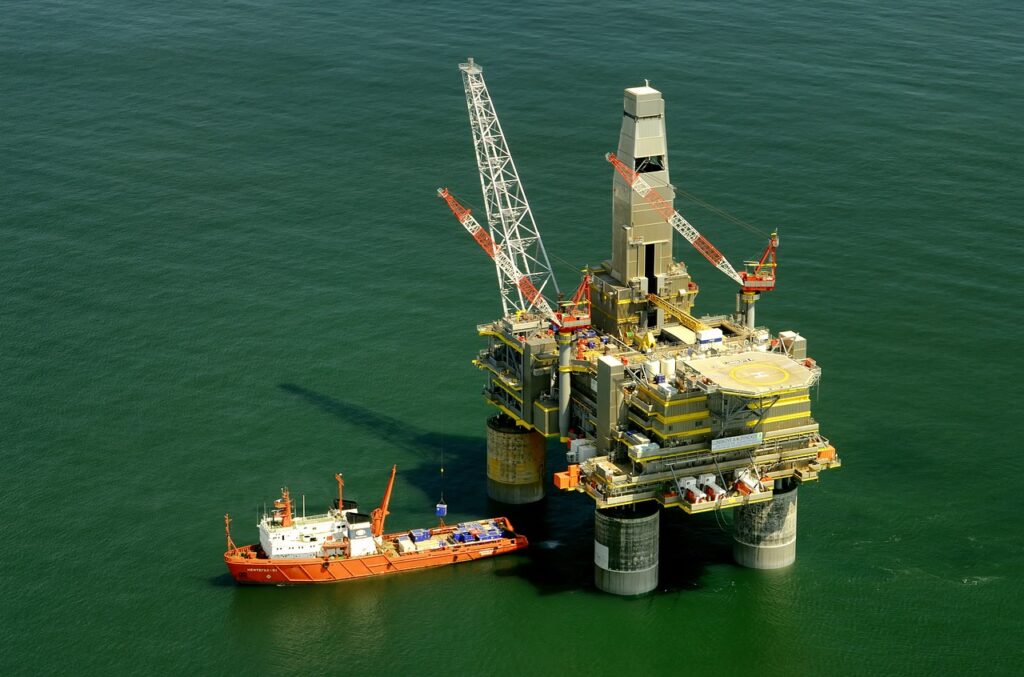
Deepwater production platform in the Gulf of Mexico – a symbol of the resurgence
According to Welligence Energy Analytics COO Ivan Cima, global oil supply could face a shortfall of up to 25 million barrels per day by 2040. Deepwater currently accounts for under 8% of world supply but is forecast to rise toward 10 million bpd in the early 2030s, driven by key Final Investment Decisions (FIDs) already in motion.
Hotspots Driving Activity:
- Guyana & Suriname — Continued expansion of ExxonMobil, Hess, and others in the Stabroek and related blocks.
- Brazil Pre-Salt — Petrobras and international partners pushing deeper plays.
- Namibia Orange Basin — Multiple high-impact wells planned by Shell, Chevron, and others.
- U.S. Gulf of Mexico — Steady activity with new ultra-deepwater projects.
Why Deepwater Wins in 2026:
- High-impact discoveries deliver billions in value when successful.
- Long plateau production profiles provide decades of cash flow.
- Technology improvements (all-electric subsea, HPHT equipment, digital twins) are lowering costs and risks.
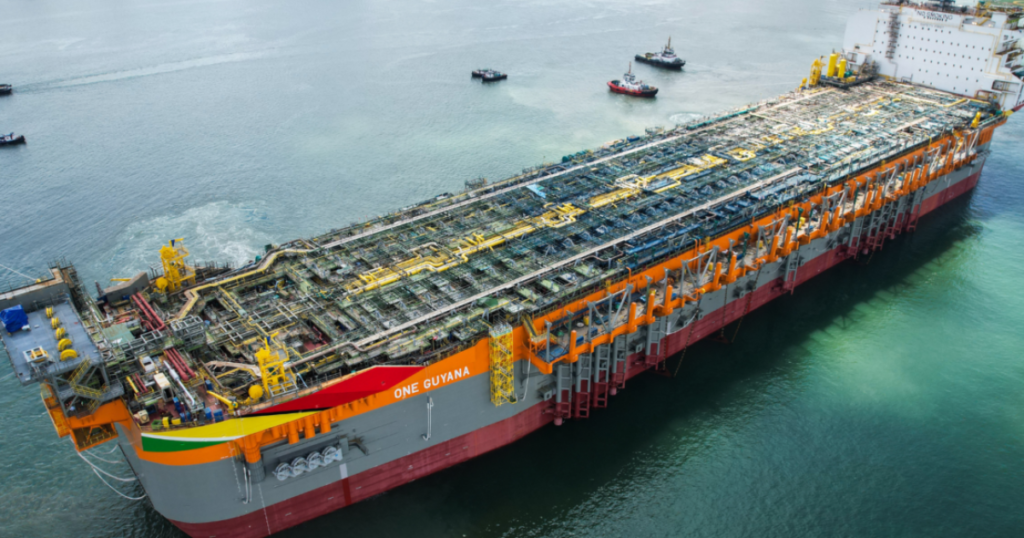
FPSO in deepwater operations – key to unlocking frontier reserves
Implications for Pipeline & Subsea Professionals
Longer tie-backs, higher pressures/temperatures, and flow assurance challenges are driving demand for advanced materials, pipe-in-pipe insulation, and all-electric control systems. This environment favors specialists in HPHT pipeline design and subsea boosting.
Article 2: 65 High-Impact Wells in 2026 – Exploration Hotspots and What It Means for Subsea Infrastructure
65 High-Impact Exploration Wells Set for 2026: The Hotspots and Infrastructure Boom Ahead
Exploration activity remains selective but high-stakes in 2026. Industry analysts forecast around 65 high-impact wellsglobally, concentrated in frontier and deepwater basins where success can unlock billions of barrels.
Exploration drilling rig in frontier watersRegional Breakdown:
- Africa (~19 wells): Namibia Orange Basin leads, with Shell, Chevron, and others testing new prospects. Angola, Ghana, and Ivory Coast also active.
- South America (~15 wells): Guyana, Brazil pre-salt/equatorial margins, and Suriname remain extremely high potential.
- Asia-Pacific (~10–12 wells): Indonesia, India, and Australia.
- Europe & Others: Black Sea, Mediterranean, and Mexico.
What This Means for Pipelines & Subsea:
Successful discoveries will trigger a wave of tie-back projects, flowlines, umbilicals, and export pipelines. Longer distances and harsher conditions will increase demand for HPHT-rated materials, advanced insulation, and all-electric subsea trees.
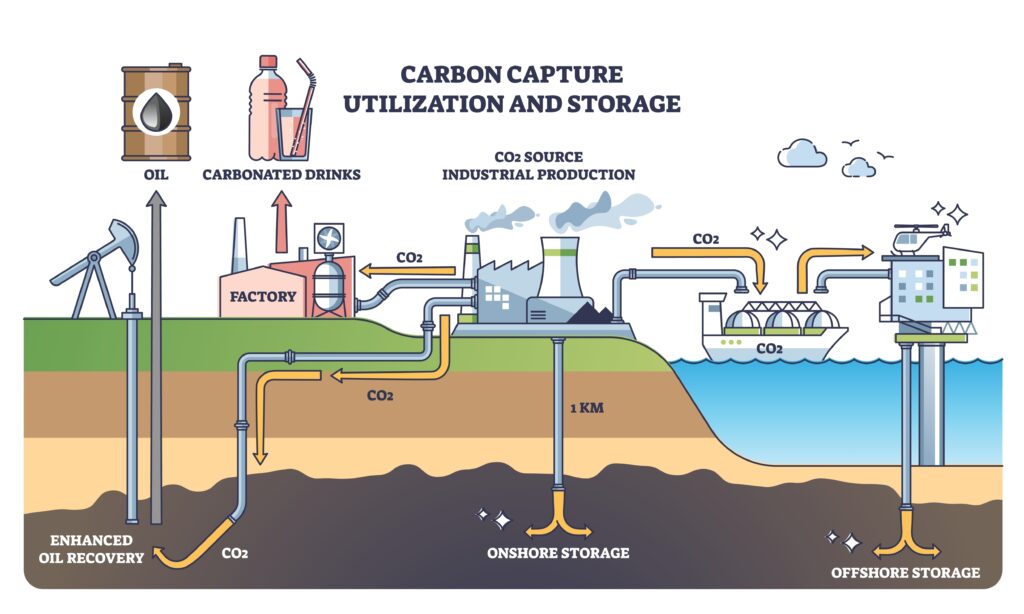
Subsea tie-back schematic – the infrastructure backbone of new discoveries
Operators are already prioritizing fields that can be tied back to existing hubs to reduce costs and accelerate first oil.
Article 3: Transocean-Valaris Merger Update – Consolidation Reshapes the Offshore Drilling Landscape in 2026Transocean-Valaris $5.8 Billion Merger: Consolidation Wave Reshapes Offshore Drilling in 2026The proposed combination of Transocean and Valaris continues to dominate headlines as one of the largest offshore drilling deals in recent years. Expected to close in the second half of 2026, the all-stock transaction would create the world’s largest offshore drilling contractor with a combined fleet of 73 rigs (33 ultra-deepwater drillships, 9 semis, and 31 jack-ups).
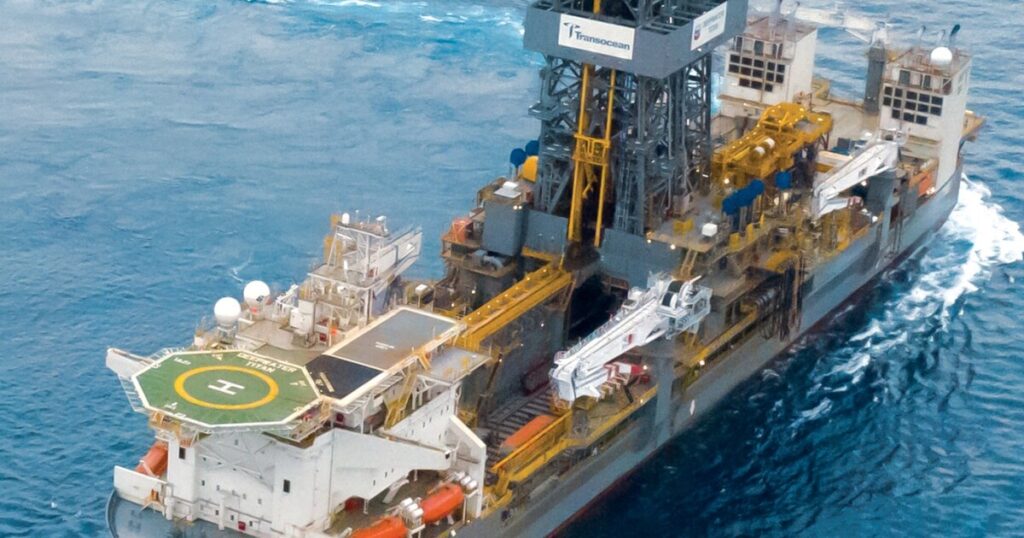
Modern ultra-deepwater drillship – the assets driving consolidationCurrent Status:
- Deal still on track despite extended U.S. Department of Justice antitrust review.
- Targeted synergies exceed $200 million annually.
- Combined backlog and scale will strengthen bargaining power with operators.
Broader Industry Trend:
Capital discipline and the need for scale to invest in next-generation rigs (especially for HPHT and ultra-deepwater) are driving consolidation. Smaller players face increasing pressure.
Implications for Operators & Subsea: Larger, more capable drilling contractors mean better access to high-spec rigs for complex HPHT and deepwater campaigns. This supports faster project delivery and more tie-back opportunities.
By Oko Immanuel, M.Eng
Founder, Offshore Pipeline Insight | Subsea Engineering Specialist
May 18 2026