By Oko
Founder, Offshore Pipeline Insight
March 16, 2026
High-pressure, high-temperature (HPHT) subsea fields, characterized by pressures exceeding 15,000 psi and temperatures over 350°F, represent a frontier in offshore oil and gas development, particularly in the Gulf of Mexico. However, they come with elevated risks and costs. The Bureau of Safety and Environmental Enforcement (BSEE) has recently updated regulations to address these challenges, influencing project economics through increased compliance burdens but also enabling safer, more efficient operations. This blog examines the 2026 BSEE revisions, their economic impacts, and specific implications for the software and stimulation pillars in HPHT subsea fields.
Overview of Latest BSEE Regulations for HPHT Operations
In February 2026, BSEE proposed revisions to the 2023 Blowout Preventer (BOP) Systems and Well Control Rule, extending investigation timelines for BOP failures from 90 to 120 days and modifying reporting requirements by shifting third-party qualifications to on-request submission. Additionally, the August 2024 final rule on HPHT updates formalized processes for novel technologies, removing HPHT from “new or unusual” classifications to streamline approvals while maintaining rigorous safety standards. These changes emphasize enhanced equipment certification, real-time monitoring, and risk-based integrity management under 30 CFR Part 250.The regulations mandate independent third-party verifications for HPHT BOPs and well designs, focusing on barriers containing hydrocarbon pressure sources. This clarifies scope, limiting barriers to hydrocarbon-related components and reducing ambiguity in application.
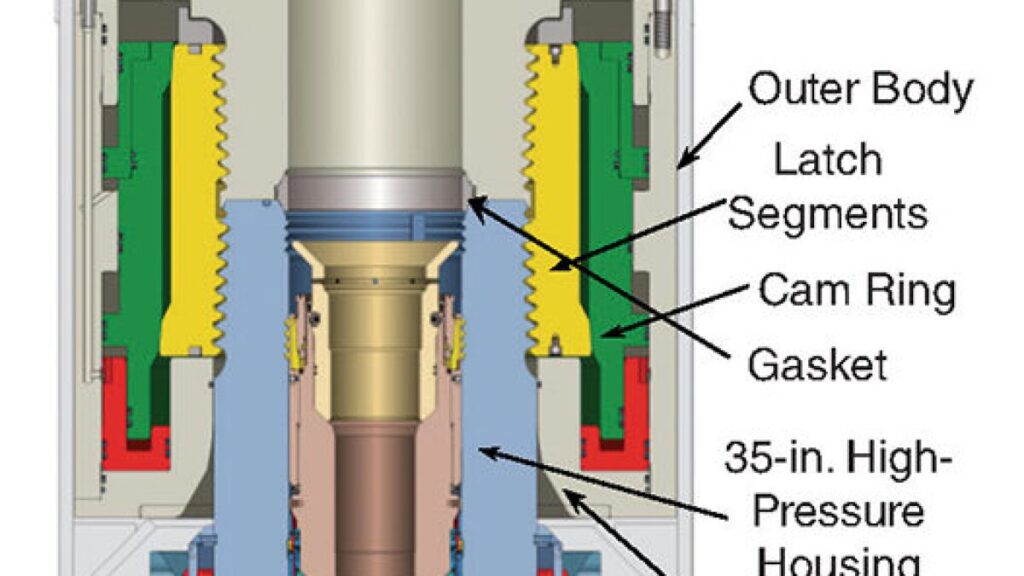
Fig. 1: Schematic of an HPHT subsea wellhead system, illustrating high-pressure housing and latch mechanisms critical for regulatory compliance.
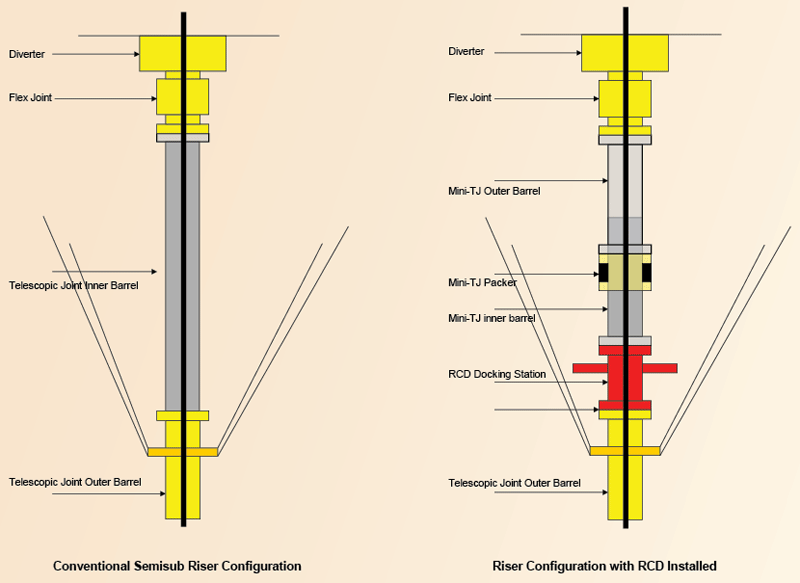
Fig. 2: Configuration of a riser system with rotating control device (RCD) installed, as required for HPHT well control under BSEE rules.
Economic Impacts on HPHT Subsea Fields
BSEE’s updates increase upfront CAPEX through mandatory certifications and verifications, potentially adding 5–15% to development costs for HPHT projects. However, they mitigate long-term OPEX by preventing incidents—e.g., BOP failures that could cost $100–500 million in downtime and cleanup. Economic modeling shows net positive ROI through reduced risk premiums and insurance costs.For subsea fields, regulations drive investment in resilient materials and monitoring, impacting economics via extended asset life (up to 30–50 years) and optimized production rates. Stimulation and software pillars are particularly affected, as regs require detailed simulations and barrier verifications.
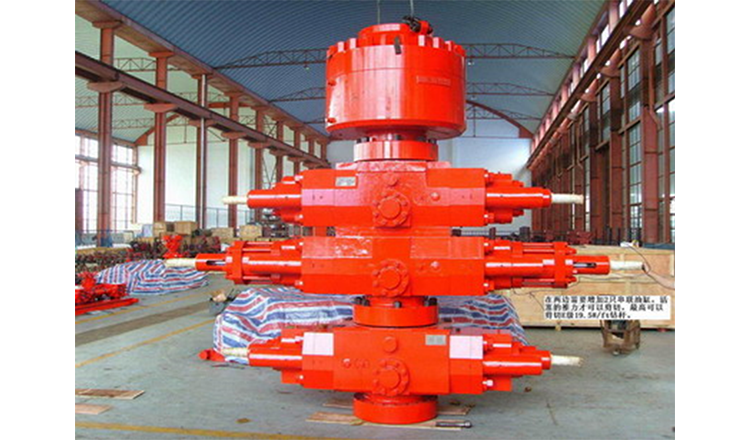
Fig. 3: Blowout preventer (BOP) stack, a key focus of BSEE’s well control revisions for HPHT safety.
The Software Pillar: Enhanced Simulation and ModelingBSEE regulations emphasize software for HPHT design verification, requiring operators to demonstrate equipment performance via advanced simulations. Tools like digital twins and finite element analysis (FEA) model thermal expansion, pressure cycling, and fatigue in subsea components.
- Impact: Software compliance adds initial costs (~$500,000–$2 million per project for modeling) but reduces NPT by 20–30% through predictive failure analysis. Economics improve via optimized designs that extend well life and minimize interventions.
- Key Technologies: HPHT-specific software (e.g., ANSYS for stress modeling, Landmark for reservoir simulation) integrates real-time data for dynamic adjustments.
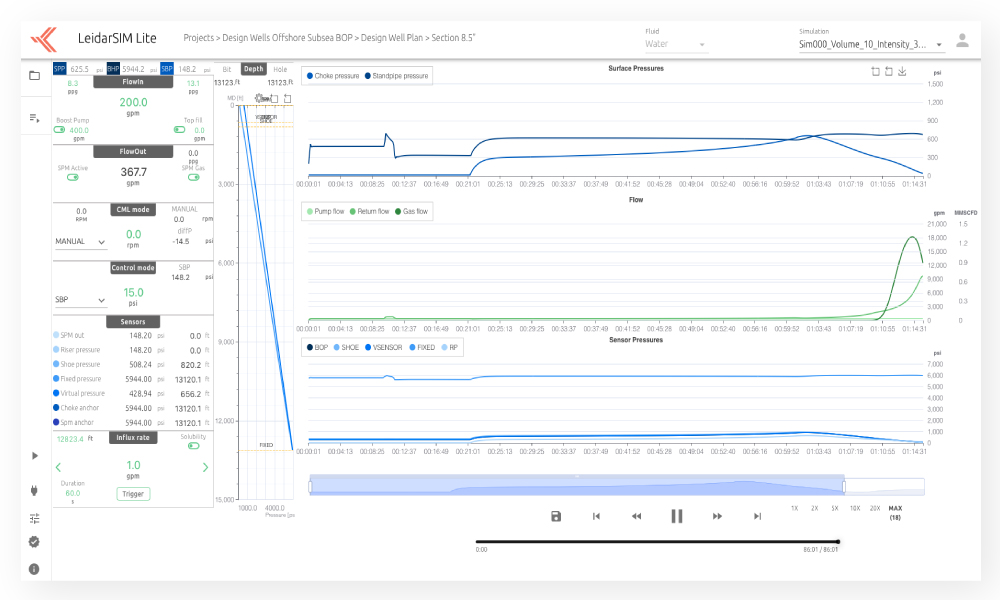
Fig. 4: Drilling simulation dashboard for HPHT modeling, showing real-time pressure and flow analytics.
The Stimulation Pillar: Regulatory Effects on HPHT Well Treatments
Stimulation in HPHT subsea wells (e.g., hydraulic fracturing, acidizing) is governed by BSEE’s well control and barrier requirements, mandating robust BOPs and pressure containment during operations.
- Impact: Stricter BOP testing and third-party verifications increase stimulation costs by 10–25%, but enhance safety, reducing blowout risks that could halt production. Economics benefit from higher initial recovery rates (up to 15–20% uplift in HPHT reservoirs).
- Key Considerations: Regulations require pre-stimulation simulations to verify barrier integrity, influencing proppant selection and fluid chemistry for extreme conditions.
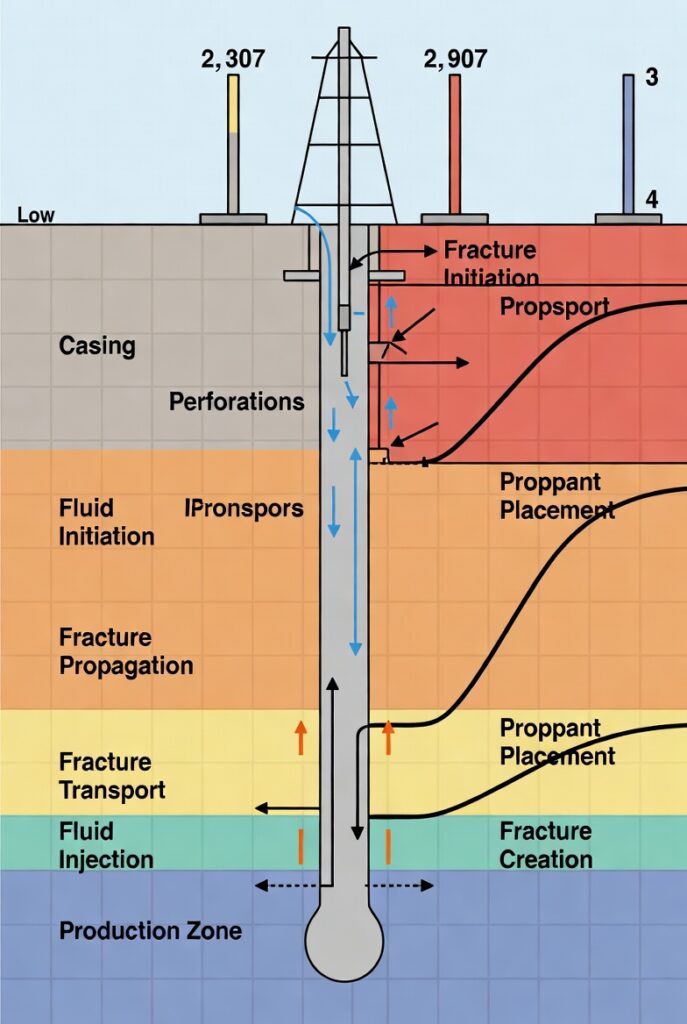
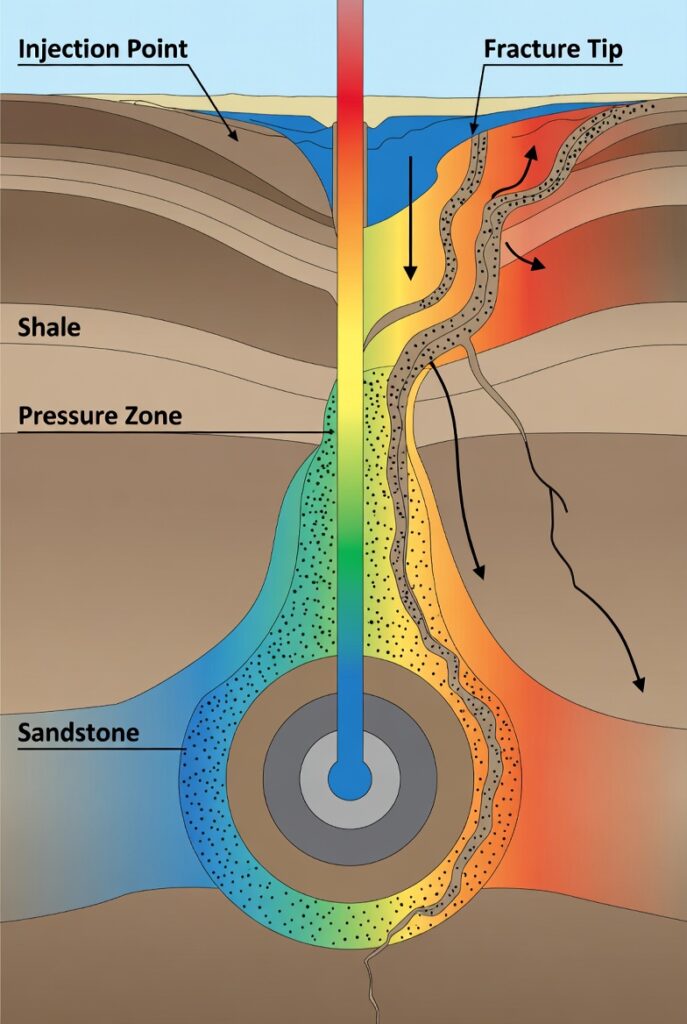
Fig. 5: Schematic of hydraulic fracturing stimulation in an HPHT well, illustrating proppant placement and pressure zones.
Conclusion
BSEE’s 2026 regulations raise the bar for HPHT subsea safety, increasing short-term costs but delivering long-term economic gains through reduced risks and optimized operations. The software pillar enables precise modeling for compliance, while stimulation benefits from enhanced barrier protections. Operators balancing these will see improved field economics in high-stakes HPHT environments.For subsea professionals: How are BSEE updates affecting your HPHT project budgets? Share below!