Oko Immanuel
Petroleum / Subsea Engineer
Founder, Offshore Pipeline Insight
Texas A&M Alumnus.
March 06, 2026
Deepwater pipeline trends as of March 06, 2026. Deepwater (typically 500–1,500m water depth) and ultra-deepwater (>1,500m) segments are seeing renewed momentum in 2026, driven by maturing major discoveries, export infrastructure needs, and technological enablers that make these challenging environments more viable despite softer oil prices (~$55–$60/bbl forecasts for the year).The offshore pipeline market overall is growing steadily from ~$16.19–$16.98 billion in 2026 projections with deepwater developments as a core driver (CAGR ~4.8–5.8% toward 2030). Deepwater installations are gaining prominence due to depleting shallow reserves, new hydrocarbon finds in frontier basins, and advancements in materials/installation that reduce risks and costs.
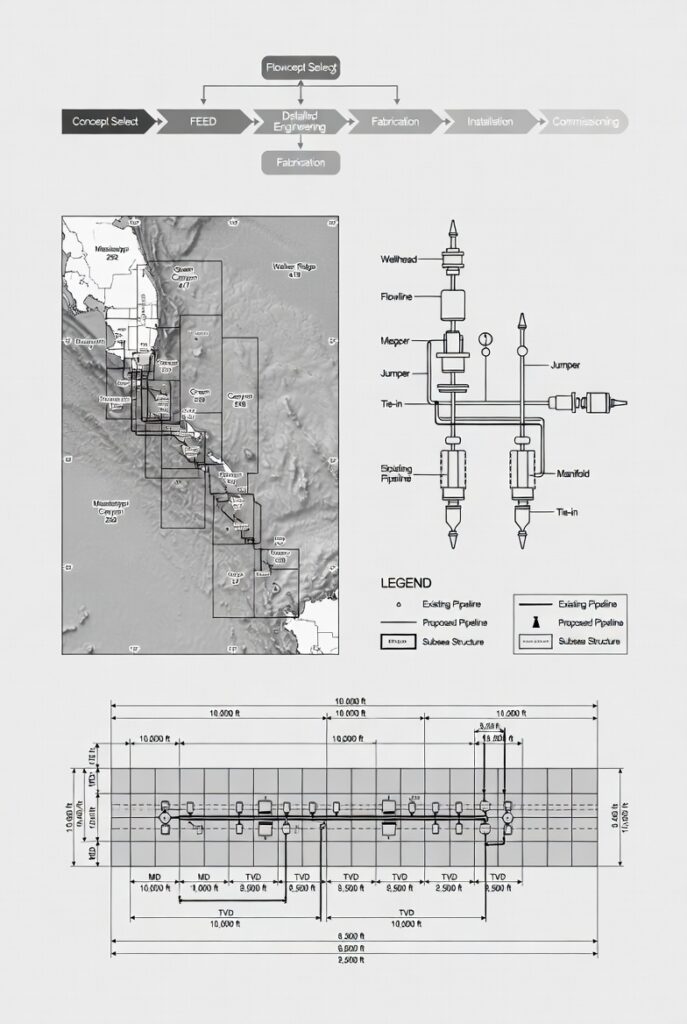
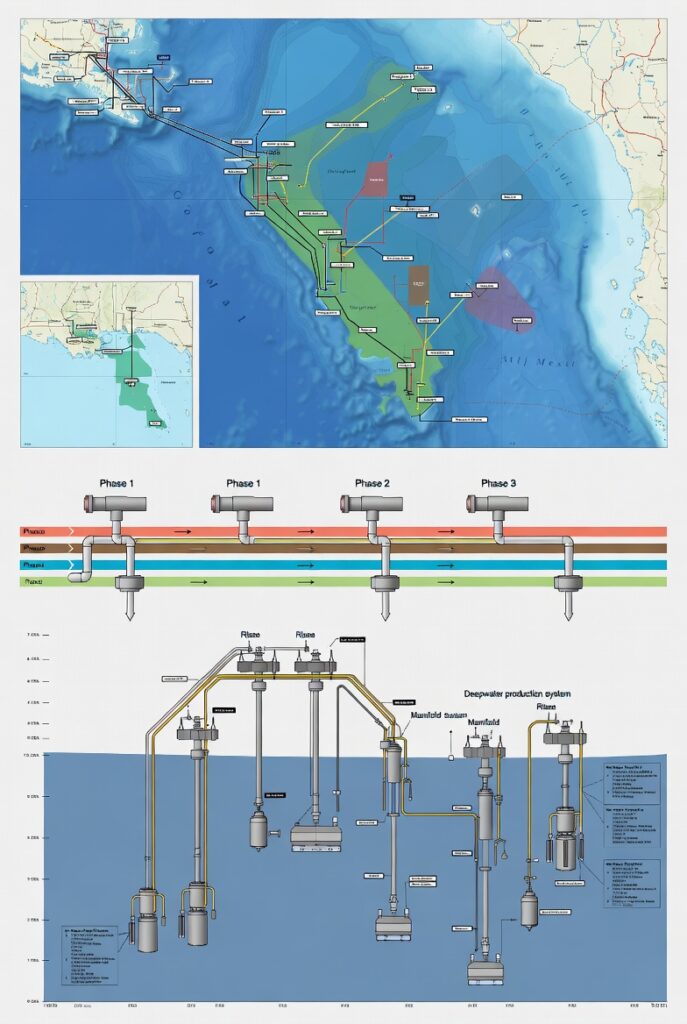
(Figure 2 & 3 are Maps of Key projects in the Gulf of Mexico (GOM)
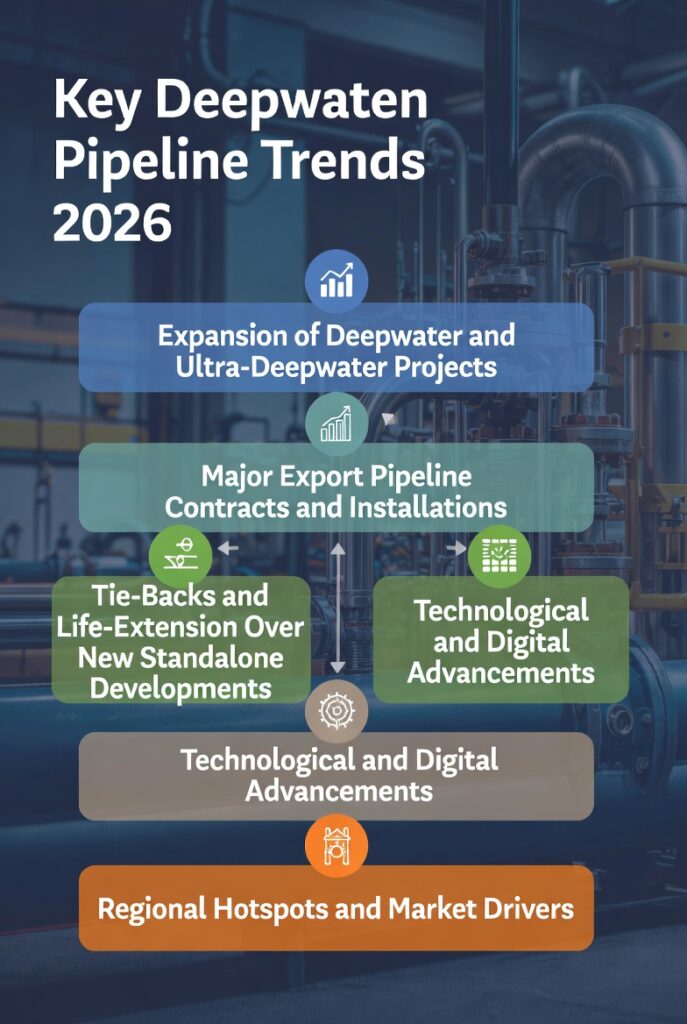
Key Deepwater Pipeline Trends in 2026
Expansion of Deepwater and Ultra-Deepwater Projects
As shallow-water opportunities dwindle, operators are prioritizing untapped reserves in deeper waters. This drives demand for longer, more robust export and tie-back pipelines. Key enablers include high-strength materials (e.g., corrosion-resistant alloys for HPHT conditions) and advanced laying techniques (J-lay, S-lay hybrids). North America (especially Gulf of Mexico) leads in activity, with deepwater as a growth hotspot.
- Major Export Pipeline Contracts and Installations
High-profile projects are ramping up:- Enbridge’s Gulf of Mexico deepwater expansion: Four export pipelines (>515 km total) from Keathley Canyon, including 321 km of 24–26-inch oil lines and 195 km of 12-inch gas lines. Awarded to Allseas (using the Solitaire vessel), targeting completion by 2028 to connect deepwater developments to hubs.
- Broader trends show 113 offshore pipelines commencing in 2026 (out of 385 total), with deepwater ones often longer and more complex than shallow counterparts. Average lengths are increasing for gas transport, though top 2026 pipelines lean toward shallow/gas.
- Tie-Backs and Life-Extension Over New Standalone Developments
Big standalone fields are declining; instead, marginal deepwater tie-backs to existing infrastructure dominate (e.g., high-temperature/high-pressure challenges with limited resources). This emphasizes cost-effective integrity management, lifetime extension, and repurposing for energy transition (e.g., CO₂/hydrogen compatibility). Conferences like Subsea Pipelines & Cables 2026 highlight this shift. - Technological and Digital Advancements
- AI/ML for predictive maintenance, anomaly detection, and real-time monitoring—critical in high-risk deepwater settings.
- Advanced installation vessels and methods (e.g., dynamically positioned pipelayers) to handle ultra-deep environments.
- Focus on corrosion-resistant materials, flexible pipelines (market growing for adaptability in dynamic deepwater FPSOs), and digital twins for integrity.
- Pipeline layer barge market booming (CAGR ~12.66% to 2033), fueled by deepwater exploration needs.
- Regional Hotspots and Market Drivers
- Gulf of Mexico (North America): Dominant with deepwater oil fields, LNG export ties, and production ramps. North America holds ~35% market share, driven by GoM activity.
- South America (e.g., Guyana, Brazil): Presalt tie-backs and frontier deepwater (e.g., ExxonMobil’s Uaru, Whiptail; TotalEnergies’ Kaminho).
- Asia-Pacific: Offshore ramps in Australia (Scarborough gas with 430 km pipeline), Malaysia, and India frontier drilling.
- Africa (e.g., Namibia Venus): Game-changing deepwater maturation, though challenged by prices.
- Global push for energy security amid transition, with deepwater pipelines bridging hydrocarbons to low-carbon uses (e.g., CO₂ transport).
Quick Comparison: Deepwater vs. Overall Offshore Trends in 2026
| Aspect | Deepwater/Ultra-Deepwater Focus | Broader Offshore Trends |
|---|---|---|
| Growth Driver | New reserves in >500m depths; tech enabling access | Energy demand, gas exports, renewables integration |
| Market Impact | Fastest-growing segment (e.g., 5.71%+ CAGR in some forecasts) | Overall CAGR 4.8–5.8%; $16.98B in 2026 |
| Pipeline Types | Export/tie-back lines; longer/complex (e.g., 500+ km systems) | Mix of shallow gas + deep oil/gas |
| Challenges | High costs, technical risks, price sensitivity | Supply chain, regulations, transition pressures |
| Innovations | AI monitoring, advanced materials, J-lay/S-lay | Flexible pipes, autonomous inspection |
Overall, 2026 positions deepwater pipelines as a resilient segmen less about massive new builds and more about strategic, high-value connections that maximize existing infrastructure while adapting to lower prices and transition goals.
Events like SPT Congress 2026 and Deepwater Development Conference will showcase these evolutions.
Comments and lets Start a discussing Deepwater projects.
Gig ’em!