By Oko Immanuel, M.Eng
Founder, Offshore Pipeline Insight
March 24, 2026
In the ever-evolving landscape of unconventional energy resources, few prospects capture the imagination quite like methane hydrates commonly known as “fire ice” or “flammable ice.” This crystalline substance, formed when methane gas molecules become trapped within a lattice of water molecules under high pressure and low temperatures on ocean floors, burns fiercely when ignited while the surrounding “ice” melts away. It’s a surreal phenomenon that could represent the next major leap in global energy supply, often dubbed “Shale 2.0” due to its vast scale and potential to reshape natural gas markets much like the shale revolution did over the past two decades.
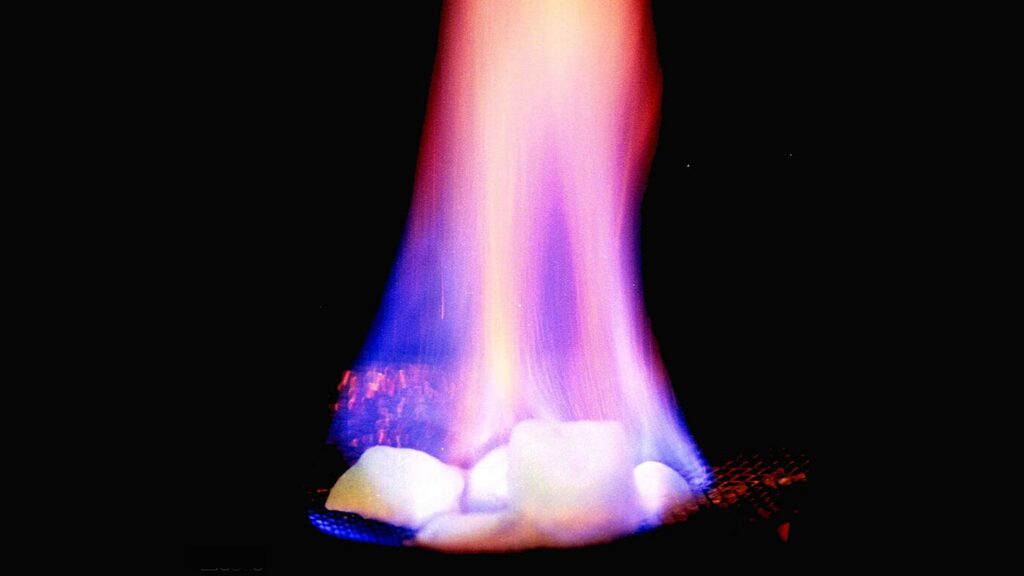
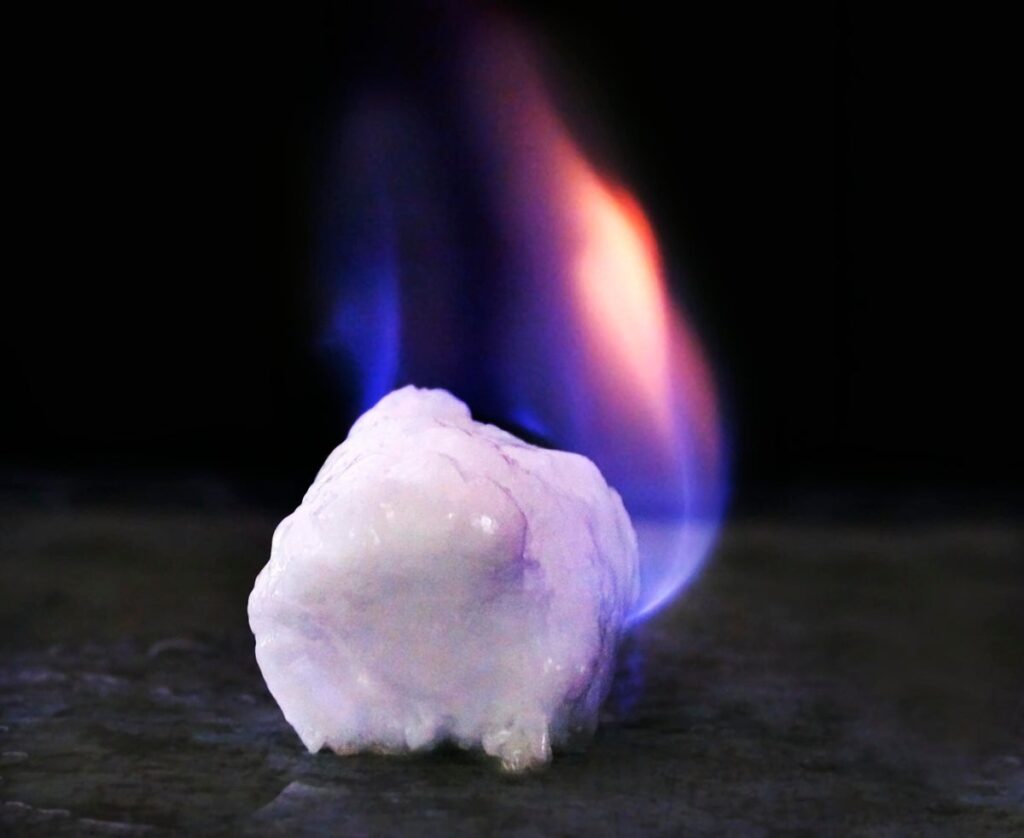
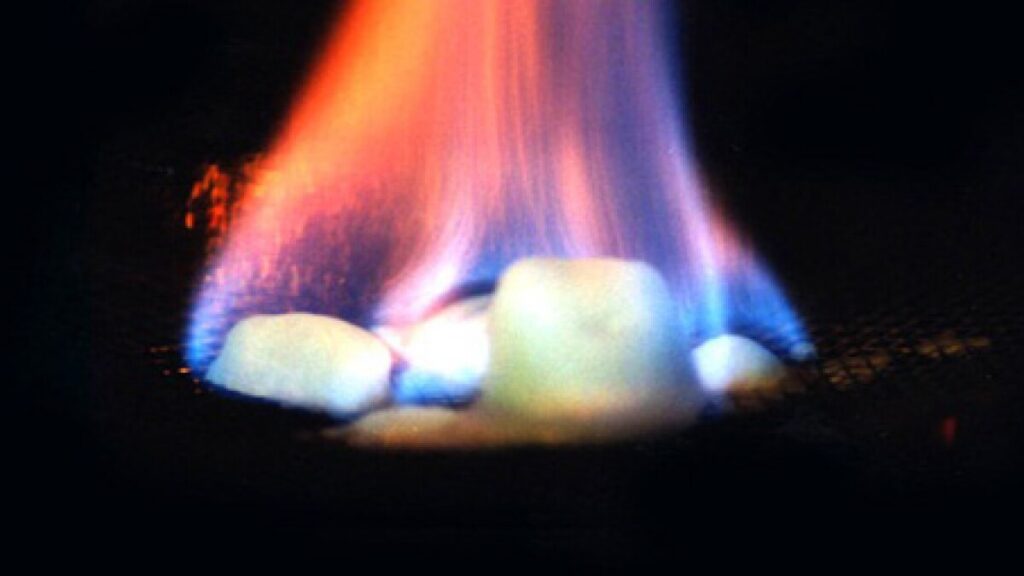
These images illustrate the captivating “fire on ice” effect: a chunk of methane hydrate ignites, releasing methane gas in a sustained flame while the water lattice melts. The visual alone highlights why this resource has drawn intense interest from energy researchers and governments alike.
The Massive Potential: Why “Shale 2.0”?
Methane hydrates occur abundantly in deep ocean sediments and permafrost regions worldwide. Global estimates suggest reserves could exceed all known conventional fossil fuels combined, with 1 cubic meter of hydrate potentially releasing 160–170 cubic meters of methane gas. In marine settings, particularly the South China Sea, deposits are especially promising.
Recent assessments place prospective resources in the South China Sea at around 74.4 trillion cubic meters (with ranges from 37.6 to 117.7 trillion cubic meters under different probability scenarios), equivalent to tens of billions of tons of oil equivalent. Resource density in key areas rivals that of well-studied basins like Japan’s Nankai Trough or the Gulf of Mexico. Emerging research even accounts for Structure II hydrates containing heavier hydrocarbons (ethane, propane), potentially boosting estimates by 13–22% over pure methane models.
Geopolitically, the South China Sea stands out as a hotspot. Vast reserves here potentially equivalent to half of China’s known oil and gas fuel aggressive exploration efforts amid regional tensions. Recent findings, including potential deposits spanning ~15,400 sq km in the Manila Trench (comparable to Palawan’s size), underscore the strategic stakes. Industry observers in 2026 have explicitly positioned methane hydrates as the “Shale 2.0, Ice Edition,” driven by surging natural gas demand from AI data centers, energy security needs, and the push for unconventional sources.
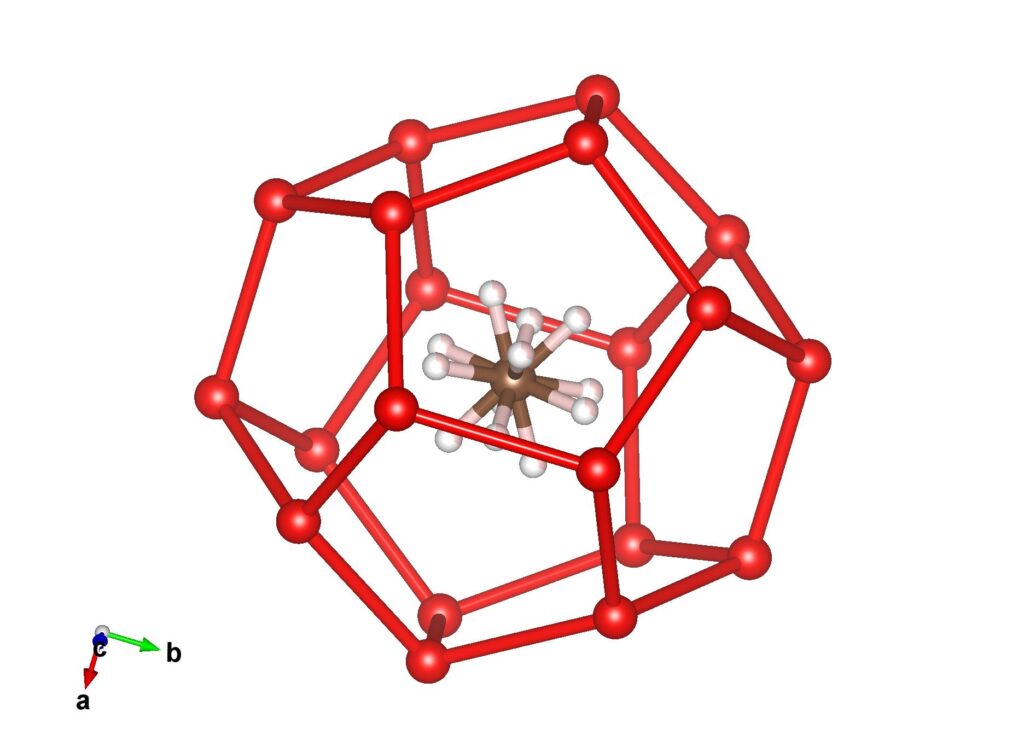
This molecular model depicts the classic Structure I hydrate cage: water molecules (red spheres) form a lattice that traps methane (brown/gray). It’s the foundational science behind the resource’s stability and energy density.
Progress and Breakthroughs: Leading the Charge
China has emerged as the global leader in offshore methane hydrate extraction, particularly in the South China Sea’s Shenhu area. Key milestones include:
- Successful pilot extractions dating back to 2017 (~16,000 m³/day in early trials) and extended tests in 2020 (totaling over 861,400 m³).
- Ongoing R&D into depressurization, thermal stimulation, and multilateral well techniques to boost sustained production rates.
- Advanced modeling of thermo-hydro-chemo-mechanical responses from trial data, plus studies on interconnected natural gas reservoirs and hydrate systems to minimize leakage risks.
While no full commercial production exists yet—daily rates remain well below the ~500,000 m³/day threshold for economic viability—China targets commercialization around 2030. Supporting infrastructure includes new deep-sea research facilities (e.g., 2,000-meter stations for studying cold seeps and hydrate behavior) and enhanced drilling technologies.
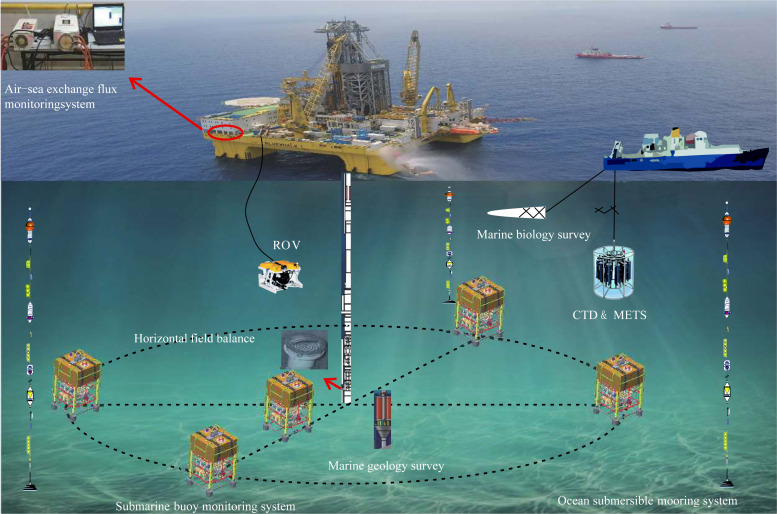
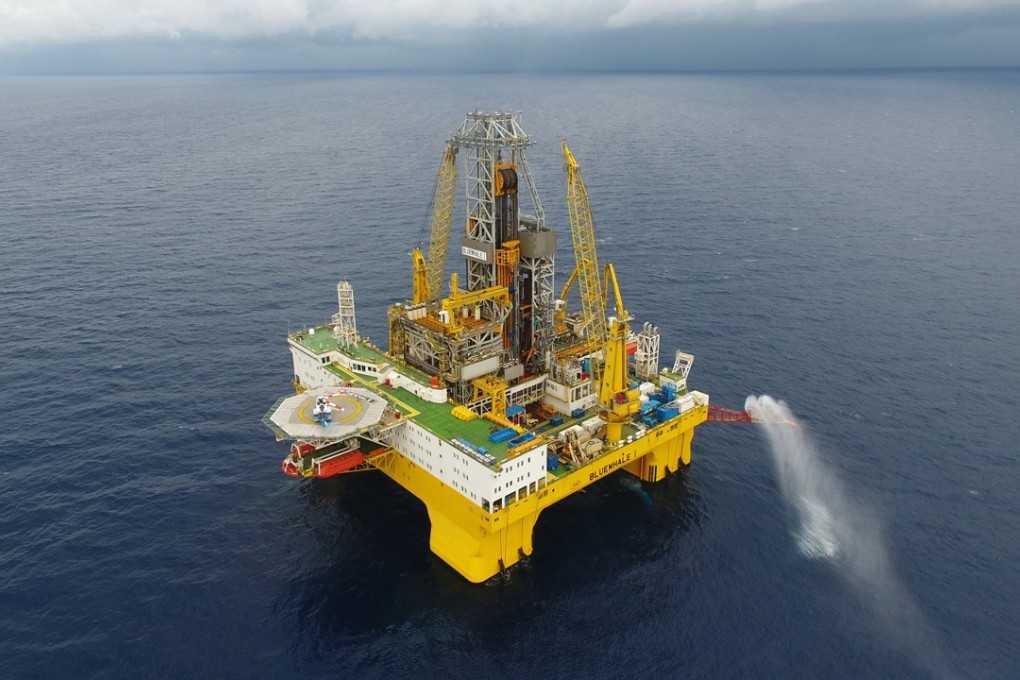
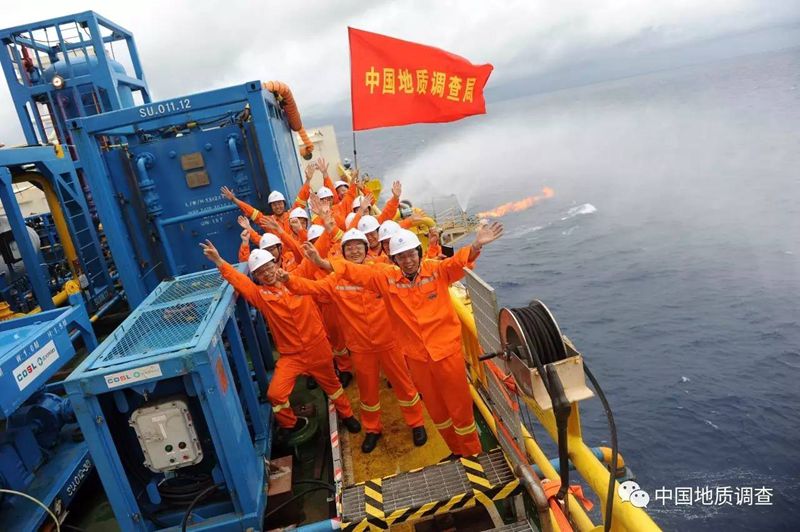
These offshore operations showcase the complex setups: drilling platforms, monitoring systems, ROVs, and mooring arrays used in South China Sea trials. Teams celebrate breakthroughs amid challenging deepwater environments.
Challenges: Technical, Environmental, and Economic Hurdles.
Despite the hype, significant barriers persist:
- Technical: Depressurization or heating causes rapid dissociation, but production rates decline quickly due to sand production, well clogging, and limited pressure propagation (often ~300 m in models).
- Environmental: Uncontrolled methane release—a potent greenhouse gas—risks amplifying climate change. Seabed instability could trigger landslides or tsunamis, and marine ecosystems face disruption.
- Economic: High upfront costs for subsea infrastructure, regulatory complexities in disputed waters, and the need for sustained high yields make commercialization decades away.
Implications for Offshore Pipelines and Subsea Infrastructure
For the offshore pipeline sector, methane hydrates represent both opportunity and complexity. Future commercial extraction will demand advanced subsea tiebacks, flow assurance to prevent hydrate reformation in pipelines, and robust leak detection systems. In high-interest zones like the South China Sea, infrastructure development could drive demand for HPHT pipelines, compression tech, and hydrogen diversification tie-ins—aligning with broader 2026 trends.
As energy demand evolves with AI and renewables, “fire ice” could become a pivotal unconventional resource. While not an immediate rival to shale, its scale and strategic importance make it a frontier worth watching closely.
Stay tuned to Offshore Pipeline Insight for more on emerging subsea technologies and unconventional energy frontiers.
Oko Immanuel, M.Eng
Founder & Lead Analyst
Offshore Pipeline Insight