Hey everyone, Oko Immanuel here from Offshore Pipeline Insight, diving back into the blogosphere on this fine March 06, 2026. After cranking out that last piece on market surges, I’m pumped to tackle these five hot topics that are reshaping our industry. We’re talking cutting-edge frontiers, tech breakthroughs, policy showdowns, digital revolutions, and LNG booms all with the good stuff: fresh insights, optimistic vibes, and visuals to bring it home. Let’s explore how offshore energy is evolving faster than ever, blending hydrocarbons with renewables for a dynamic future. Buckle up!
1. Offshore as the “New Oil” Frontier
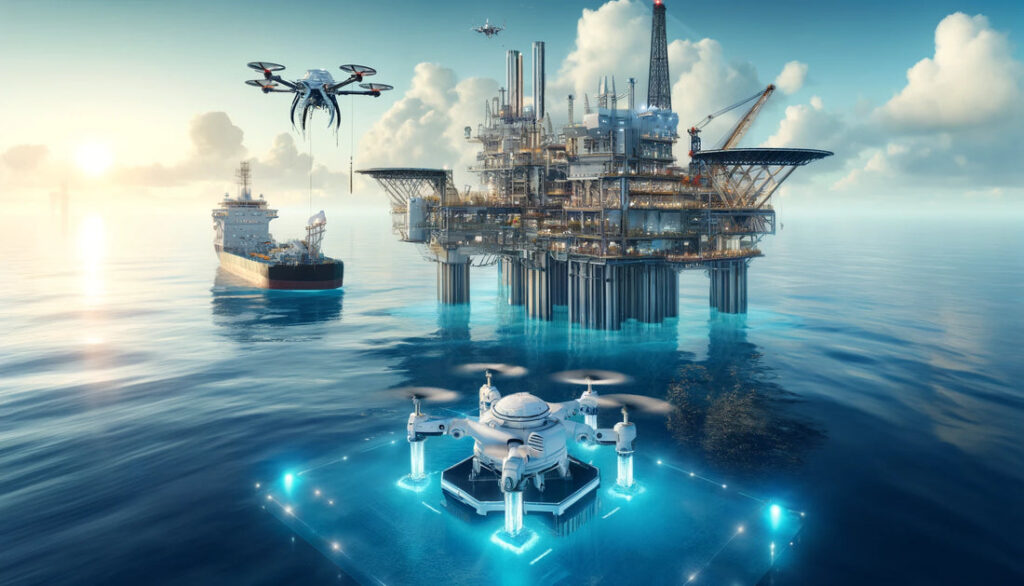
Offshore exploration is roaring back as the ultimate “new oil” playground in 2026, with high-impact drilling hitting around 65 wells globally on par with last year but packed with play-opening potential in frontier basins like Africa’s ultra-deepwater and South America’s emerging hotspots. Regions like Namibia are exploding as the “next Guyana,” with massive discoveries by majors like TotalEnergies and Shell fueling long-term demand for ultra-deepwater rigs. In Asia-Pacific, frontier drilling in deepwater plays is ramping up alongside flagship gas projects, boosting LNG feedgas and energy security into the 2030s. The good stuff? This isn’t just drilling it’s unlocking billions of barrels in remote fields, with FPSOs leading the charge for efficient, sustainable production in places like Brazil and West Africa. Expect Africa to dominate with 19 high-impact wells, testing basins like Egypt’s Herodotus and Angola’s Namibe. It’s an exciting time offshore is proving resilient, blending tech with geology for massive wins
2. Deepwater Breakthroughs:
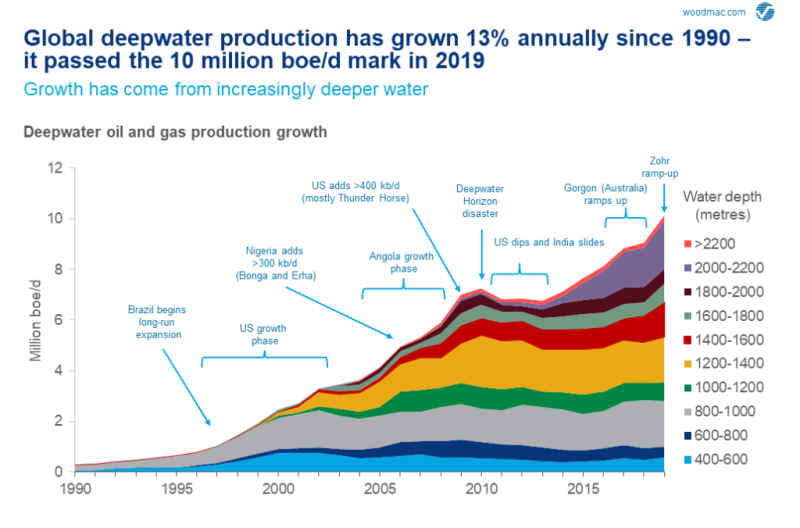
Efficiency and Cost-Effectiveness on the RiseDeepwater extraction is hitting new highs in 2026, with breakthroughs in tech slashing costs and boosting efficiency think AI, automation, and advanced materials turning ultra-deep projects profitable even at $60-70 oil. Innovations like digital twins for real-time monitoring, nano-enhanced drilling fluids cutting time by up to 30%, and Ocean Bottom Node seismic with AI compressing decision cycles from months to weeks are game-changers. In the Gulf of Mexico, projects like Chevron’s Ballymore showcase how tying into existing infrastructure drops costs to $1.6B while accessing 800M+ barrels. Global production has grown 13% annually since 1990, now surpassing 10M boe/d from deeper waters, with AI optimizing yields by 10-15% and reducing breakevens by 30-40%. The good stuff here is the safety boost robotics minimize human risk, making deepwater not just viable but smarter and greener.
3. Offshore Wind vs. Oil & Gas:
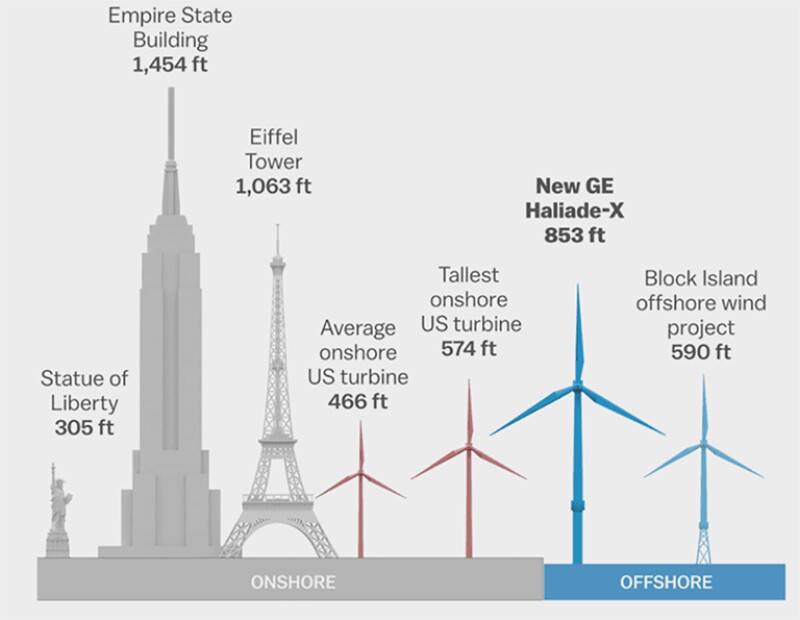
Policy Shifts in 2026The tug-of-war between offshore wind and oil/gas is intensifying amid 2026 policy shifts, with the Trump admin’s “Drill, Baby, Drill” push rolling back wind incentives via the One Big Beautiful Bill Act, slashing the US pipeline from 55.9GW to 25.4GW. Yet, wind’s fighting back mitigation has green lit projects in Virginia, Rhode Island, and New York despite blocks, and Europe’s Hamburg Declaration reaffirms 300GW by 2030 with multi-country grids. Oil/gas gains from expanded leasing (36 sales mandated, including Gulf and Alaska), but wind’s cost drops and rising power demand could sway policy PTC deadlines loom, yet tariffs hit solar more. The good stuff? This rivalry spurs innovation offshore tech transfers between sectors, like AI from oil to wind, could hybridize energy for resilience.
4. Subsea Technology & Digitalization: The Smart Underwater Revolution
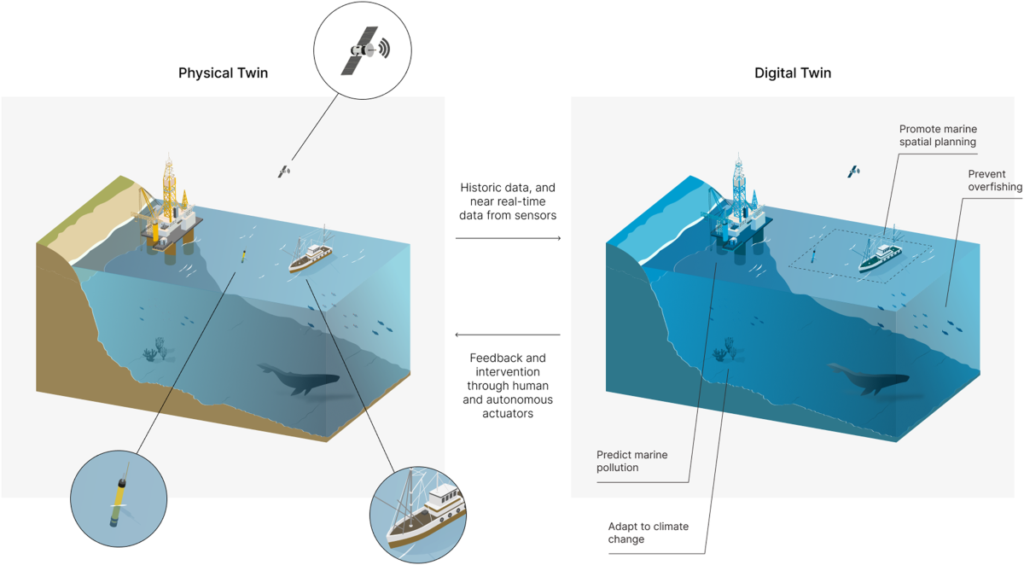
Subsea tech is going fully digital in 2026, with AI, digital twins, and automation transforming operations think real-time monitoring via cloud-based seabed info and predictive maintenance slashing lead times from weeks to hours. Events like Subsea Expo (Feb 4-5) spotlight “The Next Wave,” featuring innovations in underwater robotics and IoT for ocean sustainability. Digital@Sea conferences highlight eNavigation and fiber sensing for outage reduction, while Subsea Tieback Forum covers digitalization in tiebacks and lifecycle management. The good stuff is the efficiency AI shoulders admin, freeing humans for high-value decisions, boosting safety and cutting costs in everything from aquaculture to offshore grids.
5. Natural Gas and LNG Expansion: Offshore Boom Ahead
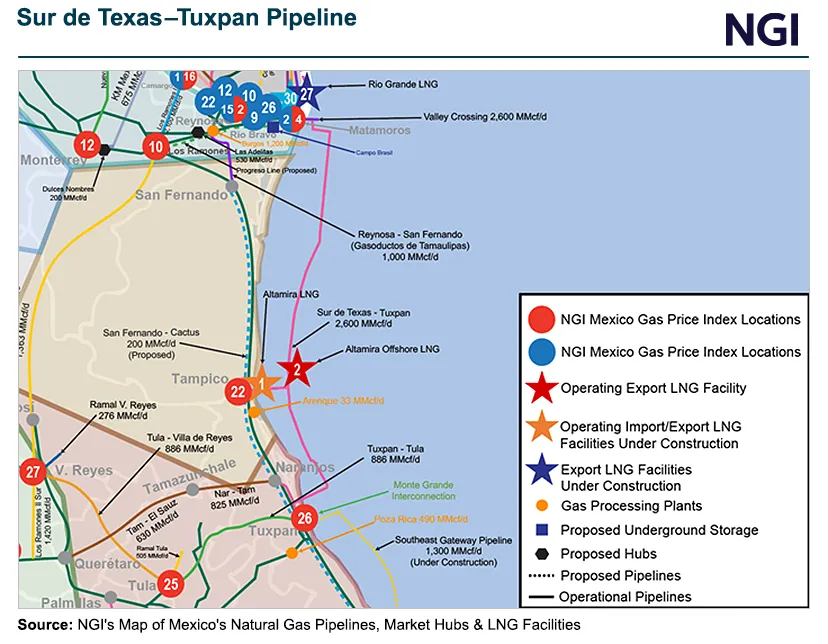
Natural gas and LNG are exploding offshore in 2026, with global supply jumping 7% (40 bcm) to 460-484M tons, driven by US, Qatar, and Canada demand surges 2%, led by Asia’s China and India. North America’s capacity doubles to 28.7 Bcf/d by 2029, with projects like Golden Pass, Plaquemines Phase 2, and LNG Canada ramping up exports. FLNG growth shifts to developing markets for coal replacement, while Mexico’s onshore builds like Corpus Christi expansion make it the second-largest US scheme at 4.45 Bcf/d. The good stuff? Lower prices spur fuel switching, enhancing resilience think integrated solutions like Hanwha’s offshore production and TES’s Wilhelm shaven hub blending LNG with CO2 capture.
There you have it 2026 is shaping up to be a blockbuster year for offshore energy, full of frontiers, tech magic, and smart expansions. The blend of oil/gas muscle with wind/digital innovation is the real win, promising efficiency, sustainability, and growth.
What’s your take on these trends? Hit the comments let’s chat!
Stay tuned for more.
Oko Immanuel
Founder, Offshore Pipeline Insight
Texas A&M Alumnus
March 06, 2026