By Oko
Founder, Offshore Pipeline Insight
March 13, 2026
The offshore oil and gas sector in 2026 is navigating a dual reality: unprecedented opportunities in deepwater exploration and production, juxtaposed against tightening capacity constraints in drilling rigs and support vessels. As global energy demand surges driven by emerging markets and LNG exports operators face rig utilization rates exceeding 90% in ultra-deepwater segments, leading to day rate escalations and project delays. Simultaneously, agentic AI autonomous, goal-oriented systems capable of sensing, reasoning, planning, and acting is emerging as a strategic lever for operational efficiency, enabling real-time optimizations that mitigate these strains. This blog explores how agentic AI is transforming offshore operations while addressing the growing bottlenecks in deepwater infrastructure.
Agentic AI: The Next Frontier in Offshore Efficiency : Agentic AI represents an evolution beyond traditional AI, shifting from passive analytics to proactive, autonomous agents that execute complex workflows with minimal human oversight. In offshore oil and gas, these systems integrate generative AI with domain-specific models to handle tasks across the value chain, from exploration to production.
Key applications in 2026 include:
- Integrated Planning and Scheduling: Agentic AI optimizes rig deployment and vessel routing by analyzing real-time data from sensors, weather forecasts, and supply chains. For instance, multi-agent systems orchestrate drilling sequences, reducing non-productive time (NPT) by up to 20% through predictive scenario modeling.
- Autonomous Drilling and Maintenance: Downhole agents process telemetry data using hybrid physics-AI models to adjust parameters like weight-on-bit or mud flow autonomously, enhancing safety in high-pressure, high-temperature (HPHT) environments. Robotics fleets on platforms conduct inspections, cutting downtime by 15-30%.
- Seismic Data Processing and Reservoir Management: Agents automate workflows in seismic interpretation, using generative AI to simulate reservoir scenarios and optimize extraction rates. This is particularly vital in deepwater, where data volumes exceed petabytes.
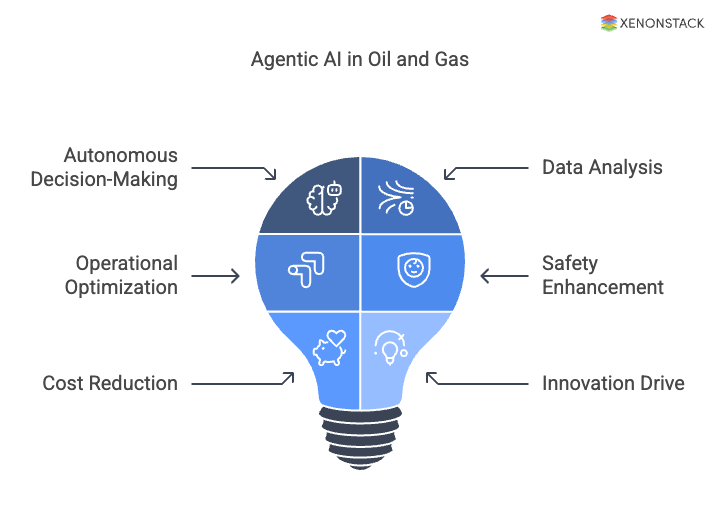
Here’s a conceptual diagram illustrating agentic AI’s role in oil and gas operations:
Another view of AI use cases across the industry:
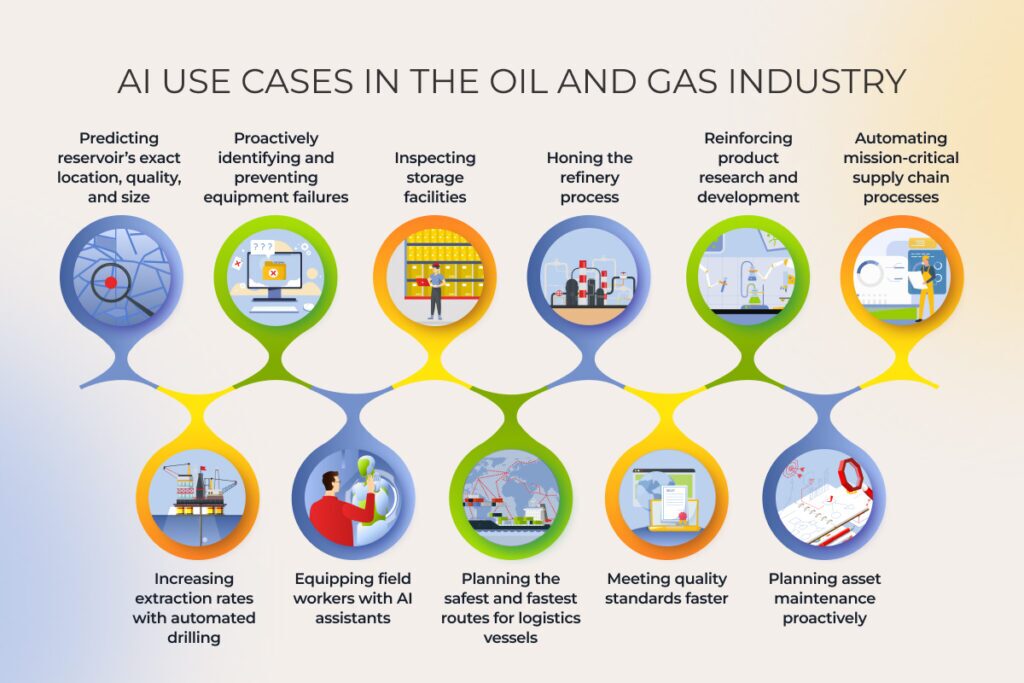
The impact is tangible: At events like the 2026 AI in Oil & Gas Conference, operators report yield efficiencies and runtime reductions of 10-25% via agentic systems. Challenges remain, including data silos and trust in autonomous decisions, but frameworks like agent pipelines composable sequences of specialized AI agents are addressing these for production-scale deployment.
Deepwater Capacity Strains: Drilling Rigs and Vessels Under Pressure
Deepwater operations (>400m depths) are booming, with ultra-deepwater (>1,500m) projected to drive 40% of global offshore rig demand by late 2026. However, capacity strains are intensifying:
- Drilling Rigs: Marketed drillship utilization stands at 91-94% through 2026, with seventh-generation units commanding day rates over $400,000. Global offshore rig market size hits USD 39.26 billion in 2026, growing at 3.16% CAGR, but supply lags demand in regions like Namibia, Brazil, and the Gulf of Mexico. Aging fleets and deferred maintenance from 2025 slowdowns exacerbate shortages, pushing FIDs into 2027.
- Support Vessels: Offshore support vessels (OSVs) face similar bottlenecks, with AHTS and PSV segments strained by FPSO fabrications and subsea tiebacks. Capacity constraints build through 2026, intensifying in 2027 as LNG-linked projects ramp up.
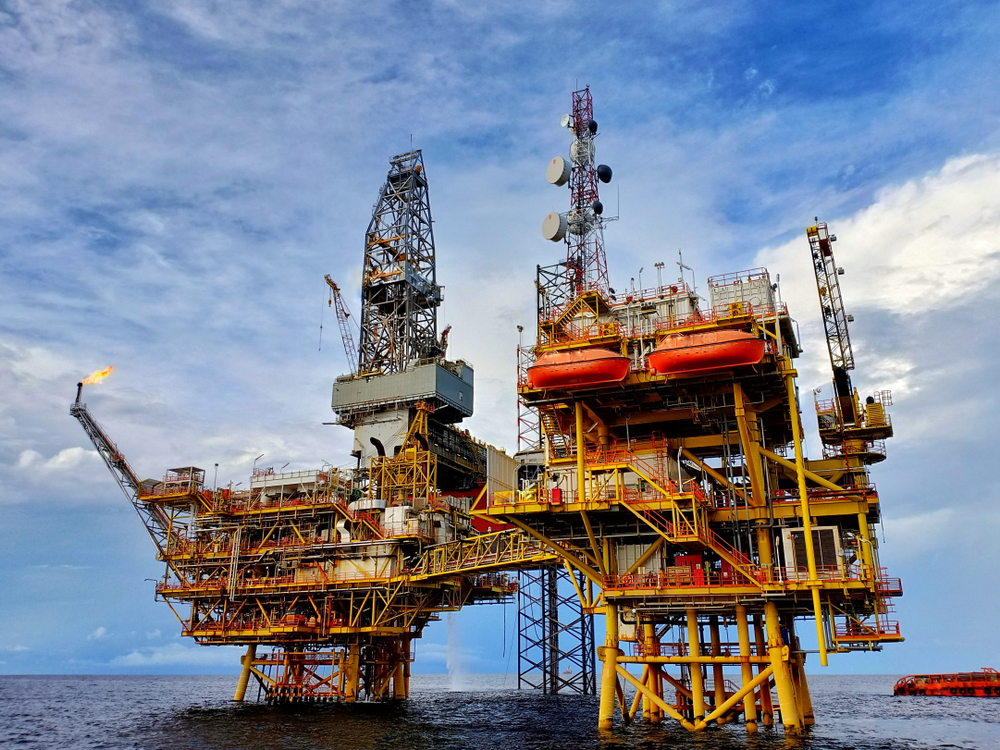
This photo captures a typical deepwater drilling rig in operation.
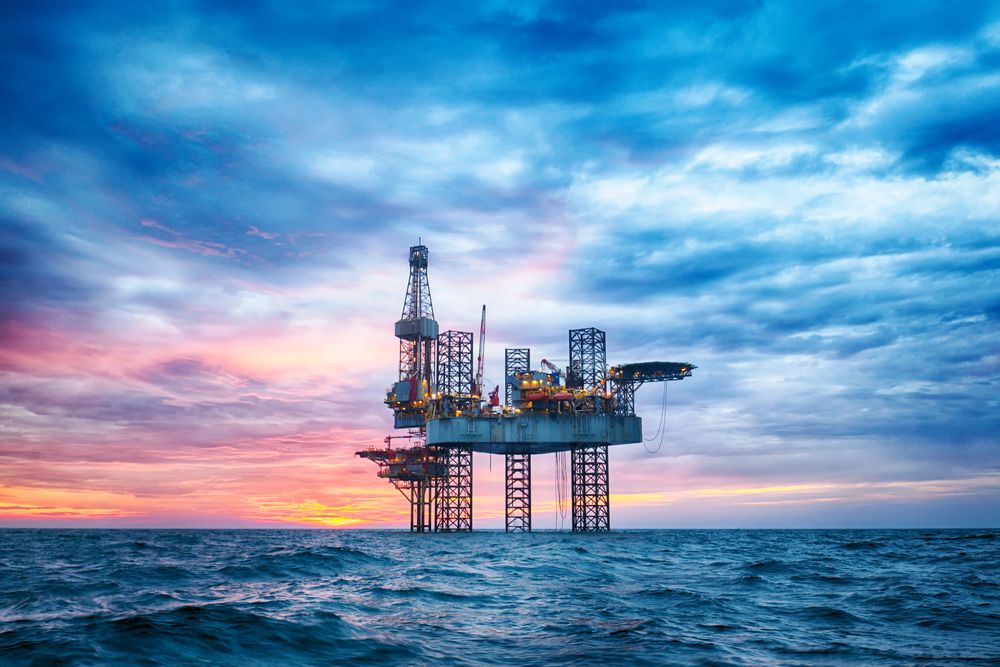
Another example of offshore rig infrastructure:
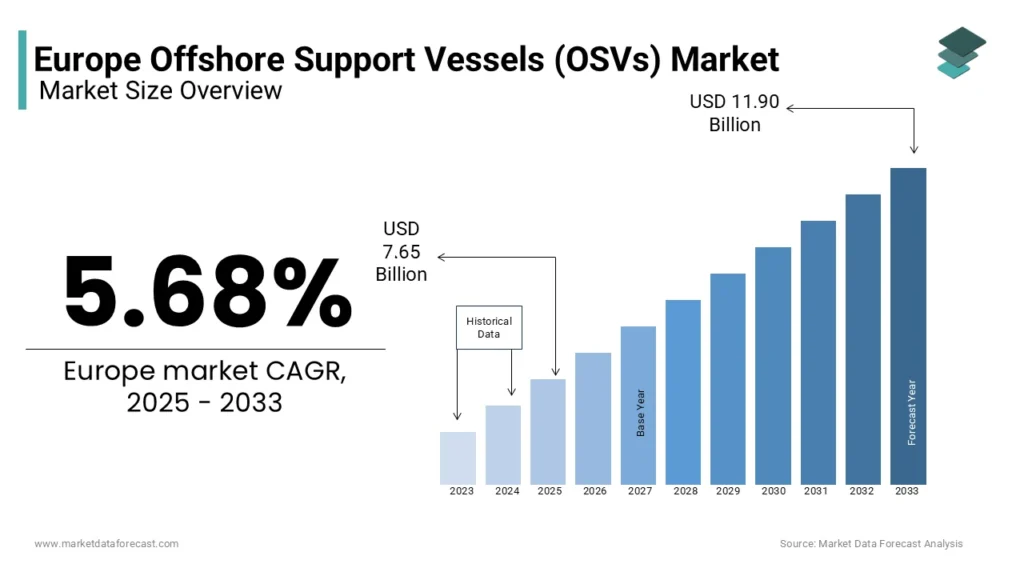
Market forecasts show the drilling rig sector expanding from USD 86.92 billion in 2025 to USD 140.75 billion by 2033 at 6.21% CAGR, but near-term strains in deepwater could delay projects by 6-12 months. U.S. rig counts hover at 540-550, down 7% year-over-year, reflecting disciplined spending. Here’s a chart depicting OSV market growth, highlighting capacity trends:
Bridging the Gap: Agentic AI as a Mitigator for Capacity StrainsAgentic AI offers a lifeline amid these constraints. By enabling “agentic oil fields”—where AI systems autonomously manage workflows—operators can extend asset life and optimize limited rig/vessel availability. For example:
- AI-driven predictive maintenance anticipates vessel failures, reducing downtime by 25%.
- Multi-agent orchestration reroutes OSVs in real-time, alleviating bottlenecks in high-demand basins.
- In drilling, autonomous agents simulate tieback options, minimizing rig moves and freeing capacity for new wells.
Competitions like the 2026 Agentic AI Challenge underscore this shift, focusing on upstream applications that enhance resilience. Looking Ahead: A Balanced Offshore Future
As offshore oil and gas evolves in 2026, agentic AI’s strategic efficiency will be pivotal in countering deepwater capacity strains. With rig markets tightening and vessels stretched, adopting autonomous systems isn’t optional—it’s essential for cost control, safety, and sustainability.
For pipeline and offshore pros: How is agentic AI reshaping your operations amid these constraints?
Share in the comments! 