By Oko Immanuel, MSc in Subsea Engineering (Texas A&M University)
Published: February 19, 2026
Today, global oil markets are on edge as Brent crude settled around $71.66–$71.92 per barrel (up ~1.9–2.2%), and WTI at $66.43 (up ~1.9%). This marks the highest levels since late July/early August 2025—a six- to seven-month high—following a sharp 4%+ surge yesterday. The driver? Escalating geopolitical tensions between the United States and Iran, with reports of U.S. military buildup (including carrier strike groups and fighter jets near the Persian Gulf), stalled nuclear talks, and fears of potential strikes or disruptions.
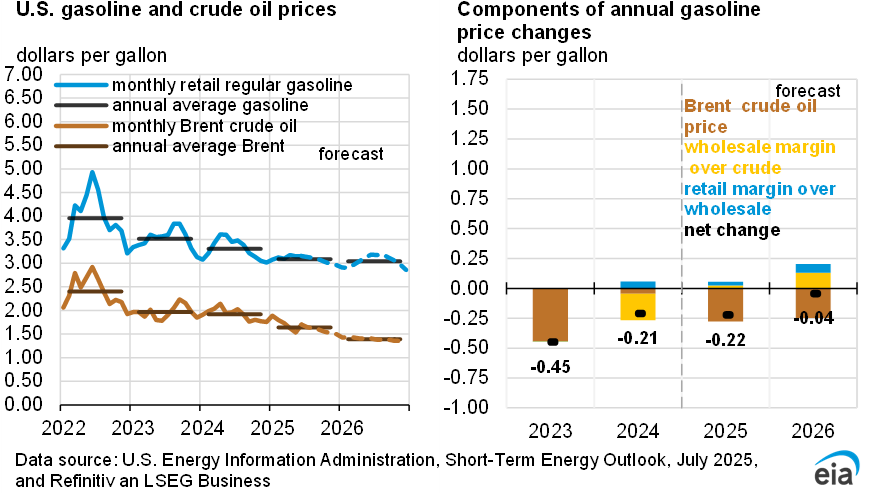
(Above: Recent Brent crude oil price trend chart showing the sharp upward spike amid geopolitical pressures in early 2026.)
The focal point is the Strait of Hormuz, the narrow chokepoint handling 20–31% of global seaborne oil trade (roughly 13–21 million barrels per day). Any threat—mines, missiles, fast boats, or even temporary closures—could send prices soaring toward $90–$100+ per barrel, per analyst scenarios from Goldman Sachs, CSIS, and others. Iran, OPEC’s fourth-largest producer (3.3 million bpd), sits at the heart of this risk.
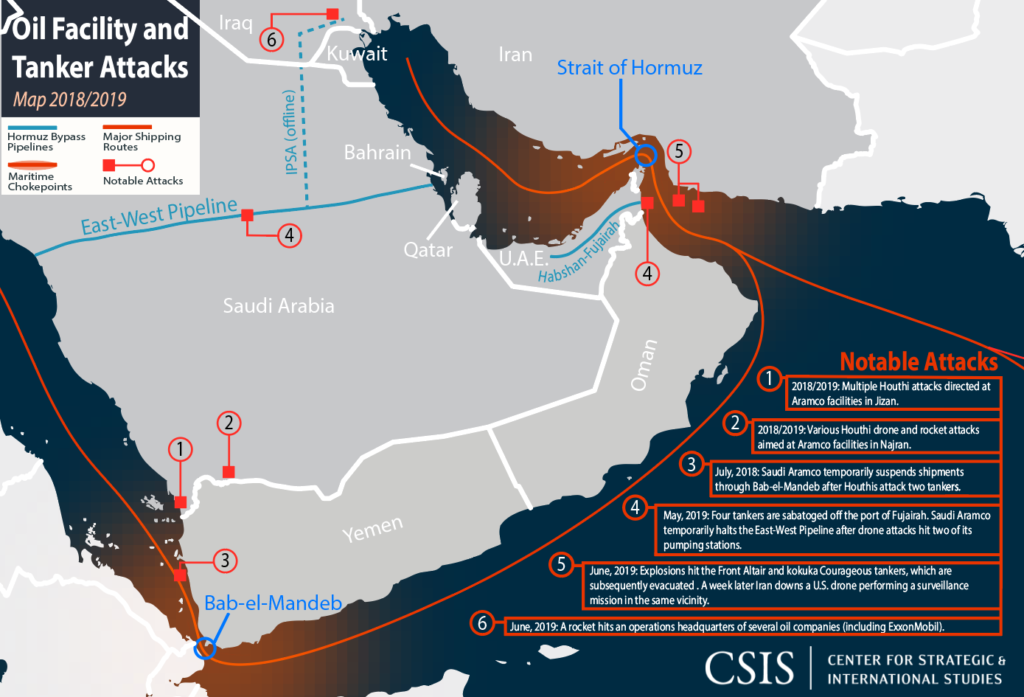
(Above: Strategic map highlighting the Strait of Hormuz, key tanker routes, and surrounding oil facilities in the Persian Gulf—vulnerable to disruption.)Price Impact on HPHT EconomicsHigher oil prices provide a short-term boost to High-Pressure High-Temperature (HPHT) project economics. Many deepwater HPHT developments (e.g., in the Gulf of Mexico, North Sea, or emerging West African/Guyana tiebacks) operate on tight margins due to extreme engineering challenges: thick-walled steels, corrosion-resistant alloys (CRAs), advanced insulation, and high-cost installation (J-lay/reel-lay vessels).
- Breakeven relief: At $70+, more HPHT prospects become economically viable, potentially accelerating FID (Final Investment Decision) on delayed projects. Operators gain breathing room for CAPEX-heavy items like induction-heated field joints or digital twins for integrity monitoring.
- Inflationary pressure: However, sustained spikes increase costs across the board—steel, CRA materials, vessel day rates, and insurance premiums rise with geopolitical risk. Supply chain delays (already an issue in 2026) worsen if tanker routes face threats.
For offshore engineers, this means renewed focus on cost-efficient designs: probabilistic buckling models, engineered sleepers for controlled thermal expansion, and hybrid heating solutions to maintain flow assurance without excessive energy input.
Supply Chain Risks for Offshore Projects
The real long-term concern is supply chain disruption beyond prices:
- Strait of Hormuz blockage (even partial/temporary) could spike freight/insurance rates and delay critical components (e.g., CRA pipes, subsea hardware from Middle East suppliers or rerouted Asian manufacturing).
- Global rerouting: Tankers avoiding the region add weeks to transit times, straining just-in-time delivery for pipelay campaigns or HPHT tie-ins.
- Regional exposure: Projects near volatile areas (e.g., Persian Gulf tiebacks or Red Sea routes) face heightened HSE risks, including potential cyber/physical threats to subsea infrastructure.
Mitigation strategies include:
- Diversifying suppliers (e.g., more North American/European sourcing).
- Building buffer stocks of key materials.
- Enhancing real-time monitoring (digital twins, strain gauges) for rapid response to integrity threats.
As tensions simmer, the market is pricing in a geopolitical risk premium—but fundamentals (U.S. inventory draws, OPEC+ output plans) remain supportive. For offshore pipeline engineers and operators, this spike is a reminder: volatility underscores the need for resilient HPHT designs that withstand not just pressure and temperature, but geopolitical shocks.
What are your thoughts on how Middle East risks could affect your offshore projects?
Share in the comments below—let’s discuss practical ways to build more robust subsea systems.
Share this on LinkedIn or X for fellow energy pros. Subscribe for weekly HPHT insights, flow assurance tips, and integrity management checklists.