By Oko Immanuel
Petroleum/Subsea Engineer | Founder, Offshore Pipeline Insight | Texas A&M Alumnus
March 10, 2026
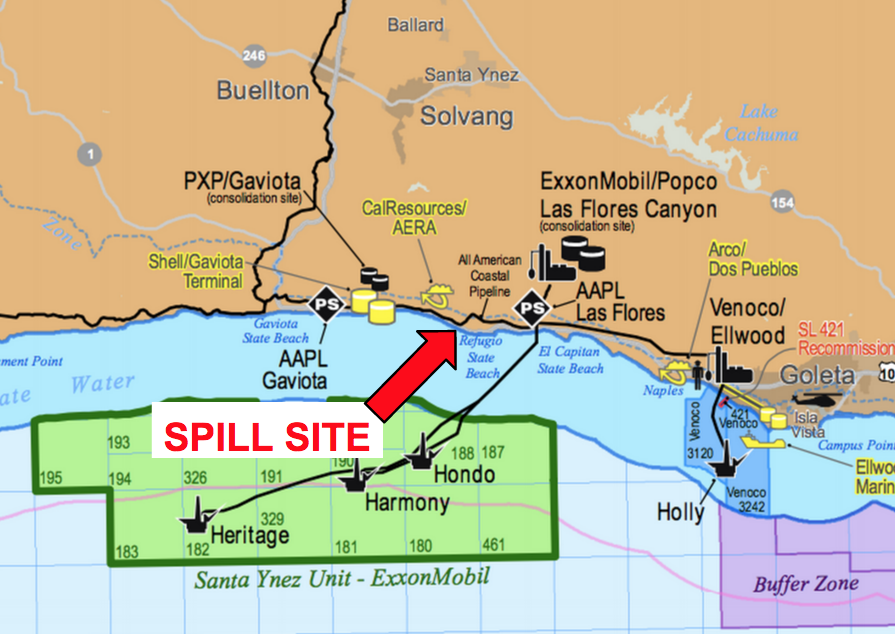
The Pipeline and Hazardous Materials Safety Administration (PHMSA) The U.S. DOT agency regulating interstate hazardous liquid pipelines has taken a central role in Sable Offshore Corp.’s efforts to restart the Santa Ynez Pipeline System (SYPS), particularly the onshore segments CA-324 and CA-325 (formerly Lines 901/903). These lines transport crude from offshore SYU platforms (Harmony, Hondo, Heritage in federal waters) through Las Flores Canyon processing to terminals in Kern County.
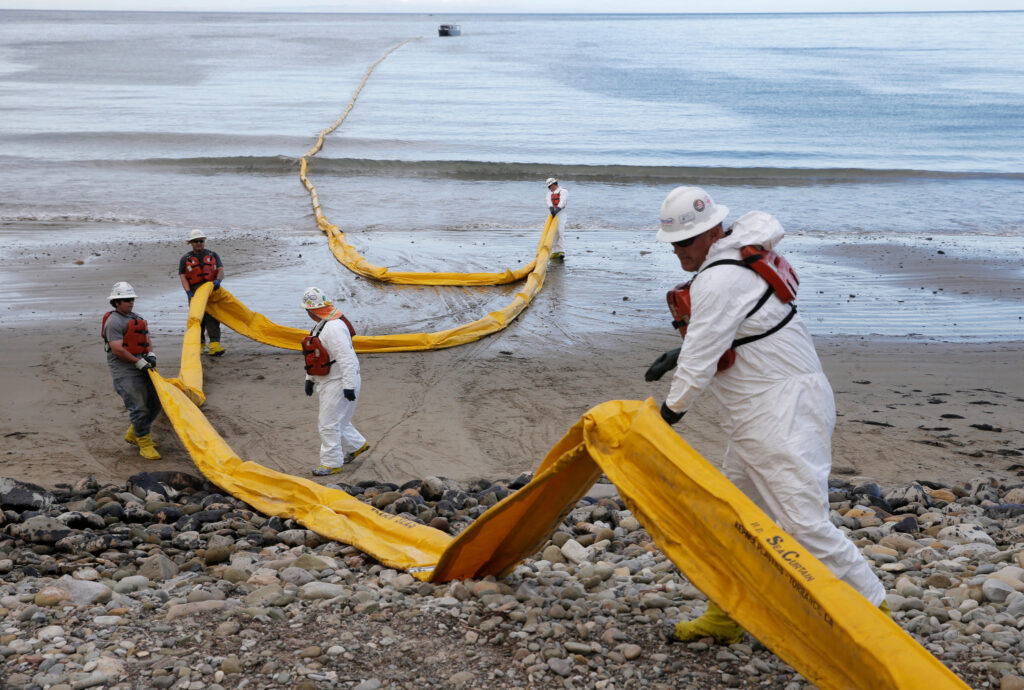
After the 2015 Refugio spill (~140,000 gallons from corrosion on CA-324), the system fell under a federal consent decree requiring repairs, integrity testing, and waivers for restart. Sable acquired it in 2024–2025 and pushed for federal preemption amid state blocks (e.g., Santa Barbara County injunctions, OSFM requirements).
Key PHMSA Actions (2025–2026)
- December 17, 2025: PHMSA confirms Sable’s determination that CA-324/CA-325 are interstate facilities under the Pipeline Safety Act (PSA). This shifts exclusive oversight from California OSFM to PHMSA (per 49 USC § 60105/60118). PHMSA deems the lines “active,” enabling federal authority over restart plans.
- December 23, 2025: PHMSA issues an emergency special permit (Docket PHMSA-2025-1502) waiving 49 CFR 195.452(h)(4)(iii)(H)—the 180-day remediation requirement for discovered longitudinal seam weld corrosion.
- Rationale: Aligns with Consent Decree terms (waivers as alternative to full replacement), enhanced integrity practices (e.g., cathodic protection limits addressed), and operational conditions.
- Tied to “national energy emergency” push under Trump admin.
- Includes environmental assessment (EA) evaluating safety/environmental risks concludes no significant impact with conditions.
- January 22, 2026: Sable applies for a non-emergency special permit (Docket PHMSA-2026-0464) for the same waiver seeking permanent relief to implement Consent Decree without full remediation timelines.
- February 24, 2026: PHMSA publishes notice in Federal Register soliciting 30-day public comments on the request, proposed conditions, and draft EA. PHMSA preliminarily finds the permit “not inconsistent with pipeline safety” if conditions met (e.g., ongoing integrity management, monitoring). Comments due ~March 26, 2026.
Engineering & Integrity Context
PHMSA’s waivers focus on corrosion risks in legacy lines (limited cathodic protection effectiveness post-2015). Conditions require:
- Enhanced integrity management (ILI runs, cathodic protection monitoring, pressure testing).
- No full 180-day fix mandate for certain anomalies if equivalent safety via alternatives. This reflects PHMSA’s balanced approach: Allow restart for energy needs while mandating risk mitigation in a seismically/coastal vulnerable area.
Broader Implications for 2026
- Federal vs. State Clash: PHMSA’s interstate classification and emergency permit preempt state hurdles (e.g., OSFM waivers, court injunctions). DOJ opinion supports potential DPA invocation for full restart.
- No Immediate Full Restart: Injunctions hold onshore flow; oil stored at Las Flores. PHMSA oversight enables progress but requires comment period resolution.
- Pipeline Lessons: Highlights waivers/special permits for aging infrastructure—integrity programs (corrosion, fatigue) remain critical. Ties into our themes: repurposing legacy assets, regulatory navigation in transition eras.
Public comments are open engineers in the field:
Thoughts on PHMSA’s emergency waivers for legacy corrosion issues? Drop below or email oko@offshorepipelineinsight.com.
Subscribe for weekly insights!
Oko