By Oko Immanuel
Petroleum/Subsea Engineer | Founder, Offshore Pipeline Insight | Texas A&M Alumnus
March 10, 2026
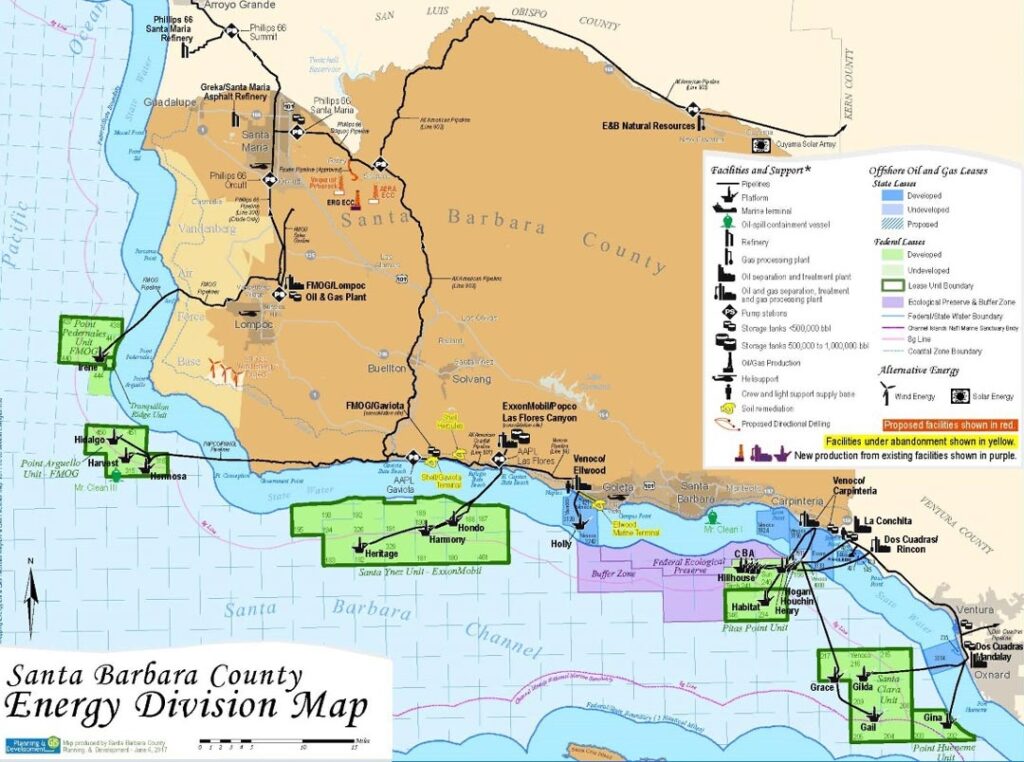
Sable Offshore Corp. (NYSE: SOC) a Houston-based independent oil and gas producer has emerged as a high-profile player in California’s offshore energy debate. Focused on reviving the Santa Ynez Unit (SYU) in federal waters off Santa Barbara (platforms Harmony, Hondo, Heritage), Sable acquired the assets from ExxonMobil in recent years, targeting hundreds of millions of barrels in reserves. The company’s stock has been volatile amid legal, regulatory, and political battles over restarting the Las Flores Pipeline System (onshore segments CA-324/CA-325).
Recent Bloomberg reports highlight escalating federal involvement, driving sharp stock gains and renewed restart optimism.
Key Bloomberg Highlights (Early March 2026)
- US Considering Defense Production Act (DPA) for Sable (March 6, 2026): Interior Secretary Doug Burgum confirmed in a Bloomberg interview that the Trump administration is “absolutely” deliberating emergency powers under the 1950s DPA to ease permitting for Sable’s contested California project. DPA allows broad presidential authority over domestic industry in “national emergencies.” Shares rose 12% that day and are up >60% week-to-date as investors bet on federal override of state blocks.
- Stock Momentum: SOC traded higher amid the news, with analysts noting potential for further upside if DPA is invoked. Bloomberg’s Stock Movers podcast covered the rally alongside Broadcom and Roche moves.
- Ongoing Regulatory Clash: PHMSA’s December 2025 interstate classification and emergency special permit (waiving certain corrosion remediation timelines) enabled limited restart progress, but state injunctions (Santa Barbara court) and California’s lawsuits (e.g., AG Rob Bonta challenging federal preemption) continue to stall full commercial flow. Oil remains stored onshore at Las Flores Canyon.
Pipeline & Integrity Context
The Las Flores system critical for exporting SYU crude has been offline since the 2015 Refugio spill (corrosion-induced rupture). Sable completed repairs and integrity testing per the federal consent decree, but state environmental groups oppose restart due to spill history and coastal risks.PHMSA’s waivers emphasize enhanced monitoring (ILI, cathodic protection, pressure management) as alternatives to full replacement a pragmatic approach for aging infrastructure in seismically active areas. For pipeline engineers: This underscores the importance of robust integrity programs (fatigue/corrosion in legacy lines) and navigating layered federal-state oversight.
Broader 2026 Implications
- Federal vs. State Tension: Bloomberg notes California’s suits test the reach of “energy emergency” declarations and PHMSA’s interstate authority potentially setting precedents for other legacy assets.
- Energy Security Angle: Proponents argue restart bolsters domestic supply amid chronic California crunches; opponents highlight environmental risks in transition eras.
- Stock & Market View: SOC’s volatility (recent surges on federal news) reflects investor positioning ahead of possible DPA action or comment period outcomes (PHMSA non-emergency permit open for public input).
Sable’s story exemplifies 2026 challenges: Reviving prolific offshore units amid regulatory hurdles, legacy integrity demands, and political shifts. Watch for DPA developments or court rulings they could accelerate restart or prolong storage-only ops.
What do you think of federal emergency powers overriding state pipeline blocks?
Comment below or email : oko@offshorepipelineinsight.com.
Subscribe for weekly roundups + free checklists!
Oko