Hey folks, Oko here from Offshore Pipeline Insight, back with a fresh dive into the state of our industry as we hit March 2026. After a bit of a slowdown on the blog, I’m ramping things up with this comprehensive look at the latest reports. Drawing from cutting-edge market analyses and tech forums, we’ll explore the booming growth, game-changing innovations, regional hotspots, and the hurdles we can’t ignore. Let’s get into it backed by data, diagrams, and visuals to make it all crystal clear.
Market Growth: A Steady Climb Fueled by Demand:
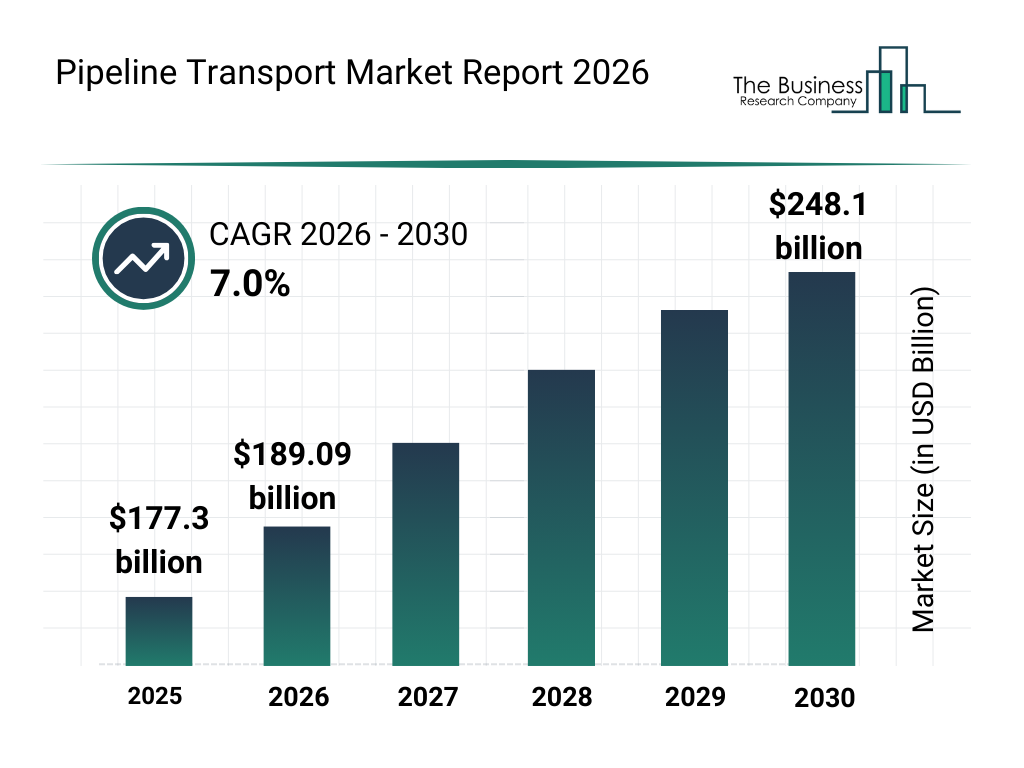
The offshore pipeline sector is on a solid upward trajectory, with recent projections painting a picture of robust expansion. According to the latest Offshore Pipeline Market Report, the global market is valued at around USD 16.98 billion in 2026 and is expected to reach USD 21.27 billion by 2030, growing at a compound annual growth rate (CAGR) of 5.8%. This builds on a jump from USD 16.19 billion in 2025, driven by surging demand for crude oil and natural gas, alongside expansions in subsea fields. Looking further out, some forecasts push even higher: from USD 19.84 billion this year to a whopping USD 38.13 billion by 2034, at an 8.51% CAGR, thanks to deeper water projects and larger-diameter lines (over 24 inches) for high-volume transport. Key drivers? Rising energy needs in emerging markets, new discoveries in regions like the Gulf of Mexico, Brazil, and West Africa, and the push for export infrastructure. But it’s not just hydrocarbons— the energy transition is injecting fresh momentum, with pipelines adapting for CO2 and hydrogen transport.To visualize this growth, here’s a chart showing broader pipeline transport trends, which align with offshore projections (note: this encompasses both onshore and offshore for context).
Technological Innovations: From Integrity to Energy Transition :
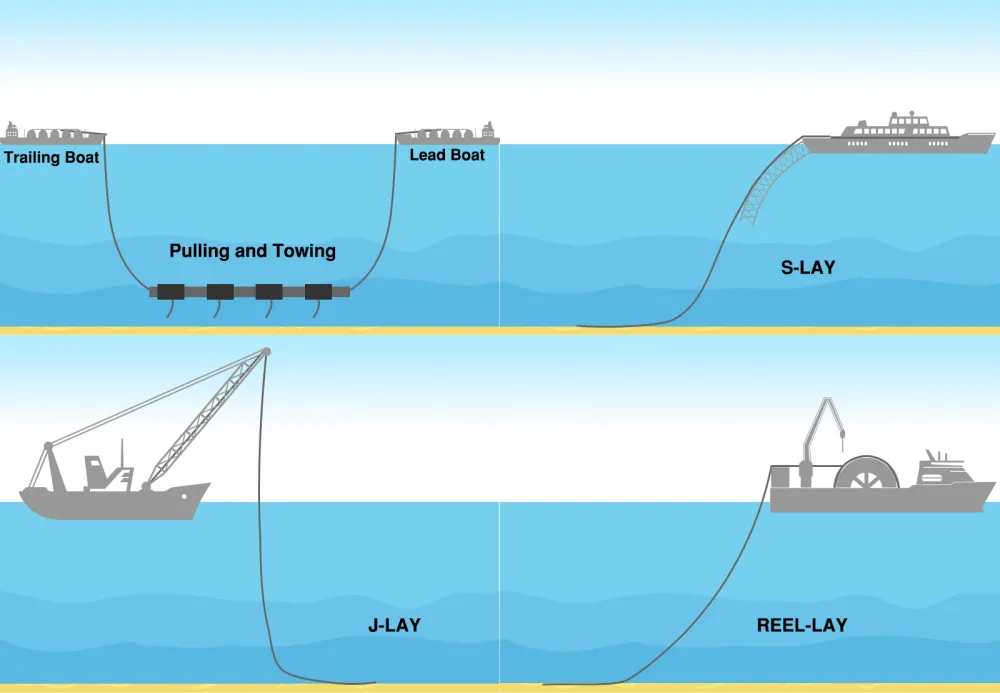
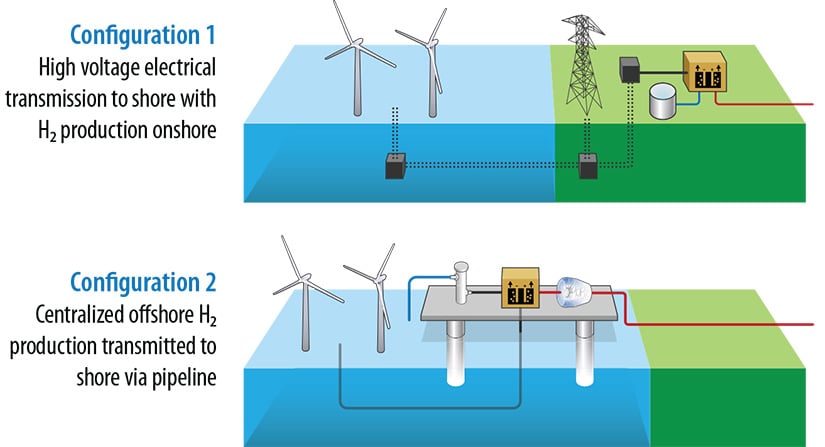
Innovation is the heartbeat of offshore pipelines in 2026. At the forefront are advancements in integrity management, like real-time subsea inspections using tools that skip coating removal, and digital twins for simulating CO2 and H2 flows. The Offshore Technology Conference (OTC) 2026 is spotlighting how oil and gas tech integrates with renewables, such as offshore wind and tidal energy, to drive sustainable solutions. A big theme at the Subsea Pipeline Technology Congress (SPT 2026) and Pipeline Technology Conference (ptc 2026) is repurposing existing pipelines for the energy transition—think hydrogen, CO2, and even ammonia transport. Hydrogen pipelines are heating up, with a focus on leak minimization to maximize climate benefits. Meanwhile, ROVs and AUVs are evolving for deeper, more efficient monitoring in ultra-deepwater environments.Check out this diagram illustrating subsea pipeline installation methods, crucial for these innovative projects:
And for the hydrogen angle, here’s a schematic of offshore H2 production and pipeline transmission tied to wind energy:
Regional Highlights: Hotspots Driving the Boom:
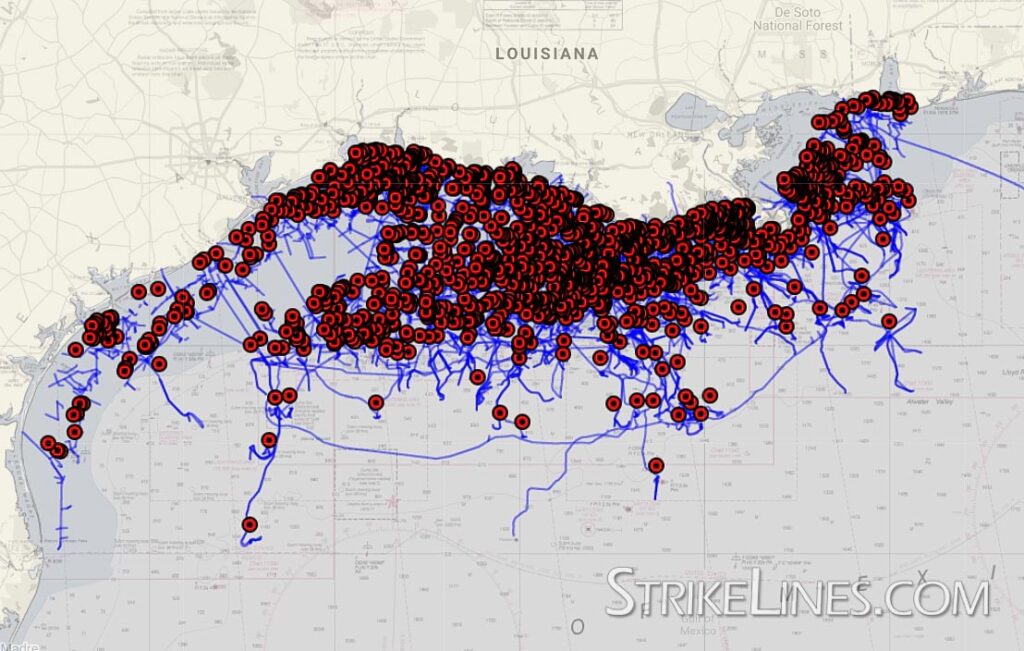
Regionally, the Gulf of Mexico remains a powerhouse, with expanded leasing boosting deepwater tiebacks and subsea demand. In the GCC (Saudi Arabia, UAE, Qatar), the market hits about USD 2.2 billion, fueled by massive gas discoveries and subsea networks—Saudi’s setups are true engineering feats.Globally, over 113 offshore pipelines are slated to commence in 2026, mostly gas-focused in shallow waters. US shale optimizations are indirectly supporting this, enhancing recovery and throughput for gathering and export lines.For a visual on one key area, here’s a map of Gulf of Mexico offshore pipelines and platforms:
Challenges: Balancing Growth with Sustainability:
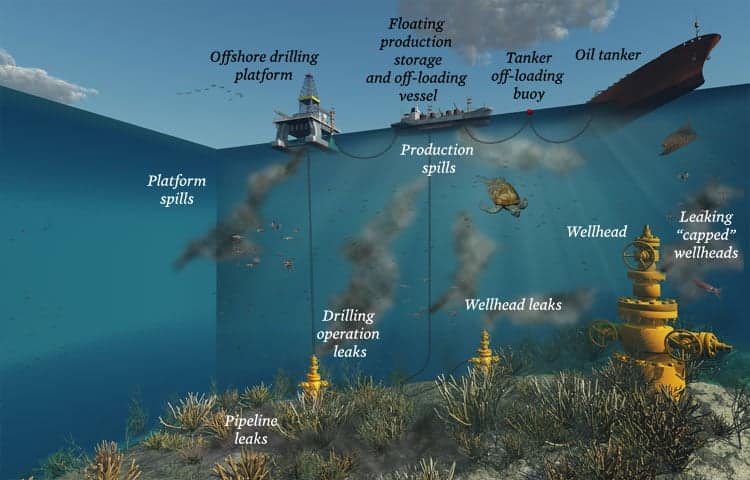
No growth story is without hurdles. Environmental concerns loom large, from polycyclic aromatic hydrocarbon (PAH) pollution in spill-prone areas like the Niger Delta to the need for asset life extension to delay decommissioning. Safety and resilience are top priorities, with ptc 2026 emphasizing zero-incident goals through better design and monitoring. Plus, emerging demands like AI data centers are reshaping energy networks, potentially straining infrastructure.This diagram highlights potential environmental impacts from offshore operations, underscoring the need for vigilant management:
Wrapping Up: A Future-Proof Industry:
As we navigate 2026, the offshore pipeline world is thriving—blending traditional strengths with transition tech to meet global energy demands sustainably. Stay tuned for more deep dives on specific projects and tips. What topics do you want next?
Drop a comment below.!
Oko Immanuel
Founder, Offshore Pipeline Insight
Texas A&M