April 1, 2026 — A major policy and capital shift hit the headlines in late March 2026: The Trump administration reached a nearly $1 billion agreement with French energy major TotalEnergies to terminate two offshore wind leases off the coasts of New York and North Carolina.
Instead of developing wind farms in federal waters, TotalEnergies is redirecting approximately $928 million into U.S. oil and gas production, shale gas, and the advancement of the Rio Grande LNG export terminal in Texas. This move, announced at CERAWeek in Houston, signals a clear pivot away from new federal-backed offshore wind projects under the current administration.
What Exactly Happened?
TotalEnergies had secured the leases in 2022:
- Attentive Energy (New York Bight) – acquired for $795 million
- Carolina Long Bay (North Carolina) – acquired for $133 million
Under the settlement:
- The Department of the Interior will terminate both leases.
- The U.S. government will reimburse TotalEnergies nearly $1 billion after the company commits equivalent capital to domestic hydrocarbon projects.
- TotalEnergies has pledged not to pursue any new offshore wind projects in the United States.
TotalEnergies CEO Patrick Pouyanné stated that offshore wind development is “not in the country’s interest,” citing better opportunities for affordable and reliable energy through oil, gas, and LNG. The redirected funds will support:
- Development of Trains 1–4 at the Rio Grande LNG plant (Brownsville, Texas – planned 29 Mtpa capacity)
- Upstream conventional oil production in the Gulf of Mexico
- Shale gas developments across the U.S.
TotalEnergies : redirecting nearly $1 billion from Atlantic offshore wind leases back into American oil, gas, and LNG infrastructure.
Visualizing the “Offshore Swap”What Was Canceled – Offshore Wind Side
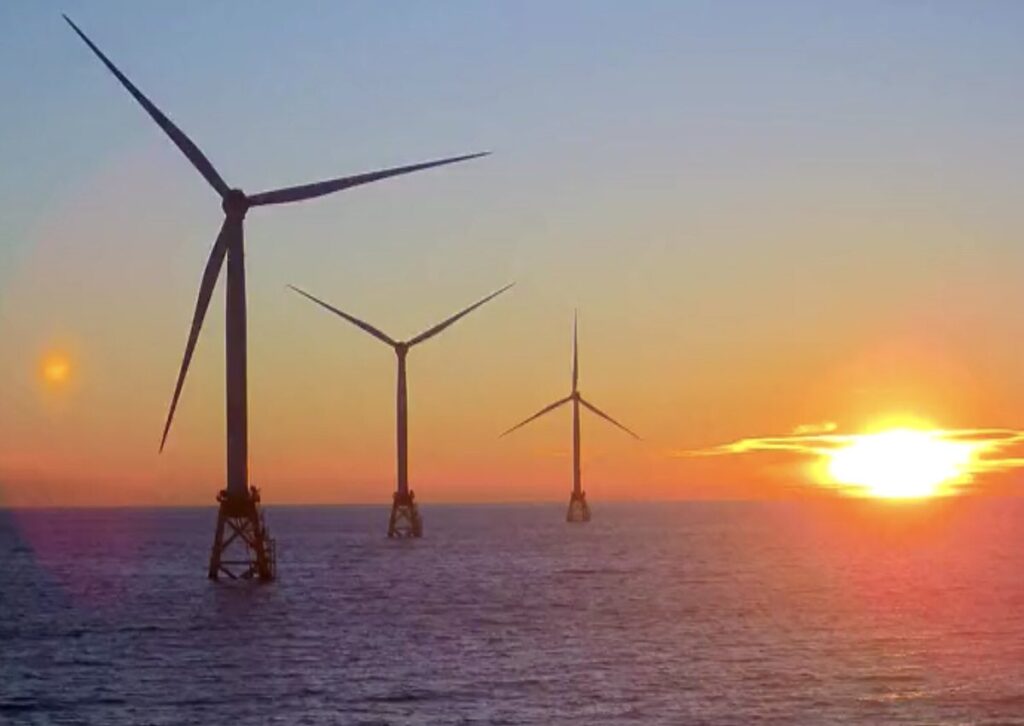
Offshore wind turbines in U.S. federal waters — the planned Attentive Energy and Carolina Long Bay projects will no longer move forward.
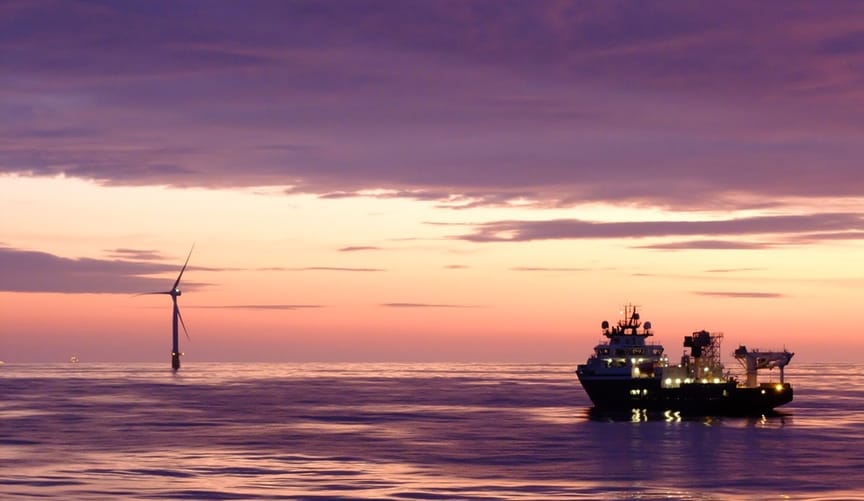
Complex installation vessels supporting offshore wind foundations and subsea export cables — infrastructure that will now see reduced demand on the East Coast under this deal.
Where the Capital Is Going – Oil & Gas / LNG Side
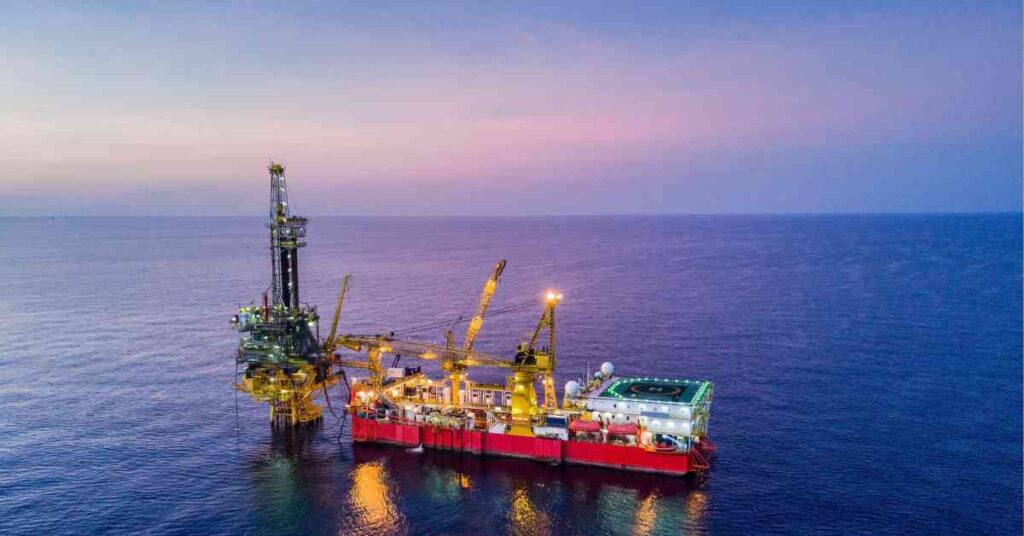
Modern offshore oil and gas platform in the Gulf of Mexico — expected to see increased activity from redirected investment.
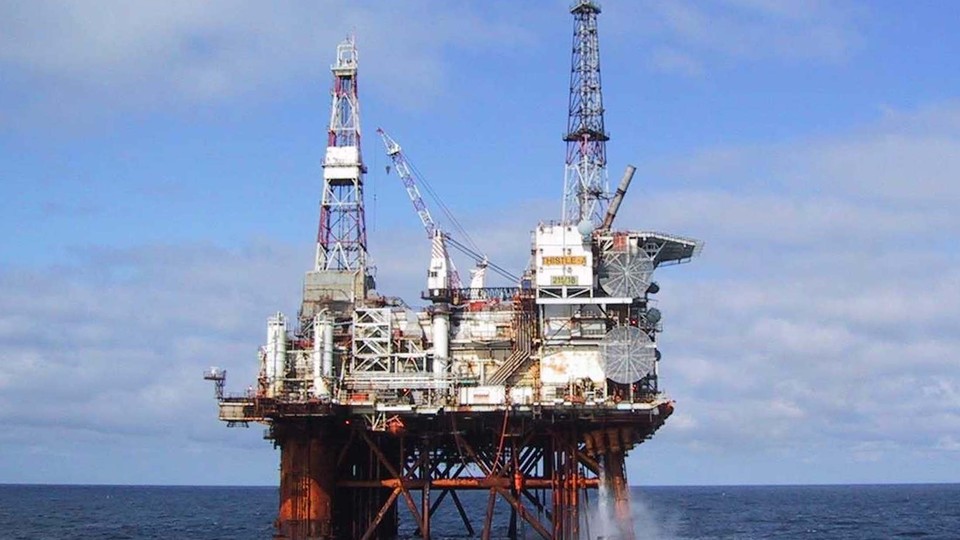
Fixed offshore platforms with established subsea tie-backs and pipeline export systems remain the backbone of reliable U.S. energy production.
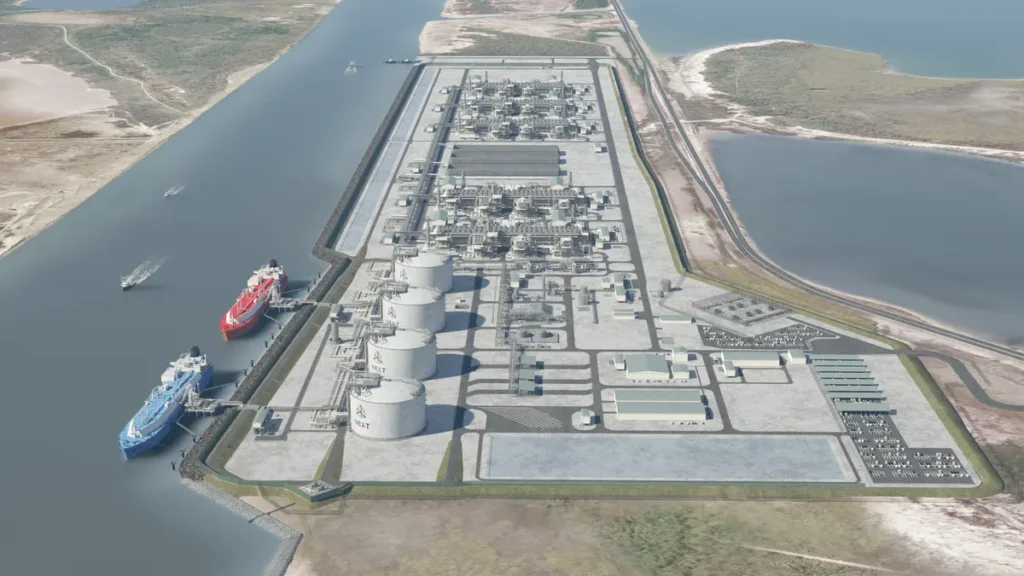
Rendering of the Rio Grande LNG terminal in Texas — one of the key beneficiaries of the capital reallocation.
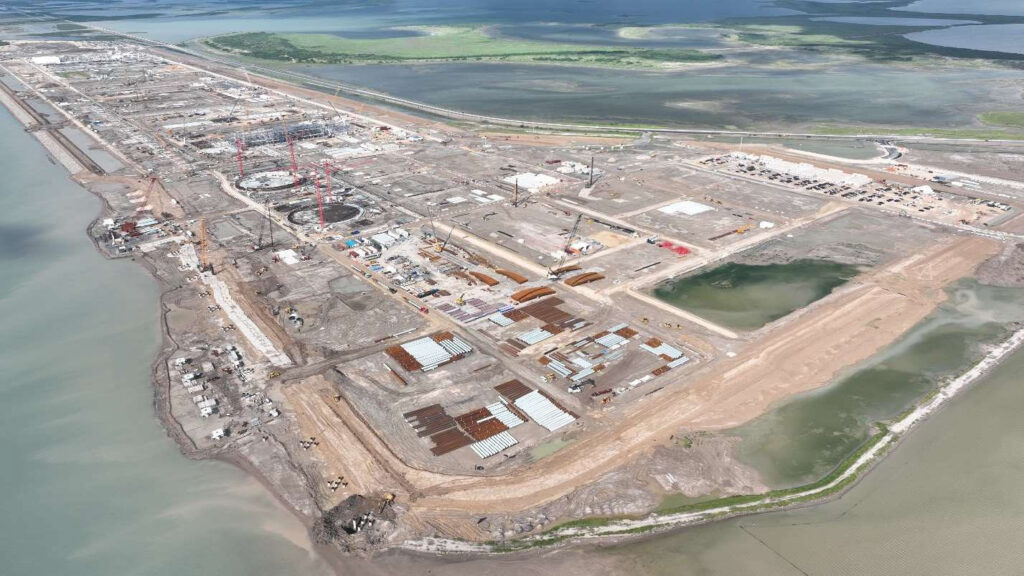
Ongoing construction at Rio Grande LNG — real infrastructure development that supports gas gathering, processing, and export pipelines.
Side-by-Side Comparison
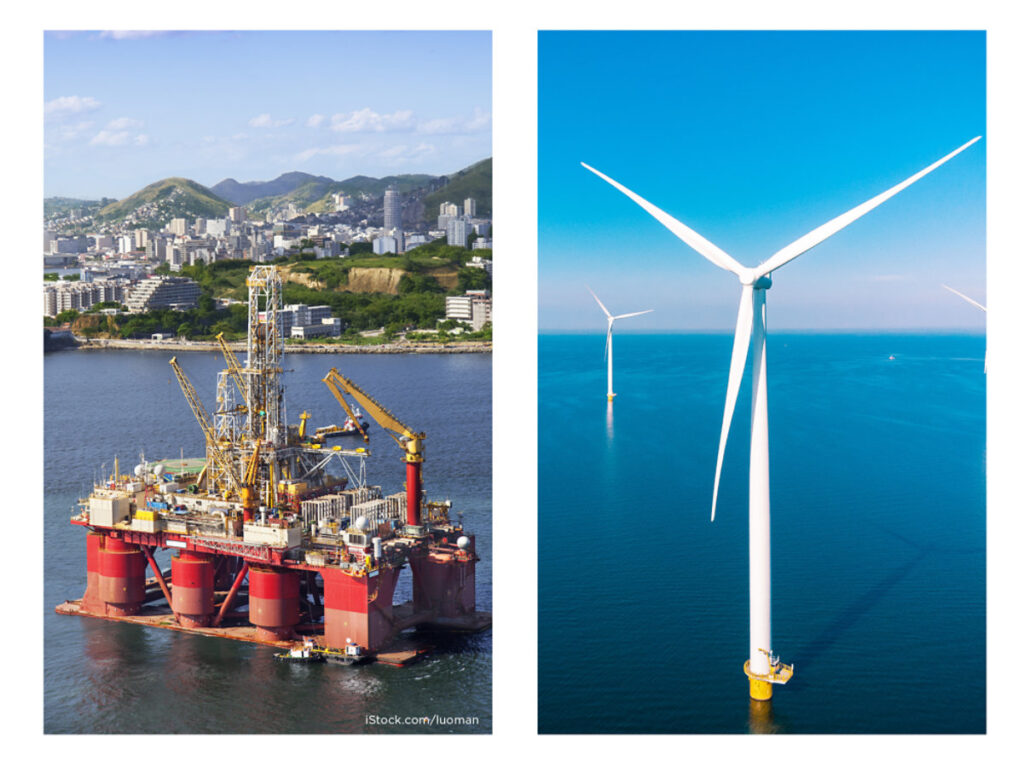
Offshore oil platform versus offshore wind turbine — two fundamentally different engineering and reliability profiles.
Implications for Offshore Pipeline & Subsea Engineers
This “Offshore Swap” has direct consequences for professionals in subsea pipeline engineering, flow assurance, and Gulf of Mexico developments:
- Increased Pipeline Demand: More Gulf of Mexico upstream activity means new subsea tie-backs, export pipelines, and flow assurance challenges (hydrate control, corrosion management, HPHT conditions).
- LNG Infrastructure Boost: Advancing Rio Grande LNG supports expanded gas gathering systems and potential onshore/offshore pipeline connections in South Texas.
- Capital Reallocation: Funds shifting from intermittent renewables to dispatchable hydrocarbons favor proven offshore oil & gas platforms and associated pipeline networks.
- Engineering Focus: Expect steadier project pipelines in deepwater tie-ins, subsea integrity management, and gas export systems rather than floating wind foundations and long-distance subsea cables.
For many in the industry, this reflects a return to prioritizing reliable, affordable base load energy especially as U.S. electricity demand grows from data centers, manufacturing, and exports.
The Bigger Picture for 2026 and Beyond
Whether you view this as smart energy policy or a setback for renewables, the engineering reality is straightforward: capital is flowing back toward projects with mature subsea and pipeline infrastructure.
This deal reinforces “energy dominance” priorities and could translate into more consistent work for offshore pipeline professionals in the Gulf of Mexico and LNG value chain.What’s your take? Will this create real opportunities for subsea tie-backs and pipeline projects in 2026–2027, or do you see other factors at play?
Drop your thoughts in the comments or email me directly at oko@offshorepipelineinsight.com (mailto:oko@offshorepipelineinsight.com).
I’ll follow up soon with a deeper technical piece on Gulf of Mexico subsea tie-back trends and flow assurance lessons from recent deepwater developments.
Stay sharp out there,
Oko Immanuel, M.Eng
Founder, Offshore Pipeline Insight
Texas A&M Subsea & Petroleum Engineering
Bridging Academia and the Field