By Oko Immanuel, MSc in Subsea Engineering.
Published: February 19, 2026
In a bold escalation during the IEA Ministerial Meeting in Paris (February 18–19, 2026), U.S. Energy Secretary Chris Wright renewed threats to withdraw the United States from the International Energy Agency (IEA) unless the organization abandons its emphasis on net-zero emissions scenarios and climate-related modeling. Wright accused the IEA of acting like a “climate advocacy organization” and a “left-wing big government fantasy,” insisting it refocus solely on energy security and data-driven analysis without promoting renewables or transition agendas.
The U.S. gave the IEA a one-year deadline to drop net-zero forecasting and related work, warning that continued “destructive illusions” of achieving net zero by 2050 (which Wright called a “zero percent chance” reality) could lead to full U.S. exit. This would risk China gaining dominance in the agency, he added. European ministers (from France, Netherlands, and others) pushed back, defending the IEA as a “trusted pillar” for balanced energy insights, while privately acknowledging concerns over U.S. import reliance.
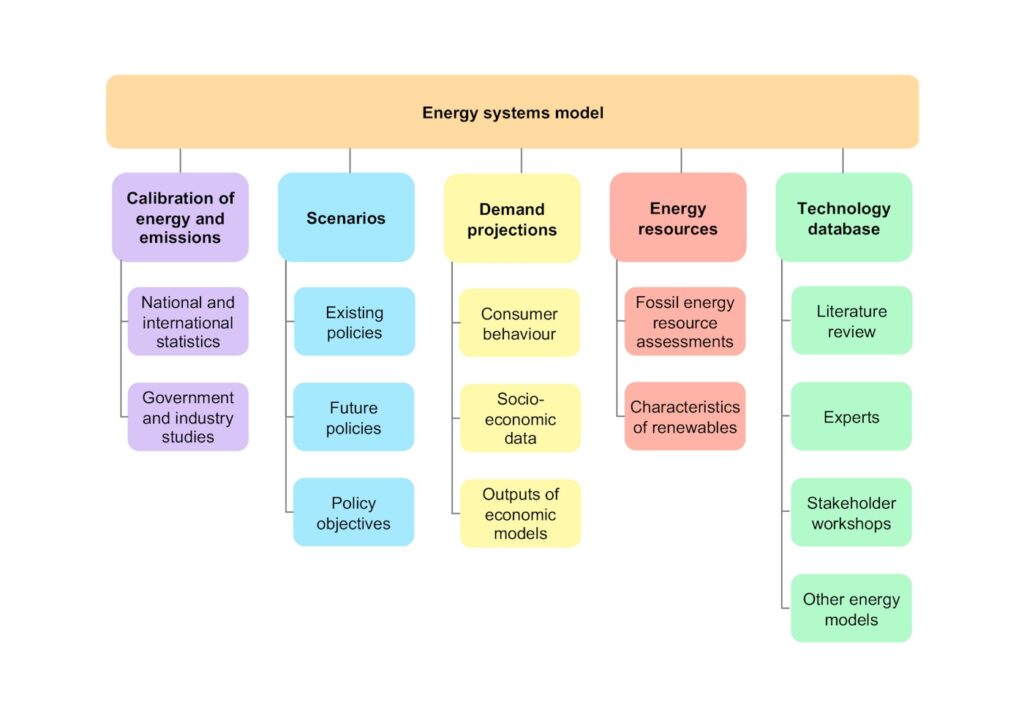
(Above: IEA energy systems model diagram showing integration of data sources, scenarios, demand projections, energy resources, and technology databases for forecasting and policy influence.)
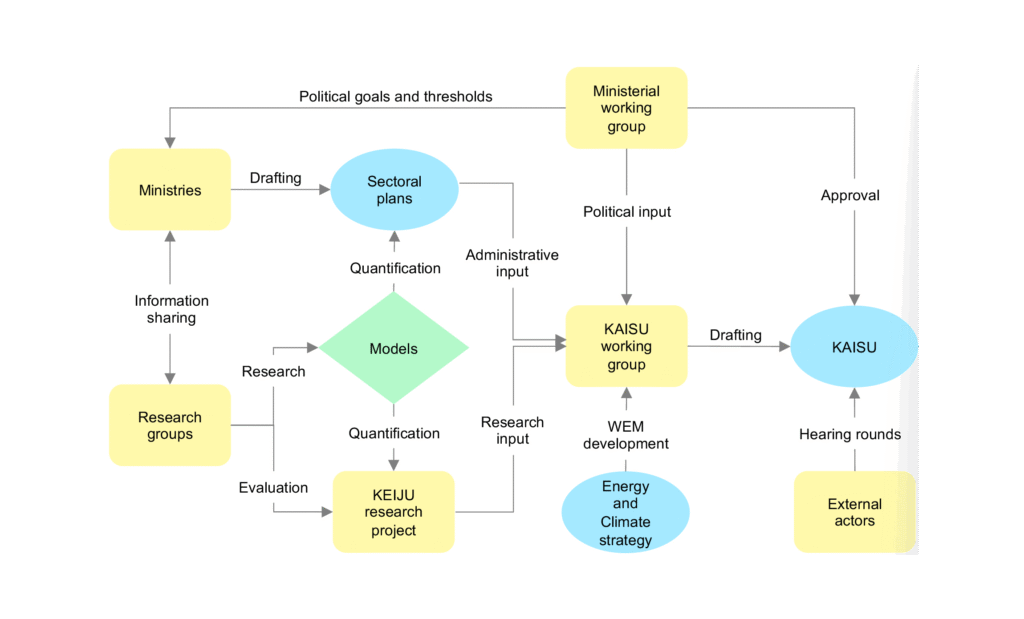
(Above: Detailed IEA policy planning and modeling framework, emphasizing calibration of energy/emissions data, scenario building, and stakeholder inputs for long-term energy strategies—including oil/gas and renewables.)
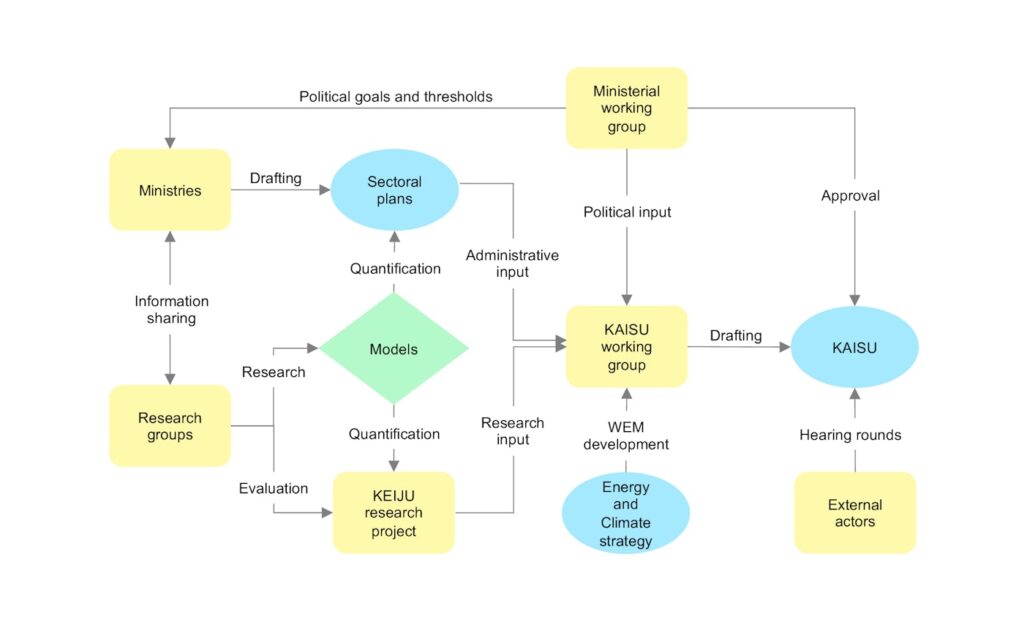
(Above: Flowchart of energy policy development process involving research groups, ministries, models, and evaluation—illustrating IEA’s broader influence on global forecasting and policy for fossil fuels and clean energy.)
Why This Matters for Offshore Projects
The IEA has long shaped global energy outlooks, including scenarios for oil/gas demand, peak oil, and transition pathways directly influencing investment in offshore and subsea developments:
- HPHT and deepwater economics IEA’s net-zero pathways have pressured operators to accelerate low-carbon adaptations (e.g., CCUS compatibility in HPHT pipelines, hydrogen blending). A U.S. pullout or IEA shift could ease short-term pressure on fossil-fuel-focused projects, potentially boosting FID on high-cost HPHT tiebacks in the Gulf of Mexico, North Sea, or Guyana.
- Supply chain and integrity planning IEA forecasts inform material sourcing, vessel demand, and risk assessments. Reduced “climate advocacy” might delay regulations on emissions from offshore ops (e.g., methane leaks, flaring), giving more flexibility for traditional gas developments.
- Decarbonization crossroads For subsea engineers, this highlights uncertainty in repurposing existing HPHT infrastructure for CO₂ injection or hydrogen transport. If IEA pivots away from net-zero modeling, operators may prioritize pure hydrocarbon reliability over dual-use designs.
Wright’s stance aligns with the Trump administration’s pro-fossil fuel push emphasizing energy security, increased production, and skepticism toward renewables dominance. The IEA’s response (likely to defend its data-driven role while navigating politics) will shape 2026–2027 outlooks.
This development underscores volatility in global energy policy: offshore projects must remain resilient to shifting regulations and forecasts. Whether the U.S. exits or pressures reform, the core need for robust flow assurance, integrity management, and cost-effective HPHT designs endures.
What impact do you see from a potential IEA shift on your offshore or subsea work?
Comment below let’s discuss how engineers adapt to policy changes!
Share on LinkedIn or X for energy professionals. Subscribe for HPHT series updates, flow assurance tips, and weekly news insights.