Published :By Oko Immanuel, M.Eng
05/03/2026.
The offshore pipeline sector is entering a strong growth phase in 2026, with over 113 offshore pipelines scheduled to commence across the globe. Longer tie-backs, LNG export focus, and energy security needs drive many of these mega-projects. Here’s a detailed look at the
top 10 longest pipelines expected to start operations or key commissioning phases in 2026, based on length, capacity, and strategic impact.
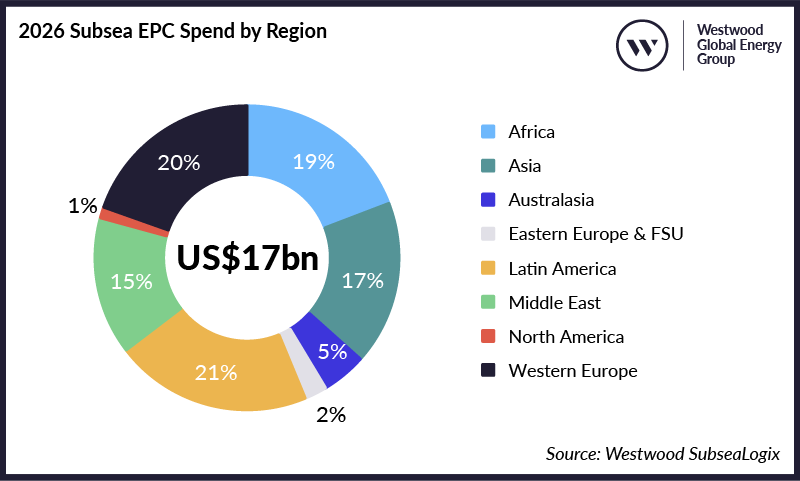
1. Vaca Muerta Sur – Argentina (≈565 km)
Operator: YPF SA
Type: Oil pipeline (onshore + shallow water)
Capacity: ~550,000 barrels/day
Key Details: This flagship project connects the prolific Vaca Muerta shale fields to a new export terminal at Punta Colorada (Golfo San Matias). It features two phases and supports Argentina’s push to become a major oil exporter.
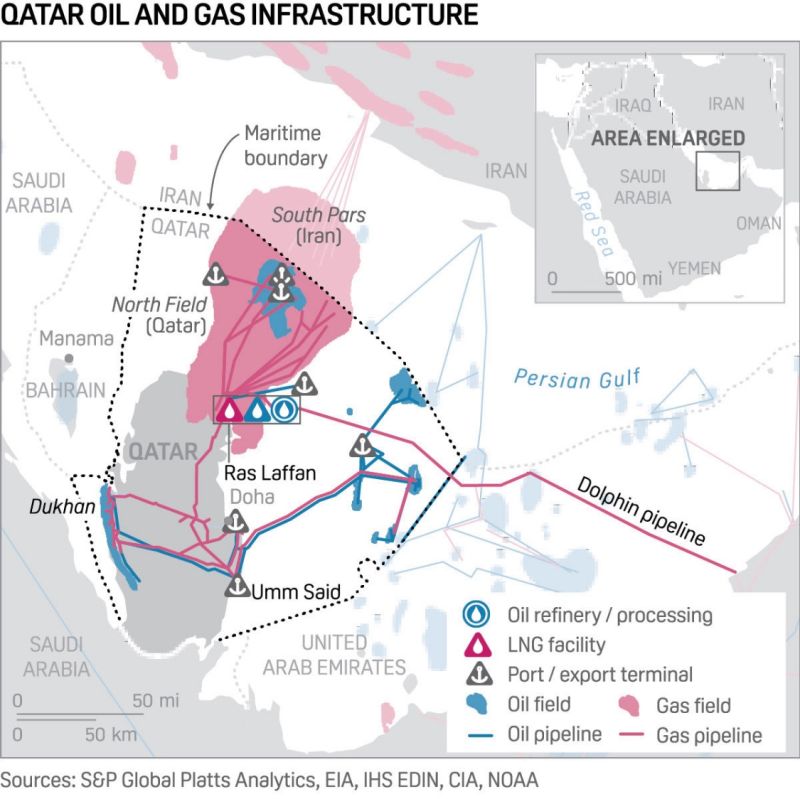
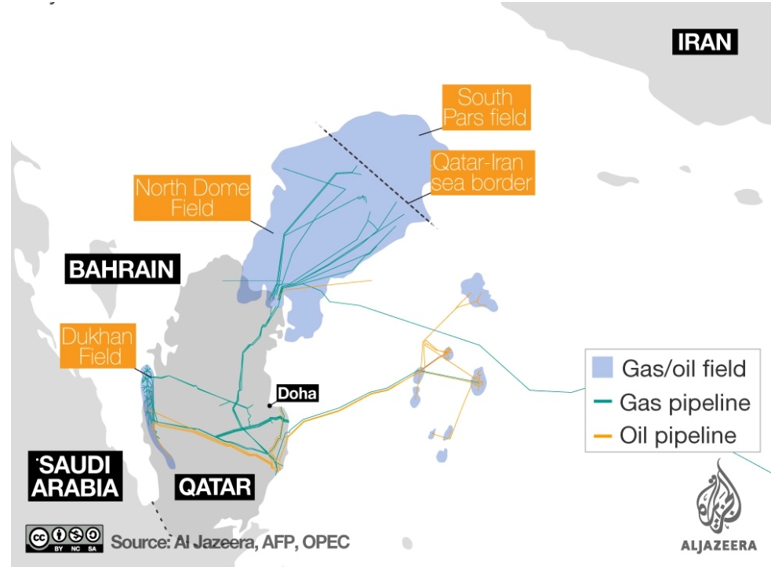
2. North Field East System – Qatar (≈500 km)
Operator: QatarEnergy (with international partners: Shell, ExxonMobil, TotalEnergies, Eni, ConocoPhillips)
Type: Gas pipeline
Impact: Supports the massive North Field expansion, boosting LNG production with integrated carbon capture elements.
Why It Matters:
One of the most ambitious gas infrastructure projects globally, emphasizing sustainability alongside scale.
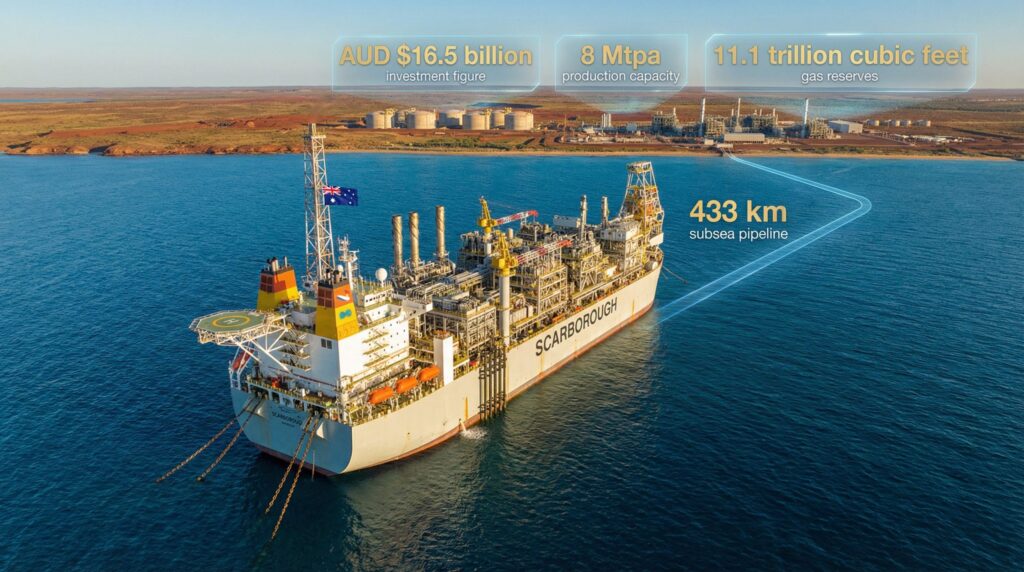
3. Scarborough–Pluto Pipeline – Australia (≈433 km)
Operator: Woodside Energy
Type: Gas pipeline (deep- to shallow-water)
Capacity: Feeds Pluto Train 2 LNG facility (~8 MTPA)
Status: Construction largely complete; first LNG targeted for Q4 2026.
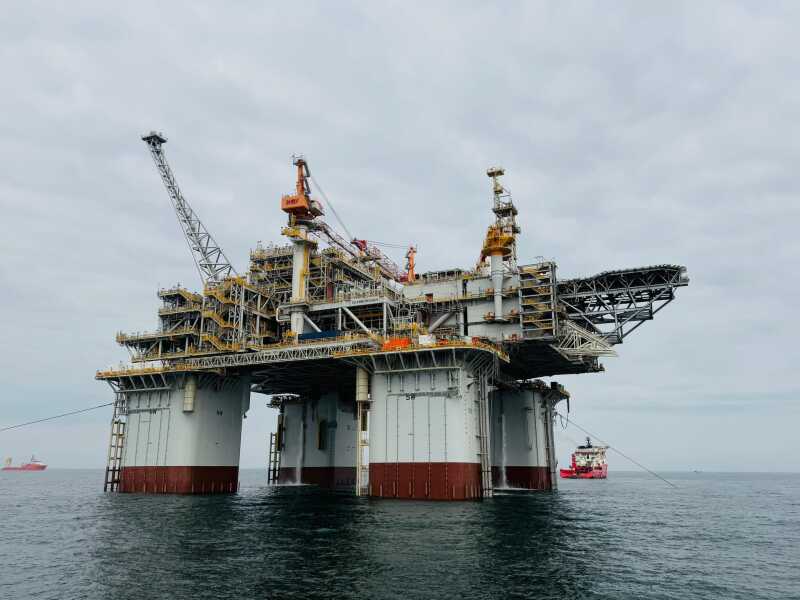
Technical Note: Traverses varied seabed conditions, requiring advanced materials for HPHT and flow assurance.
4. Block B–O Mon Gas Pipeline – Vietnam (≈433 km)
Operator: PetroVietnam Gas Corporation
Capacity: 656 MMcf/d
Impact: Supplies four gas-fired power plants, boosting domestic energy security in Southeast Asia.
5–10: Other Notable Long Pipelines Starting in 2026
- Rosmari–Marjoram (Malaysia): ~207 km sour-gas pipeline to Bintulu LNG complex.
- Various India ONGC replacement/expansion lines (segments up to 100+ km each, part of larger 1000 km programs).
- Additional Qatar North Field associated lines and Middle East tie-backs.
- Brazil and Gulf of Mexico deepwater tie-backs (typically 50–150 km but high-tech HPHT).
- Southeast Asia and Latin America export lines filling the remaining top 10 slots.
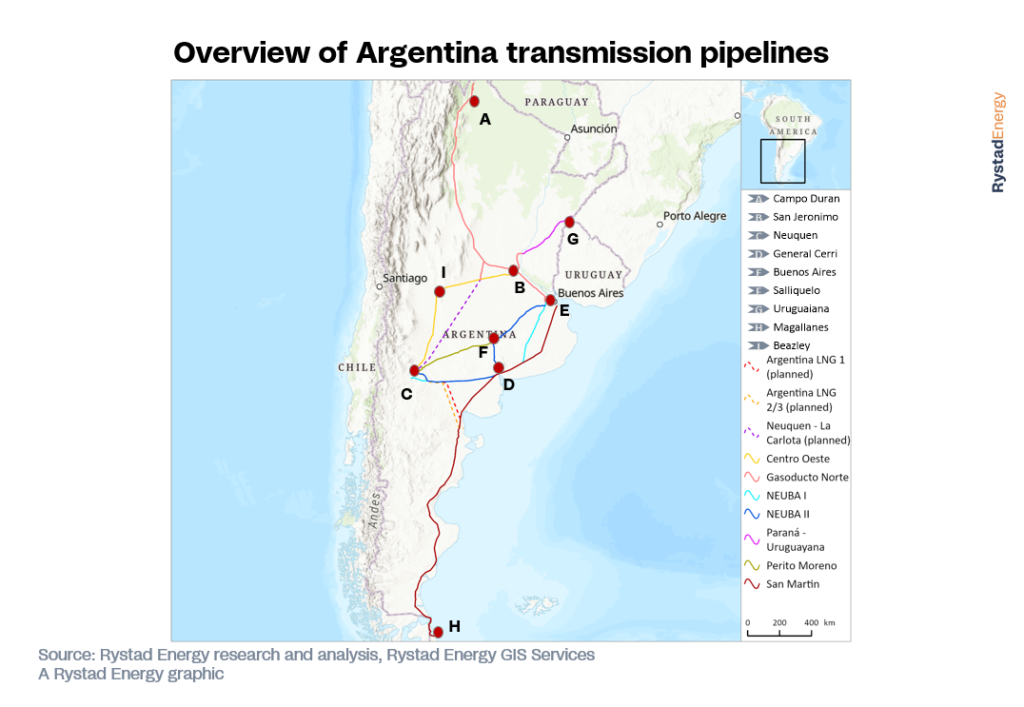
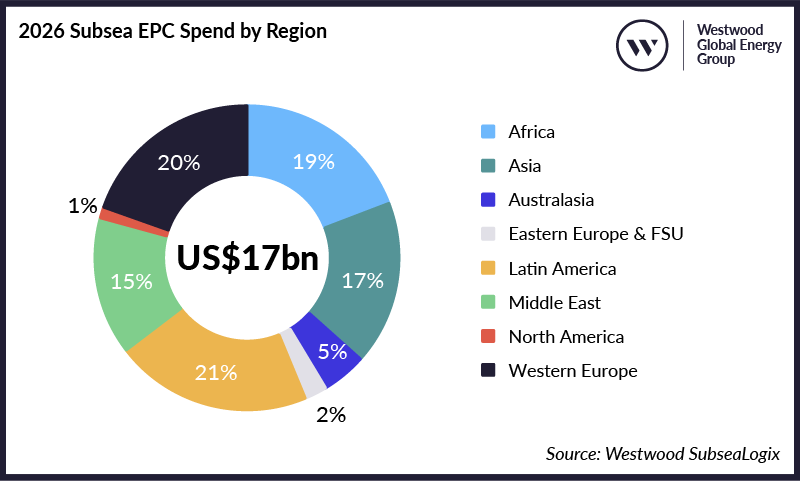
Regional Breakdown of 2026 Offshore Pipeline Activity (approximate by spend/length share):
Key Trends Shaping These Pipelines
- Longer Tie-Backs: Average distances increasing due to frontier developments.
- Materials & Technology: More use of corrosion-resistant alloys (CRA), pipe-in-pipe insulation, and digital monitoring for integrity.
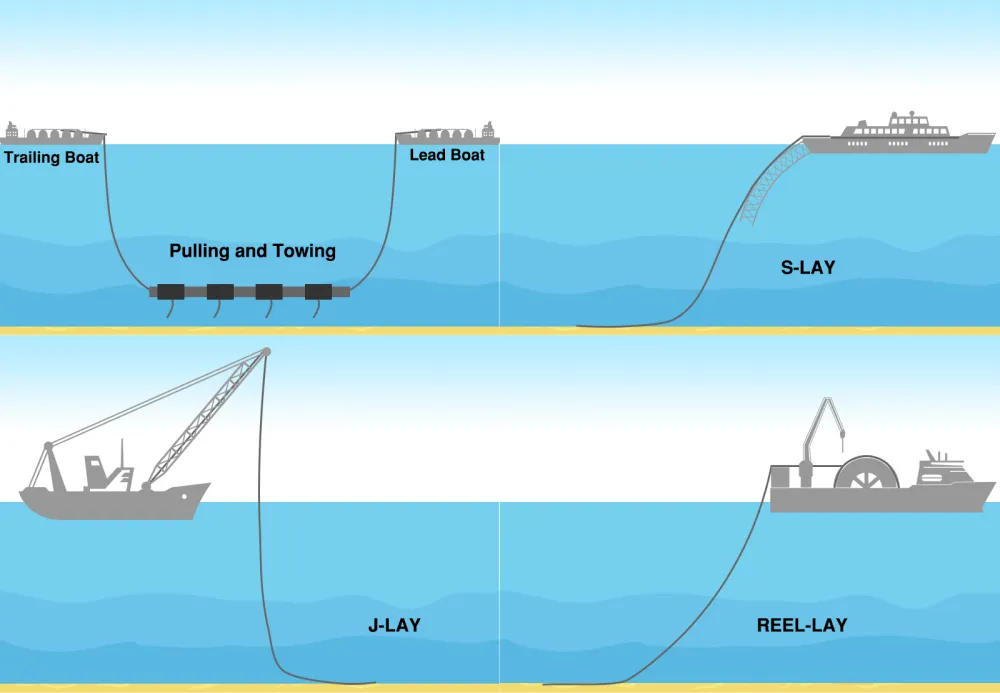
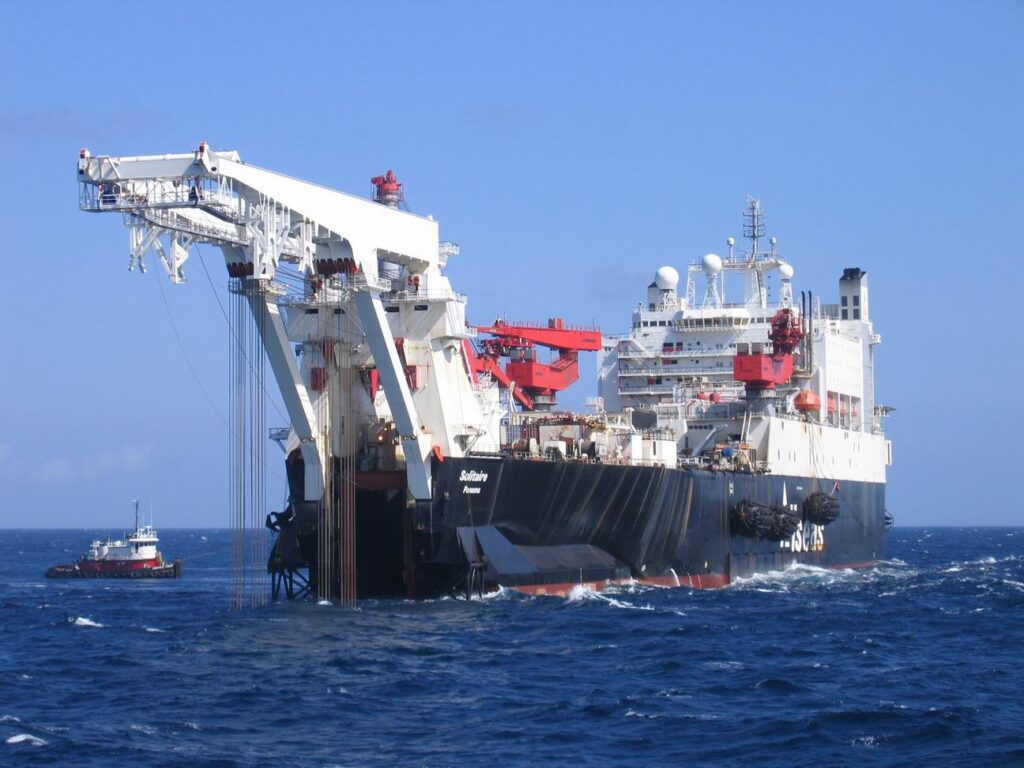
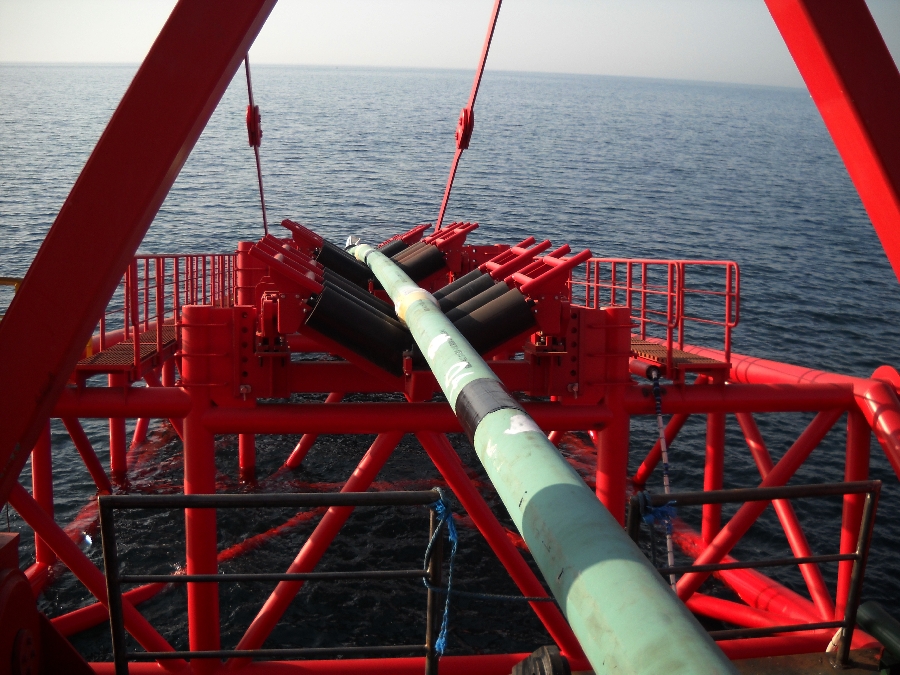
- Installation Methods: Heavy reliance on J-Lay, S-Lay, and reel-lay vessels.
Challenges:
HPHT conditions, deepwater installation risks, regulatory hurdles, and supply chain pressures. Opportunities include local content, decarbonization features, and reuse of existing infrastructure.
This wave of projects underscores a resilient offshore midstream sector amid global energy demands. For subsea engineers, 2026 offers exciting opportunities in design, installation, and integrity management.
By Oko Immanuel, M.Eng
Founder, Offshore Pipeline Insight | Subsea Engineering Specialist Sources include Offshore Technology, project operators, and industry reports (2026 data).