Written by Oko
Founder, Offshore Pipeline Insight
May 30, 2026.
Subsea robotics have evolved from support tools into core operational assets. In 2026, remotely operated vehicles (ROVs), autonomous underwater vehicles (AUVs), and resident robotic systems are delivering major gains in efficiency, safety, and cost reduction across the offshore pipeline and subsea sector.
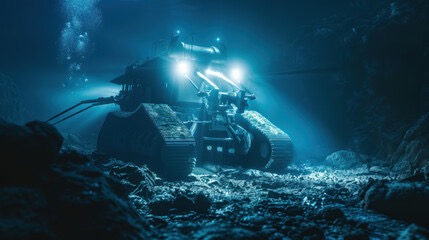
This article investigates the latest applications of subsea robotics, real-world case studies, and how these technologies are reshaping inspection, maintenance, repair, decommissioning, and energy transition projects.
Types of Subsea Robotics in Use Today
- ROVs (Remotely Operated Vehicles): Tethered systems ideal for detailed inspection, intervention, and heavy manipulation tasks.
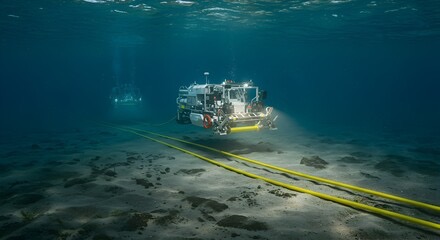
- AUVs (Autonomous Underwater Vehicles): Untethered, battery-powered vehicles excellent for large-area surveys and mapping.
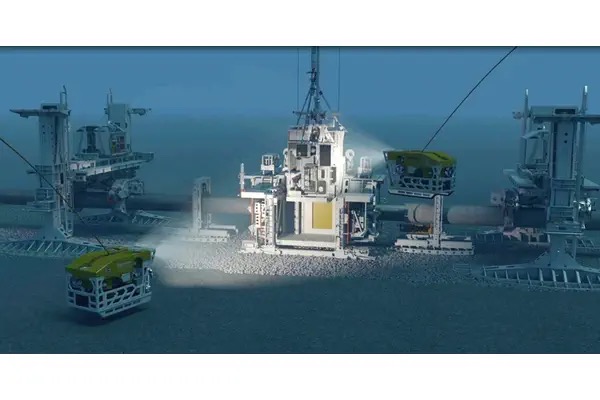
- Resident Robotics / Resident AUVs: Systems that live permanently on the seabed, docked at subsea garages for long-duration missions with minimal surface support.
- Hybrid and Crawler Systems: Robots that combine mobility with specialized tools for pipeline and structure work.
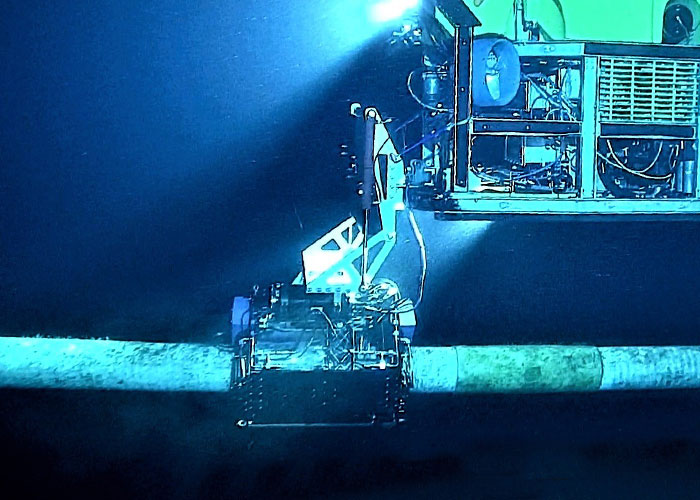
ROV Inspecting Subsea Pipeline — Traditional workhorse for detailed close-up inspection and intervention.
Key Applications of Subsea Robotics in 2026
1. Pipeline and Structure Inspection
Robotics enable frequent, high-resolution inspections without the high cost and risk of diver or heavy vessel operations. Advanced sensors (ultrasonic, laser, sonar) combined with AI deliver real-time defect detection.
2. Maintenance and Repair
Resident and hybrid robots perform light intervention tasks such as cleaning, coating repairs, and valve operations directly on the seabed.
3. Decommissioning Support
ROVs and AUVs assist with cutting, lifting, and environmental monitoring during platform and pipeline removal or repurposing.
4. Energy Transition Projects
Subsea robots play a critical role in CCUS and hydrogen projects — monitoring CO₂ injection wells, inspecting repurposed pipelines for embrittlement, and supporting subsea compression installations.
5. Construction and Installation
Autonomous systems reduce the need for large construction vessels by handling precise positioning and connection tasks.
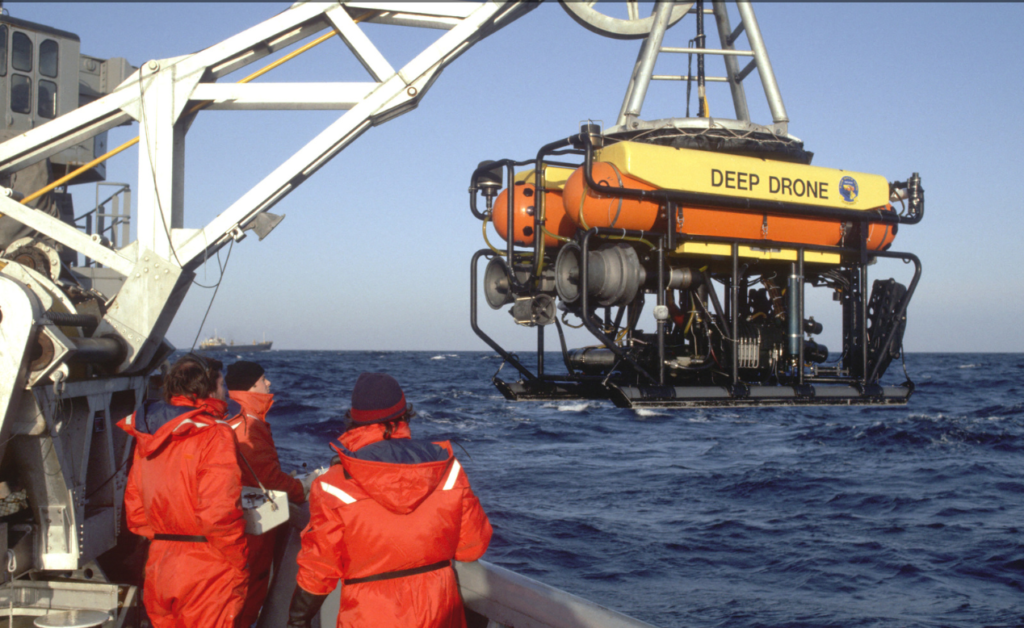
ROV Performing Pipeline Inspection — High-resolution imaging and manipulation in deepwater environments.
Real-World Case Studies
- Equinor (North Sea): Deployed resident AUV technology for continuous monitoring of subsea assets. The system reduced inspection vessel days by over 60% while providing higher data quality.
- Shell (Gulf of Mexico): Used advanced ROVs with AI-assisted anomaly detection during a major pipeline integrity campaign, cutting inspection time by 40% and identifying issues that traditional methods missed.
- TotalEnergies (UK North Sea): Integrated resident robotics into a CCUS feasibility study, enabling long-duration monitoring of potential storage sites with minimal human intervention.
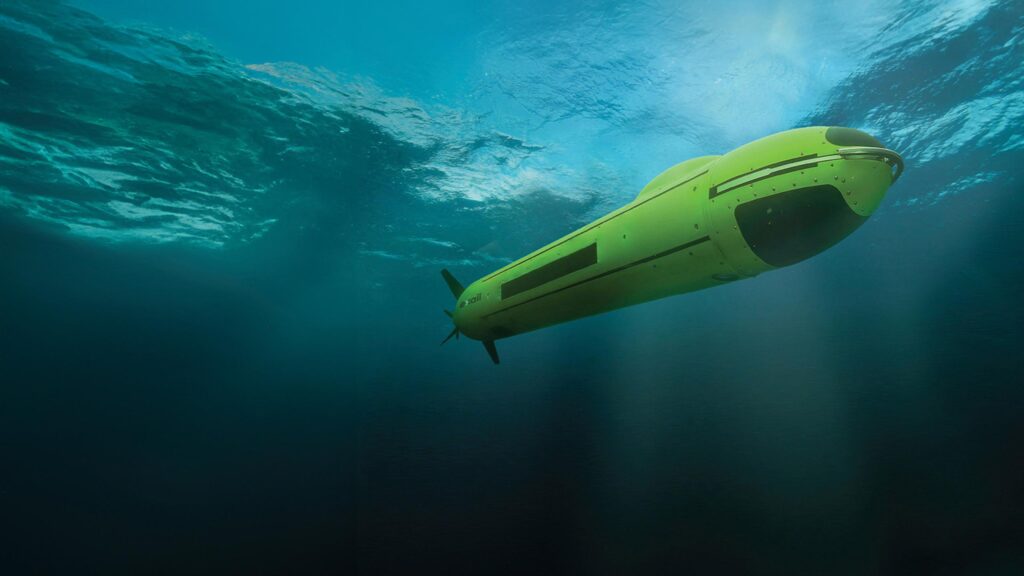
Autonomous Underwater Vehicle (AUV) — Untethered system ideal for large-scale surveys and mapping.
Benefits of Subsea Robotics
- Cost Reduction: Significant savings on vessel time and diver support.
- Safety Improvement: Reduced human exposure to high-risk offshore environments.
- Data Quality: Higher frequency and resolution of inspections.
- Operational Efficiency: 24/7 capability with resident systems.
- Environmental Performance: Lower carbon footprint from reduced vessel operations.
Challenges and Limitations
- Battery life and recharging for AUVs and resident systems
- Communication and data transfer in deep water
- High initial capital cost
- Cybersecurity risks for connected systems
- Regulatory approval for fully autonomous operations
Future Outlook Beyond 2026
The next wave will see greater autonomy, swarm robotics, and integration with digital twins. Resident systems that live on the seabed for years, combined with AI-driven decision-making, will become standard for many operators.
Related Reading on Offshore Pipeline Insight:
- AI and Digital Twins in Subsea Pipeline Integrity
- Maximizing Subsea Infrastructure Efficiency
- Subsea Pipeline Decommissioning vs Repurposing
Conclusion
Subsea robotics are no longer optional — they are a competitive necessity in 2026. From routine inspections to complex energy transition projects, these technologies are delivering safer, cheaper, and more efficient operations while reducing the industry’s environmental footprint.Operators and engineers who invest in robotics capabilities today will lead the subsea sector tomorrow.
Engineers looking to deepen their knowledge in subsea pipeline integrity should check out Subsea Pipeline Design, Analysis, and Installation by Qiang Bai (https://amzn.to/4u7edfH). This book is an excellent reference for understanding the practical applications of digital twins and Subsea Robotics.”