By Oko Immanuel, M.Eng
Founder, Offshore Pipeline Insight | Subsea Engineering Specialist
May 17 2026
In mid-2026, Carbon Capture and Storage (CCS/CCUS) has become a major strategic growth area for the energy industry. Oil & gas companies are investing tens of billions of dollars in CCS technology to achieve decarbonization goals while creating new revenue streams.Carbon Capture and Storage (CCS) — often expanded to CCUS with utilization — has become a major growth engine for the energy sector. Oil & gas majors are investing tens of billions of dollars to meet decarbonization goals, turning a former regulatory liability into valuable revenue-generating assets through enhanced oil recovery, industrial use, and permanent storage.
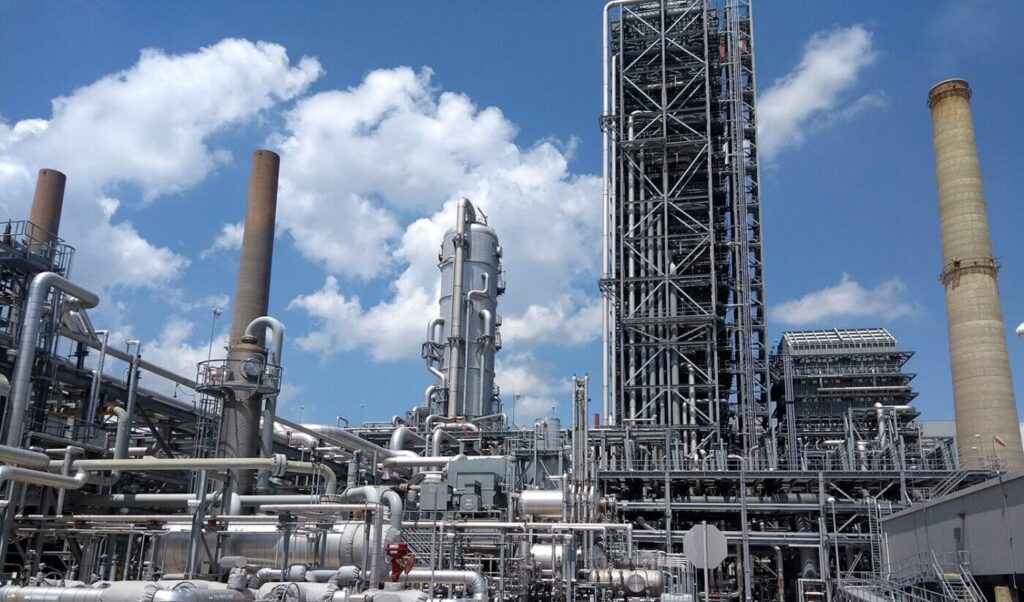
Large-scale carbon capture facility showing the industrial scale of modern CCS projects
Record Investments Driving CCS Expansion
Global investment in CCS technology has surged dramatically. Over $5 billion was deployed in 2025, with forecasts showing cumulative investments reaching $80+ billion by 2030. Policy incentives such as the U.S. 45Q tax credit, UK cluster funding, and EU innovation funds are unlocking capital at record speed.
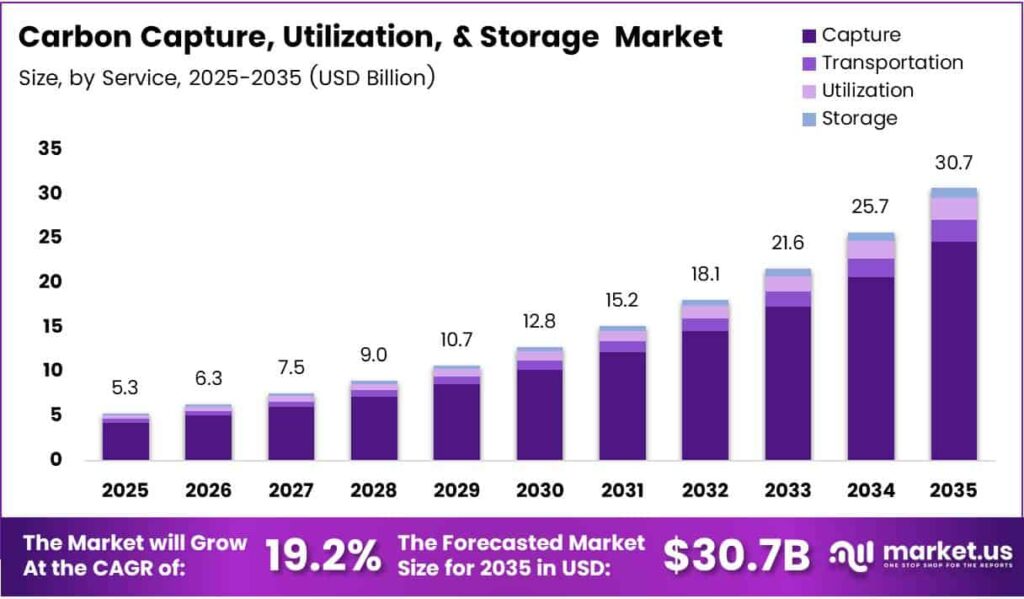
Carbon Capture, Utilization, and Storage Market Growth Projection 2025–2035 (USD Billion)
Key 2026 Highlights:
- More than 650 CCS projects in various stages of development worldwide
- Focus on large integrated hubs with 10–100 Mtpa capacity
- Rapid build-out of capture plants, CO₂ pipelines, and storage infrastructure
ExxonMobil Leading Multi-Billion Dollar CCS Investments
ExxonMobil has positioned itself as a global leader through aggressive capital deployment. The landmark $4.9 billion acquisition of Denbury provided one of the largest CO₂ pipeline networks in the United States, enabling rapid scaling of full-chain CCS projects.
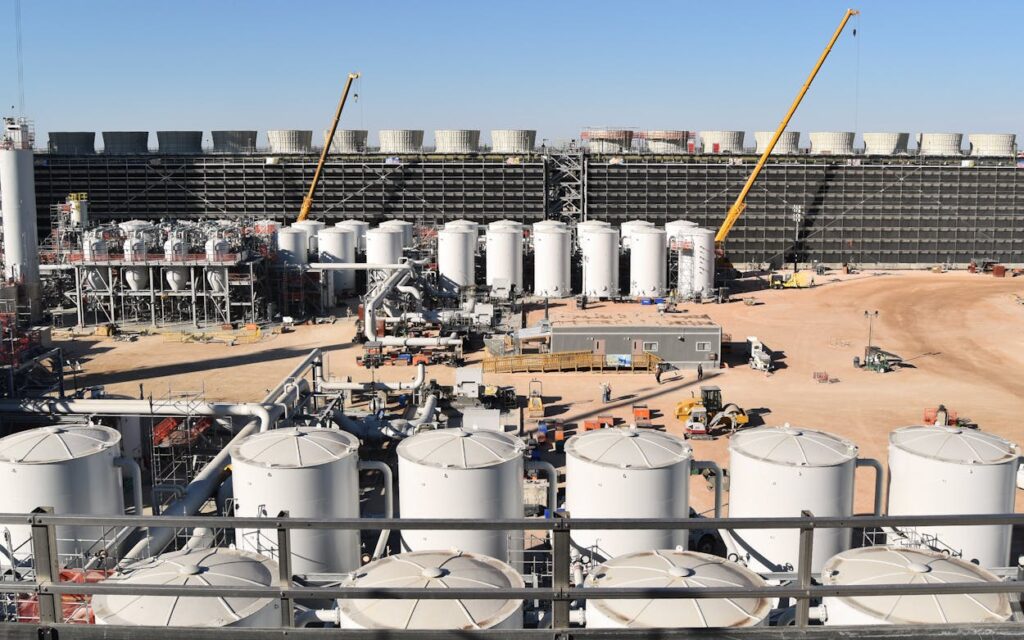
Massive CCS infrastructure under construction at a major hubMajor ExxonMobil Initiatives:
- Houston Ship Channel CCS hub targeting 50 Mtpa by 2030
- Multiple industrial capture agreements with steel, ammonia, and power producers
- Plans for large-scale offshore storage in the Gulf of Mexico
Chevron and Other Majors Committing Billions
Chevron, Shell, BP, TotalEnergies, and Equinor are also making substantial investments, particularly in the U.S. Gulf Coast and North Sea clusters. These moves support corporate net-zero goals while extending the productive life of existing assets through CO₂-enhanced oil recovery (EOR).
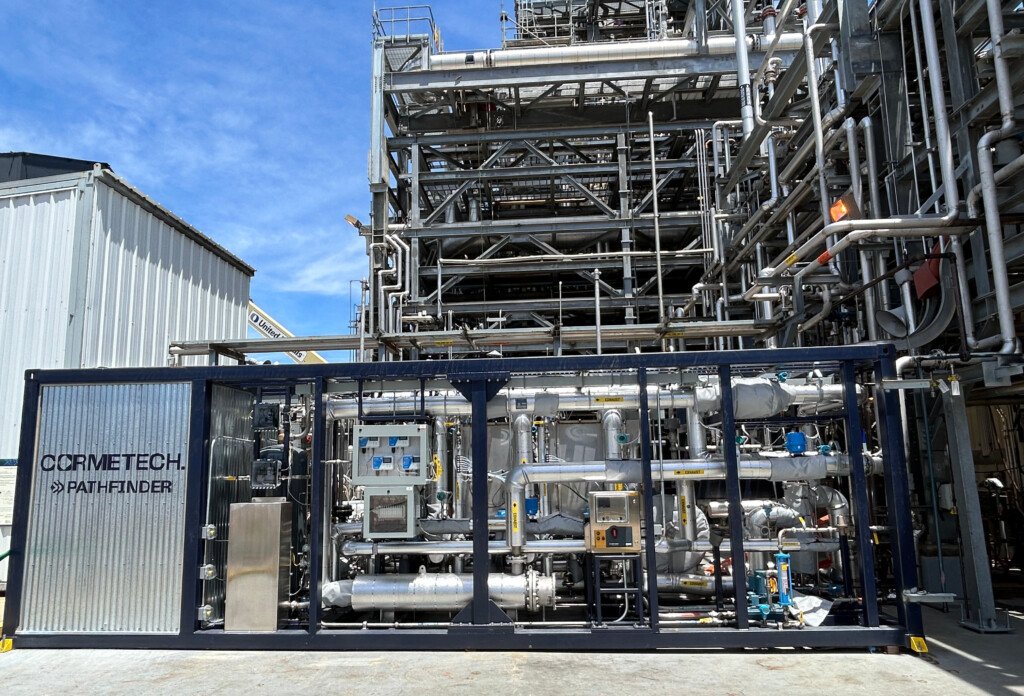
Advanced carbon capture module deployed at an industrial siteOffshore CCS:
Pipeline & Subsea Infrastructure Boom
The offshore sector offers enormous potential for CCS growth. Depleted reservoirs and saline aquifers provide vast, proven storage capacity, while existing subsea infrastructure can be repurposed for CO₂ injection.
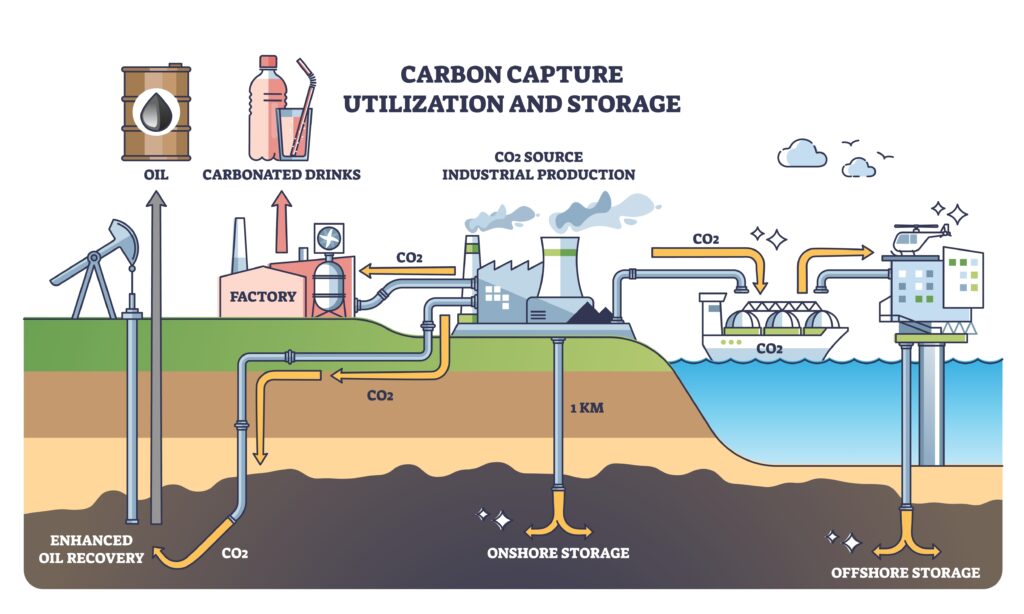
Illustration of full-chain offshore CCUS system – capture, transport, and subsea storageWhy Offshore CCS is Attracting Heavy Investment:
- Huge geological storage capacity
- Ability to repurpose existing pipelines and platforms
- Synergies with HPHT materials, all-electric subsea systems, and fiber-optic monitoring
- Lower public opposition compared to onshore projects
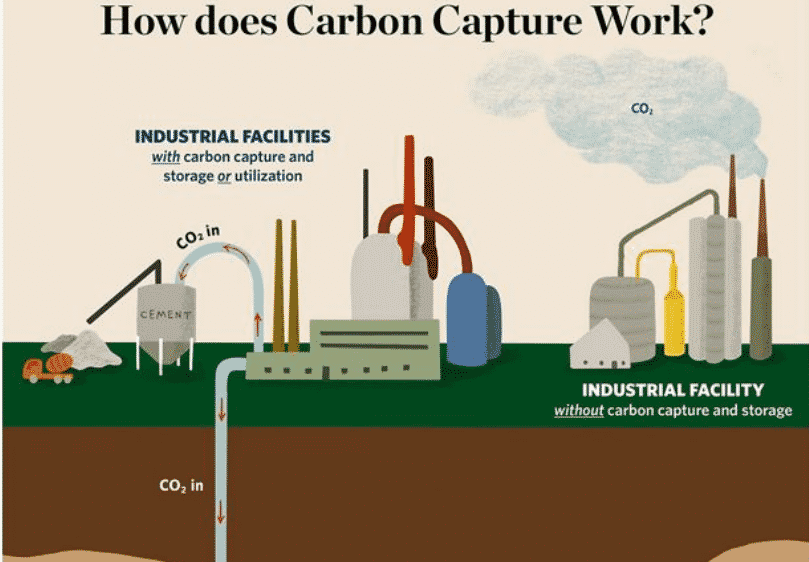
How Carbon Capture works – from industrial source to offshore storage
Turning Carbon Liability into Revenue-Generating Assets
Captured CO₂ is no longer just disposed of — it is monetized through multiple channels:
- CO₂-EOR: Boosting oil recovery by 10–20% in mature fields
- Carbon credit sales and low-carbon product certifications
- Feedstock for blue hydrogen, ammonia, and synthetic fuels
- Long-term storage contracts
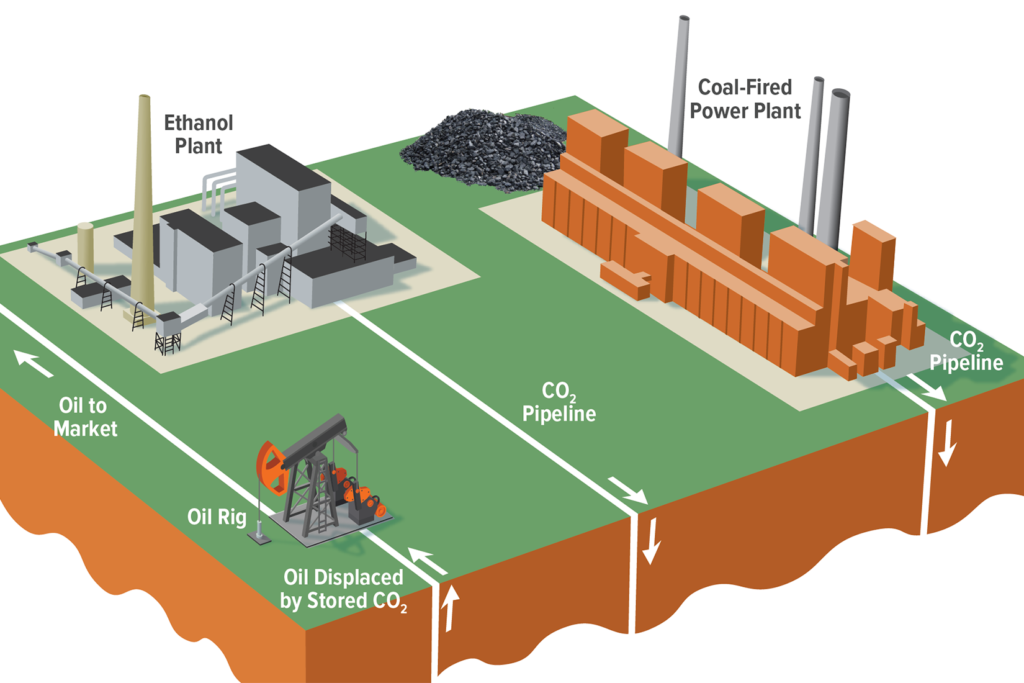
CO₂ utilization and storage pathways including EOR and offshore injection
Critical Technical Investment Areas:
- Corrosion-resistant materials for dense-phase CO₂ pipelines
- Advanced flow assurance and phase behavior management
- AI-powered predictive maintenance and digital twins
- Robust Measurement, Monitoring & Verification (MMV) systems
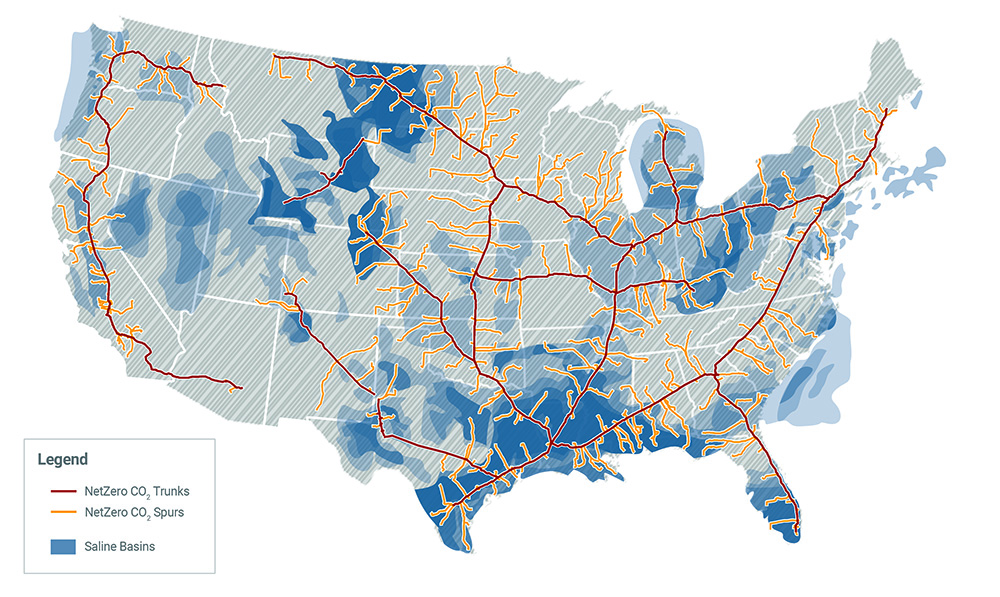
Major CO₂ pipeline networks in the United States supporting CCS hubs
Outlook for the Rest of 2026 and Beyond
CCS is transitioning from pilot projects to commercial-scale operations. For subsea pipeline engineers, flow assurance specialists, and offshore professionals, this creates a significant new market in CO₂ transport lines, injection infrastructure, and hybrid energy developments.The industry is successfully transforming carbon from a regulatory liability into a strategic, revenue-positive asset — delivering both environmental performance and strong financial returns.