By Oko, M.Eng | Offshore Pipeline Insight | July 2026
Carbon capture and storage (CCS) is moving from pilot projects to large-scale deployment, and CO₂ pipelines are quickly becoming one of the most important pieces of infrastructure needed to support this transition.
As governments and industries work toward net-zero goals, the demand for dedicated CO₂ pipelines is rising sharply. Many analysts now believe that CO₂ pipeline networks could see one of the largest infrastructure buildouts in the energy sector over the next 10–15 years.
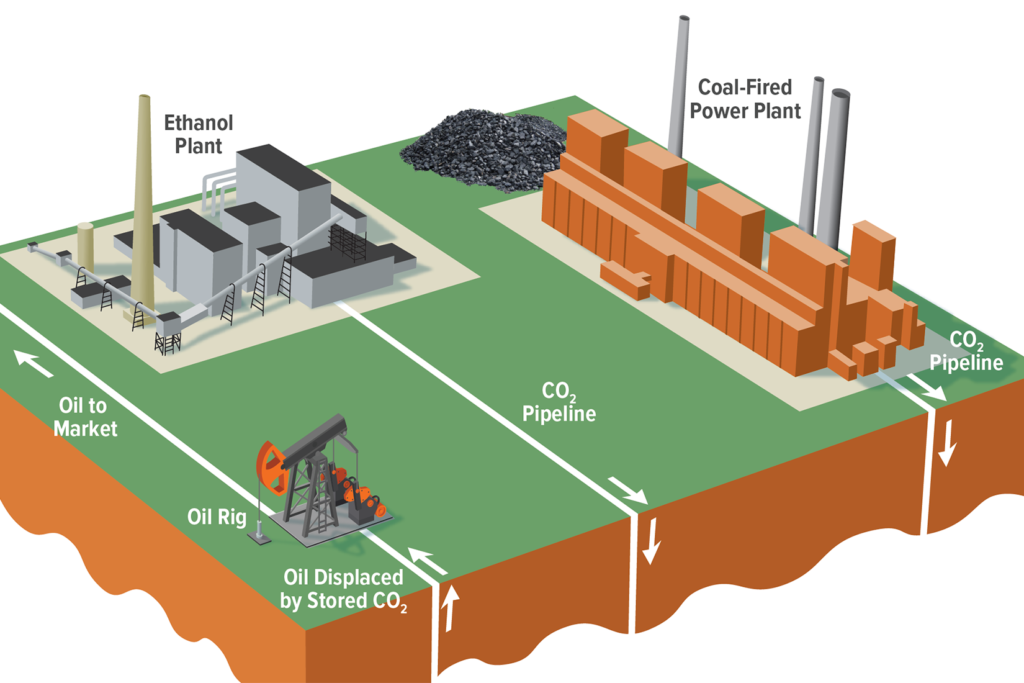
Caption: Diagram illustrating how CO₂ is captured from industrial sources, transported via pipeline, and stored underground or used for enhanced oil recovery.
Why CO₂ Pipelines Are Becoming CriticalCarbon capture and storage involves three main stages: capture, transport, and storage. While capture technology continues to improve, moving large volumes of CO₂ safely and efficiently over long distances requires dedicated pipeline infrastructure.
Key drivers behind the growth of CO₂ pipelines include:
- Increasing number of carbon capture projects worldwide
- Need to connect industrial emission sources with suitable geological storage sites
- Strong government support and funding for CCS (especially in the US and Europe)
- Corporate net-zero targets from heavy-emitting industries
- Potential use of CO₂ for enhanced oil recovery (EOR)
Without sufficient pipeline capacity, many large-scale carbon capture projects cannot proceed.
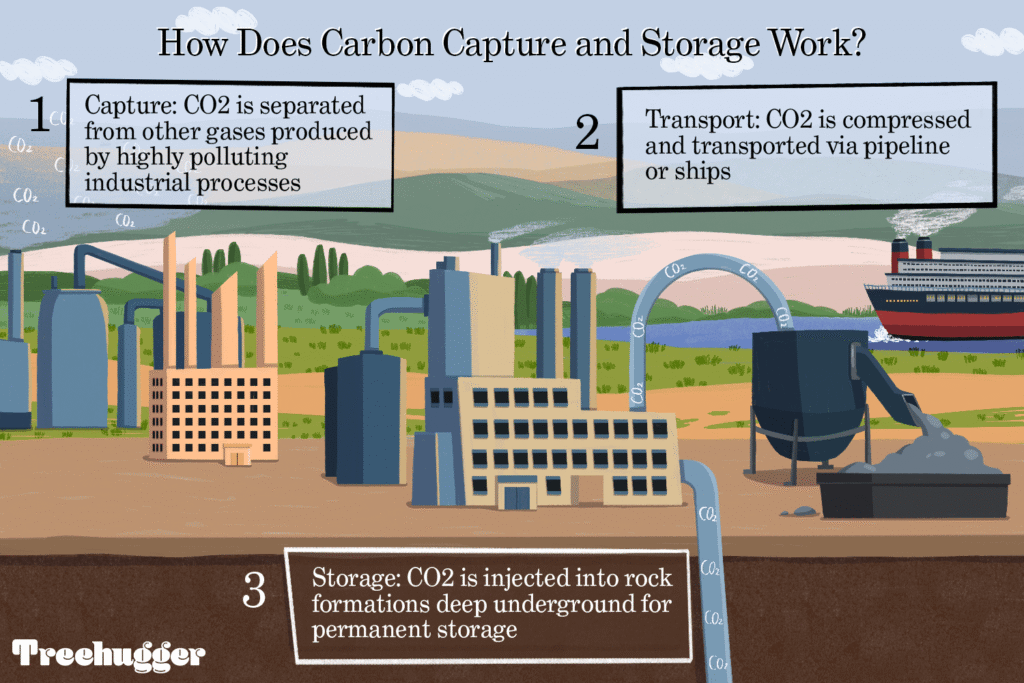
Caption: Overview of the carbon capture, transport, and storage process, showing the central role of pipelines in moving CO₂.
Current State of CO₂ Pipeline Infrastructure:
The United States currently operates the world’s largest CO₂ pipeline network, built mainly to support enhanced oil recovery. However, this existing network is limited in both geographic reach and capacity.
In 2026, several major developments are underway:
- New long-distance CO₂ pipelines are being proposed across North America
- Multiple CCS hubs are in various stages of development
- Significant public and private investment is flowing into CO₂ transport infrastructure
While the current network remains relatively small compared to natural gas pipelines, planned projects suggest strong growth ahead.
Technical Challenges of Building CO₂ PipelinesCO₂ pipelines present unique engineering challenges compared to natural gas pipelines:
| Challenge | Description | Impact on Pipeline Design and Operation |
|---|---|---|
| Corrosion Risk | CO₂ mixed with water can form carbonic acid | Requires dehydration and corrosion-resistant materials |
| Phase Behavior | CO₂ can exist as gas, liquid, or supercritical fluid | Needs precise pressure and temperature control |
| Fracture Control | Potential for fast-running fractures in pipelines | Requires special steel and crack arrestors |
| Safety Concerns | Large CO₂ releases can displace oxygen | Demands robust leak detection and emergency planning |
| Material Compatibility | Some existing pipeline materials may not be suitable for CO₂ service | May require new construction or major upgrades |
These factors mean that CO₂ pipelines often require specialized design, materials, and operational practices.
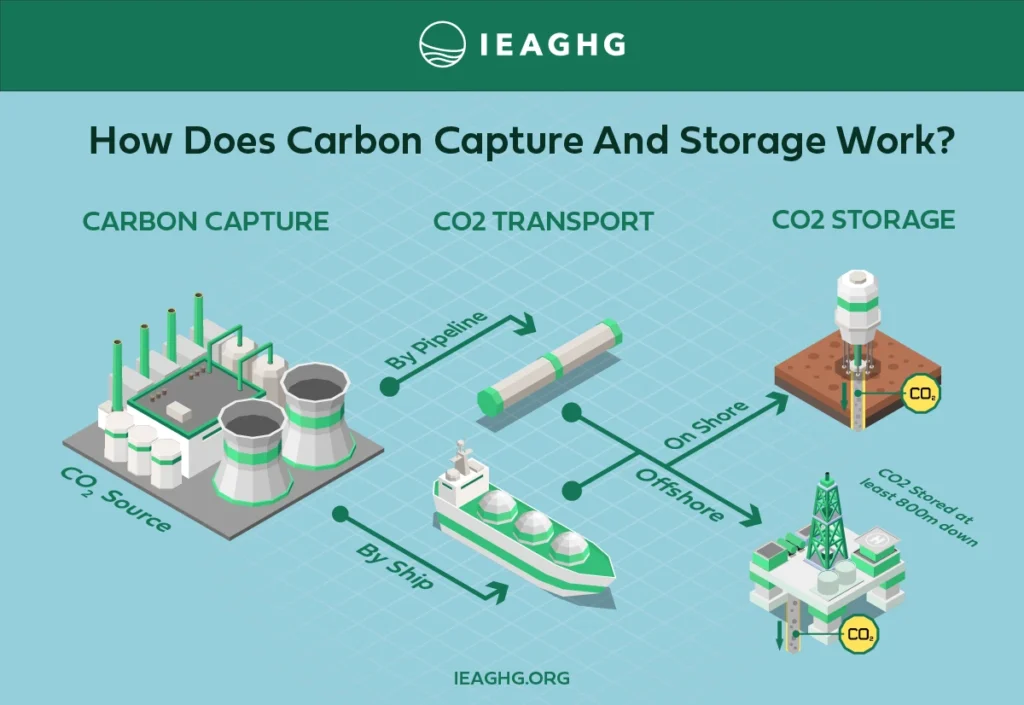
Caption: Illustration of the full carbon capture and storage chain, including pipeline transport options.
How Pipeline Companies Are Adapting
Pipeline operators and construction companies are actively positioning themselves for growth in the CO₂ sector by:
- Evaluating existing pipelines for potential conversion to CO₂ service
- Developing specialized engineering capabilities for CO₂ transport
- Participating in proposed CCS hub and cluster projects
- Investing in CO₂-specific safety and monitoring technologies
- Building partnerships with carbon capture developers and storage operators
Companies with experience in high-pressure pipelines and corrosion management are particularly well-placed to benefit from this emerging market.
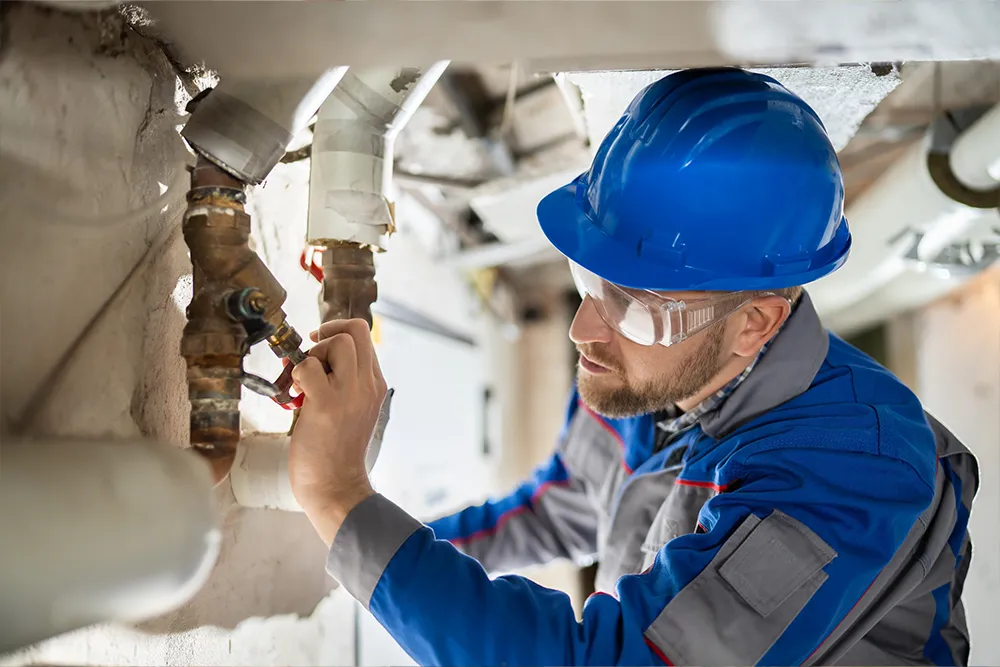
Caption: Pipeline inspection and maintenance work — skills that are highly transferable to CO₂ pipeline operations.
Regulatory and Public Acceptance Challenges
One of the biggest obstacles to new CO₂ pipelines is navigating regulatory approvals and public acceptance.
Key issues include:
- Lengthy environmental reviews and permitting processes
- Public concerns about pipeline safety and land use
- Varying regulations across different states and countries
- Questions around long-term liability for stored CO₂
Streamlined and consistent regulations will be essential to accelerate CO₂ pipeline development.
Opportunities for Pipeline Professionals:
The growth of CO₂ infrastructure is creating new career and business opportunities, including:
- Increased demand for engineers with CO₂ pipeline experience
- New construction and integrity management projects
- Roles in safety, monitoring, and regulatory compliance
- Cross-training opportunities from natural gas pipeline backgrounds
- Work in emerging industrial CCS clusters
Professionals who develop expertise in CO₂ pipeline design, materials selection, and operations will be in strong demand as projects advance.
Risks and Uncertainties
Despite strong momentum, several risks remain:
- Project delays due to permitting and opposition
- High capital costs for new pipeline construction
- Uncertainty around long-term policy support and carbon pricing
- Competition from other decarbonization technologies
- Public acceptance challenges in some regions
Future Outlook
CO₂ pipelines are widely expected to see substantial growth between 2026 and 2035. Many forecasts project a significant increase in dedicated CO₂ pipeline mileage as carbon capture scales up globally.
Key trends to watch include:
- Development of regional CO₂ pipeline networks and hubs
- Potential repurposing of some existing pipelines for CO₂ service
- Advances in pipeline materials, monitoring, and safety systems
- Greater focus on public engagement and safety standards
Conclusion
CO₂ pipelines are emerging as a critical enabler of large-scale carbon capture and storage. While the current network is still relatively limited, the combination of policy support, industrial demand, and climate goals is driving what many believe will be a major infrastructure expansion in the coming decade.
For pipeline companies and professionals, this represents both a significant opportunity and a new area of technical expertise. Those who prepare early through training, project participation, and technology adoption will be best positioned to benefit from the growing importance of CO₂ transportation in the global energy transition.
As the world moves toward deeper decarbonization, CO₂ pipelines are set to become an increasingly vital part of modern energy infrastructure.