The global petroleum industry remains in a state of high tension as we head into the final days of May 2026. The ongoing disruption in the Strait of Hormuz, driven by the US-Iran conflict, continues to dominate headlines, creating supply shortages, price swings, and heightened energy security concerns worldwide. At the same time, natural gas investment is surging while oil spending cools, and offshore pipeline projects are accelerating — signaling both short-term volatility and long-term infrastructure growth.
This roundup covers the biggest stories shaping the petroleum sector right now.
1. Strait of Hormuz Disruptions Keep Oil Markets on Edge
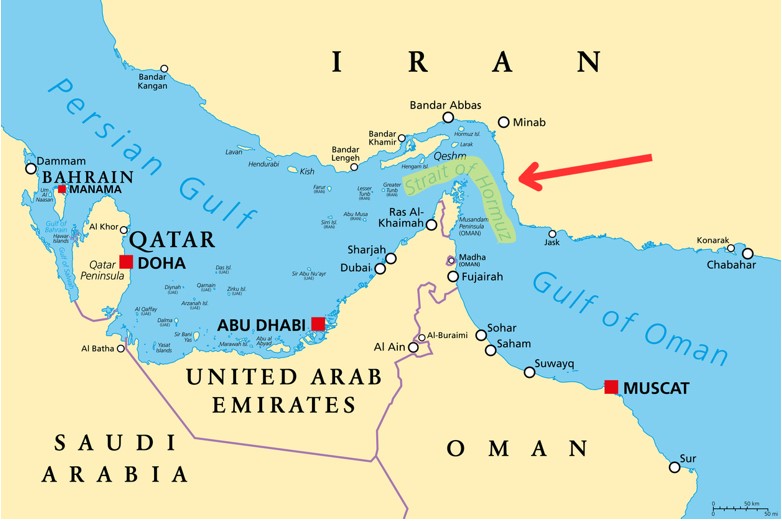
The de facto closure/restriction of the Strait of Hormuz — the world’s most critical oil chokepoint carrying nearly 20% of global supply — has now lasted nearly three months. This has led to massive inventory draws, refinery cutbacks in Asia, and significant price volatility.
- Brent crude averaged $117/bbl in April but has since pulled back to around $91–$97/bbl as of May 29–30, 2026.
- The EIA expects prices to ease further in the second half of the year if shipping resumes, but near-term uncertainty remains extremely high.
- US gasoline prices are also elevated (national average ~$4.45/gallon), with refiners absorbing losses to shield consumers.
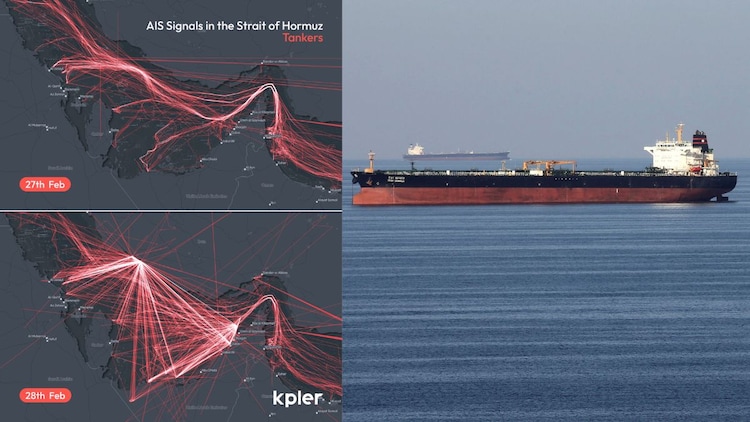
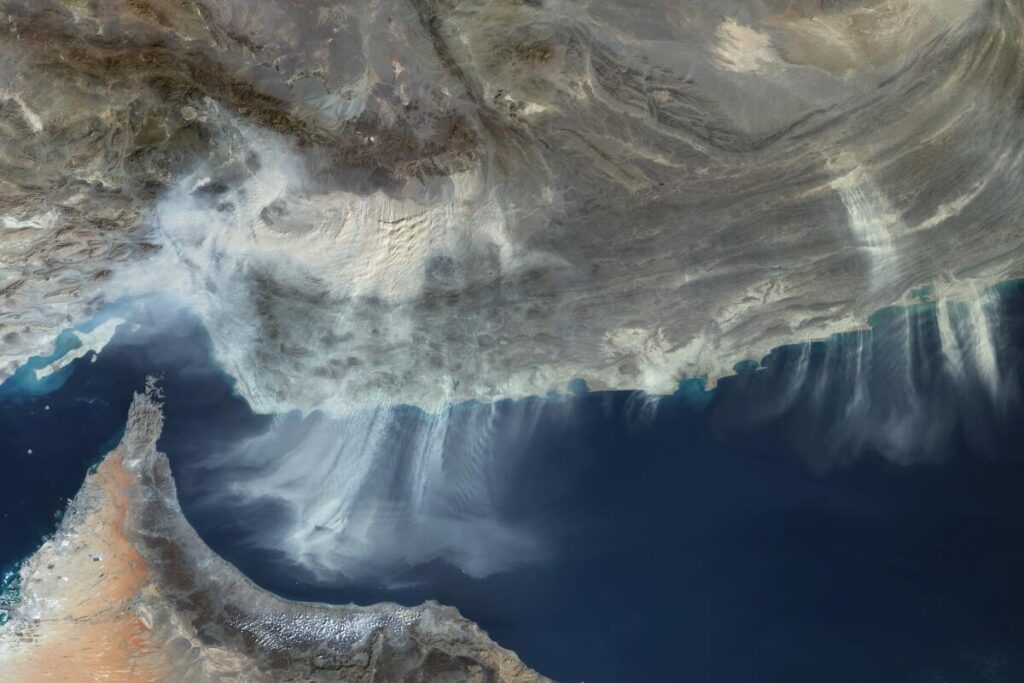
Strait of Hormuz Tanker Traffic — Satellite view showing disrupted shipping lanes amid ongoing geopolitical tensions.
Related Reading: High Oil Prices & Geopolitical Volatility (May 2026 Update)
2. OPEC+ Makes Modest Production Increase — But Impact Is Limited
In early May, the seven core OPEC+ producers (Saudi Arabia, Russia, Iraq, Kuwait, Kazakhstan, Algeria, and Oman) agreed to raise output by 188,000 barrels per day in June.
This follows a similar small hike in May.
- The move is largely symbolic while Hormuz remains restricted.
- The UAE formally left OPEC effective May 1, reducing the group’s spare capacity outlook.
- Analysts view this as a signal of readiness to ramp up once the strait reopens.
3. Investment Shift: Natural Gas Booming, Oil Spending Declining
According to the latest IEA report:
- Global investment in natural gas projects is set to hit a 10-year high of $330 billion in 2026 — up more than 10%.
- Upstream oil investment is declining for the third straight year.
- Over $2.2 trillion is flowing into renewables, energy storage, power grids, and low-emission fuels.
This reflects operators’ focus on gas for energy security and the energy transition, while exercising capital discipline on new oil projects.

Subsea Gas Infrastructure — Part of the growing wave of natural gas investment worldwide.
4. Offshore Pipeline & Subsea Megaproject Momentum Continues
Despite geopolitical headwinds, the offshore sector is pushing forward:
- 113 offshore pipelines are scheduled to commence operations in 2026 (part of 385+ total pipelines globally).
- Major highlights include Argentina’s Vaca Muerta Sur (565 km oil pipeline linking Vaca Muerta fields to a new export terminal).
- Strong activity in the Gulf of Mexico (new subsea tiebacks like Silvertip Phase 3, Longclaw, and Monument), North Sea, and Asia-Pacific.
Exploration remains active too, with 65+ high-impact wells planned — concentrated in Africa, South America, and frontier deepwater plays.
Related Reading: The 2026 Megaproject Boom: Offshore Pipelines Reshaping Global Energy
5. US Production Strength Provides a Buffer
US crude output continues its upward trajectory:
- EIA forecasts 13.65 million barrels per day in 2026.
- Natural gas production is also rising strongly.
- This domestic surge helps offset some global disruptions and supports LNG exports amid tight international markets.
Outlook for the Coming Months
Analysts expect:
- Gradual easing of oil prices if Hormuz shipping normalizes later in 2026.
- Continued strong gas investment and offshore project execution.
- Heightened focus on energy security, pipeline repurposing (for CCUS/hydrogen), and subsea robotics/digital twins.
The industry is navigating a classic “higher for longer” price environment in the near term while preparing for a more diversified, lower-carbon future.
Actionable Takeaway for Pipeline & Subsea Professionals
Geopolitical risks are accelerating the need for resilient infrastructure. Operators who invest in digital twins, advanced materials, subsea robotics, and repurposing capabilities will be best positioned for whatever 2026 brings.
Related Articles on Offshore Pipeline Insight:
- Subsea Carbon Capture and Storage (CCUS) in 2026
- Innovations Driving Efficiency in Subsea Infrastructure
- Subsea Robotics Applications
“Engineers looking to deepen their knowledge in subsea pipeline integrity should check out Subsea Pipeline Design, Analysis, and Installation by Qiang Bai ( https://amzn.to/4u7edfH. This book is an excellent reference for understanding the practical applications of digital twins.”